After a certain point, more reps will not make you better.
The most powerful learning mechanism is chunking.
Chunking = simple information that solves multiple problems at once. Which is what you need to do in a game.
This is how we teach movement and deception at BB to ensure it holds up in live play.
While inspiring young athletes at the Brooklyn Basketball Training Center’s Spring Recess clinic, New York Liberty Head Coach Chris DeMarco spoke with Brooklyn Paper about Brooklyn’s energy and the rise of women’s basketball. https://t.co/hSvtjCrPZE
Dan Hurley’s 4 Core Principles for Uconn include:
1) Strength of the “Pack”
2) Consistent improvement
3) Relentless Competitive Effort
4) Mindful communication
Nice recognition but can't misspell the name of the top school on the list and misspell the name of someone coaching here in this game! #d3hoops#d3problems
Hold the coaching. Let players explore first.
When teaching a new drill or starting a drill they know already, prioritize discovery over instruction. Deepen learning by letting players explore and find solutions, then layer in technique/tactics.
A thread🧵
What if the fastest way to develop youth players isn’t more drills — but more 3-on-3?
FIBA 3x3 Head Coach @HillierGerard provides practice examples of how small-sided games accelerate decision-making, spacing awareness, and real basketball IQ.
https://t.co/IHTAjy43QI
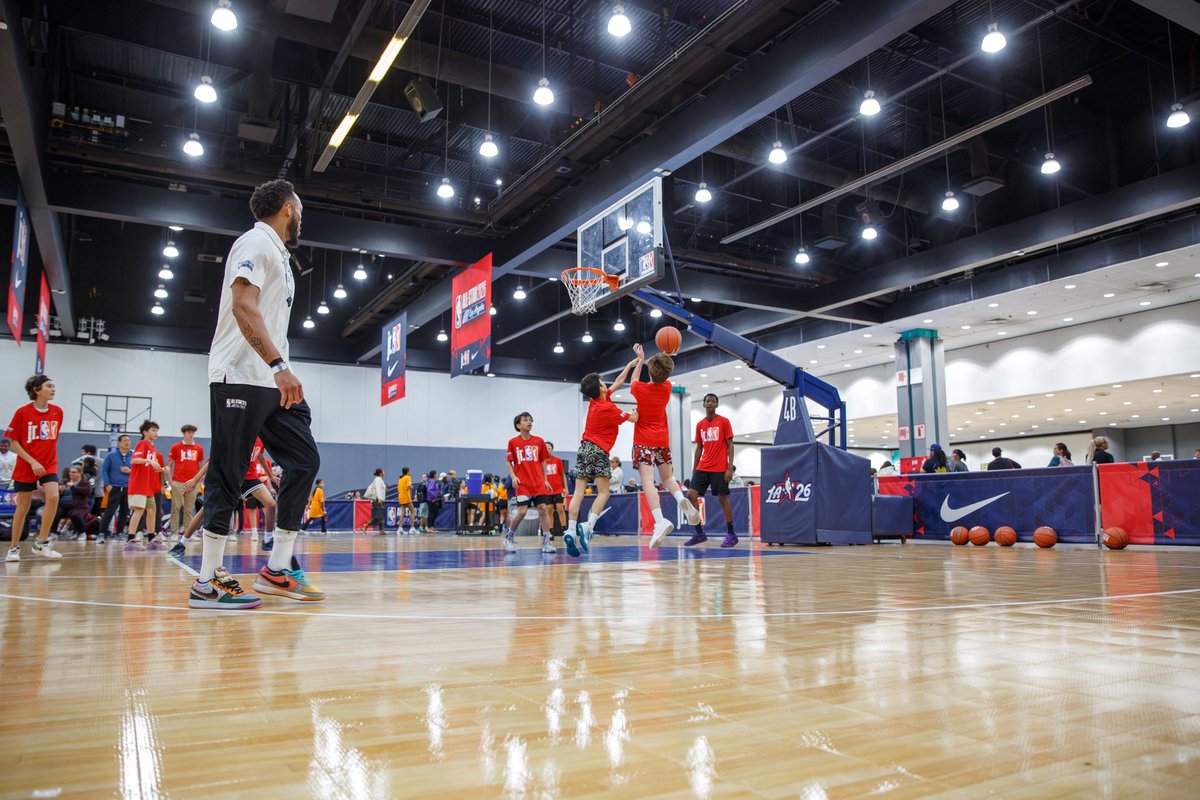
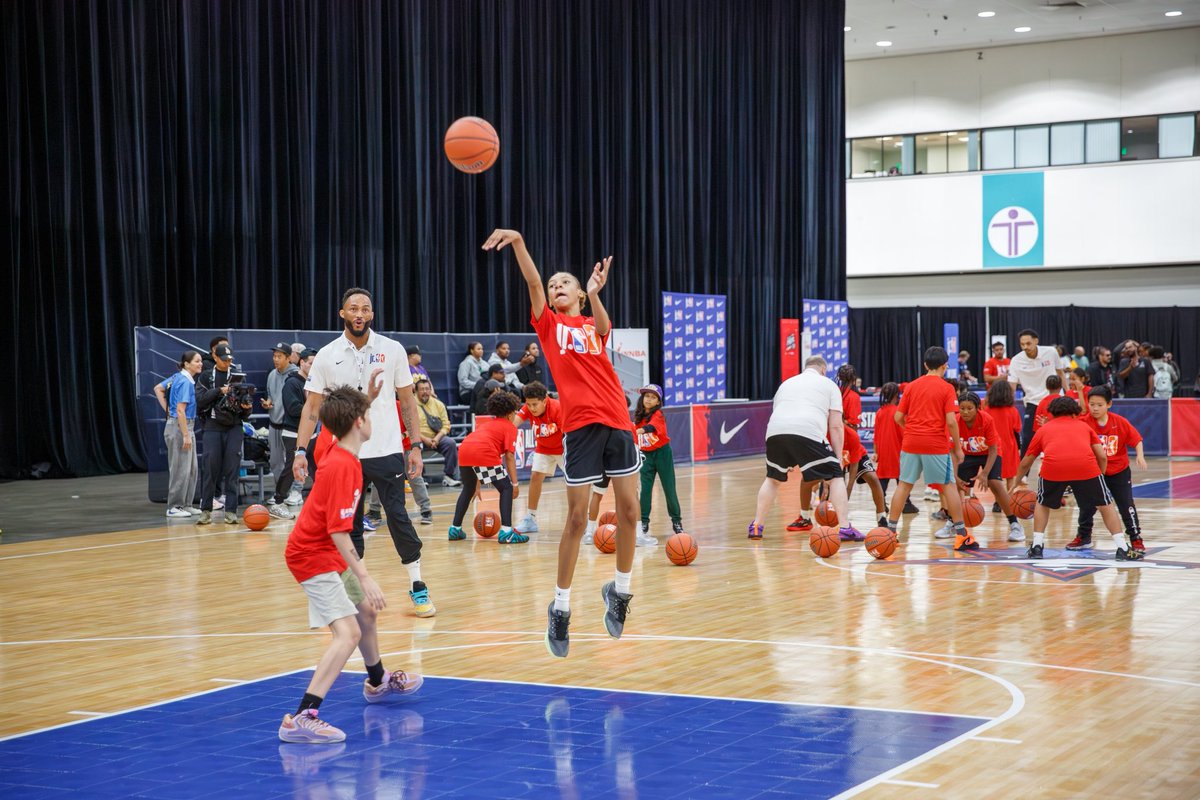
Great @NBAAllStar weekend with the @jrnba, @BBallImmersion & coaches from all over the country to provide a fun learning environment for youth across Los Angeles!
Live from NBA All-Star Weekend, I interviewed Pistons HC JB Bickerstaff on the myth of 1v1 defense. His philosophy? "It’s never one-on-one. It’s always one-on-five."
📚 Best Nuggets From Coaching Books
This one comes from Eleven Rings by Phil Jackson.
One of the most impactful ideas in the book is the five stages of a team (or tribe) — and Phil believed most teams live at Stage 3.
Here’s the progression:
• Stage 1: “Life sucks.”
Despair. Hostility. Blame the world.
• Stage 2: “My life sucks.”
Apathetic victims. Passive resistance.
• Stage 3: “I’m great — and you’re not.”
Lone warriors. Individual ego. Winning is personal.
• Stage 4: “We’re great — and they’re not.”
Tribal pride. Shared identity. Collective confidence.
• Stage 5: “Life is great.”
Rare. Almost spiritual. Purpose beyond competition.
Here’s the key:
Stage 3 teams work hard — but effort is individual. Feedback feels personal. Stats matter too much.
Phil’s insight wasn’t about chasing Stage 5.
It was about moving teams from Stage 3 to Stage 4.
He didn’t eliminate ego — he redirected it.
From personal dominance → to collective ego.
As the first coaching novel I read getting into coaching, it reframed how I think about culture. Players have to see how their success depends on someone else doing their job well.
It’s why I’ve leaned more into player-driven recognition.
Ending practice with one player calling out another.
Having guys talk about others in terms of, “What do I rely on you for?” “What strength of yours make this team better?”
That’s the shift they need to think more about.
Not because ego is bad — it just needs the right target.
Accountability starts with self-reflection.
“We’re going to reach our full potential, but there’s going to be some pain. You’ve got to go through it.”
- Marcus Freeman
Don’t confuse your role with your value.
Championship players don’t count minutes; they make their minutes count.
A good teammate will never be defined by their role.
A good teammate will be defined by their willingness to excel in that role.
How Steph Curry trains‼️
Spending hours in the gym just to call yourself a GymRat doesn’t automatically make you better.
A focused, high-intensity 45-minute workout beats a 3-hour low-intensity session every time.
That’s how guys like Steph Curry separate themselves.
If you really want to become elite:
•Train with intent
•Keep the pace game-speed
•Have a clear plan
Two locked-in 45-minute workouts in a day > one long unfocused session ✅
Get in. Lock in. Get better. 🔥
Mark Daigneault said something that should reshape how every defender thinks about the game:
“The players are too talented and the teams are too good to let them have their way… What does the opponent want the game to look like — and how can we disrupt that?”
That’s not just a quote. It’s a defensive philosophy.
Too many defenders grow up thinking defense is about reacting — sliding laterally, staying in front, and seeing what will happen to them. But at the highest levels, the offense isn’t going to beat itself. If you allow great players to dictate where they go, when they go, and how they go, you’ve already lost the possession.
What Daigneault is really describing is disruptive control. The idea that defense isn’t passive, but active. Rhythm is offense’s greatest weapon, and disruption is defense’s.
The best defenders don’t wait to react to what the offense is doing. They decide what the offense is allowed to do. They determine the terms of engagement. That is one of the biggest mindset shifts for developing defenders.
“The game rewards the guys that show up and have a great attitude when it’s not about them” - Dusty May
Everybody’s role is important
(Via @umichbball 🎥)
You can't win with any L.A.M.E. in your game.
"Lazy- somebody who is not willing to work
Arrogant- somebody that thinks they are better than they are
Mediocre- somebody who is not very good
Entitled- somebody who thinks they deserve what they haven't worked for."