We've been nominated for TWO Emmys! 🎉
NASA’s coverage of the April 8, 2024, total solar eclipse just earned nominations for
"Outstanding Live News Special" and "Outstanding Show Open or Title Sequence – News" (embedded below ⬇️).
The winners are set to be unveiled at a ceremony in late June.
We’re honored to be considered and proud to have shared the once-in-a-lifetime experience with you all!
Learn more: https://t.co/KfXfLgMTMh
One year ago today, the Sun unleashed a torrent of eruptions that caused the biggest geomagnetic storm in over two decades.
Auroras filled the skies as far south as Mexico! 🤩
But the storm’s impacts reached even farther and wider than you might think.
Here’s some of what NASA has learned in the year since: https://t.co/RgtjV79Va7
Why do we get auroras on Earth after eruptions occur on the Sun? A thread. 🧵
⬇️⬇️⬇️
(Images:
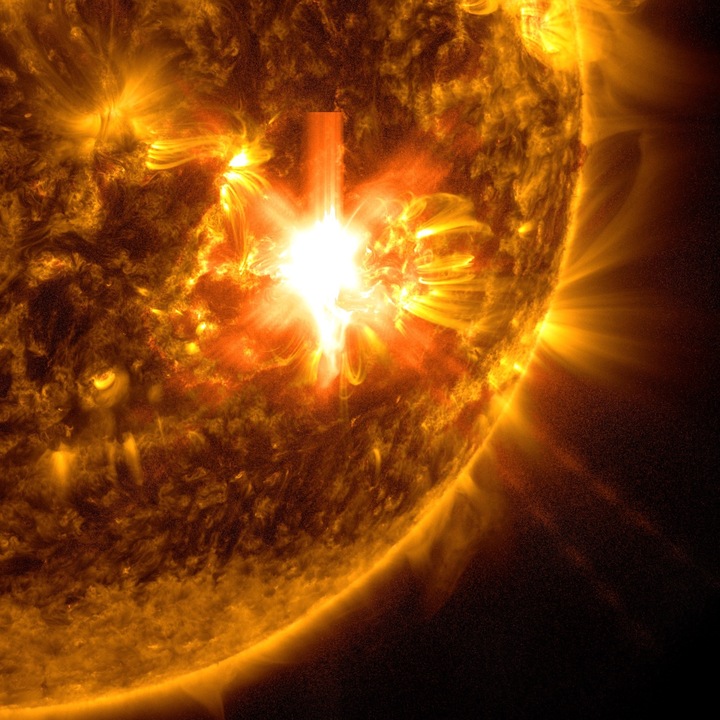
Left: a solar flare captured by NASA's Solar Dynamics Observatory.
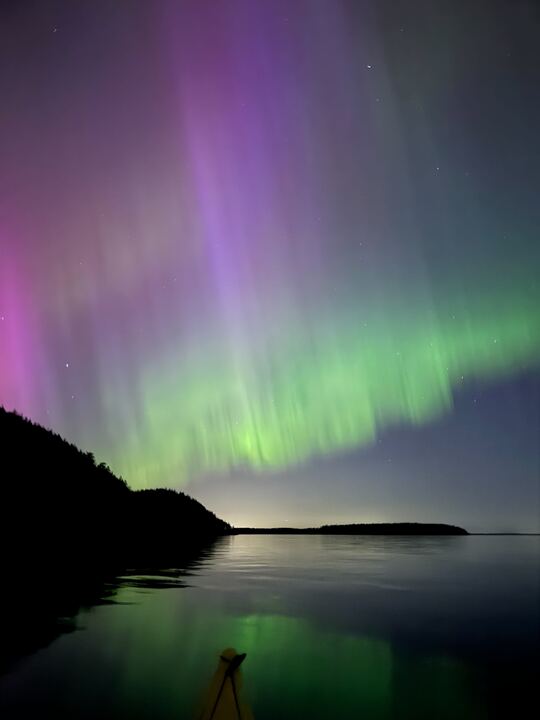
Right: Aurora seen from Lummi Island, Washington, at 10:54 p.m. PT on May 10, 2024. Credit: Jeff Carter)
Join the NASA team that tells stories about our solar system and beyond! 🌞
Social media lead - https://t.co/3tPJSy3Edd
Technical science writer - https://t.co/xscGiPPjPm
Outreach coordinator - https://t.co/goHrifk2Dx
A gorgeous filament show from earlier today ☀️ 1st, a large quite-Sun filament below AR 13188 and a beautiful CME in the corona. 2nd, a smaller active-region filament from AR 13190 and a fainter CME in the corona. Neither seems Earth-directed by a glancing encounter is possible.
Solidarity to everyone affected by layoffs. If you're in design or art direction, NASA is currently hiring a senior art director! The application deadline is 1/26. https://t.co/KQUjLE2QWj
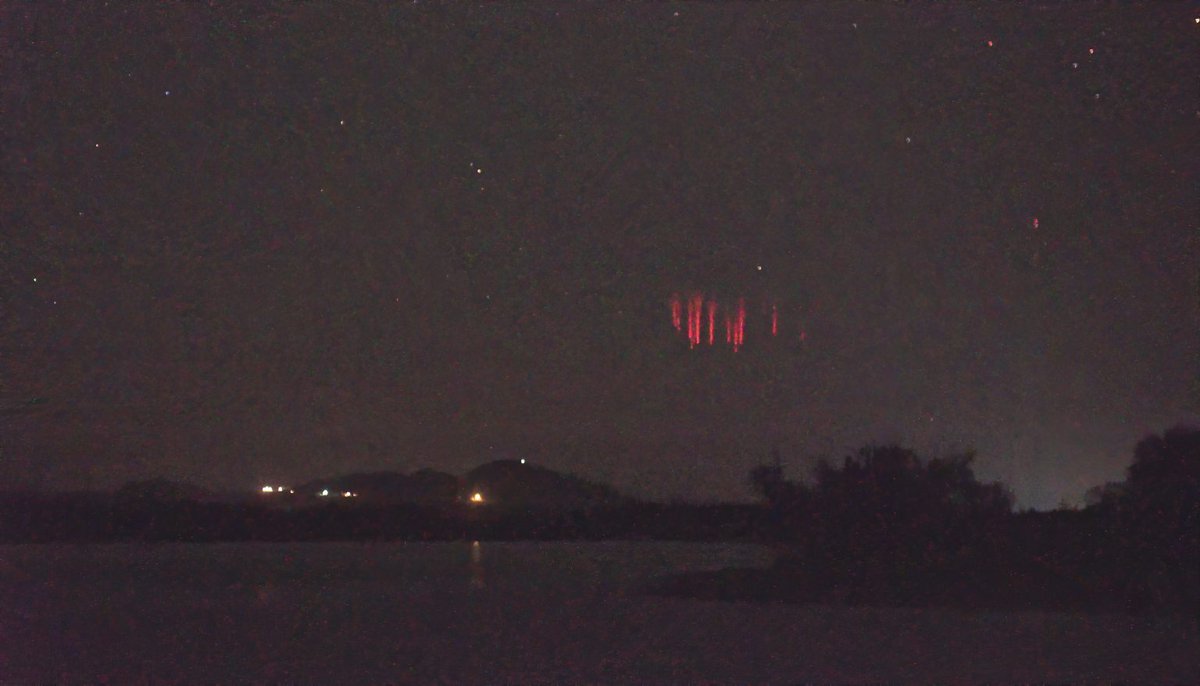
Dr. Burcu Kosar has studied sprites, the jolts of electricity that flicker above lightning storms, for 15 years – but has never seen one in person.
Now, partnering with veteran sprite-chaser Paul Smith, she’s determined to capture one for the first time.
Follow her journey:
It's a rare treat to spend time in the darkest of skies. Left on the cutting room floor were clips of us reacting to numerous constellations, shooting stars, and coyote howls 😁
A year ago, @_JoyNg and I went to Oklahoma to chase a couple night-sky fanatics as they chased sprites. These are insane lights linked to thunderstorms and ofc we know little about them. The odds were not in our favor. My last story from @NASA days 🥲 https://t.co/DakGjWCFKr
This is what you’ve waited for.
Journey with us through Webb’s breathtaking view of the Pillars of Creation, where scores of newly formed stars glisten like dewdrops among floating, translucent columns of gas and dust: https://t.co/5ea1kCzU5x
Here’s your guided tour ⬇️
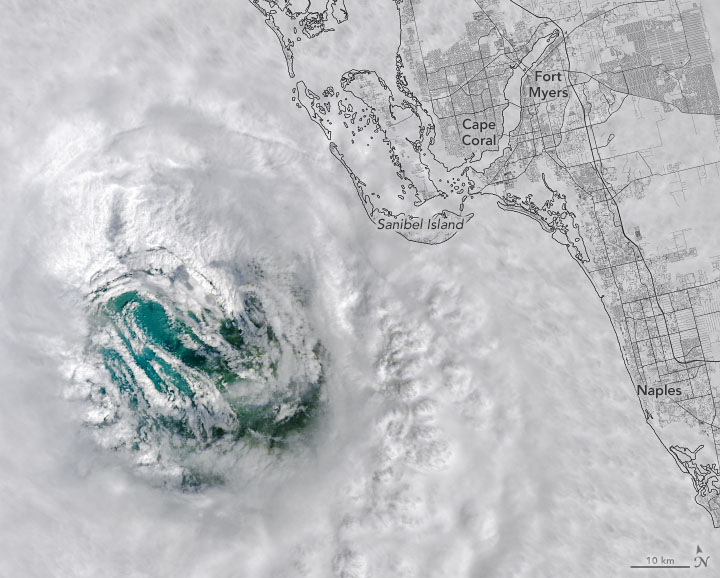
Satellite images offer insight into a storm's intensity. #Landsat 8 passed over Hurricane Ian’s eye as it approached southwest Florida.
The eye of a hurricane is a circular zone of fair weather at the storm’s center, surrounded by an eyewall of the strongest winds.
IMPACT SUCCESS! Watch from #DARTMIssion’s DRACO Camera, as the vending machine-sized spacecraft successfully collides with asteroid Dimorphos, which is the size of a football stadium and poses no threat to Earth.
🚨We’re hiring!
@NASAEarth Observatory is hiring a science writer. Help us tell great stories about:
🌎 Earth science
🌡 climate and weather
🏔 geology
🛰 technology
This awesome gig with a fantastic team is remote-friendly, too: https://t.co/EMY0GC30qH
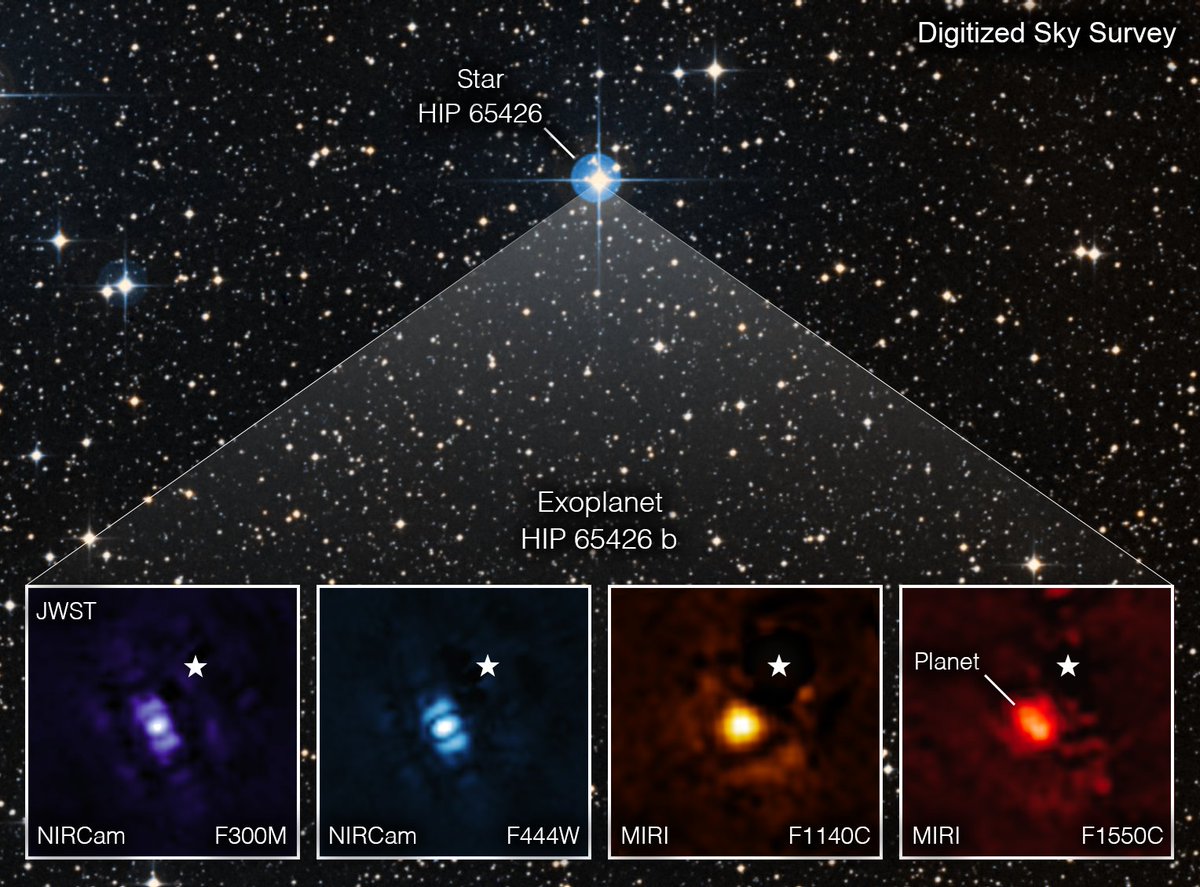
Talk about out of this world! This is Webb’s first direct image of a planet outside of our solar system, and it hints at Webb’s future possibilities for studying distant worlds: https://t.co/ITcl6RItLa
Not what you expected? Let’s walk through the details👇
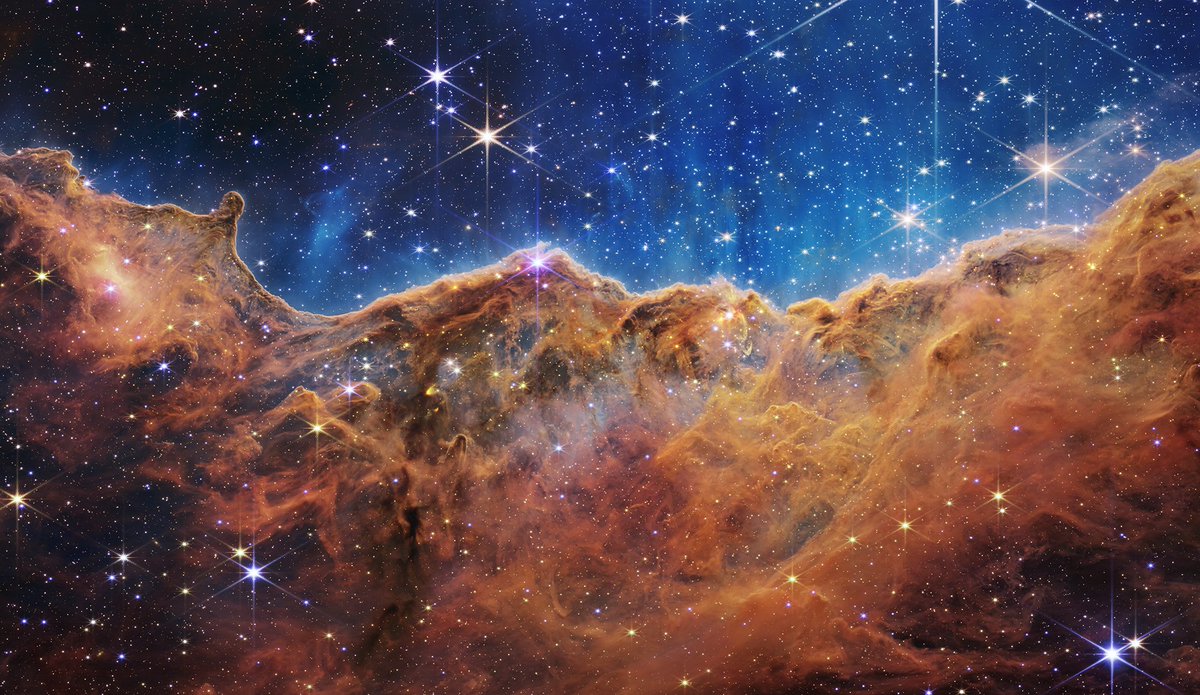
🌟 A star is born!
Behind the curtain of dust and gas in these “Cosmic Cliffs” are previously hidden baby stars, now uncovered by Webb. We know — this is a show-stopper. Just take a second to admire the Carina Nebula in all its glory: https://t.co/tlougFWg8B #UnfoldTheUniverse
Put a ring on it! 💍
Compare views of the Southern Ring nebula and its pair of stars by Webb’s NIRCam (L) & MIRI (R) instruments. The dimmer, dying star is expelling gas and dust that Webb sees through in unprecedented detail: https://t.co/tlougFWg8B #UnfoldTheUniverse