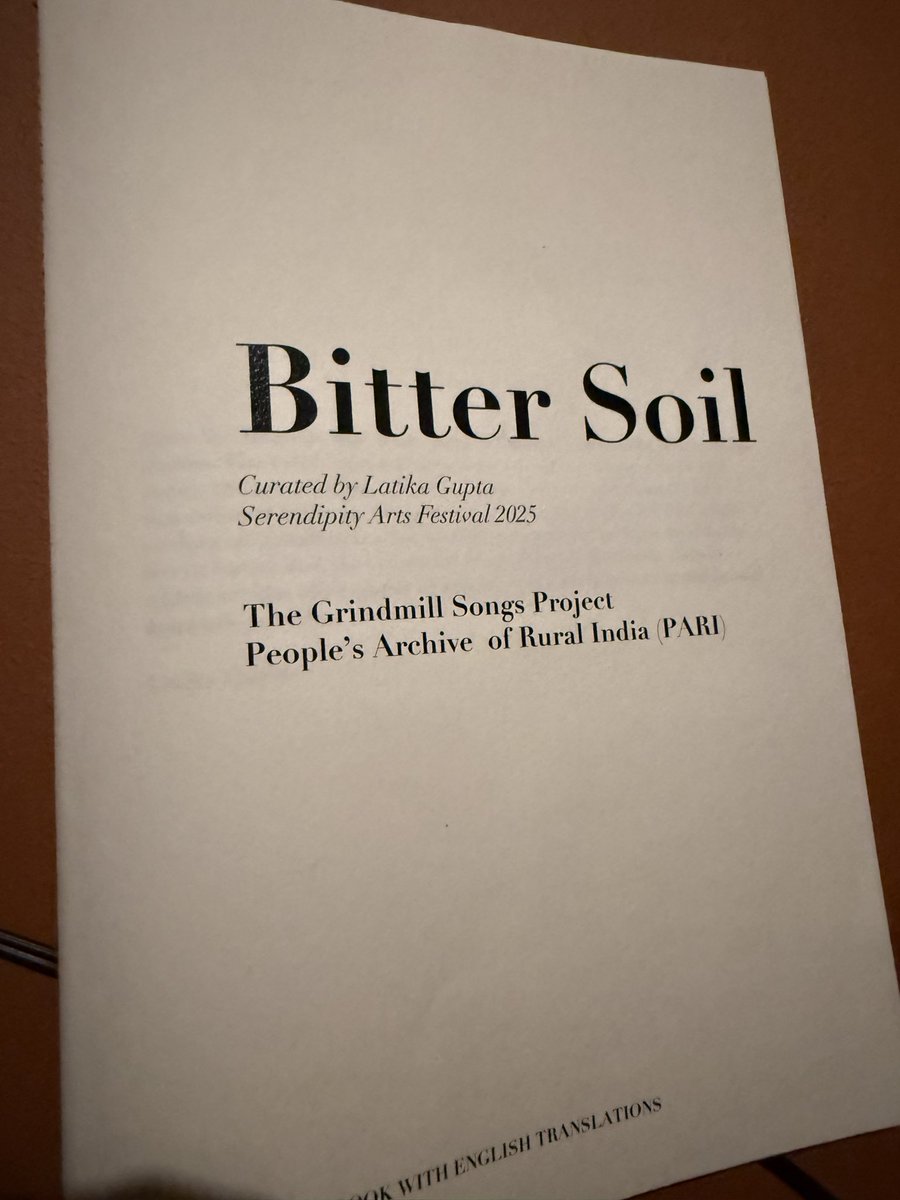
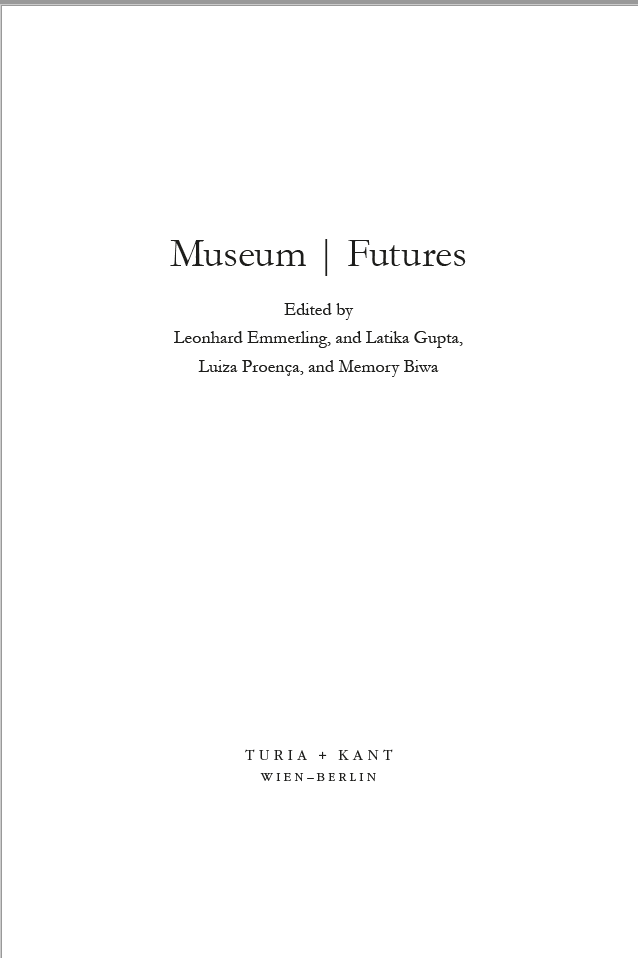
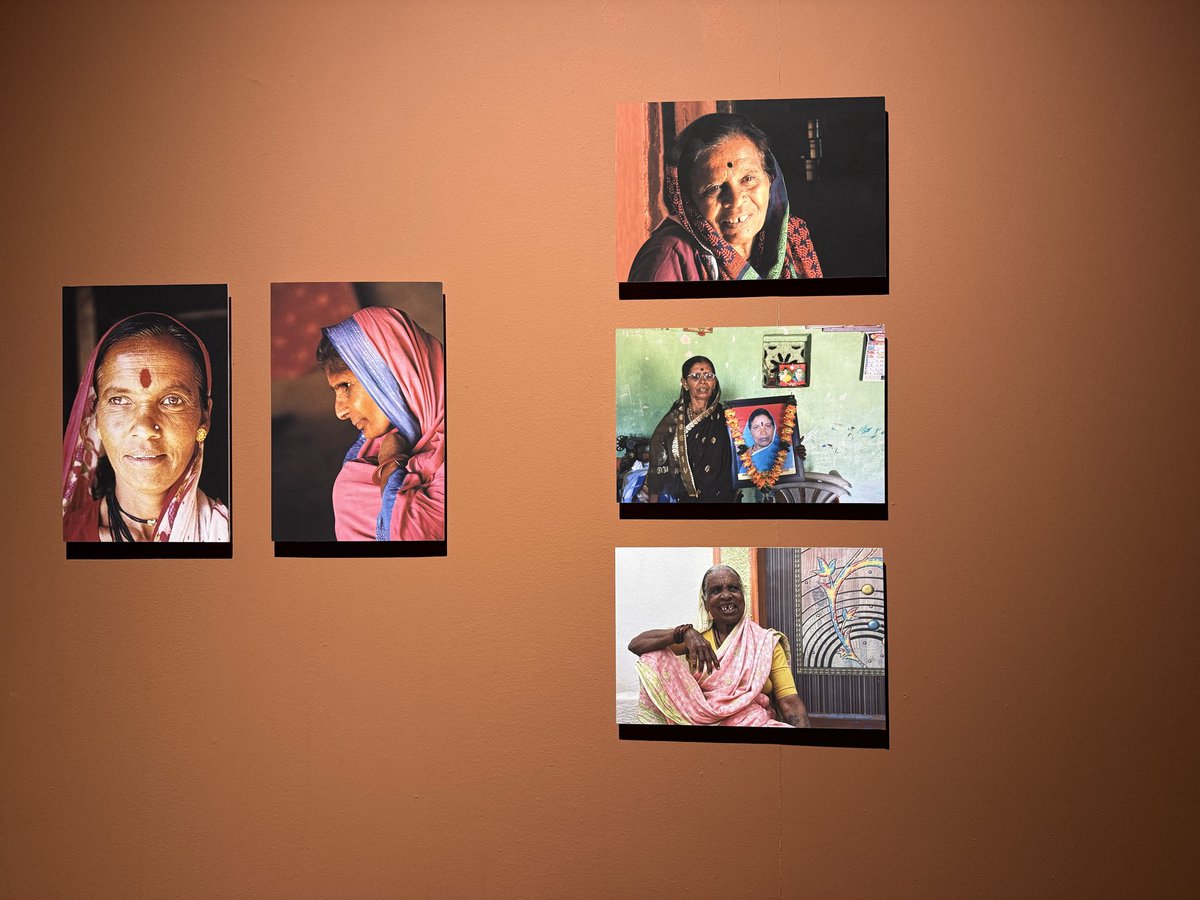
MUSEUM FUTURES-31 essays by philosophers,curators & social scientists shed light on critical questions related to the future of the museum & the museum of the future—questions that are intertwined with how we envision our pasts,presents & futures as communities & countries.
People are letting AI write their wedding vows, love letters, parents’ obituaries, kids’ birthday cards… Such a powerful loss to self and community when people relinquish the truth of their own words and voices to become epiphenomenal vessels for computers to talk to each other.
It’s telling that Hindu practices are being most visibly erased not by Abrahamic faiths but by Hindutva’s own “anti Islam” push which makes Hindus worship pigs, celebrate festivals by dancing outside mosques, replace bhajans with H-pop abuse and deities with a bulldozer
What stands out here is not only the scale of what is unfolding, but the language that is being used to frame it.
When a President speaks of “a whole civilization” potentially dying within hours, that is not routine strategic signalling. It is apocalyptic framing. It collapses the distinction between regime and people, between military objective and societal existence. Once that line is blurred, everything that follows becomes easier to justify.
At the same time, the operational picture is methodical, almost clinical. Infrastructure is being unpicked layer by layer: energy, transport, command, revenue streams. This is not a single strike; it is a design to disable a state’s ability to function. In military terms, it is coercive degradation. In human terms, it is something far more consequential, because civilian life is inseparable from that infrastructure.
The human chains complicate this further. They are not just acts of protest; they are strategic interventions. They seek to force a moral reckoning by placing civilians directly in the path of force. That does not make the situation symmetrical, but it does make it more volatile. Every decision now carries not just military risk, but reputational and ethical cost that will reverberate far beyond the region.
There is also a deeper question about credibility. If the United States proceeds with strikes that visibly endanger civilian concentrations or essential services, it risks undermining the very principles it has long invoked, distinction, proportionality, restraint. Those are not abstract legal terms; they are the foundation of how power claims legitimacy.
And then there is the regional spillover. Iran’s warning about energy flows is not idle rhetoric. The Gulf is not a distant theatre; it is the circulatory system of the global economy. We are already seeing the early tremors, oil prices, supply disruptions, logistical strain. Escalation here does not remain contained.
So the decision before Washington is not simply whether to act, but how far it is prepared to go and what it is prepared to lose in the process. Military advantage can be calculated. Moral authority, once forfeited, is much harder to recover.
The moment is not just about Iran. It is about the thresholds the international system is willing to cross, and the precedents it is willing to set, in full view of the world.
If there is one thing you read today, let it be this. Umar Khalid spoke to Apeksha Priyadarshini from jail.
"What I really want those, who express solidarity with me, to understand is that I reject the victimhood that I’m often identified with by others. There is pain in this seemingly endless wait, indeed; but there is also a beauty to this pain.
I’m content where I am, in spite of what I’m being subjected to, because there is beauty in knowing that this is not about me alone. My incarceration is not merely to target me as an individual; it is to teach my fellow comrades a lesson that anyone who dares to ask uncomfortable questions to the powers that be can, and will be, forcefully silenced without respite.
Therefore, this battle that I’m fighting, too, is larger than me as an individual. This is why the language in which those, who believe in what I have to say, speak of me and others in this case needs to change.
Ours is a battle for a vision—of a time in our society when some will not be more equal than others. This conviction is what makes this pain bearable. It’s almost Christ-like, or Bhagat Singh-like. Both sacrificed their lives for causes of the oppressed and there is beauty in knowing that this is the lineage of which I’m a part, in a history that shall be penned for the future."
https://t.co/k0ghsmtNDp
The most dangerous films are not those that tell people to hate, but those that allow them to feel violent without believing they are. Hindi cinema is preparing audiences emotionally for it—by turning structural anxiety into civilizational rage. My piece
https://t.co/wshppT9bkv
Ram Rahim comes out of jail today, on the same day that Umar Khalid’s bail application is denied.
Let that sink in. A child rapist has more rights than a student who dared to question the government.
#NewIndia
"If you're watching this, it means I've been locked up.."
Umar Khalid’s video message just before his arrest in 2020.
Rewatch this as the Supreme Court denies him bail yet again.