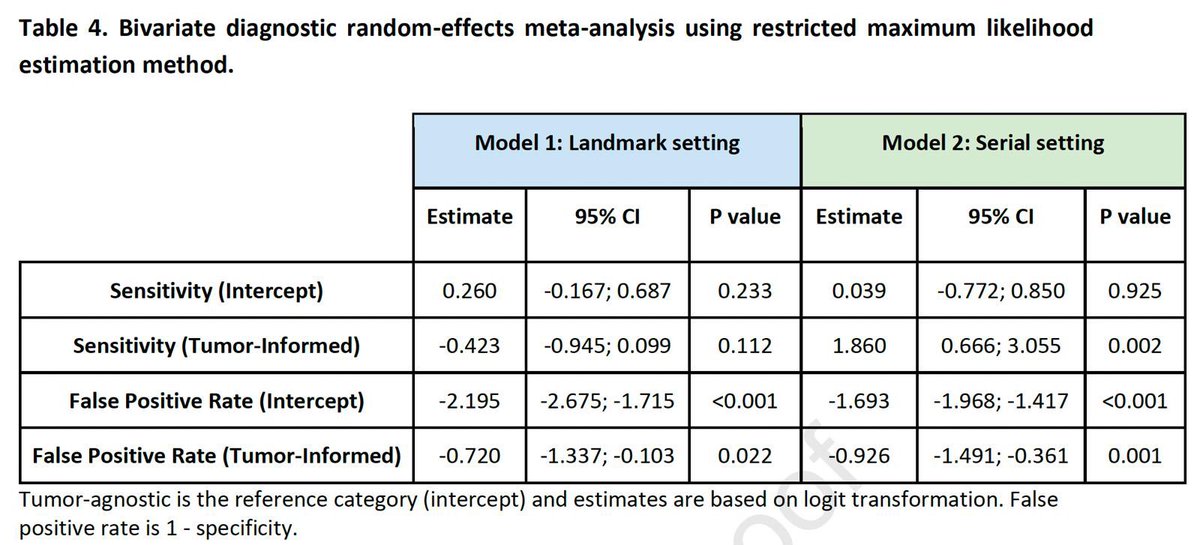
💣 When used at a single timepoint, tumor-informed and tumor-agnostic ctDNA🩸assays show similar performance; however, with serial monitoring, tumor-informed assays clearly outperform tumor-agnostic approaches in sensitivity for recurrence❗️
🔗https://t.co/hmUtEu9H9n
🩸🩸🩸🩸
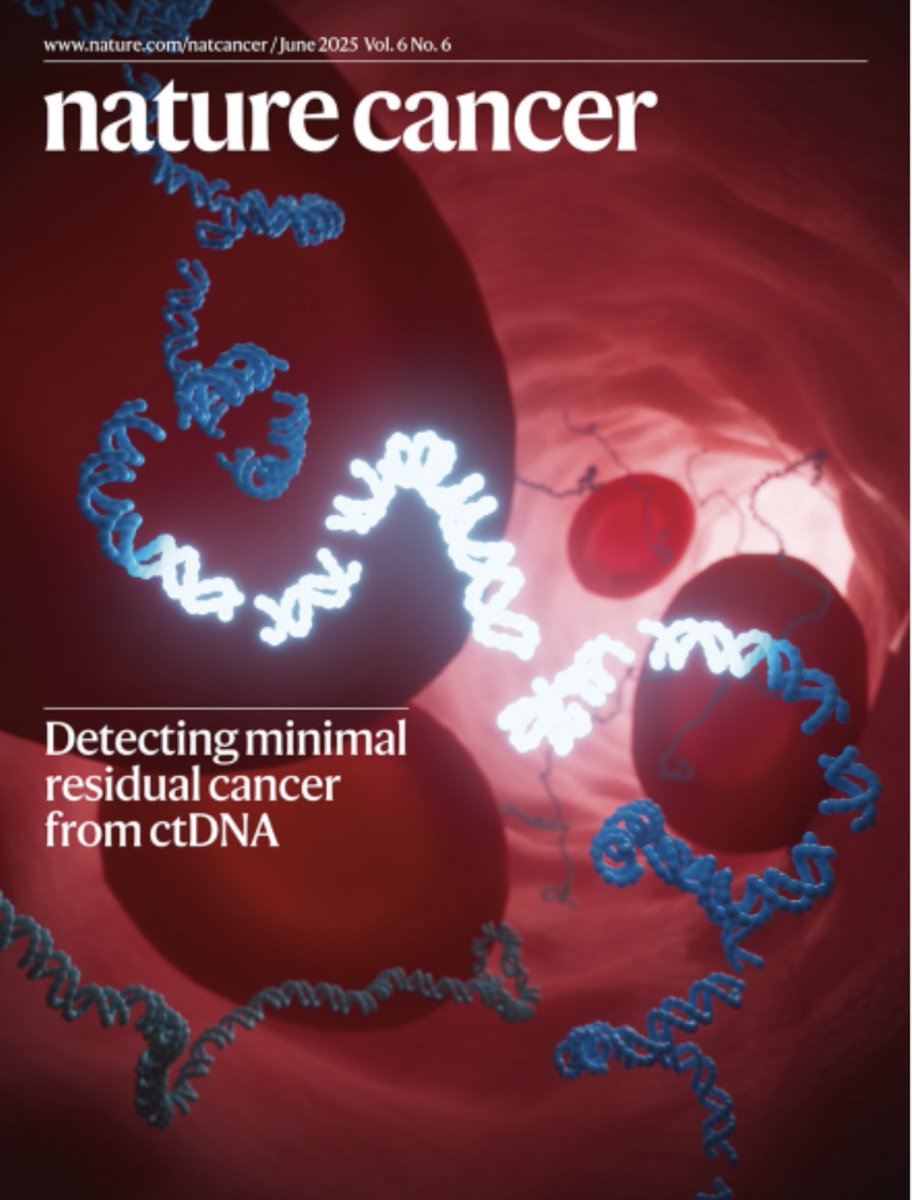
🔥 We got the cover of the June issue of @NatureCancer with our paper! 🌟 A huge honor and a recognition of the team’s hard work.
🔗 https://t.co/IyvDXz7vC5
📄 See https://t.co/l79etJ9lgH
💥Proud of our team for presenting cutting-edge work on ctDNA🩸and tumor-immune profiling in CRC at #EACR2025!
🔬From resistance mechanisms to new immunotherapy strategies - science made in Valencia @incliva_iis 🇪🇸✨
🔝@_belenmartinez@dgcamblor@GarciaMicoB
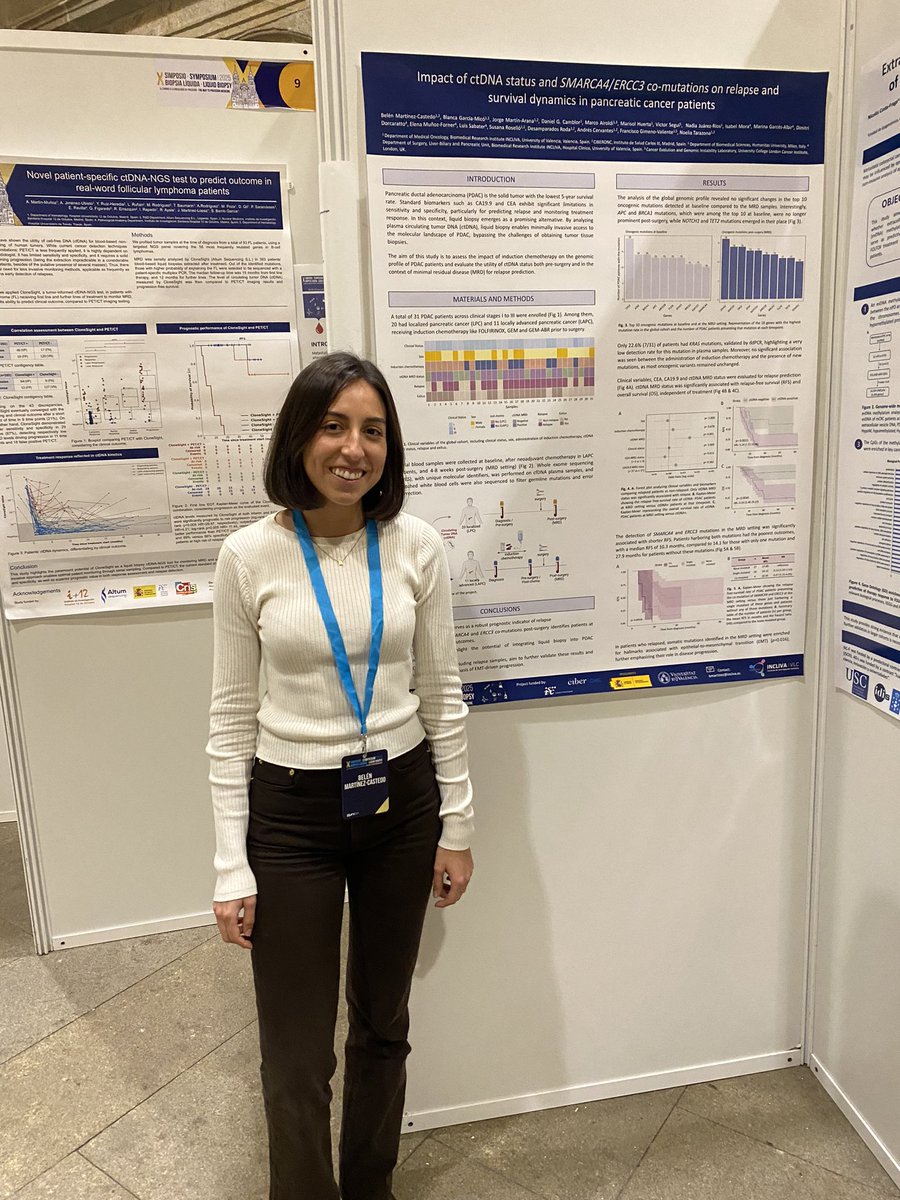
🔥 So proud of @KokeMartin@_belenmartinez@dgcamblor presenting their work at the X Liquid Biopsy Symposium🩸Their research on ctDNA and epigenomics in pancreatic and CRC showcases their talent and dedication. 👏Congratulations on pushing science forward! #SantiagoLiquidBiopsy
La biopsia líquida revoluciona el manejo del cáncer, ofreciendo diagnóstico temprano, monitoreo en tiempo real y tratamientos personalizados.
#BiopsiaLíquida#Oncología
No te pierdas la noticia ⬇️ @CIBERONC @TarazonaNoelia
https://t.co/ipcJp1aEMn
🧠My thoughts after this review by @_belenmartinez@dgcamblor on ctDNA analysis:
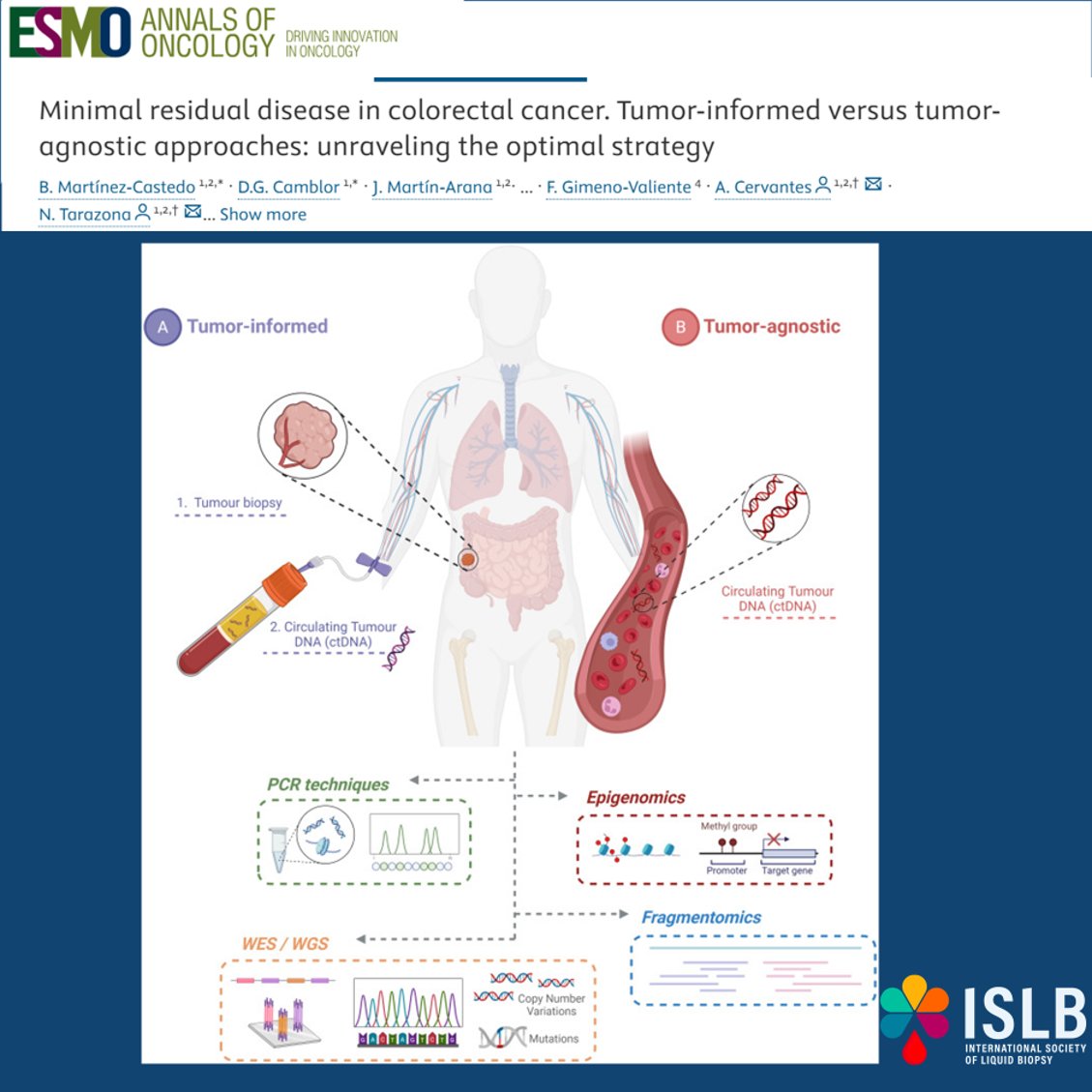
* Tumor-informed assays = higher sensitivity but need tumor tissue.
* Tumor-agnostic = broader use, lower sensitivity. 💡Multi-omics integration is key.
🚨 Just out in @Annals_Oncology!
🌊 Dive into the latest on liquid biopsy for colorectal cancer🩸: What’s the best approach to monitor ctDNA? Tumor-informed vs. tumor-agnostic strategies for minimal residual disease detection.
📄Read here: [https://t.co/qSk5oJbUXi]