A DEVELOPER TAUGHT GIT WITH A BOX OF CHILDREN'S TOYS AND ENGINEERS WITH TEN YEARS IN SAY IT'S THE FIRST TIME THE THING EVER ACTUALLY MADE SENSE
90 minutes, one table, a pile of Tinkertoys. No wall of jargon -- he builds a real Git repo out of plastic rods right in front of you.
-> The moment he snaps the first pieces together, Git stops being scary command-line magic and becomes what it really is: a chain of tiny objects pointing at each other.
Branches, merges, rebase, the staging area -- every concept that's ever burned you at 2am -- he rebuilds with toys until a four year old could follow. He calls Git a two-trick pony. After this you'll see exactly why.
Memorizing commands was never the skill -> holding the graph in your head is. And with an AI agent now committing and rebasing on your machine all day, that mental model is the only thing between you and a history you can't read.
Scroll the comments and you'll see the same thing over and over: this is the talk that finally made Git click and made people the one their whole team comes to when it breaks.
Bookmark & watch it today. It's the 1.5 hours that pays you back for the rest of your career ↓
MIT's ABSOLUTELY FREE Books on AI & ML:
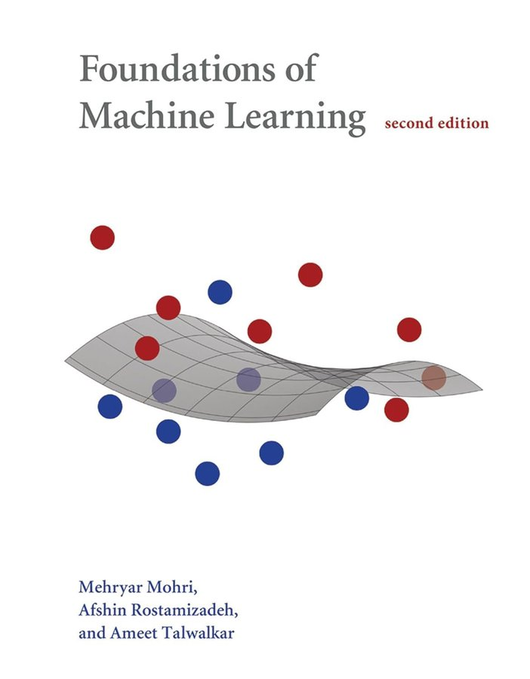
1. Foundations of Machine Learning
https://t.co/78p57EBbL8
2. Understanding Deep Learning
https://t.co/D2oyRrXqcE
3. Introduction to Machine Learning Systems
❯ Vol 1: https://t.co/IezLFJdhDV
❯ Vol 2: https://t.co/NYP3xAPZ6u
4. Algorithms for ML
https://t.co/lntuD4Q19H
5. Deep Learning
https://t.co/vCHVIZQYTI
6. Reinforcement Learning
https://t.co/JNWhFCuCkH
7. Distributional Reinforcement Learning
https://t.co/GXpkV4BDZi
8. Multi Agent Reinforcement Learning
https://t.co/T8zVmQVutO
9. Agents in the Long Game of AI
https://t.co/HeD3Nsm5zz
10. Fairness and Machine Learning
https://t.co/csAjhdf7Lb
11. Probabilistic Machine Learning
❯ Part 1 : https://t.co/5Leef9ypGj
❯ Part 2 : https://t.co/vRbF0rEIuh
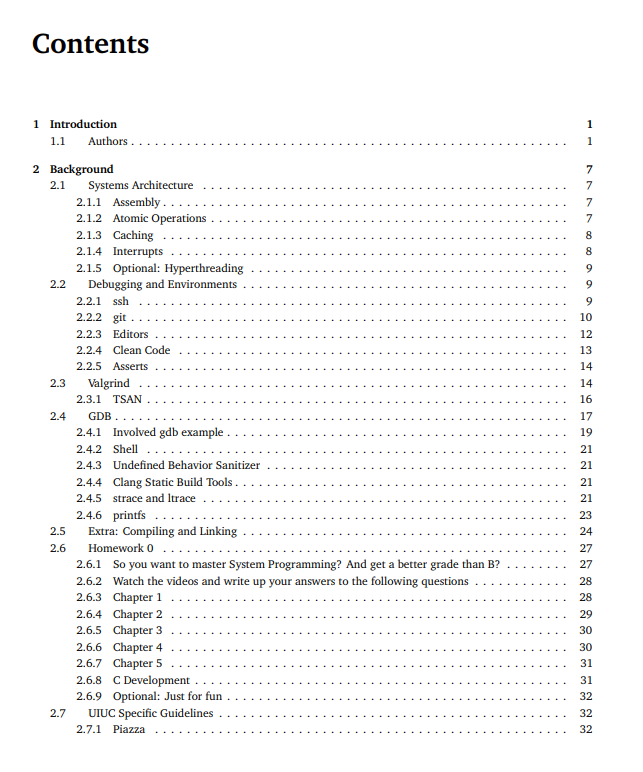
a professor at Illinois got frustrated with existing systems programming textbooks
so he started a wikibook project and had students help write it
it covers C, processes, threads, synchronization, memory allocation, networking, filesystems, scheduling and security
all in one free PDF
it eventually became the official textbook for CS 241 at UIUC with more than 1000 students taking the course every year
written for people who already know how to code and want to understand what actually happens underneath
@FoxNews You should be ashamed to call yourselves “News”.
You merely a mouthpiece for the current US regime. You are not much different from Iran’s or China’s state media.
🖕🏻🖕🏻🖕🏻
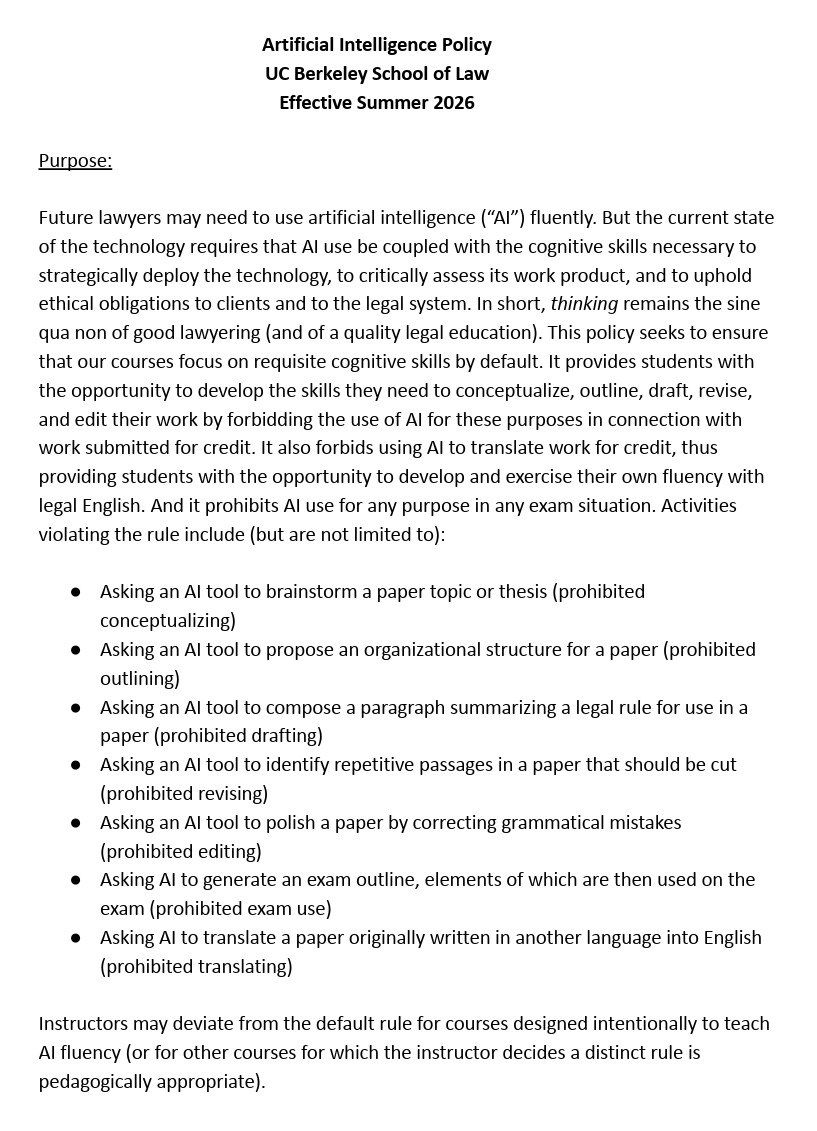
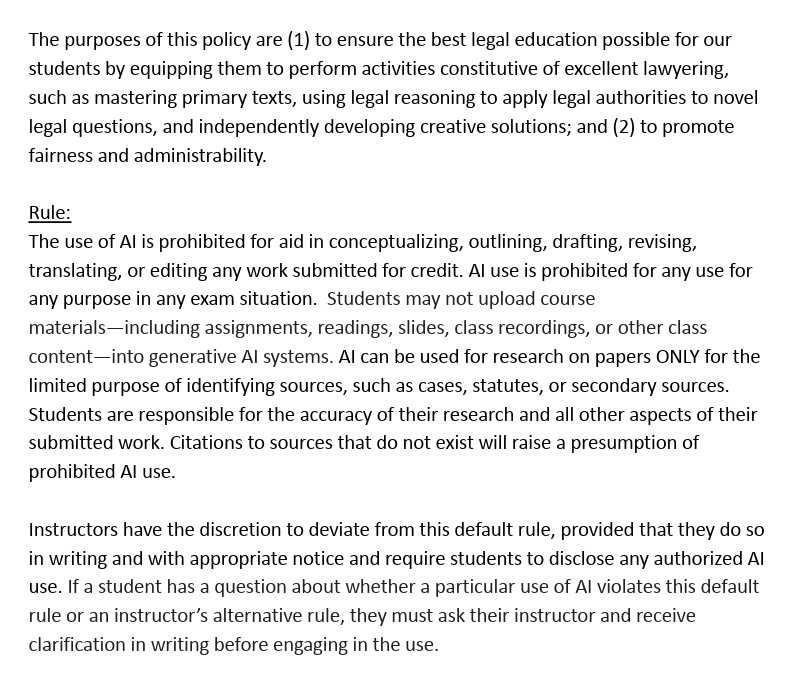
🖥️ The new Artificial Intelligence policy at UC Berkeley School of Law, effective Summer 2026.
📝 Here is the main rule:
"The use of AI is prohibited for aid in conceptualizing, outlining, drafting, revising, translating, or editing any work submitted for credit. AI use is prohibited for any use for any purpose in any exam situation. Students may not upload course materials—including assignments, readings, slides, class recordings, or other class content—into generative AI systems. AI can be used for research on papers ONLY for the limited purpose of identifying sources, such as cases, statutes, or secondary sources."
Major difference in my mind:
- an engineer, given a problem, invents and tries multiple solutions and stops when the solution is good enough. The goal is product innovation and shipping.
- a scientist asks new questions, proposes various new solutions, compares them (sometimes with old ones), and writes about it. The methodology must be sound or else peers will sneer. The goal is scientific breakthroughs and technological progress.
Both can be called "researchers". Many people can do both: these are activities, not identities.
Importantly, most product innovations are built on scientific breakthroughs and technological innovations that happened 2, 5, 10, or 20 years earlier.
The death of the university degree
Here is a question I find myself asking a lot today: does anyone seriously believe that a degree completed in 2026 is the same diagnostic instrument as one completed in 2016, or indeed, any time before chatGPT showed up in 2023? I was reminded of this at the Hay Festival last Friday, where the novelist and Oxford fellow Katherine Rundell spoke of a depressing survey a colleague had given her of student reading at his university. Where 70 per cent of students used to do half of the course reading, now 20 per cent do 10 per cent of the work.
https://t.co/IR4vk39chO
هل نظم التعليم اليوم مناسبة للعالم الذي نعيش فيه؟
ما الهدف من نظام التعليم إذا لم يدرب الطالب على السؤال، وعلى البحث عن المعلومة، وعلى تحدي الإجابات المؤطرة في قوالب جاهزة، سواء كانت هذه اجابات الذكاء الاصطناعي، او اجابات النخب السياسية
#تعليم_وسط_الضجيج
تعليمنا وتعليمهم والذكاء الاصطناعي :
في عصر الذكاء الاصطناعي، تعود المدارس الإنجليزية إلى الورق بدل الأجهزة الإلكترونية.
ابتداءً من العام المقبل، قررت كثير من المدارس الإنجليزية، خصوصاً الخاصة المتميزة، العودة إلى استخدام الكتب والدفاتر الورقية من المرحلة الإعدادية حتى الثانوية، في خطوة تنهي عملياً الاعتماد الواسع على أجهزة الـiPad داخل الصفوف.
جاء القرار بعد دراسات أشارت إلى أن السنوات السبع الماضية لم تحقق التقدم التعليمي المأمول، بل إن نتائج التلاميذ جاءت من بين الأضعف منذ سنوات طويلة.
وبينما تعيد الدول المتقدمة التفكير في أساليب التعليم في عصر الذكاء الاصطناعي، لا تزال كثير من دولنا مفتونة بإدخال أحدث الأدوات التقنية إلى الفصول الدراسية، وكأن التكنولوجيا بحد ذاتها تضمن جودة التعليم.
وهنا تصبح المعادلة بسيطة:
إذا كانت المدخلات رديئة، فستكون المخرجات رديئة أيضا.
فهل نتعلم ونتحسب للقادم بدلا من الجري وراء عالم " الكهارب وترتر ".
التأسيس العميق أم التكديس السطحي؟
إشكالية الحِمل المعرفي في التعليم...من وهم التنوّع إلى هشاشة التمكّن
تضخّم عدد المقررات في #صفوف_التأسيس يشتت عقول طلابنا ويفقدهم إتقان المهارات التي تُبنى عليها المراحل اللاحقة.
الطفل في سنواته الأولى يحتاج إلى ترسيخ القراءة والكتابة ومبادئ الحساب بعمق وجودة. ولهذا نرى كثيراً من الدول المتقدمة تركّز على عدد محدود من المهارات الجوهرية، وتؤخر التوسّع المعرفي حتى يكتسب الطالب أدوات التعلم الأساسية بإتقان.
الإغراق المبكر بالمقررات يؤدي إلى ضعف التأسيس؛ فتظهر لاحقا أجيال تستطيع اجتياز الاختبارات شكلياً لكنها تعاني من التعثر في الفهم والقراءة والحساب؛ لأن البناء منذ البداية قام على الكثرة لا على الجودة والإتقان.
I wish you the most horrible death that any person have seen since the dawn of time you vile pig 🐷.
I also hope that the cancer called “Israel” is eliminated off the face of the earth.
Did you know that if you don't mention AI every 3.7 seconds at Google I/O, security rushes in and escorts you off the stage?
https://t.co/v37s9E2G3y
#googleio#google
Something unexpected, and slightly worrying, is happening.
Ten days ago, I posted a preprint introducing the concept of LLMorphism: the biased belief that human cognition works like a large language model.
The preprint received an unusual amount of attention.
Hundreds of comments on social media and forums.
Reels on Instagram and TikTok.
YouTube videos.
Infographics for students.
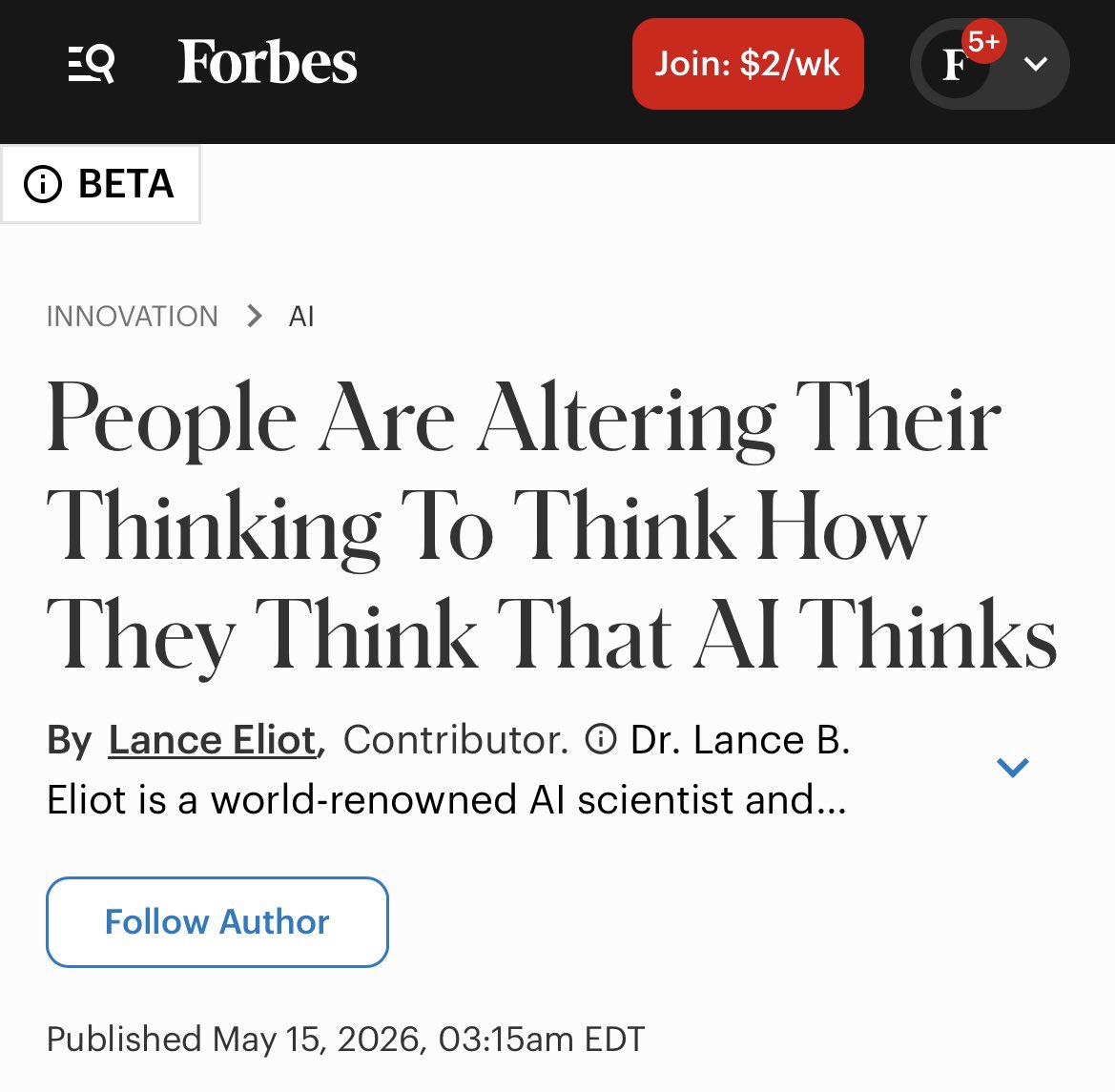
And now it has even made it to Forbes.
It seems that I got some sort of zeitgeist.
Many people were already thinking about this.
Many people had already experienced it.
But they were missing a name and a theoretical framework.
So, here it goes:
LLMorphism is what happens when people start to see themselves as language models.
The psychological mechanism is analogical trasfer combined with metaphorical availability: LLMs become an available metaphor for cognition, and people project that metaphor back onto themselves.
The machine becomes the model of the human.
And this worries me because the risk is not only that we overestimate machines.
It is also that we underestimate ourselves: our embodied experience, our goals, our emotions, our responsibility, and our capacity for understanding.
*
Full paper in the first reply.
«الترجمة لا تستورد المعرفة، بل تُنتج حضارة»
الترجمةُ في جوهرها فعلُ مغادرةٍ للذات لا فعلُ تأكيدٍ لها. غايتُها ليست أن تطمئننا إلى ما نعرف، بل أن تخدش يقينياتنا وتُعرّضنا لـ«الآخر المغاير» في دينه وثقافته ونسقه، فتتزحزح البديهيات وتُستفزّ ملكةُ الجدل. وهي حين تنجح لا تستنسخ الأصل ولا تُذيب المُترجَم في المألوف، بل تُولّد «ثالثًا» جديدًا — معرفة لم تكن في النصّ ولا في قارئه قبل اللقاء — يدفع الفكر والعلم والفنّ قُدُمًا. ومن هذا التصوّر يتبدّل دورُ مؤسسات الترجمة جذريًّا: فهي ليست بوّابةً تَغربل النصوص بمسطرة الأعراف، بل جهازٌ يُدير الاختلاف ويقدّمه بذكاءٍ ومسؤوليّة كي يرتقي الوعي العام.
وبهذا المعيار تبدو حصيلةُ العرب مفارقةً صارخة: نحو خمسمئة إلى ألف كتابٍ مترجَم سنويًّا لأكثر من خمسمئة مليون إنسان، بينما تترجم إسبانيا وحدها أضعافَ ذلك لأقلّ من عُشر هذا العدد. والخلل هنا ليس عَطَبًا واحدًا يُصلَح منفردًا، بل بنيةٌ تردّ في عمقها إلى ثلاثة محاور متعاضدة: سوقٌ لا تُكافئ المخاطرة، فتدفع الناشر إلى العنوان الآمن تجاريًّا وثقافيًّا وتجعل تشظّي الأسواق وضعفَ الحقوق وتوجّسَ الرقابة روافدَ تصبّ كلُّها في النفور من الترجمة عالية الكلفة؛ وطلبٌ قرائيٌّ ضامر تُنتجه مدرسةٌ امتحانيّةٌ تُخرّج ممتحِنين لا قُرّاء، فيضيق المتلقّي الذي يُسوّغ المغامرة أصلًا؛ وفعلٌ موسميٌّ بلا نظام، تتركه السياساتُ المتقطّعة ومهنةُ المترجم غيرُ المحمية رهينَ الحماسة العابرة لا الاستدامة. والقاسم المشترك أن الندرة ليست قَدَرًا ثقافيًّا، بل نتيجةُ غياب بنيةٍ تحتضن الفعل وتُديمه.
ولأن المشكلة بنيويّة، فالعلاج لا يكون بحماسةٍ متقطّعة، بل بتحويل الترجمة من «موسمٍ» إلى «سياسة»: تمويلٌ طويل الأمد يضمن الاستدامة لا المناسبة، وتحالفُ توزيعٍ عابرٍ للحدود يكسر تشظّي السوق، وشراءٌ مؤسسيٌّ شفّافٌ من المكتبات والجامعات يصنع طلبًا مستقرًّا، ومعاييرُ مهنية عادلة وبنوكُ مصطلحاتٍ تخفض كلفة الإتقان، وقنواتٌ رقمية قانونية تُزاحم القرصنة، وإبرازٌ لاسم المترجم يبني الثقة بالمهنة — يجمعها كلَّها مؤشراتُ قياسٍ سنوية، لأن ما لا يُقاس لا يُدار. وحين تُدار الترجمةُ على هذا النحو يتبدّل معناها كلّه: لا تعود استيرادًا للمعرفة فحسب، بل إنتاجًا لحضارةٍ قادرةٍ على أن تُحاور وتُضيف، لا أن تتلقّى وتكتفي.