One of our earliest experiments in interfaces was Ted (the Ted @markwahlberg was crazy about for a while). 👀
Having a bear at home interacting with you seemed like the next obvious step.
We figured if an interface was going to be ambient and always available, why should you have to look at a screen or say a wake word at all?
So we put motors inside a teddy bear. Joints, shoulders, arms, hands. You could talk to him, and he could respond physically. Put your hand out and Ted would shake it.
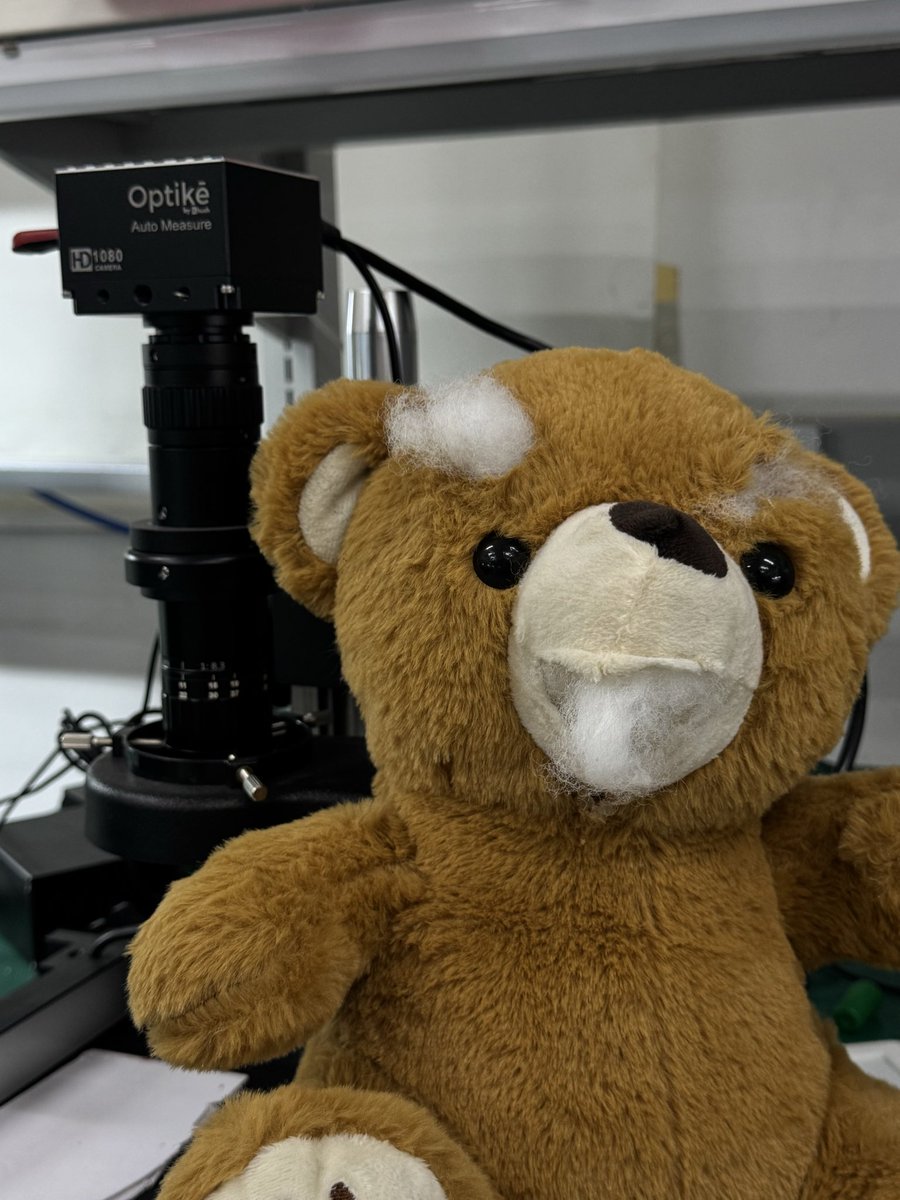
This involved opening him up repeatedly to fix motors, reroute things, and make adjustments. Teddy bears, it turns out, have fairly low tolerance for hardware iteration.
His neck is now mostly stuffing. One ear is on its way out. And the former motorized interface is currently sitting on an AC remote.
This is what's left of him.🧸
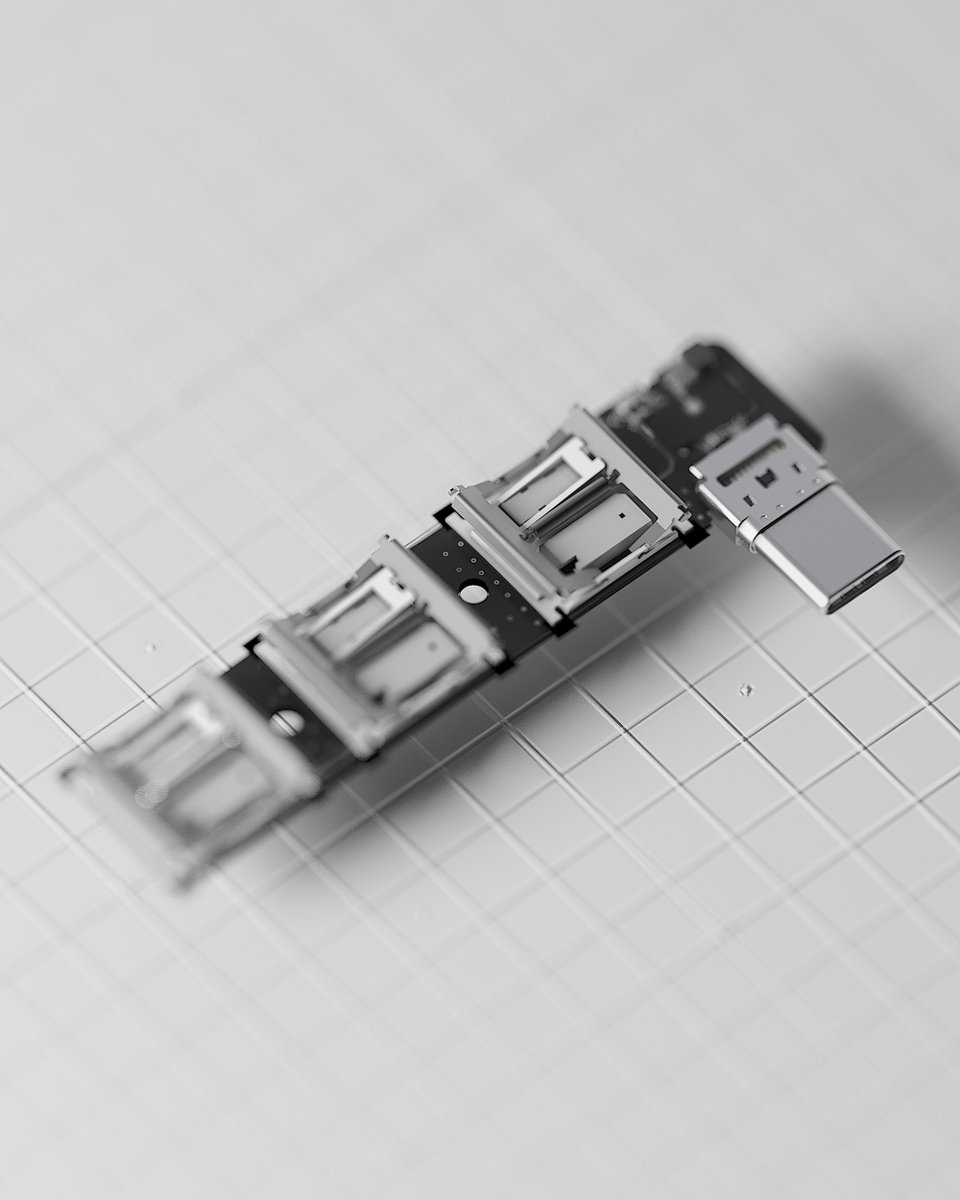
“What if we just put three buttons on the desk?”
“Three buttons for what?”
“Everything.”
That conversation captures a lot of what we have been experimenting with at our HCI lab for the past year.
The form of the interface has changed quite a bit. The questions we're trying to answer haven't.
Looking back, it's pretty incredible how far that one idea has taken us.
And now, we're getting closer to sharing Aina with the world. Same obsession, much much bigger ambition.
From three keys on a desk to Aina. Quite a lot has happened in between.
Cntd. in thread..
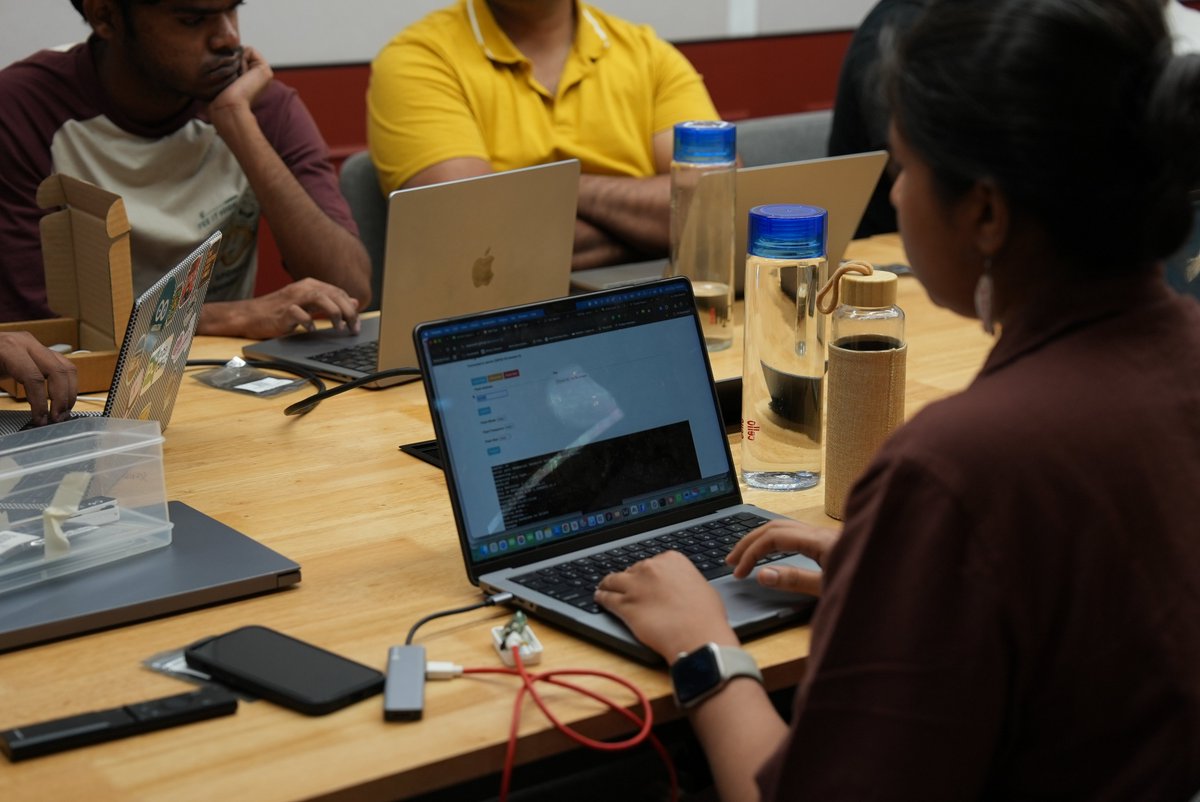
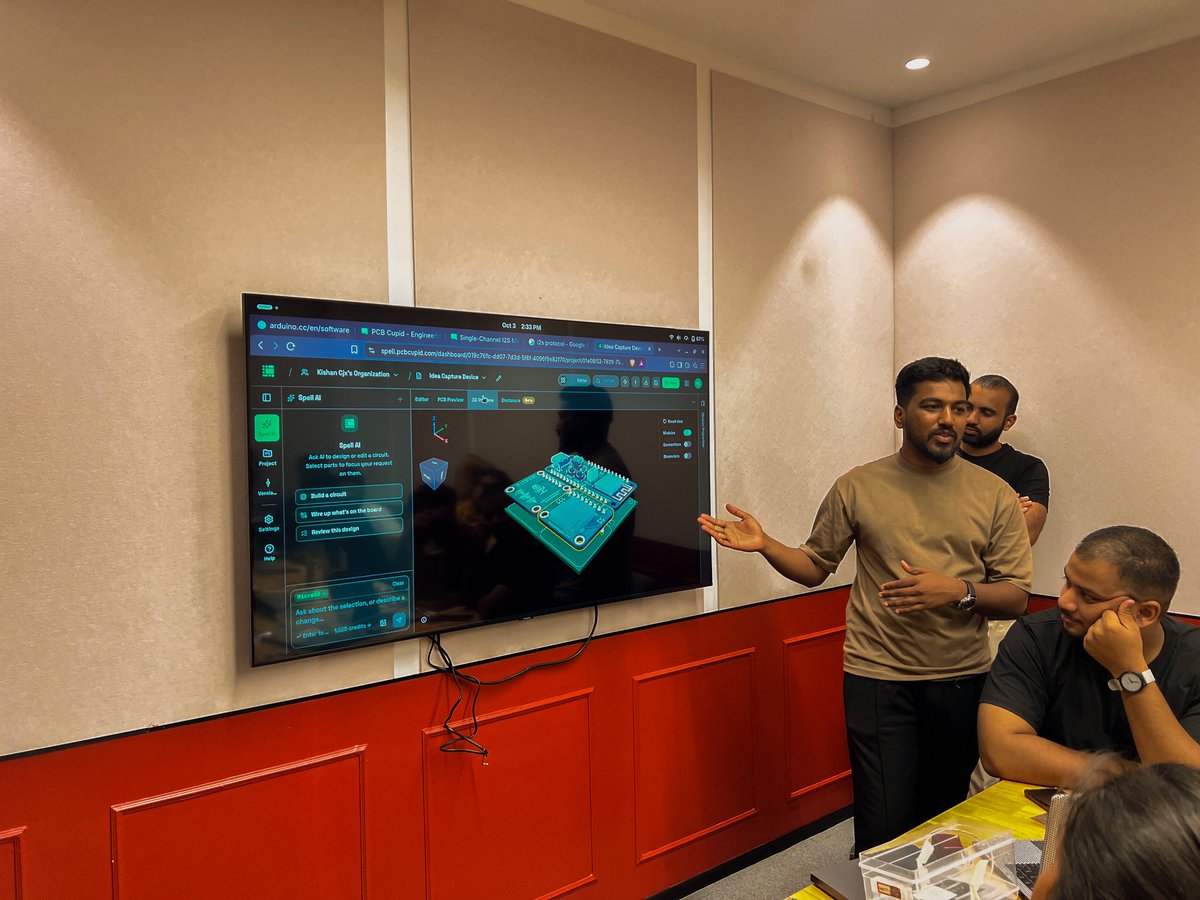
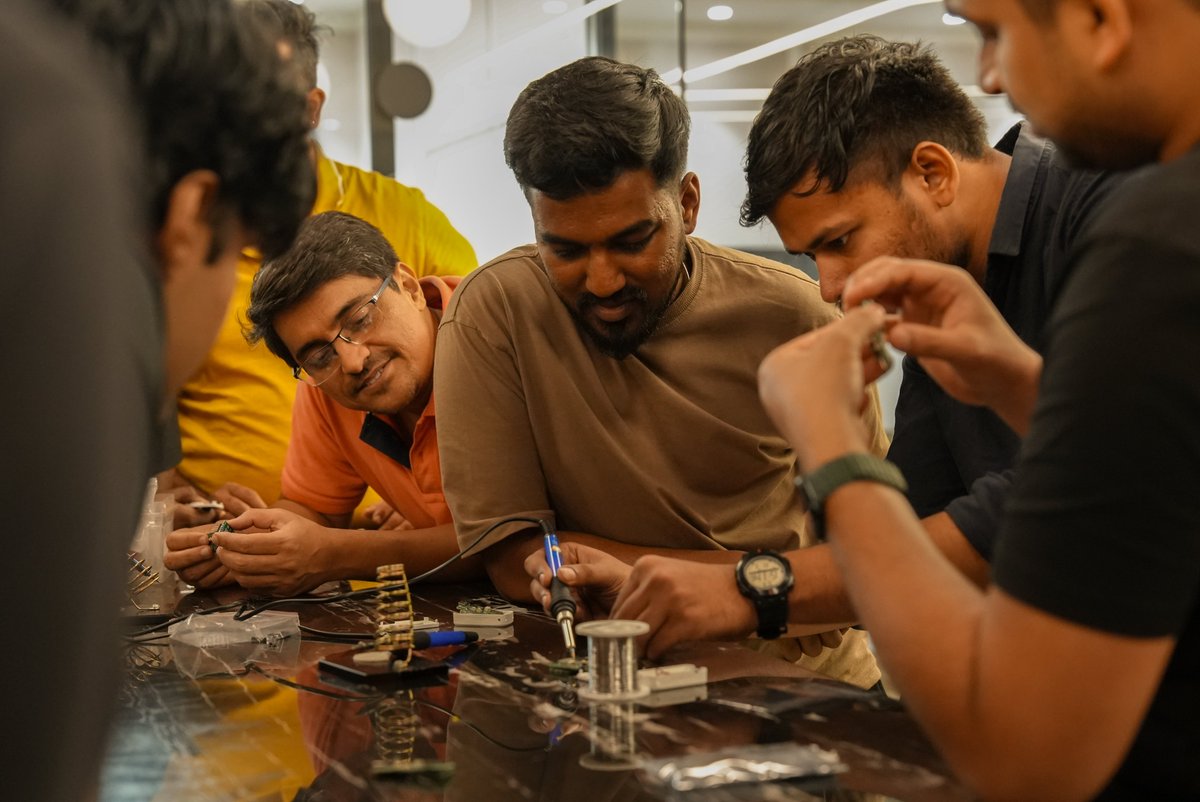
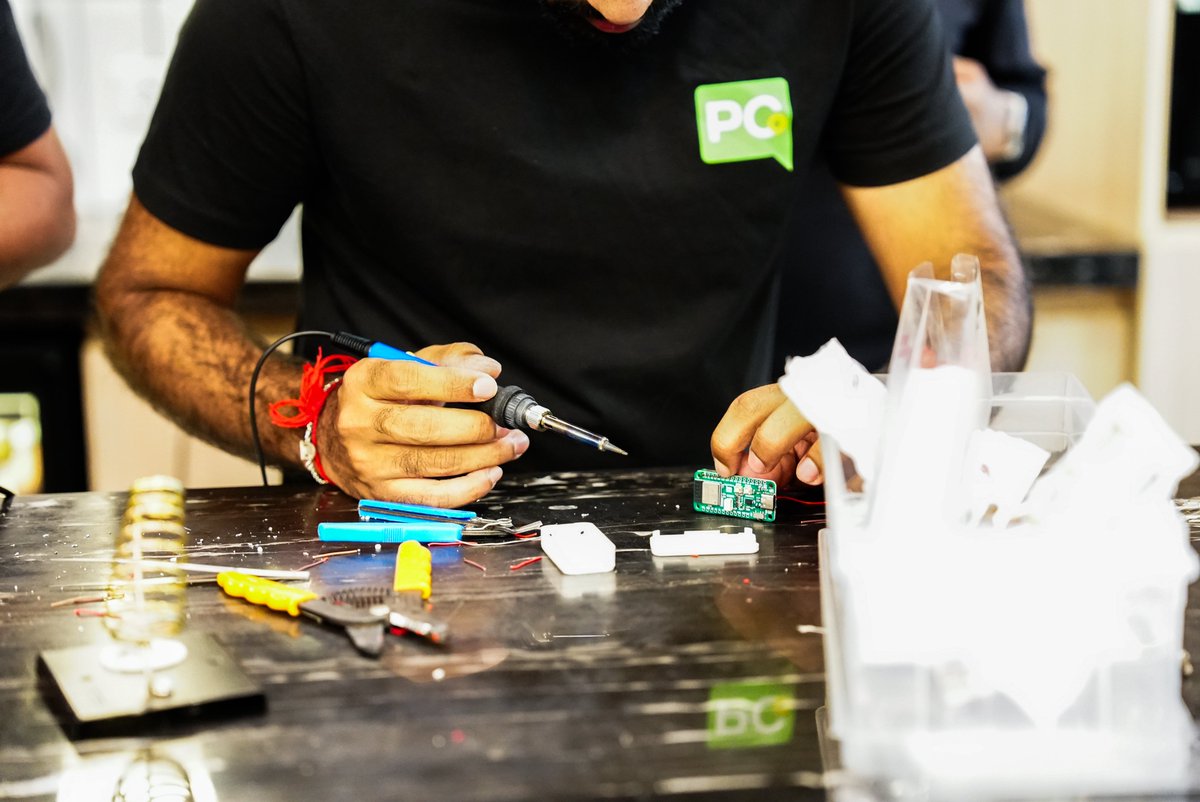
This was so much fun. 20 people, 4 hours, and everyone walked out with a wearable they soldered and flashed themselves.
Thanks for having me @Ayussheth .
last sunday, 20 of us built pocket, neo-sapians like wearable in 4 hours.
- learnt power, compute, sensors
- then how it all fits in a pcb
- soldered all of it together
- flashed the firmware
- used AI to build on top of it
learnt so much about how consumer hardware goes from idea to prototype to manufacturing to a product on shelf.
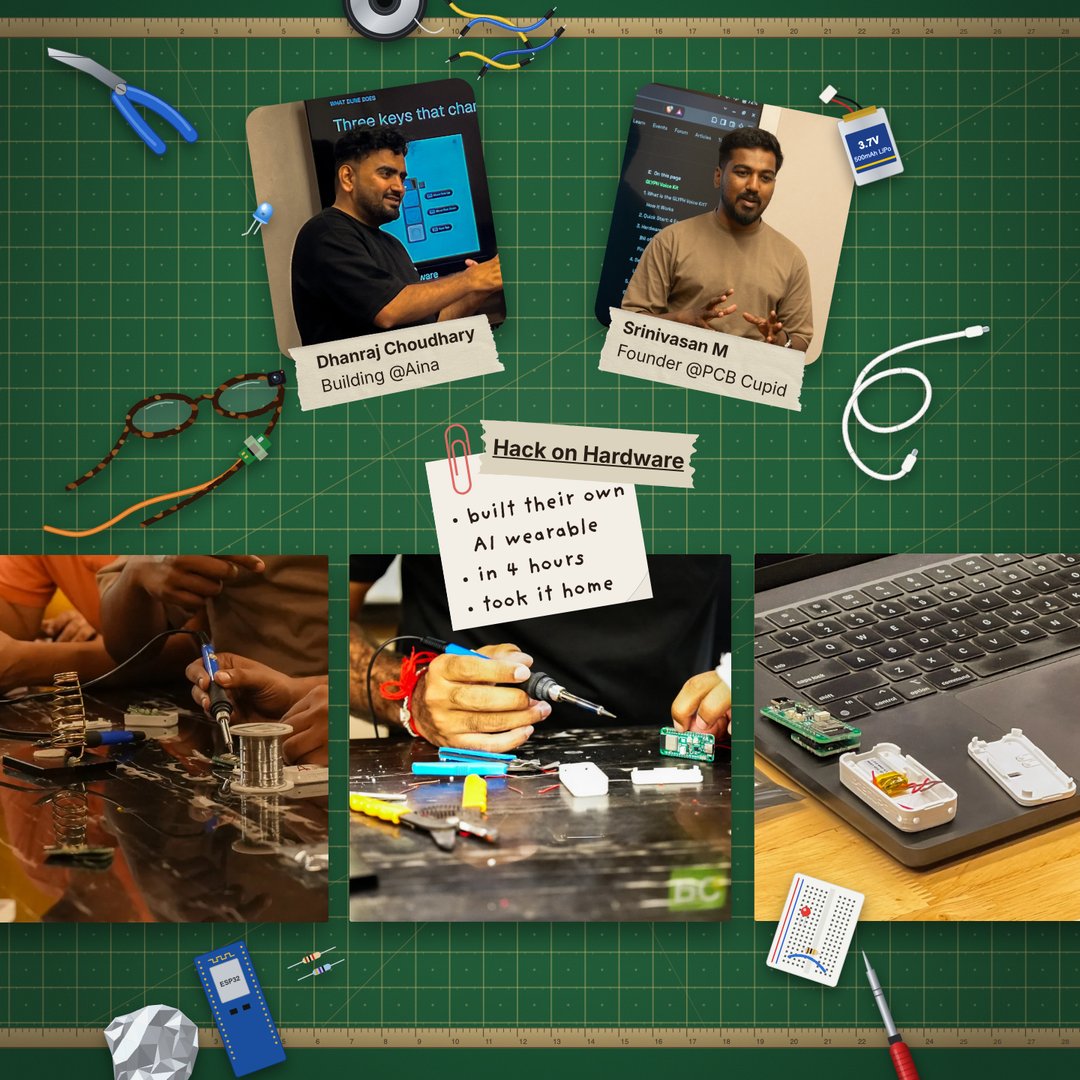
massive thanks to @buildwithsrini (founder @PcbCupid) as well as @_dc_dhanraj (head of hardware @AinaInterface)
before you ask-
yes, we're doing one again. we know how many of you'll wanted to attend last time but we were sold out
link to register below 👇
Here's what went down last weekend 💙
Hack on Hardware: @buildwithsrini & @_dc_dhanraj got folks to build their very own AI wearable device in 4 hours and everyone took theirs home.
RSVP for the next one: https://t.co/1Q6a6SCjrP
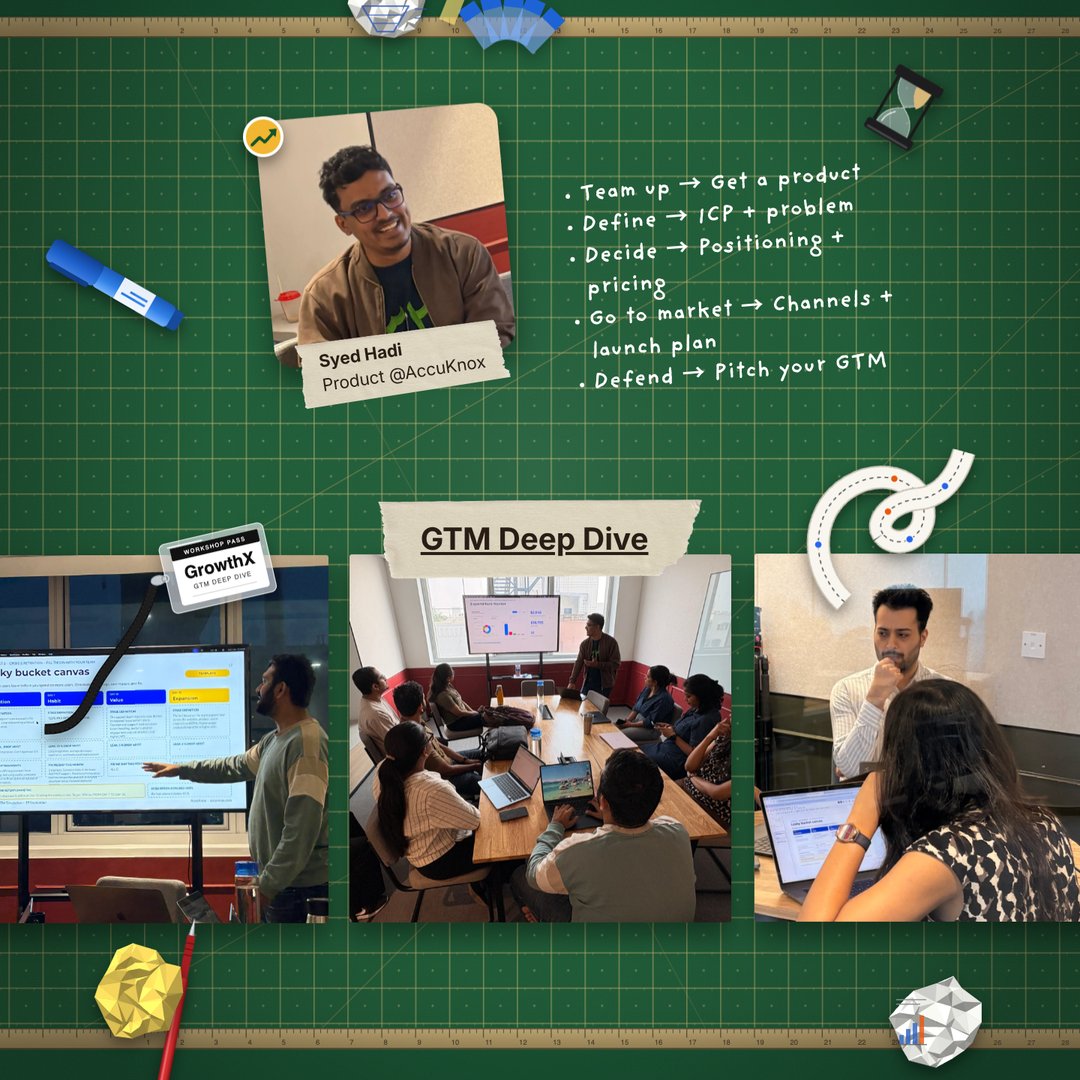
GTM Deep Dive: @hadireza14 had the room split in teams, run GTM on products and defend their strategies. Interested in GTM?
Check out: https://t.co/IcRwnbuhXx
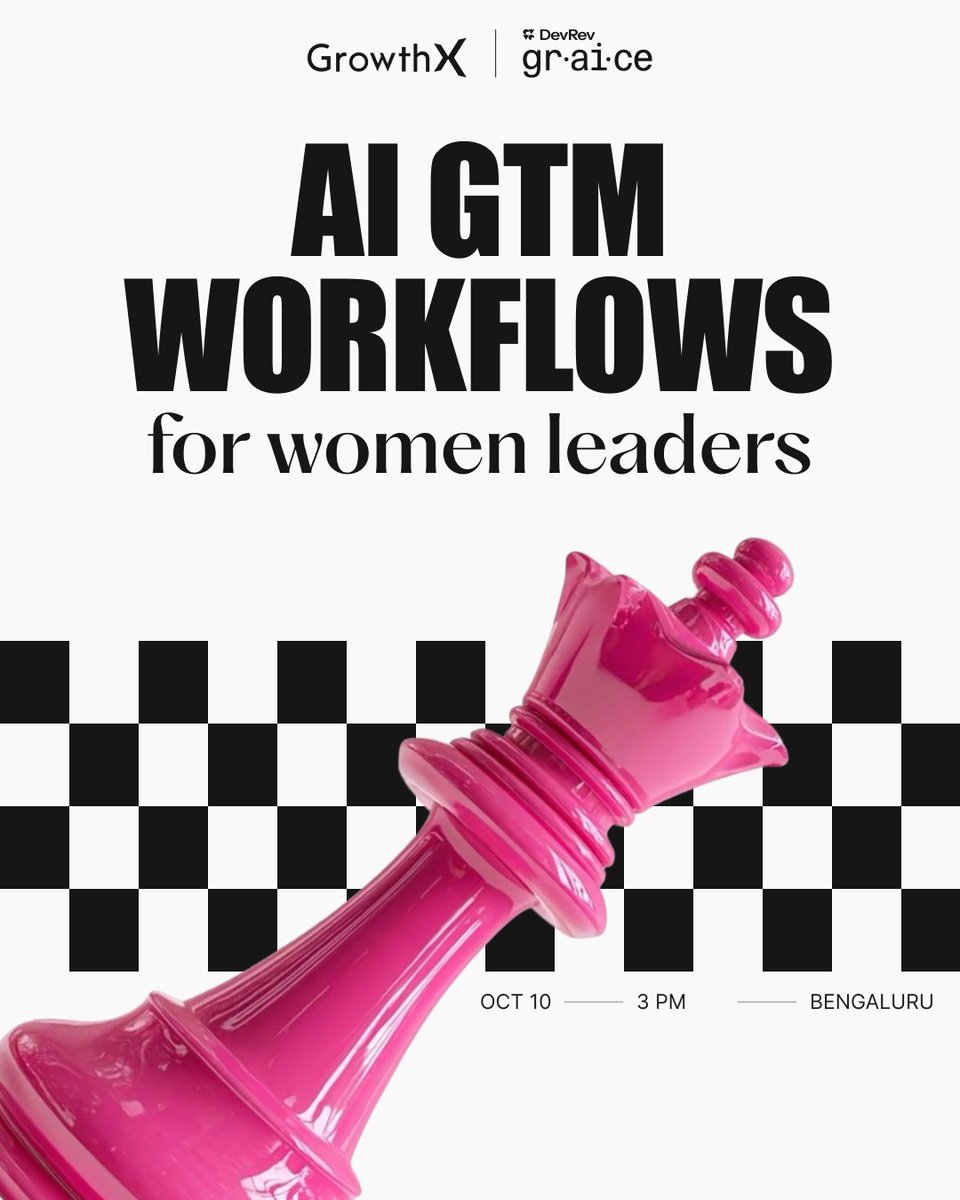
Women in GTM: build an AI workflow you can put to work.
@devrev gr•ai•ce x @GrowthX_Club are hosting a hands-on session led by Saniha Rai and @snehalnawal.
From account intelligence to deal strategy and sales assets, leave with one tested workflow ready to use.
📅 10 October
📍 Bengaluru
Apply below 👇
A hardware demo proves it can work. The real test: can people set it up, keep it connected, and recover when it fails? What overlooked detail makes or breaks a device?
#Hardware#IoT#ProductDesign
@theSamPadilla@eidon_ai Open-sourcing the work is a generous way to close this chapter—the postmortem makes an important distinction: a strong thesis isn’t the same as a sustainable business. In robotics data, what proved hardest: collecting it, making it repeatable, or finding customers willing to pay?
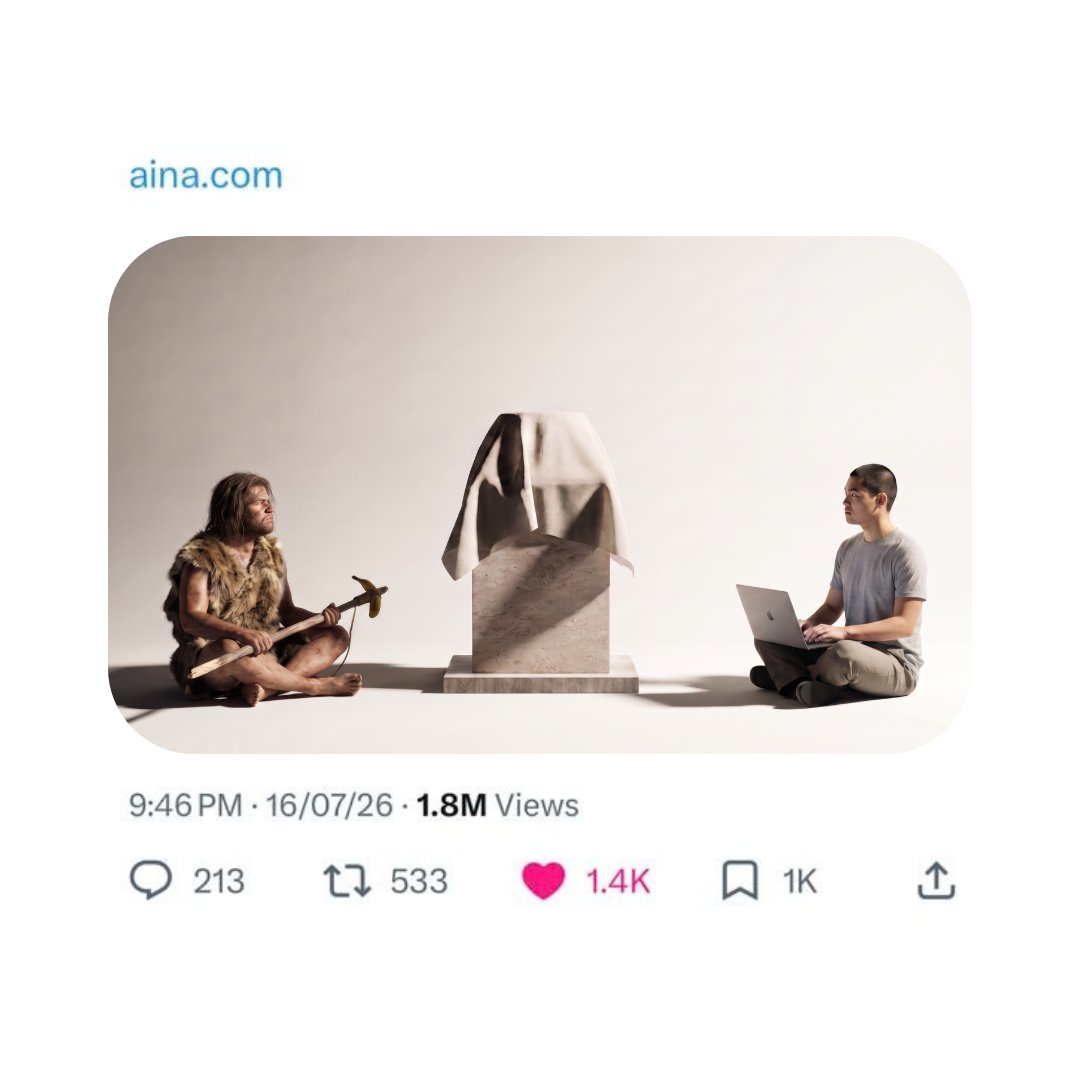
On July 16, we announced our $5.5M seed for Aina after nearly a year of building in stealth. It was built around a thesis we've been working toward since July last year.
“Keyboards and phone touchscreens were designed for the era of Browsing. We'd think of what we need, unlock a device, navigate, find an app, type or tap, and execute the task.
With AI and agents, we just say or write what we want, and it gets done. The browsing step disappears entirely.
Soon, AI assistants will deepen their understanding of our context, calendars, and activities. They'll become proactive and suggest what we need, and all we'll do is say yes. Much of our day-to-day will be handled this way.
We call this the era of Approvals."
The world of software has changed. The hardware interface hasn't. We are still using an interface designed for Browsing when Browsing isn’t needed.
Today, with Agents like Muse, Instinct, and Dot changing how we manage daily tasks, it’s becoming evident that our interaction with computers has significantly changed, and we are heading towards the age of approvals. We need a better way to interact with assistants/computers than pulling out our phones and texting.
That was the idea behind the video we made for our funding announcement, which reached 1.8M views, leading to thousands of signups for Aina’s Pilot.
Aina’s Pilot is live, the first few units have been shipped, and we will keep sharing more on our Thesis and the product decisions that led us here as we get closer to announcing what we have been building.
Almost there!
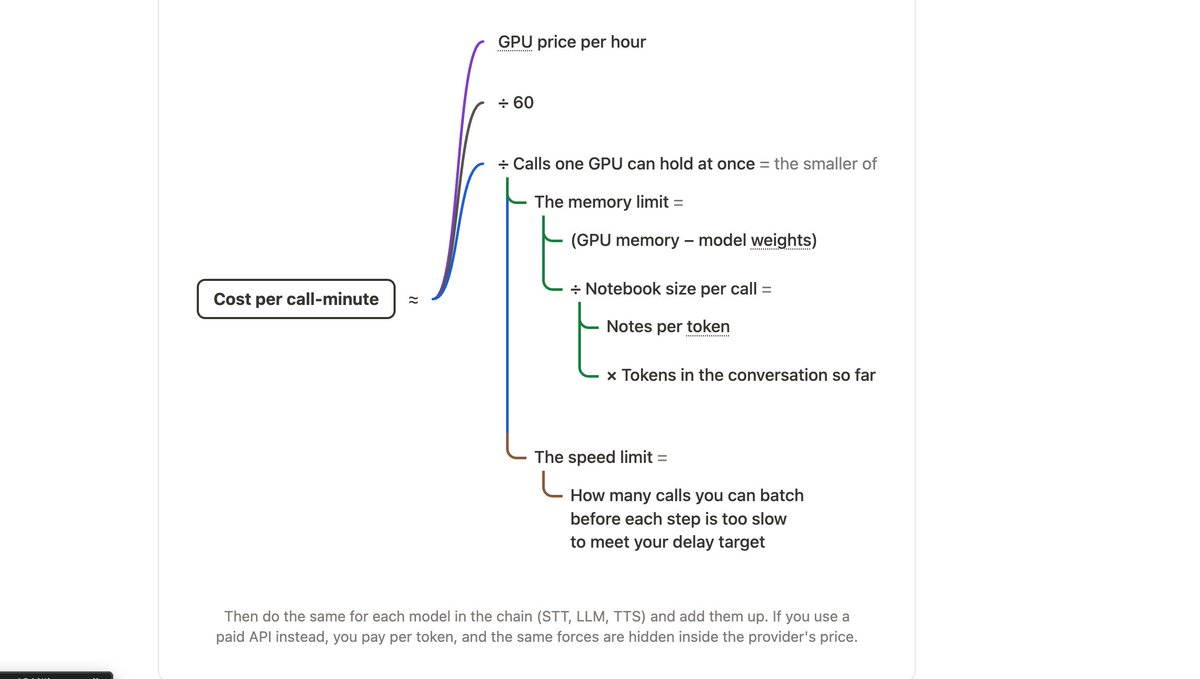
voice ai inference 101
everything you need to know about voice ai inference - costs, quality & latency.
i spent the last month reading tens of research papers, watching even more videos, speaking with researchers & engineers. got so into it that I decided to organise an event around it.
https://t.co/oNP8Oxb0g6
research on tap. bring 12 researchers into a room, pick a problem and discuss the research papers that could help solve it.
throughout the article, i’ve brought in practical notes from the people working on these systems, connecting what the research says with what’s actually happening on the ground.
the article format is how i like to understand systems. input levers and output.
whether it's growth, marketing, product or tech. it's how i wrote the whole 100 Days of Careers series: the output metrics are what you want, and the input levers are what you can change to get there.
enjoy!
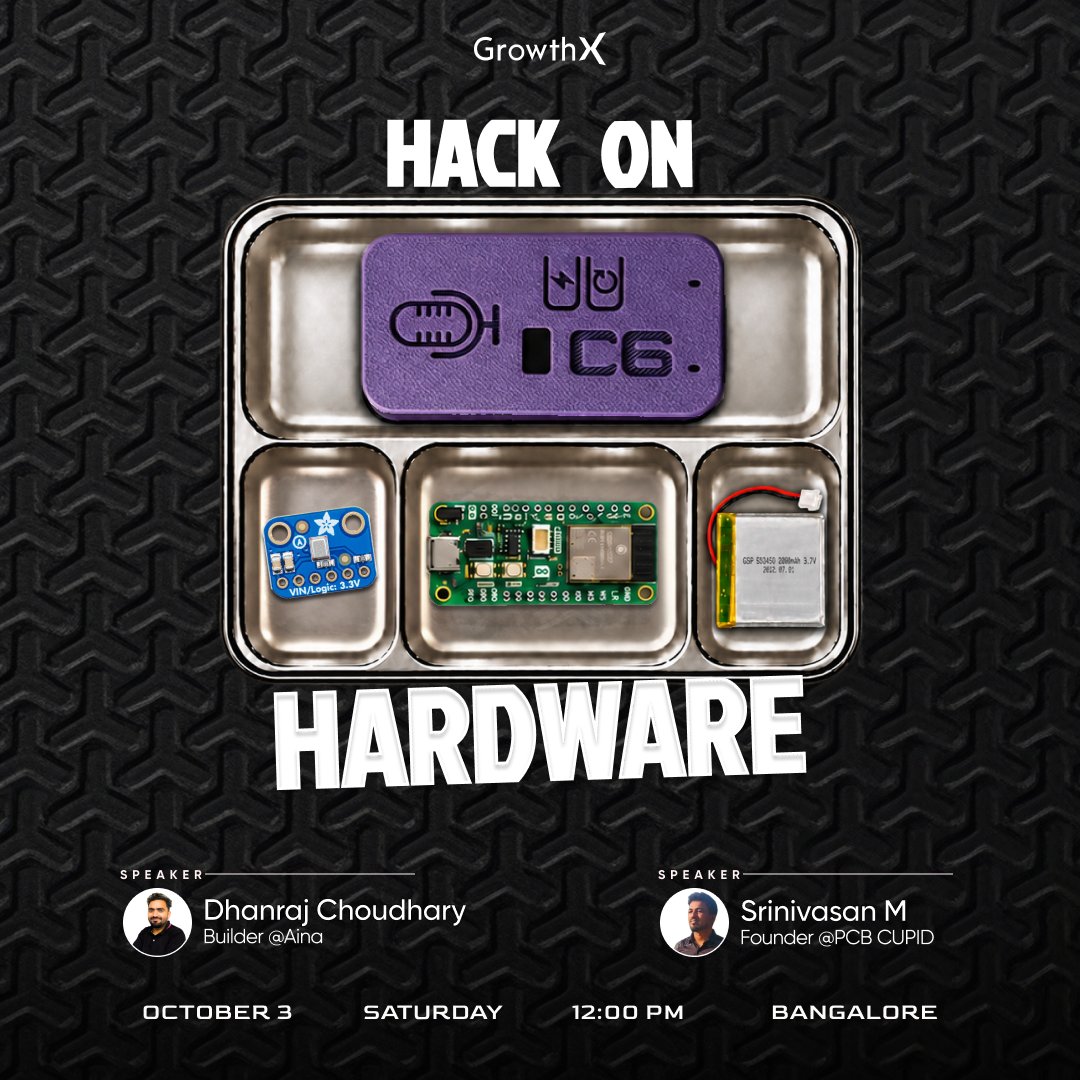
If you've ever wanted to build hardware but didn't know where to start, come to this one.
I'll share what we've learned building Aina, from prototype to production. Then you get your hands on a board and build.
Oct 3, 12 PM, Bangalore. Thanks @GrowthX_Club for having me.
We’re hosting our first edition of Hack on Hardware: Build an AI wearable in 4 hours @GrowthX_Club
Focused on consumer-grade hardware, covered by @_dc_dhanraj from @AinaInterface.
Plus a workshop on building your own wearable AI by @buildwithsrini from @PcbCupid.
More info👇