New paper from lab- Functional restructuring of the global soil microbiome under multiple stressors- in @NatureComms
Across global terrestrial ecosystems ~60% of all functional genes significantly shift when microbes experience high multiple stressors.
https://t.co/h7hdzc4ngn
I am thrilled to share that I will start my lab in the Department of Biological Sciences at Louisiana State University (LSU) this August!
🚨 Recruiting postdocs & Ph.D. students
🌱 Plant signaling | Autophagy | Stress granules
Feel free to reach out or apply!
🔁 RTs appreciated!
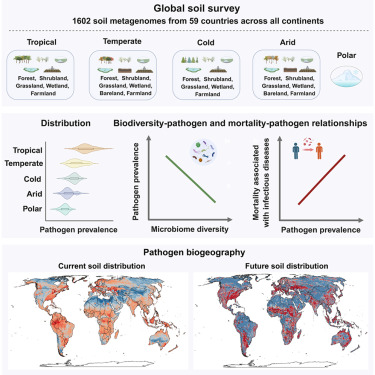
Our new paper in @cellhostmicrobe include
1. a global atlas of human bacterial pathogens in soils
2. Soil biodiversity negatively linked with human pathogens
3. Many pathogens to increase in future climates
4. Positive link between pathogens & mortality
https://t.co/RKcZPGJG5A
Hearty congratulations to Dr. Akanksha Singh and her team on the acceptance of their research titled “First Comprehensive Whole Genome Analysis of Plant Growth-Promoting Endophytic Bacterium Micrococcus luteus ASd6…” in the Journal of Plant Growth Regulation. 🌿
The study provides valuable genomic insights into plant growth-promoting endophytes and highlights their role in enhancing the productivity of medicinal plants.
🔗 https://t.co/fmLTJFKT1v�
#ScientificAchievement #PlantResearch #CSIR #GenomeAnalysis #MedicinalPlants #Innovation
@CSIR_IND@DrJitendraSingh@DrNKalaiselvi@zabeerahmedb
📣 Bursaries available for drought resilience research
Are you a PhD or master’s student looking to make a real impact on agriculture? Or know someone who is?
The #WADroughtHub is offering a small number of bursaries of $5,000 to $25,000 to support students to include an extension component in their drought resilience research in 2025/26-2026/27.
Applications close 30 April.
🔗 Learn more and apply: https://t.co/8fEElvF67E
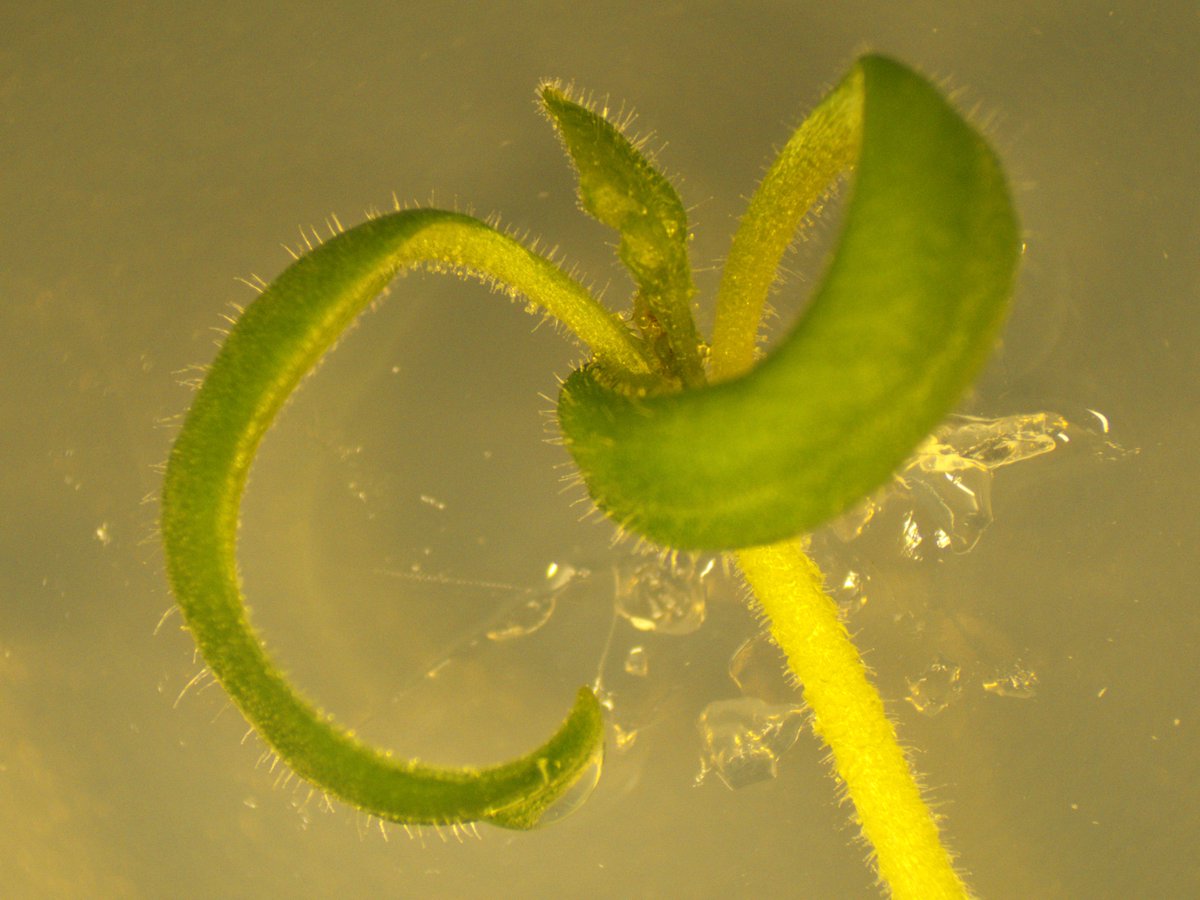
We grow plants in the lab every day. It empowers our cell & molecular biology studies.
From today, as Day 1, I will show some of the plants we grow in the lab everyday and we are so grateful for the wonderful biological system.
Image: Tomato🍅leaf with visible trichome.
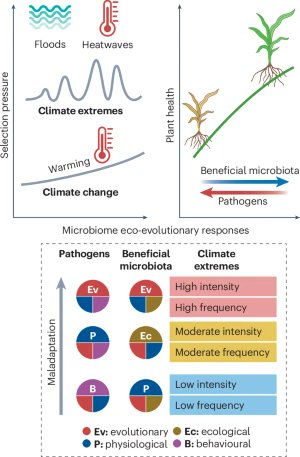
New paper from lab-Impacts of climate extremes on plant pathogens, microbiomes and plant health-
in @NatureRevMicro
https://t.co/FPUbmu8gGt
led by @Dr_ChaoXiong
'New approaches to mitigate plant disease risks by harnessing microbiomes and metabolites under climate extremes'.
🚨 New from the lab!
In this preprint, we show how the clubroot pathogen Plasmodiophora brassicae uses a PBS3-like effector (PbGH3) to hijack plant hormone signalling and reshape root development during infection 👏
We found that PbGH3 acts as a structural and functional mimic of the immune enzyme AtPBS3 (GH3.12), evidence of the evolutionary relationship between the clubroot pathogen and Brassicas 🥦
This study is now under review 🤞
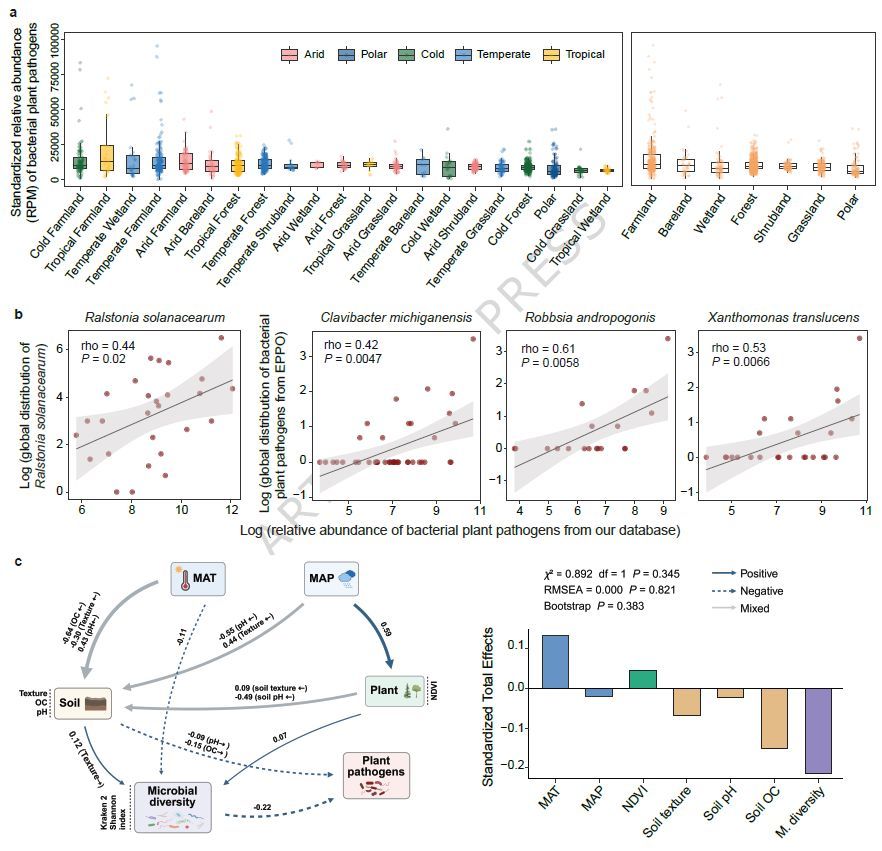
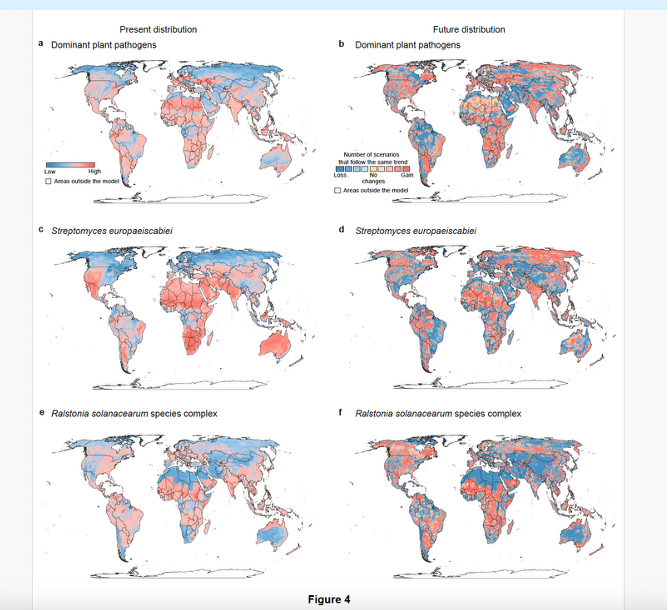
In a new paper in @NatureComms - we
1. provide first global map of dominant bacterial plant pathogens
2. show microbial diversity, SOC, some Streptomyces, AM fungi associated with low pathogen prevalence
3. Many pathogens to increase under future climates
https://t.co/aprRIwe8Yq
New paper from the lab-
Responses of Root Microbiome and Metabolome Are Linked to Crop Disease Severity' -
Alkaloids, triterpenoids & polyketides metabolite showed links with microbes known to influence host immunity & stress adaptation @ayomidefadiji
https://t.co/0DrMRPUUbP
#Researchexplained@AvikKumarPal1 and team from @shivaprasad_pv 's lab reveal a hidden regulatory layer in rice seed tissue: when a gene-silencing machinery fails, certain gene expression goes off track, affecting grain development and quality
🔗 https://t.co/qojCmhoSnj
A 2-year postdoc position is open in my group at the @igz_leibniz ! Explore heat stress adaptation in tomato plants. Join us at the IGZ! 🌱🍅 🌡️
https://t.co/WHo2OGGg98
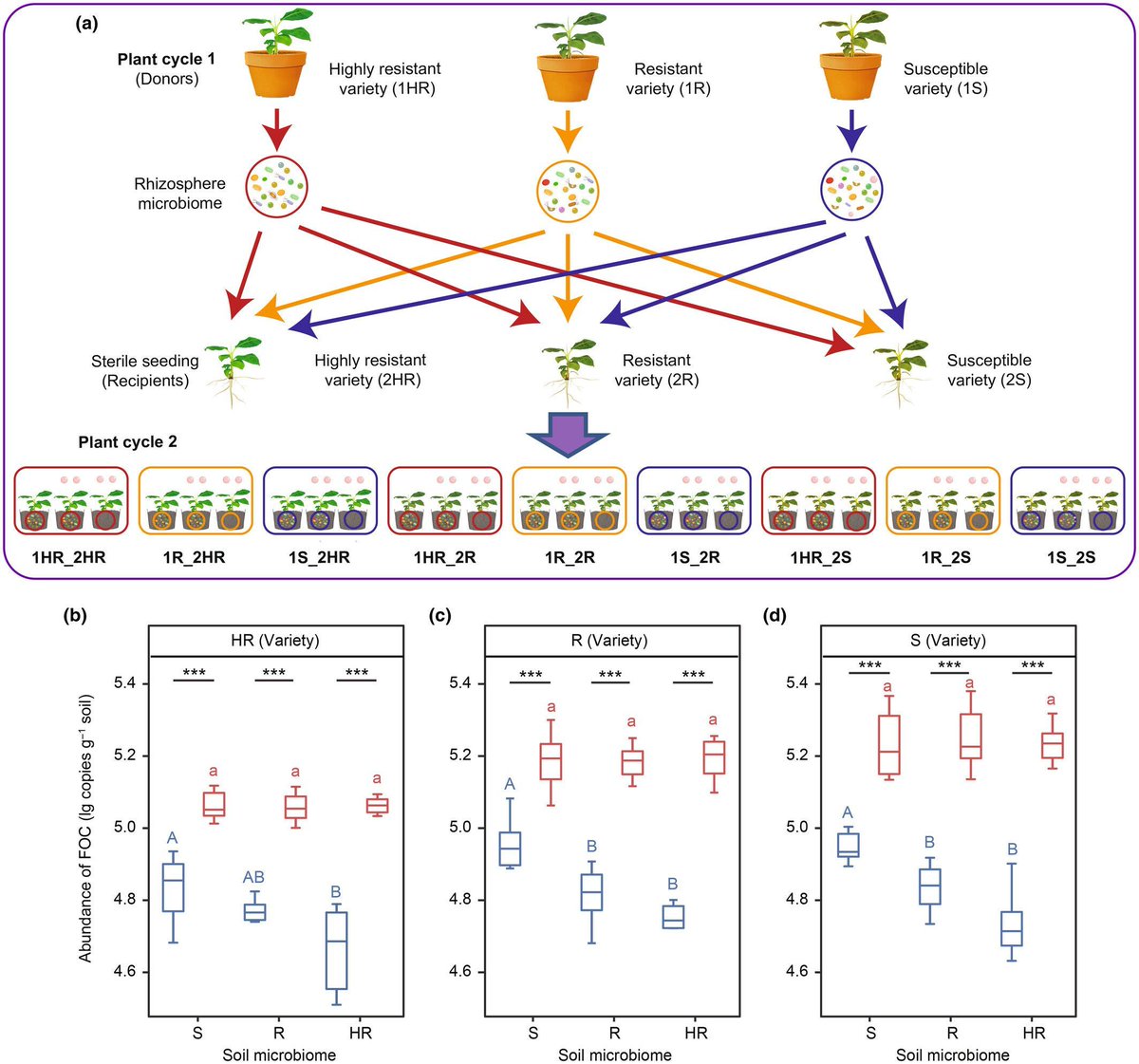
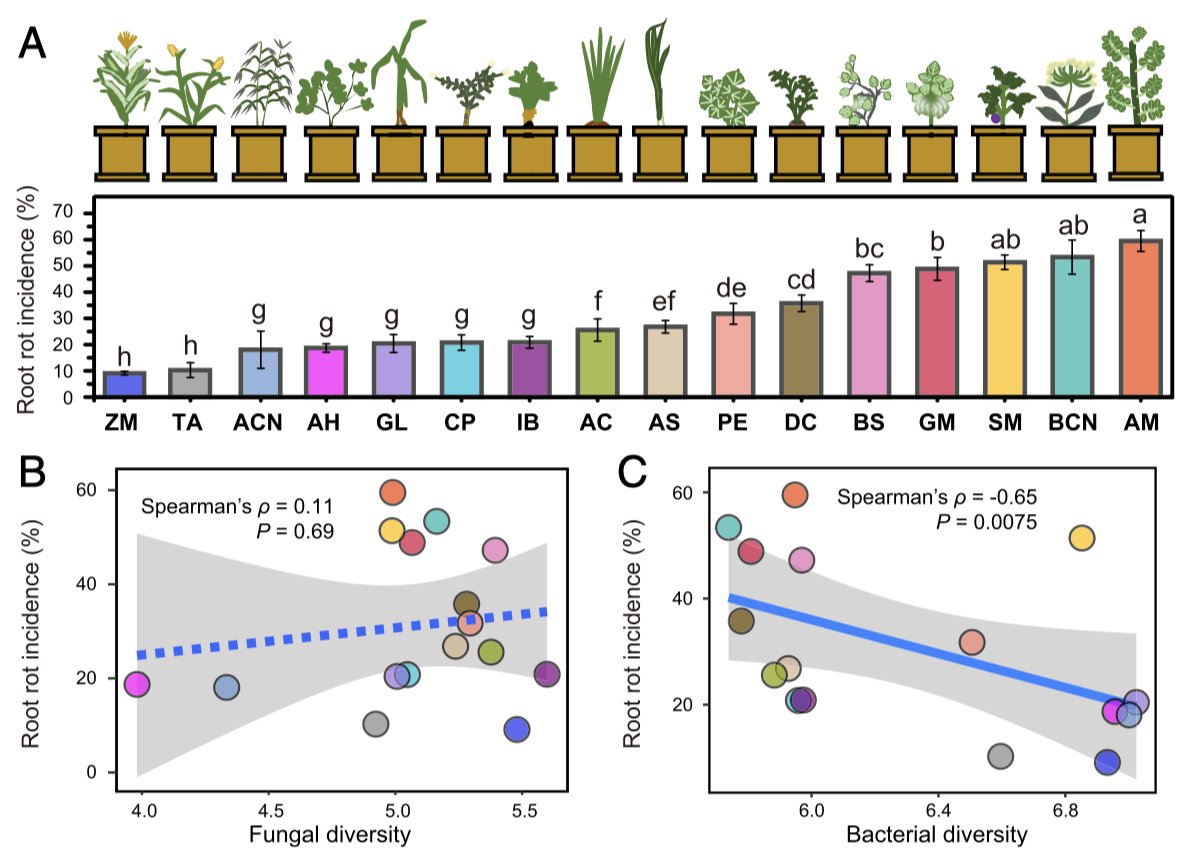
High bacterial diversity drives the suppression of a soilborne plant disease
"the diversity of synthetic communities per se can provide plant health benefits through an increased ability to protect against pathogens."
https://t.co/a8PEtnSzIp