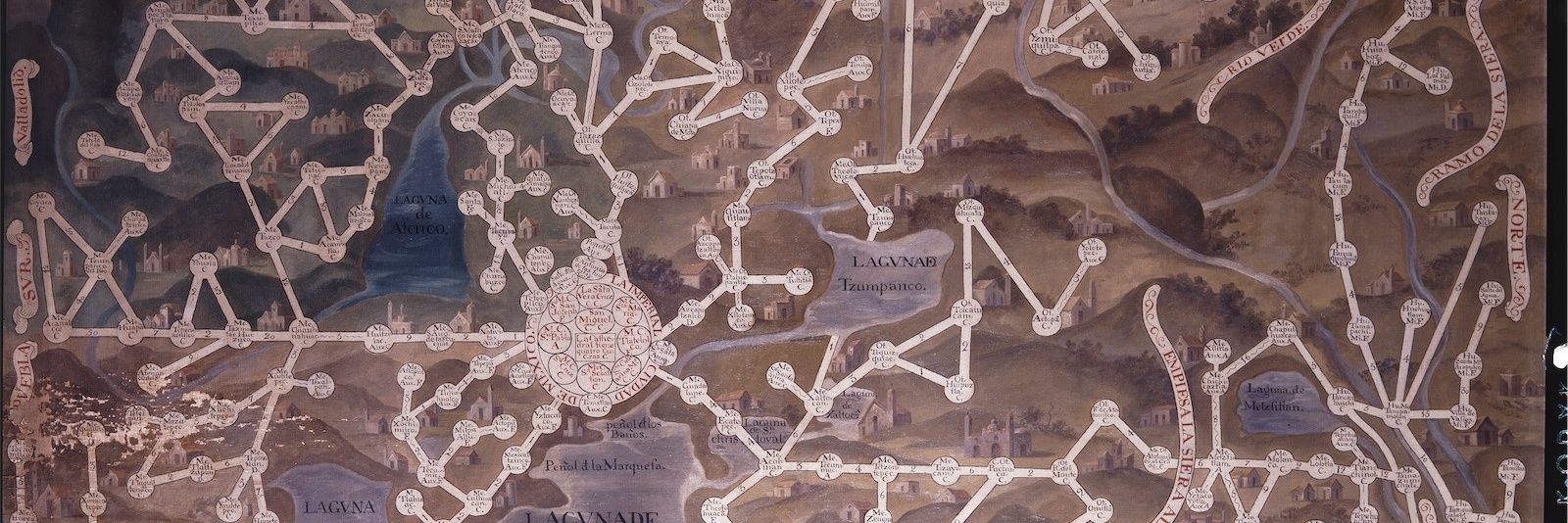
🌎♻️ En el marco del #DíaMundialDelMedioAmbiente, el #CIIEMAD#IPN y la Presidencia del Decanato del IPN te invitan a la XI Cátedra Patrimonial en Medio Ambiente “Dr. Héctor Mayagoitia Domínguez”.
📅 05 junio 2026
⏰ 10h
📍 Centro Histórico y Cultural “Juan de Dios Bátiz” – IPN
This introductory textbook, authored by Hiroki Sayama from Binghamton University, SUNY, provides a comprehensive overview of the modeling and analysis of complex systems. It is designed to equip students with a foundational understanding of how to represent and investigate systems exhibiting intricate interactions and emergent behaviors.
The text focuses on developing analytical skills necessary to dissect these systems, moving from abstract concepts to practical applications. The availability of this resource as an open textbook ensures broad accessibility for learners interested in this dynamic field of study.
The curriculum within "Introduction to the Modeling and Analysis of Complex Systems" aims to bridge the gap between theoretical frameworks and the real-world phenomena they describe. Readers will explore various modeling techniques, learning how to translate observations of complex systems into mathematical or computational representations.
This allows for simulation, prediction, and deeper comprehension of their underlying dynamics. The straightforward language and clear explanations facilitate an engaging learning experience for those new to the subject matter.
By embracing an open textbook model, this work by Hiroki Sayama democratizes access to essential knowledge in complex systems. Students and educators alike can benefit from this freely available resource, reducing financial barriers to education.
The content is structured to build a robust understanding progressively, covering key principles and methodologies. This approach empowers a wider audience to engage with and contribute to the growing field of complex systems research and application.
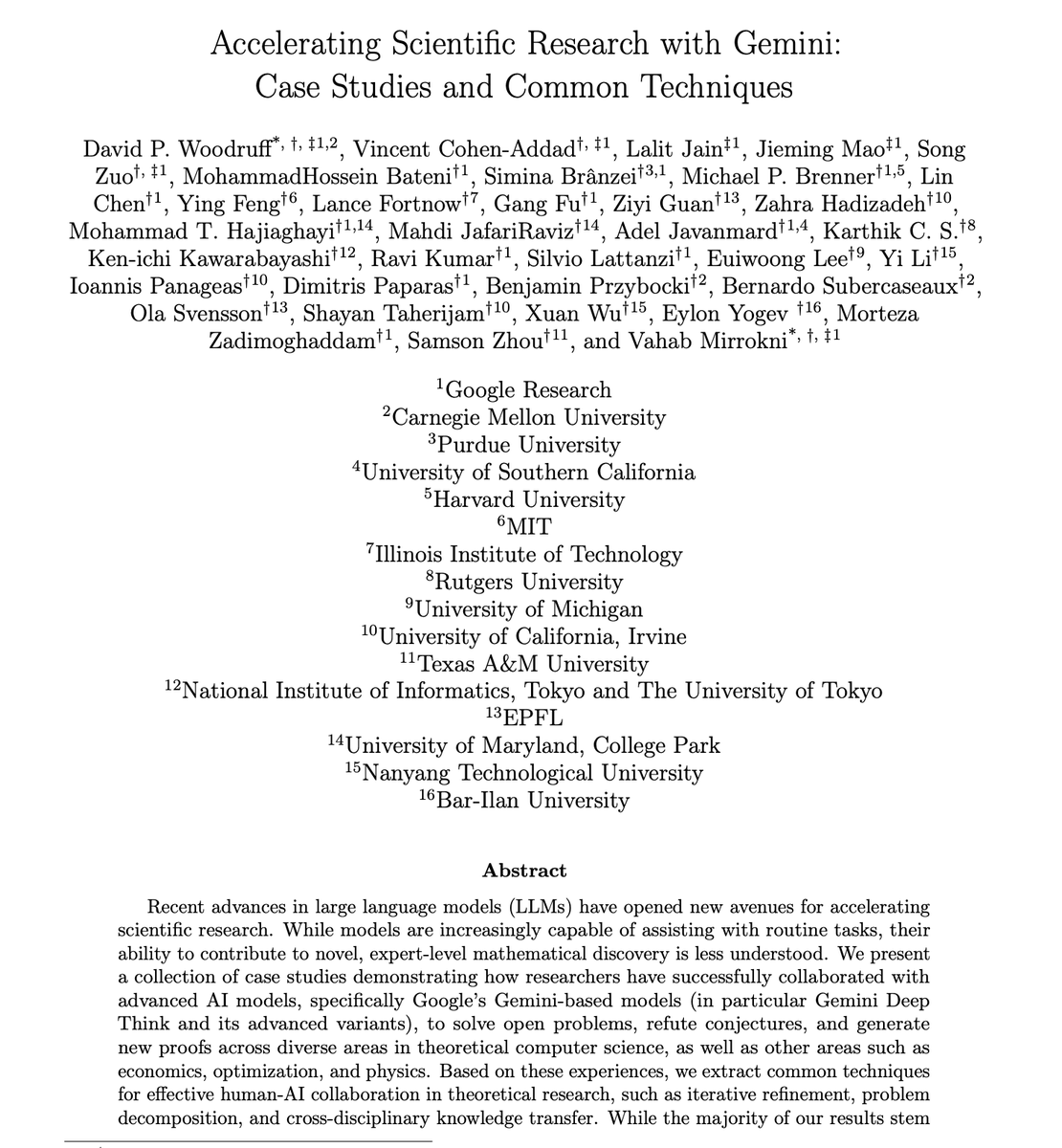
Google just dropped 145 pages documenting how researchers use Gemini to tackle scientific problems.
𝘚𝘢𝘷𝘦 & 𝘙𝘦𝘵𝘸𝘦𝘦𝘵 (𝘵𝘰 𝘩𝘦𝘭𝘱 𝘺𝘰𝘶𝘳 𝘯𝘦𝘵𝘸𝘰𝘳𝘬)
A few things that stood out to me (in simple terms):
- In one case, the AI was used as an adversarial reviewer and caught a serious flaw in a cryptography proof that had passed human review. That’s a very different use than “summarise this PDF.”
- The model links tools from very different fields (for example, using theorems from geometry/measure theory to make progress on algorithms questions). This is where its wide reading really matters.
- They don’t let the model run wild. Humans still choose the problems, check every proof, and decide what’s actually new. The model is there to suggest ideas, spot gaps, and do the heavy algebra.
- Agentic loops, not just chat
In some projects, they plug Gemini into a loop where it:
-- proposes a mathematical expression,
-- writes code to test it,
-- reads the error messages, and
-- fixes itself. (humans only step in when something promising appears)
We are moving past the era of simple chat prompts and into a more sophisticated era of research.
⮑ If your institution is interested in hosting an AI session or a workshop, request your training here: https://t.co/aCIaKzMfln
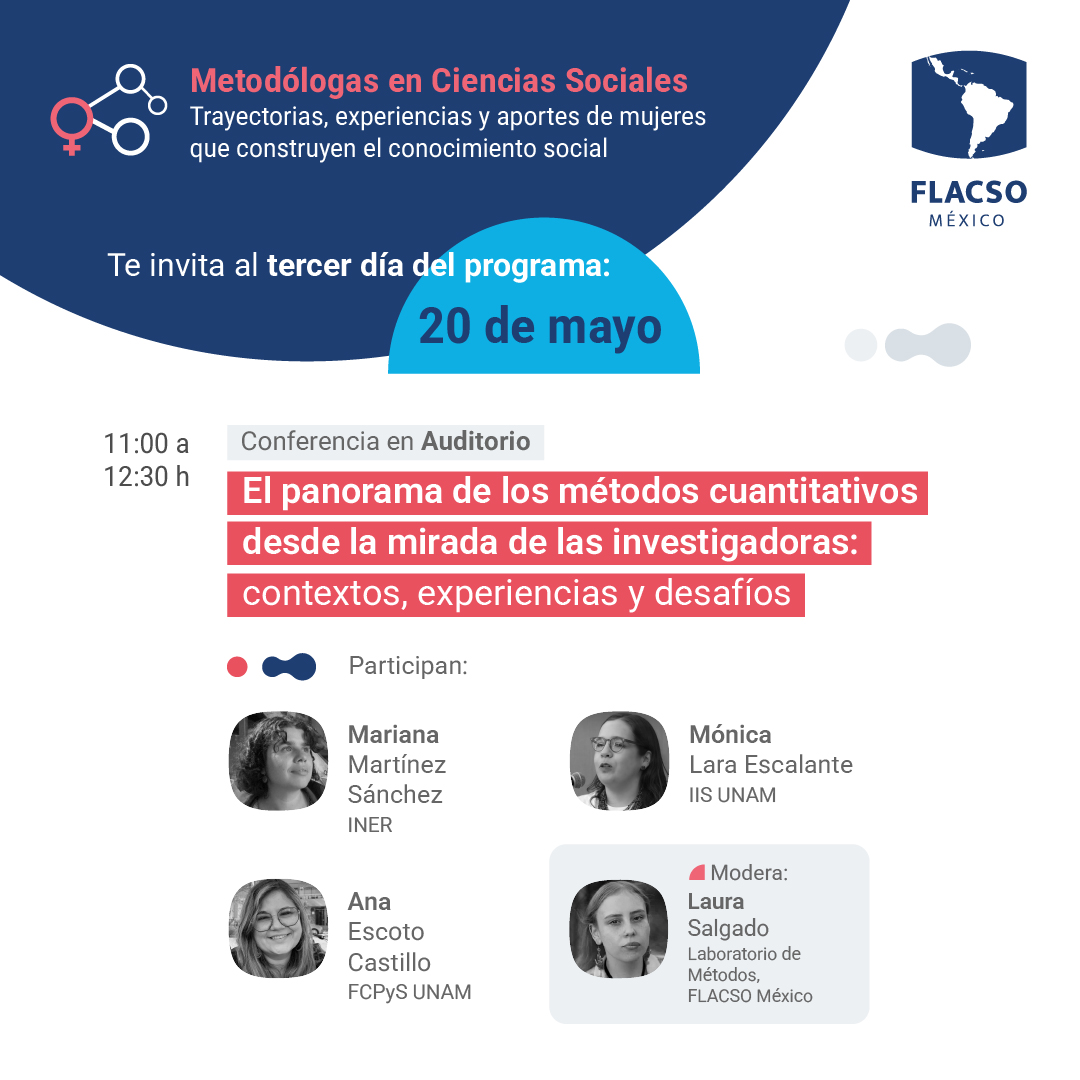
El Laboratorio de Métodos (#LabdeM) de la #FLACSOMéxico te invita al ciclo “Metodólogas en ciencias sociales. Trayectorias, experiencias y aportes de #mujeres que construyen el conocimiento social”.
My R package netmem: Social Network Measures using Matrices is now on CRAN!
It’s a matrix-based framework for social network analysis, designed to handle complex structures @UCSociologia@chisocnet
🔗 CRAN: https://t.co/lcGV4Nhc5S
#ChiSocNet#NetworkScience#RStats
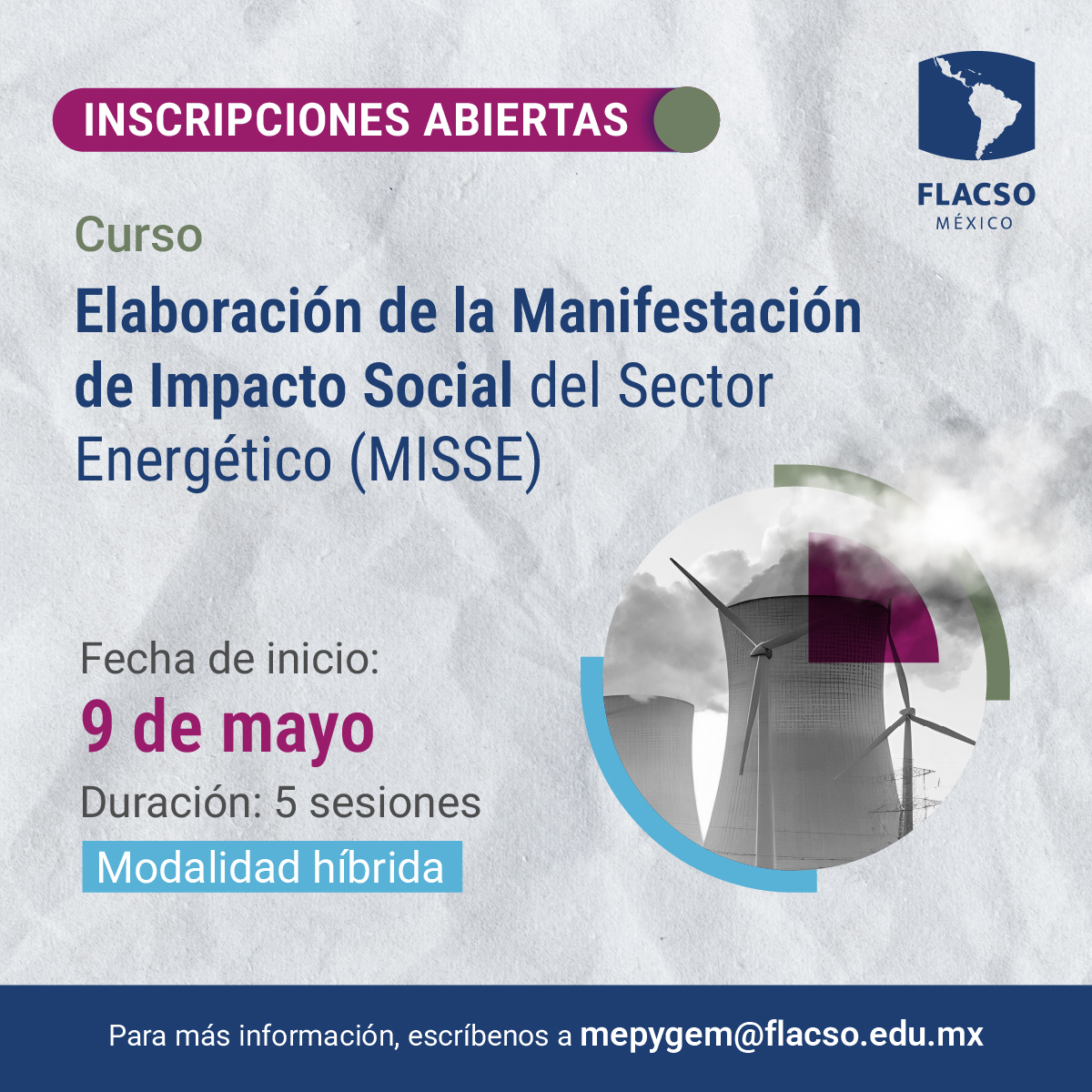
#InscripcionesAbiertas.
Un análisis social insuficiente no es un error menor.
Puede traducirse en retrasos, condicionamientos o incluso el rechazo de un proyecto.
En el nuevo contexto regulatorio, anticipar estos riesgos es clave.
Capacítate en la elaboración de la #MISSE en la #FLACSOMéxico.
Inscríbete 👉 https://t.co/v2JPZH2z7G
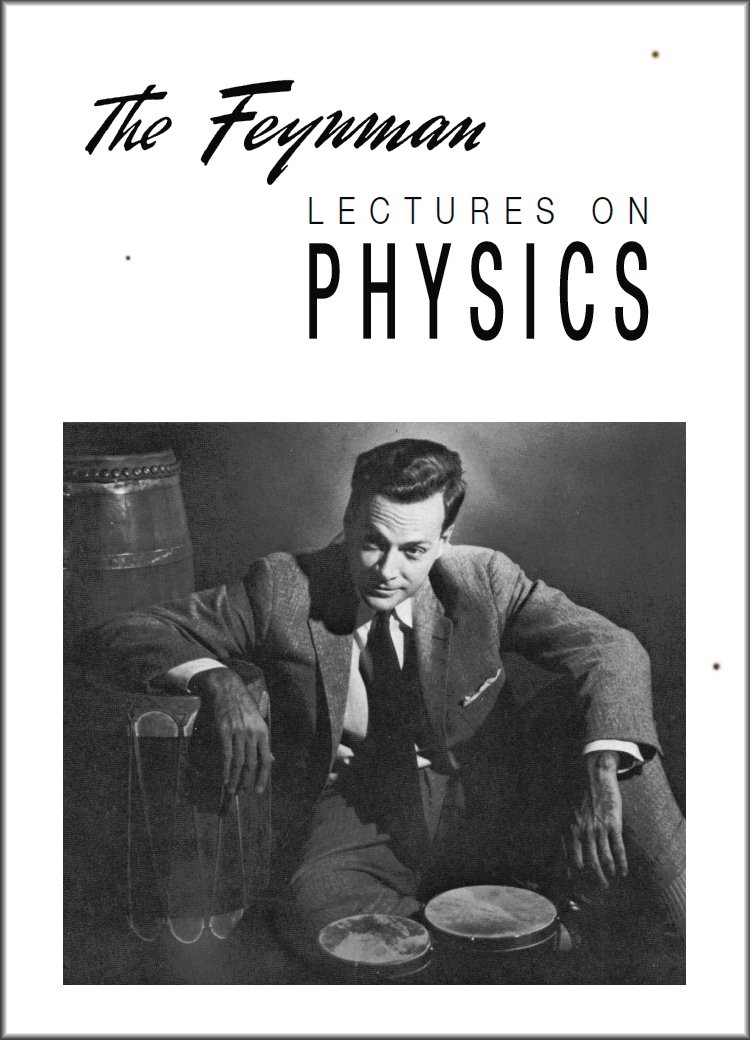
Free Physics Book. "The Feynman Lectures on Physics," now online. (Designed for ease of reading on devices of any size or shape. Text, figures & equations can all be zoomed without degradation.)
Vol. I: Mainly mechanics, radiation, and heat
Vol. II: Mainly electromagnetism and matter
Vol. III: Quantum mechanics
-Feynman's Tips on Physics: Problem-solving supplement to Feynman lectures on physics
-Feynman's Messenger Lectures
-Lecture Recordings 1961‑64
-Lecture Photos 1961‑64
-Feynman's Notes
-Original Course Handouts 1961‑63
-Student handouts
-Book Link: https://t.co/VeyIuavc8H
-Link to bongo/drums photo: https://t.co/UtD2lbDa1R
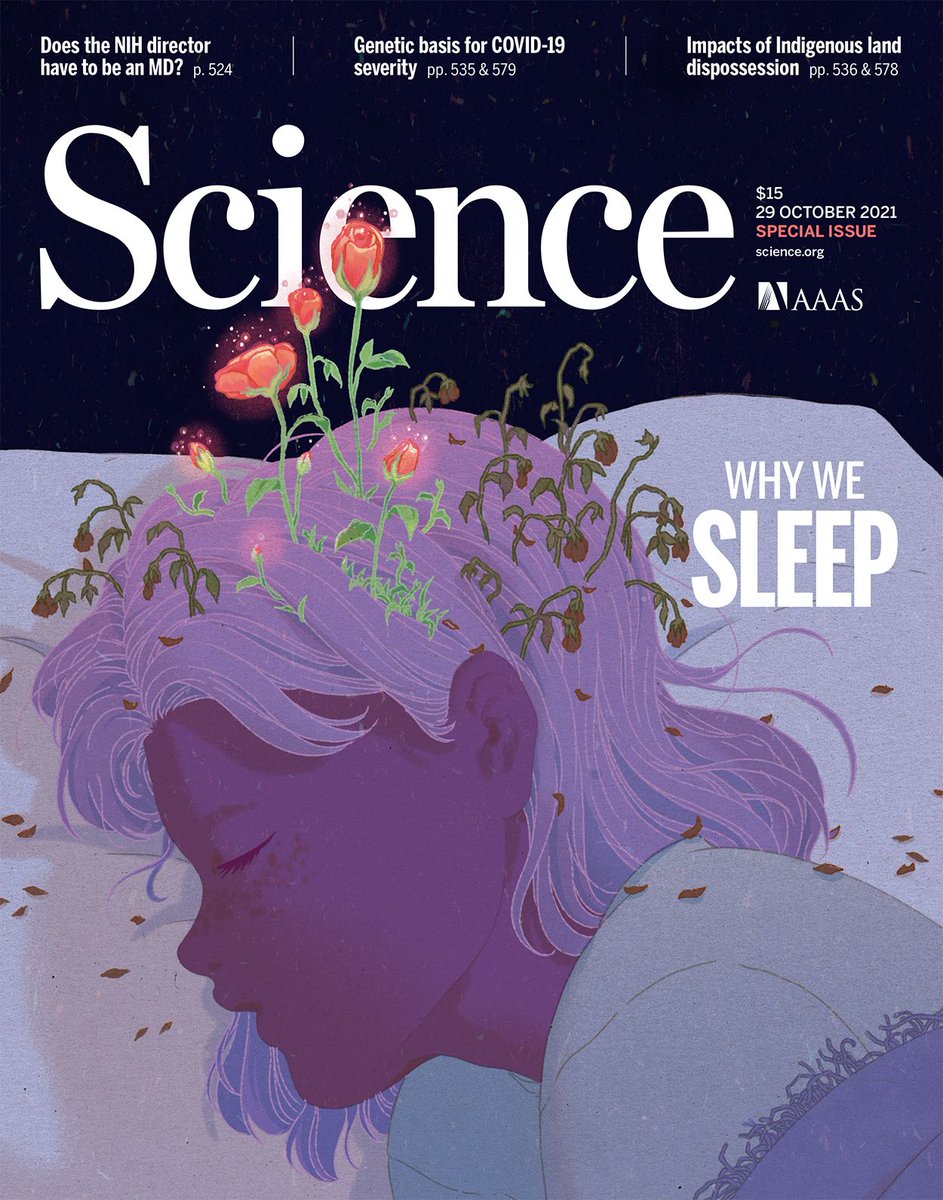
As we sleep, our bodies may be quiet and largely immobile—but our brains are highly active.
A special issue summarized recent insights into the basic mechanisms underlying sleep and the many functions our brains perform during it.
Learn more on #WorldSleepDay: https://t.co/lNkpyRpxak
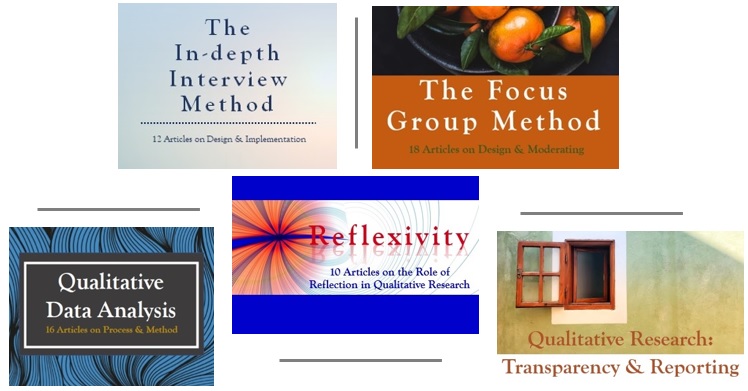
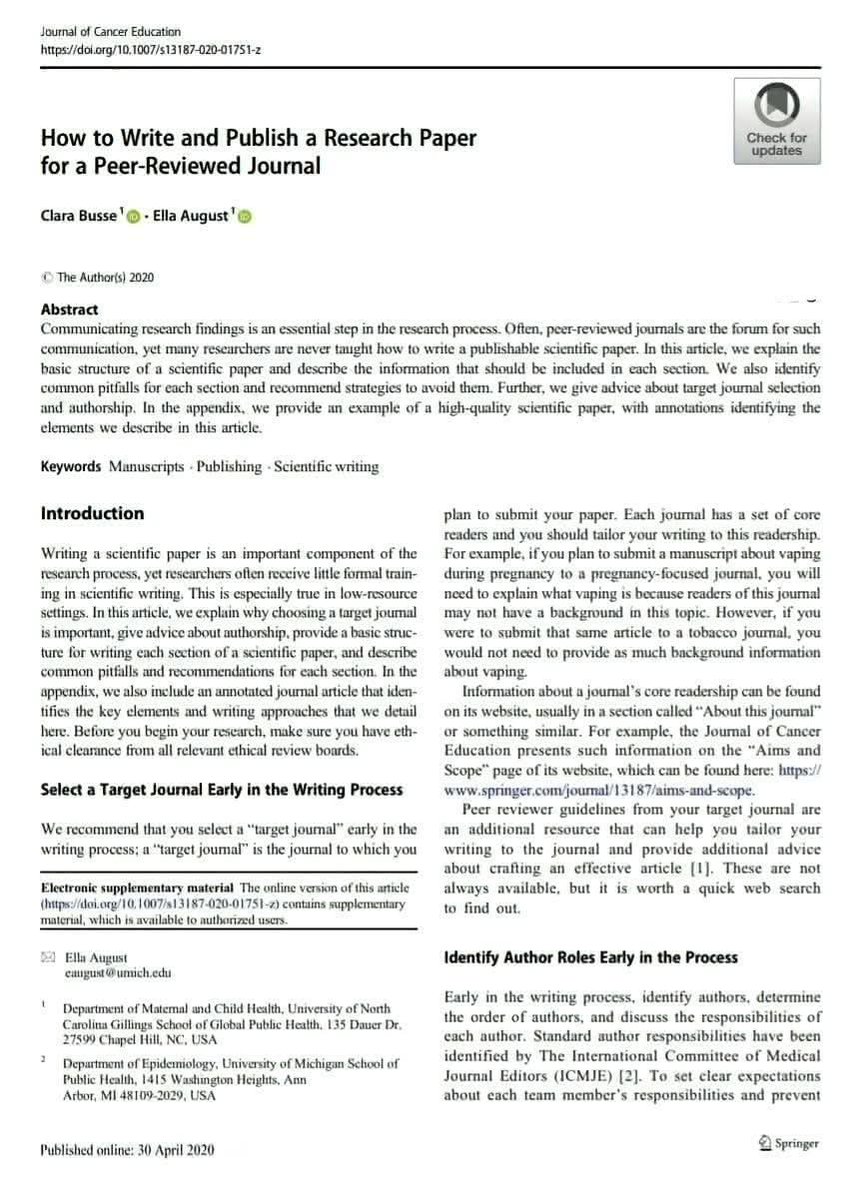
For download: The In-depth Interview Method https://t.co/MM6cv02urZ - The Focus Group Method https://t.co/2nPk7as6TG - Qualitative Data Analysis https://t.co/5ghKuQ1tSy - #Qualitative Research: Transparency & Reporting https://t.co/jKX5QnlVzr - Reflexivity https://t.co/1mJNYfD3A0
#FLACSOEnLosMedios
La Dra. Danay Quintana, profesora-investigadora de la FLACSO México, participó en el conversatorio “La IA en Ciencias Sociales” organizado por el Centro de Investigaciones Económicas, Administrativas y Sociales (@CIECASIPN).
Un espacio para reflexionar sobre cómo la inteligencia artificial está transformando la economía, la política, la sociedad y la educación, y sobre el papel de las ciencias sociales en su análisis crítico.
📺 Mira el video completo:
https://t.co/zIvfm8b4bo









![JuanluCaba_Unex's tweet photo. [#LIBRO] 📘 «DELIMITACIÓN DEL PROBLEMA Y LA PREGUNTA DE INVESTIGACIÓN» – Mayra Elizondo Cortés y Maricarmen González Videgaray.
https://t.co/D7CBAg5Rsx https://t.co/4v9JhixMEY](https://pbs.twimg.com/media/HGFy7DQWwAA2non.jpg)