Students who took notes by hand scored ~28% higher on conceptual questions than laptop note-takers.
Writing forces your brain to process and compress ideas instead of copying them.
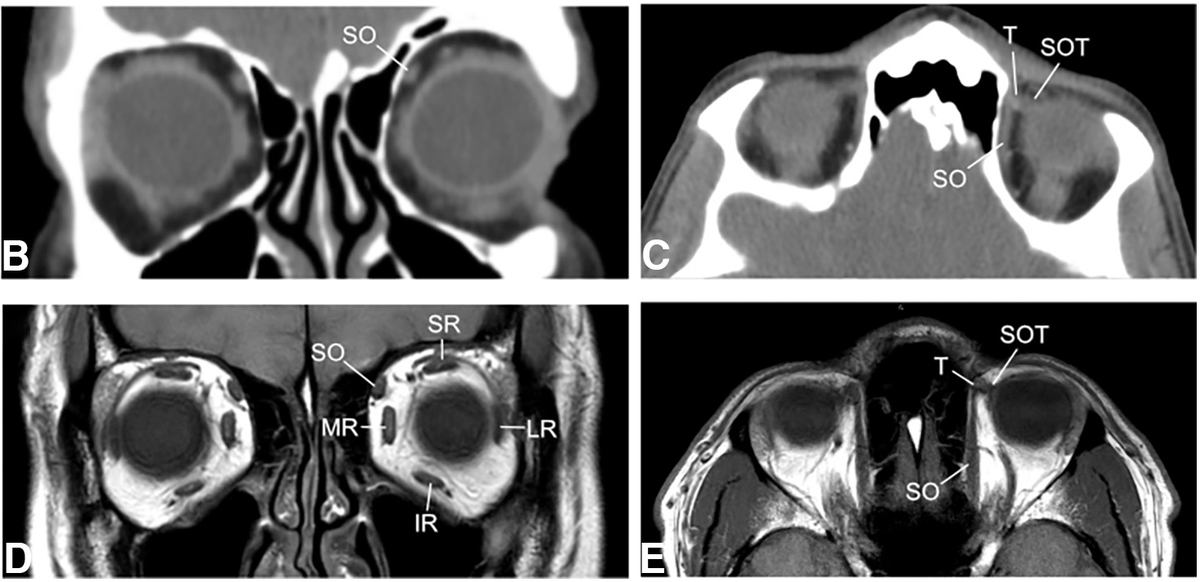
From the October-December 2023 Issue of #Neurographics: Brown Syndrome or Superior Oblique Tendon Sheath Syndrome: Radiologic Imaging Characteristics and Literature Review https://t.co/7h22GJjI64
Impressive! Anyone performing imaging similar to this of the facial N?
3D Cranial Nerve Imaging, a Novel MR Neurography Technique Using Black-Blood STIR TSE with a Pseudo Steady-State Sweep and Motion-Sensitized Driven Equilibrium Pulse for the Visualization of the Extraforaminal Cranial Nerve Branches https://t.co/8Z3UeGhZTo
@TheAJNR@theAJNR_EIC
The evaluated cranial and spinal nerve branches acquired using the 3D CRANI sequence. A, Lingual nerve (arrow) on MIP after MPR. B, Inferior alveolar nerve (arrow) after MIP MPR on a coronal oblique reconstruction. C, Extraforaminal facial nerve (arrow) after sagittal oblique MIP MPR, illustrating the intraparotid nerve course. D, Greater occipital nerve (arrow) extending between the semispinalis muscles on MIP MPR.
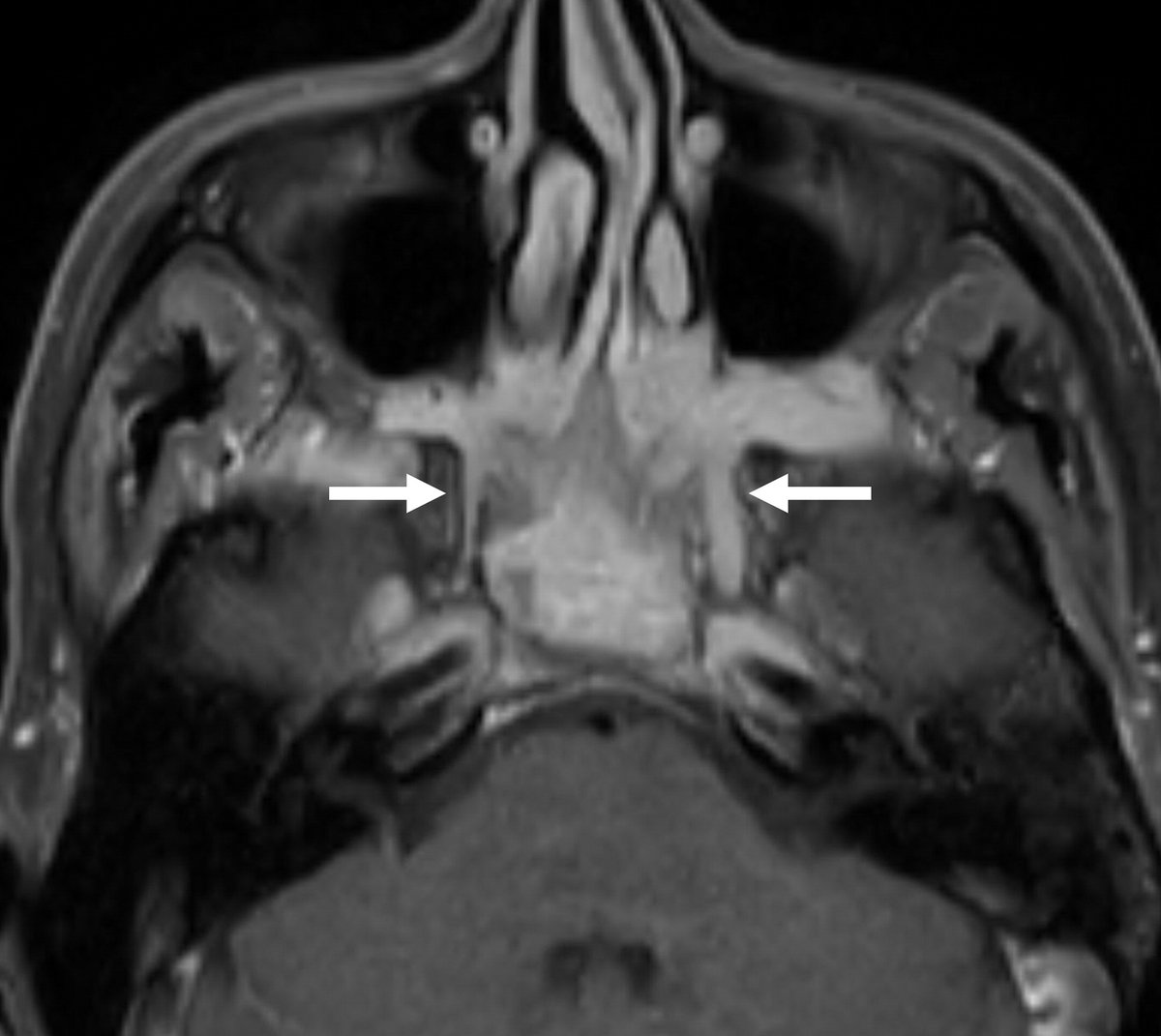
Although the PPF is a very complex anatomic space, this writeup helps simply this space and how it communicates with other important spaces in the neck especially in regards to head and neck pathologies. https://t.co/NgnWCY7kmA @albasalpar@abelghuete