As part of #WorldQuantumDay celebrations, @CERN has recently hosted its first-ever #quantum workshop for high-school students. Organised by #CERNqti & @qplaylearn, the event introduced the young generation to the field of #quantumscience and technology: https://t.co/87PaU7ipVb
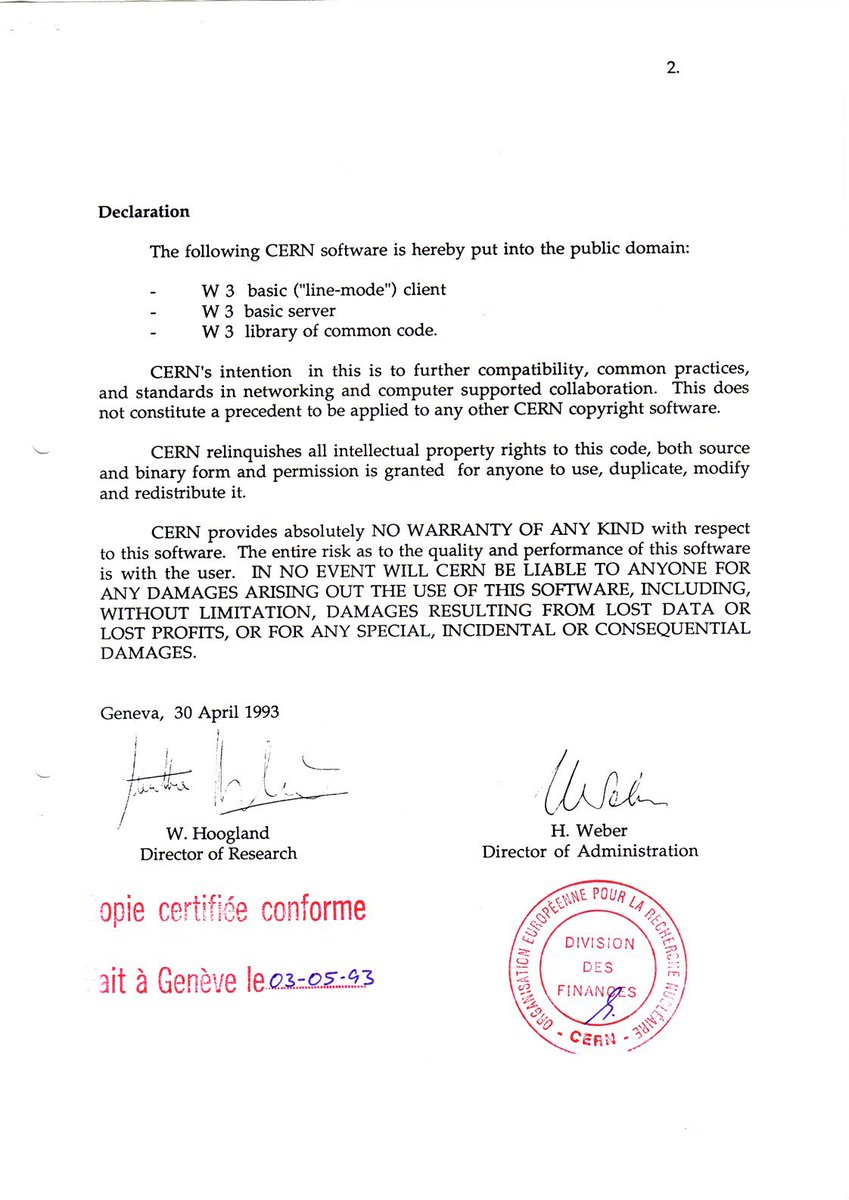
#OnThisDay thirty years ago, in 1993, CERN released the World Wide Web software to the public.
Proposed by Sir Tim Berners-Lee, the web was originally created to allow scientists and institutes from all over the globe who were working on CERN data to share information accurately and quickly.
Find out more: https://t.co/6CpbWde774
#CERNImpact #CERNandSociety
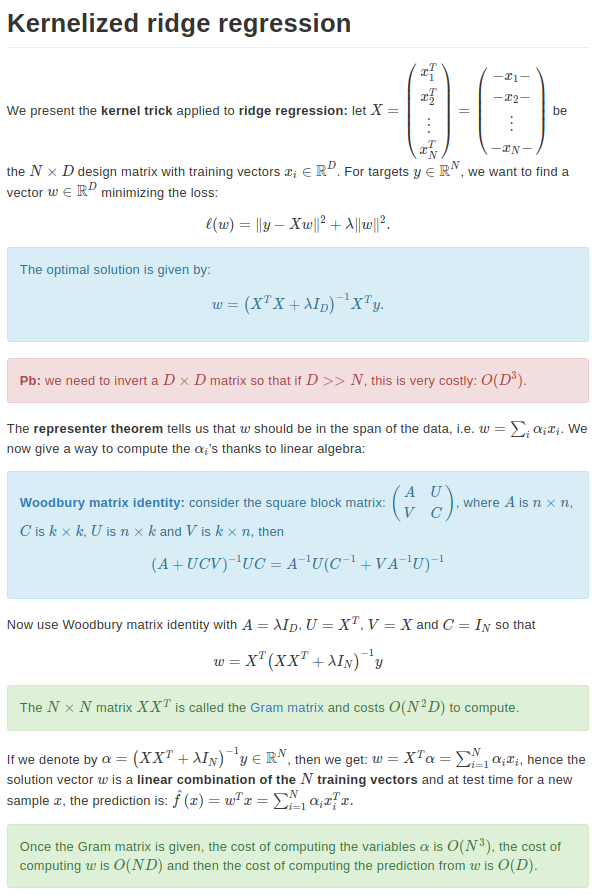
The 𝗸𝗲𝗿𝗻𝗲𝗹 𝘁𝗿𝗶𝗰𝗸 without kernel: when your feature space is larger than your number of samples, use 𝗸𝗲𝗿𝗻𝗲𝗹𝗶𝘇𝗲𝗱 𝗿𝗶𝗱𝗴𝗲 𝗿𝗲𝗴𝗿𝗲𝘀𝘀𝗶𝗼𝗻 for efficient computation of your ridge regression, or when to use XX^T versus X^TX.
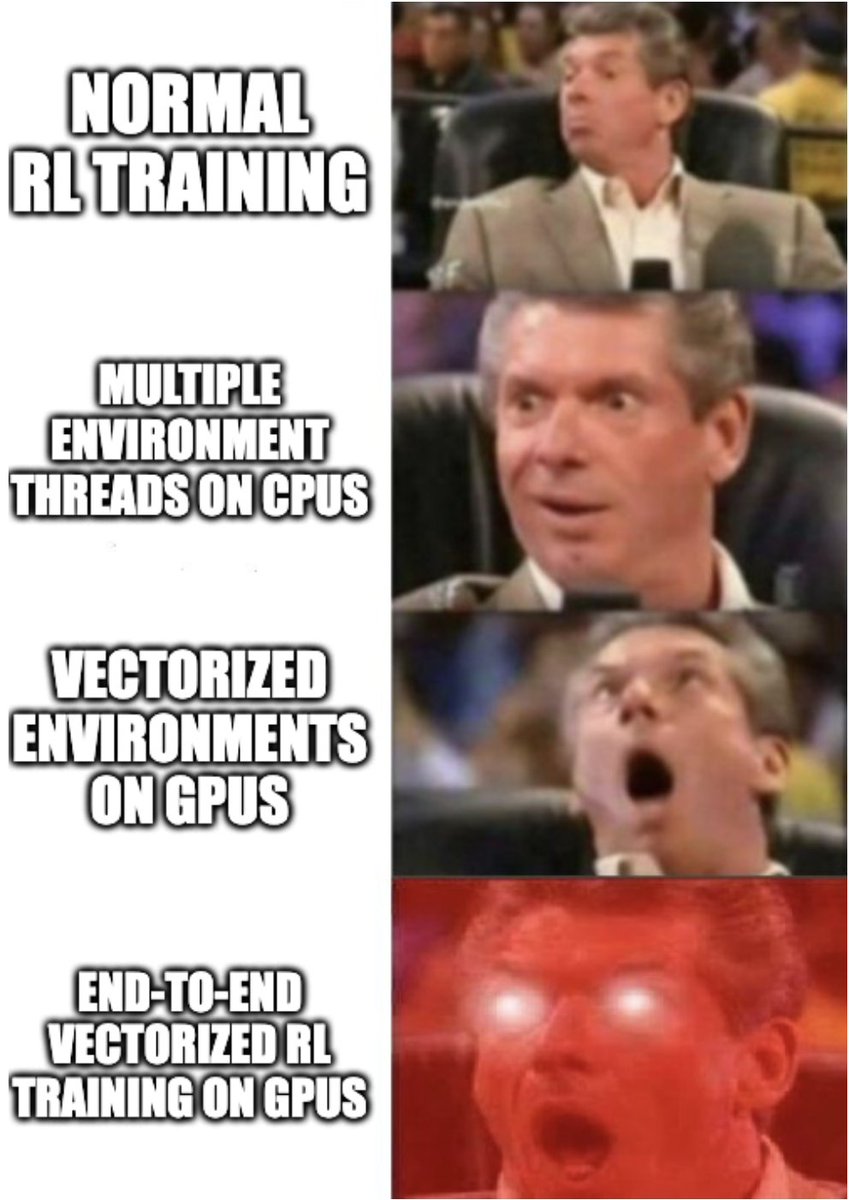
1/ 🚀 Presenting PureJaxRL: A game-changing approach to Deep Reinforcement Learning! We achieve over 4000x training speedups in RL by vectorizing agent training on GPUs with concise, accessible code.
Blog post: https://t.co/MjWisJWNTg
🧵
Everything is Connected: Graph Neural Networks
Graphs Neural Networks(GNNs) are increasingly showing potential in modeling graphs datasets. @PetarV_93 just published a survey paper on key concepts in GNNs. This is an excellent resource for learning GNNs.
https://t.co/Xk028OnGmP
What clustering algorithm is better than DBSCAN? Of course Conformal DBSCAN
Clustering of Trajectories using Non-Parametric Conformal DBSCAN Algorithm' https://t.co/rLRWu4ZJIH
#conformalprediction#machinelearning
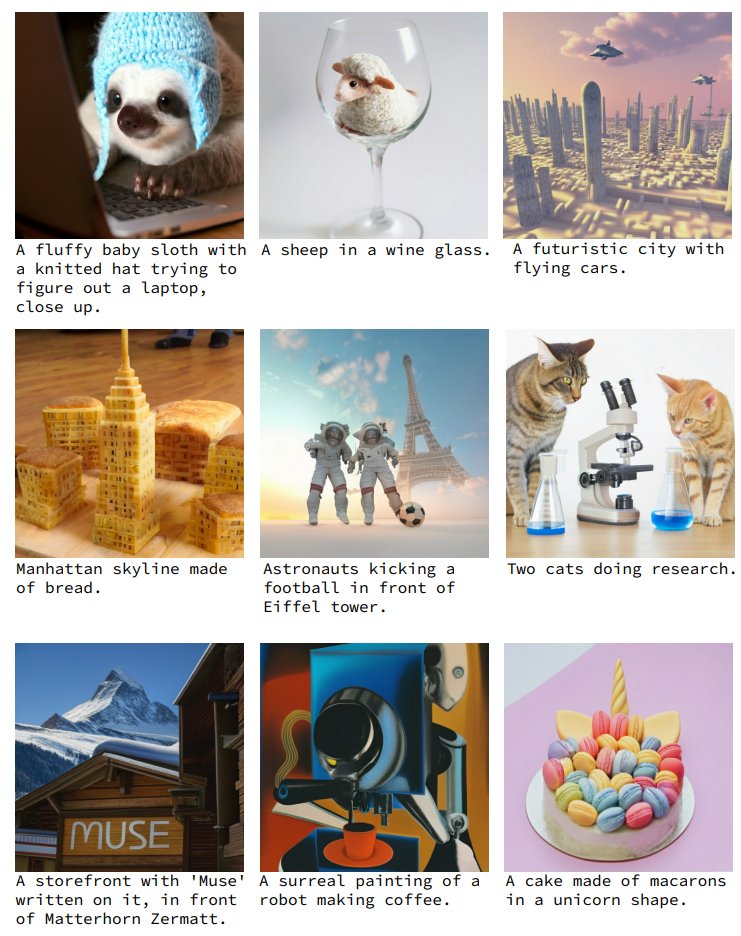
Muse: Text-To-Image Generation via Masked Generative Transformers
Presents Muse, a text-to-image Transformer model that achieves SotA image generation perf while being far more efficient than diffusion or AR models.
proj: https://t.co/JljH4pGZX1
abs: https://t.co/52bc9HuT7o
I’ve never observed anyone, regardless of field, achieve lasting prominence while voicing rancor or focusing much on the failings of others. Create and share, support others and enjoy. Givers and creators always prevail.
I happen to have gathered a lot of resources on multimodal learning for music over the last few years and I finally got around to putting them together into a repo for anyone else who might be interested: https://t.co/1P9h5ryJEd
It has papers, datasets & other related projects.
[HIRING] The team is growing! 💪
We just hired 2 fresh researchers at the Munich lab (@glovisot + @_matbun), and we've just opened up two new internship positions in Milan, Italy.
If you're a motivated MSc student and cyber-security is your thing, then 👉https://t.co/rZVjabllrC
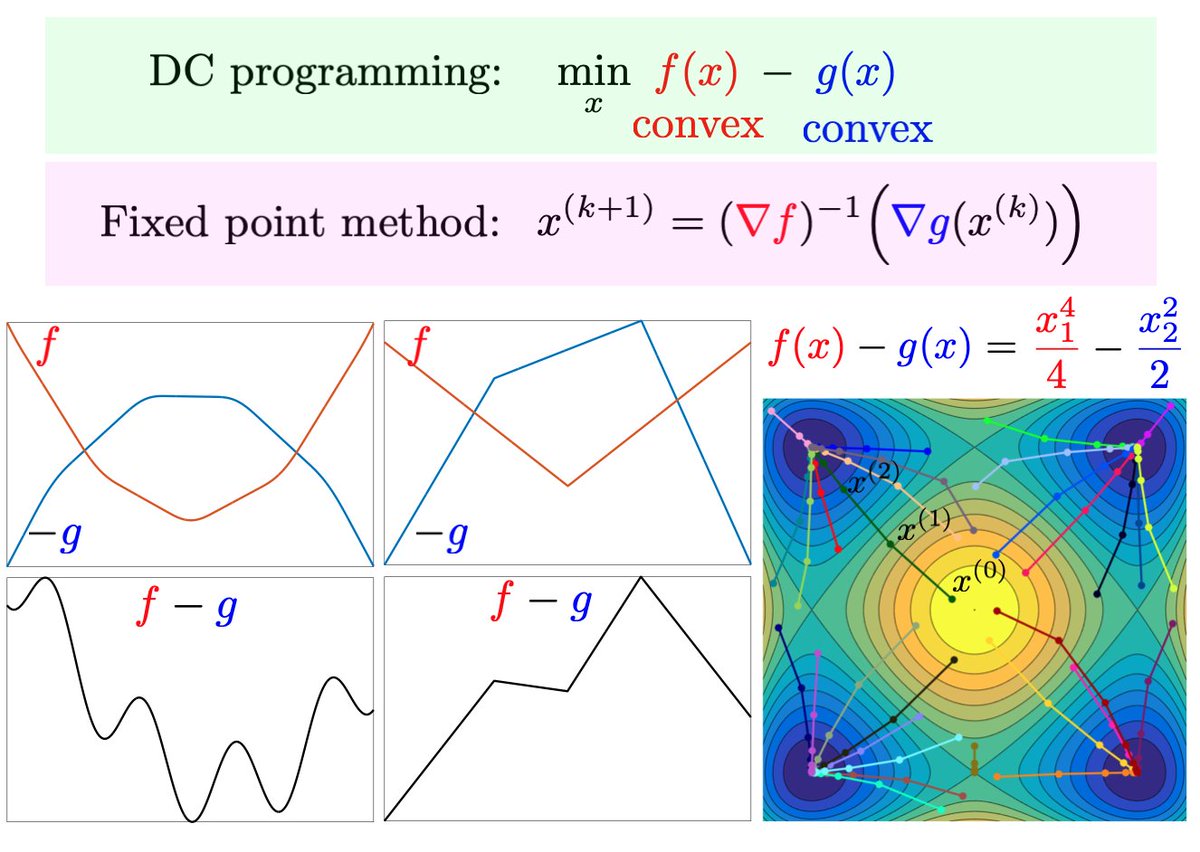
Re-writing a non-convex optimization as a difference of convex (DC) leads to a simple iterative optimization method. Sometimes referred to as « convex-concave procedure » in the ML litterature. https://t.co/b9kWb22cNX https://t.co/0NxVFMOAzG
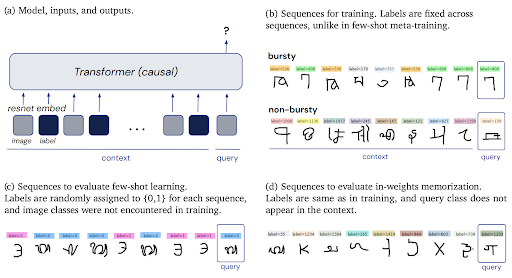
Transformers can achieve few-shot learning (FSL) without being explicitly trained for it.
New research shows that FSL emerges only when the *training data* is distributed in particular ways that are also observed in natural domains like language.
https://t.co/avnNb2VURw 1/
I drafted a quick "How to" guide for writing ML papers. I hope this will be useful (if a little late!) for #NeurIPS2022. Happy paper writing and best of luck!!
https://t.co/rYXrxPPxfq
An Experimental Design Perspective on Model-Based Reinforcement Learning – Machine Learning Blog | ML@CMU | Carnegie Mellon University https://t.co/kITIP46ecq




![phretor's tweet photo. [HIRING] The team is growing! 💪
We just hired 2 fresh researchers at the Munich lab (@glovisot + @_matbun), and we've just opened up two new internship positions in Milan, Italy.
If you're a motivated MSc student and cyber-security is your thing, then 👉https://t.co/rZVjabllrC https://t.co/vVGKecQKvb](https://pbs.twimg.com/media/FV2AUhkWYAEGx-X.jpg)