Hola. Cree esta herramienta para analizar el efecto de El Niño a nivel de Argentina con datos actualizados. Agradezco feedback para mejorarla/detectar errores.https://t.co/vMyR8k83E1
PRESENTAMOS UN NUEVO RIGI POR 25 MIL MILLONES DE DÓLARES
En toda la vida del proyecto va a generar más USD 100.000 millones en exportaciones.
Hoy presentamos la adhesión al RIGI para el proyecto LLL Oil: una inversión de USD 25.000 millones para acelerar el desarrollo de Vaca Muerta. Se trata del programa de exportación de petróleo más importante de la Argentina y el mayor presentado bajo el RIGI.
Pero esto es mucho más que una inversión. Es el inicio de una nueva etapa. Todo lo que hicimos hasta ahora no tiene comparación con lo que viene en los próximos dos años.
Lo vamos a lograr con pasión, con la milla extra y con ejecución de excelencia.
Estamos construyendo una compañía y una industria de clase mundial.
#YPF #EnergíaArgentina #YPFClaseMundial #VacaMuerta
Después de probar mas de 20 tartas de queso diferentes por España, con un amigo decidimos empezar un nuevo emprendimiento a puro huevo, asi que si quieren un producto cuidado al detalle y por demás rico sígannos en ig que nos sirve mucho🙏🙏
https://t.co/9GQdCTDXoI
Estimado Mingo, si hay resentimiento, tratá que no se note. Por una situación económica mucho más sencilla de solucionar, terminaste imponiendo un corralito e inventaste el siniestro impuesto al cheque. Has hecho un culto de violar la propiedad privada, generando una desconfianza en la gente, que seguimos purgando hoy.
Y porque soy respetuoso, prefiero no contar los disparates que me sugeriste los dos primeros meses de mandato. Además de tus errores, por no decir HORRORES de pronósticos. Por último, quédate tranquilo que vamos a seguir arreglando el país. Ojalá logres que te produzca alegría, en lugar de dolor. Saludos
Mucho se habla del enojo del gobierno con la prensa, pero poco de cómo afecta la difusión permanente de noticias falsas a la economía.
Sistemáticamente, desde el inicio del mandato, gran parte del periodismo dice que hay atraso cambiario (con récord de exportaciones), que el BCRA no compra dólares (cuando es el que más compró en la historia), que hay una crisis económica (cuando la pobreza bajó y la economía se expandió), que la inflación aumentaría (cuando bajó de 211% a 31%) y que la deuda aumenta (cuando bajó).
La desinformación afecta la demanda de dinero (lo cual es inflacionario y recesivo), asusta a las familias, reduce la inversión y genera dudas en los tenedores de bonos.
A muchos pueden no gustarles las formas en las que el gobierno responde a la prensa, pero yo propongo el siguiente ejercicio: ¿qué pasaría si tu trabajo de todos los días se viera afectado por las mentiras y la desinformación permanente? ¿Qué pasaría si los agravios fueran contra tu persona o tu familia? Y si, además, se supiera que quien te ataca está motivado por intereses económicos personales.
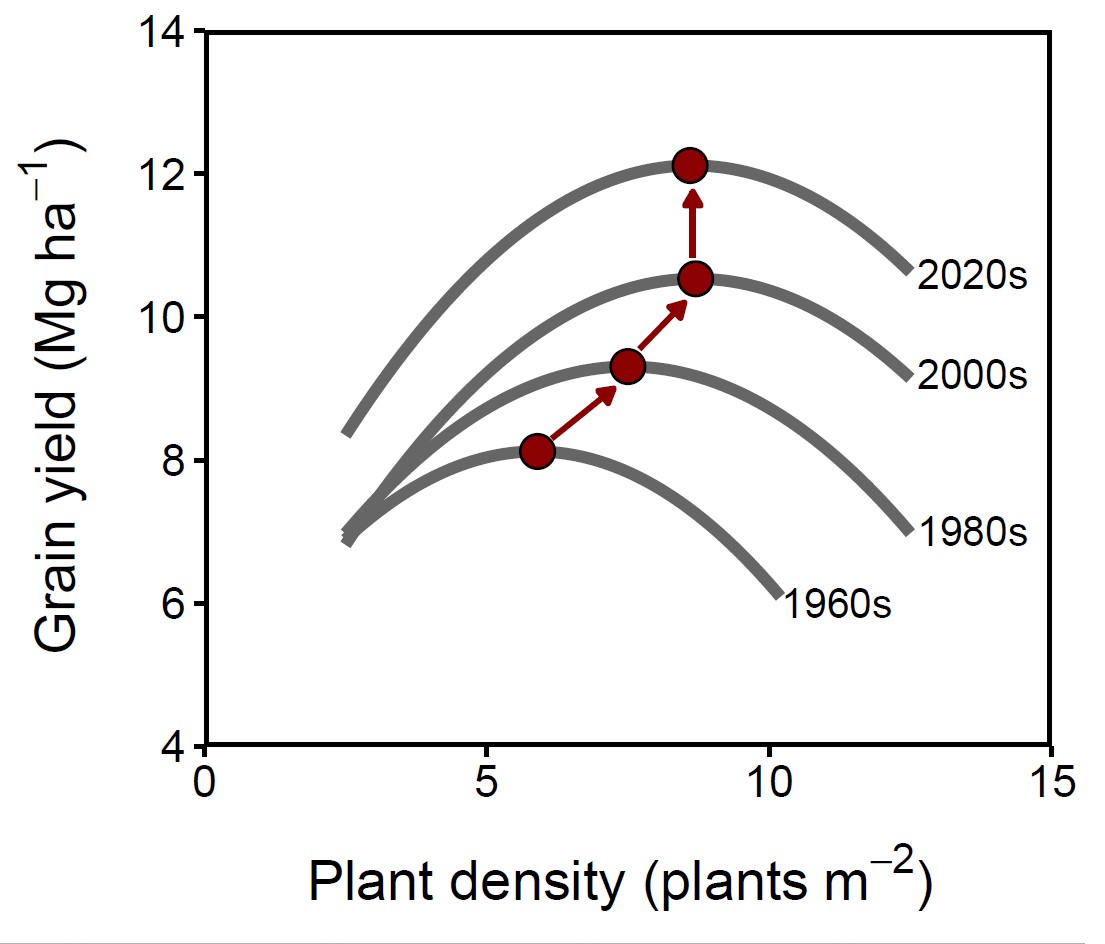
Corn yield gains in the U.S. are no longer tied to higher plant densities. 🌽
Recent genetic progress is driven by increased yield per plant—not improved crowding tolerance—highlighting a clear decoupling between yield and plant density.
Full article: https://t.co/tTS1gd6xPQ
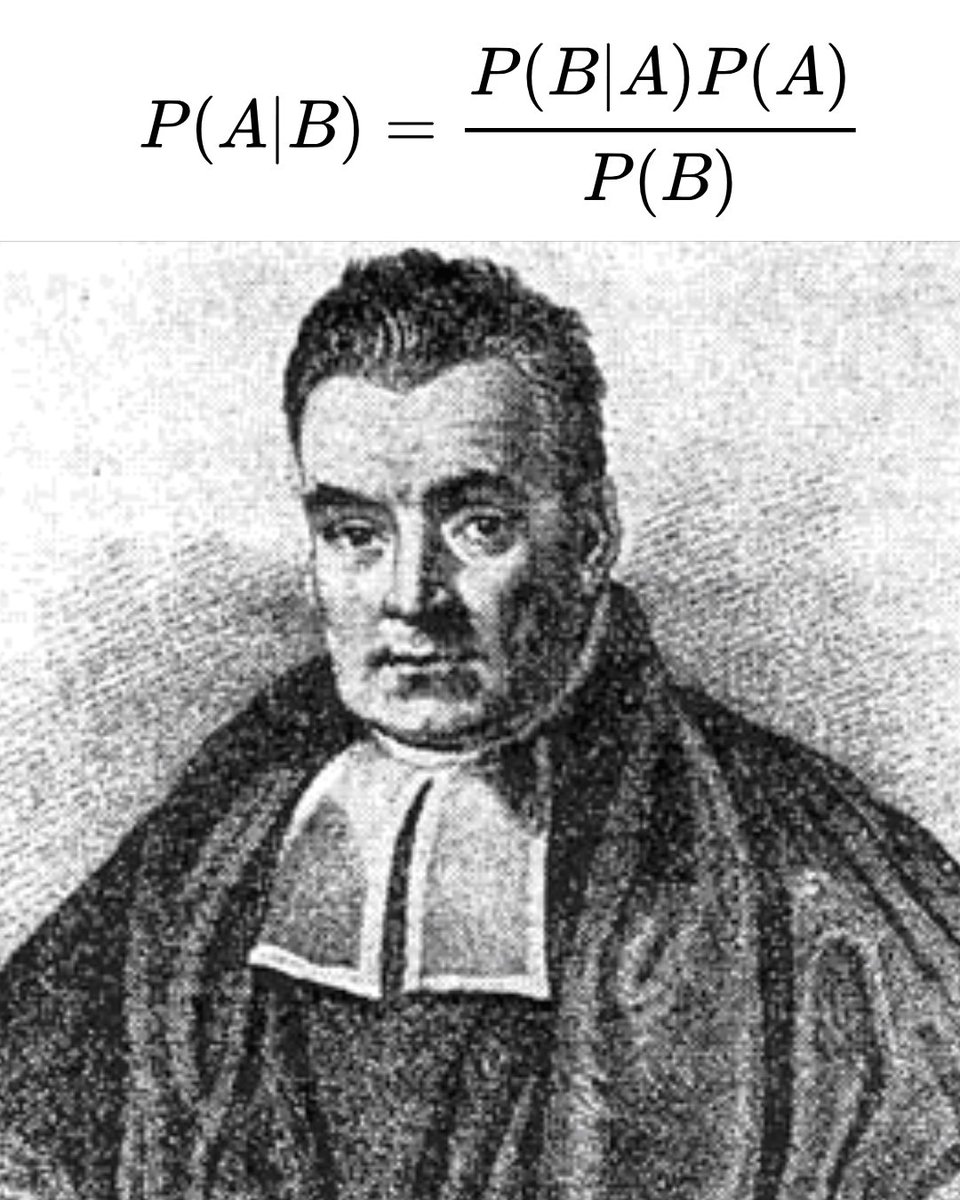
Bayes’ theorem is probably the single most important thing any rational person can learn.
So many of our debates and disagreements that we shout about are because we don’t understand Bayes’ theorem or how human rationality often works.
Bayes’ theorem is named after the 18th-century Thomas Bayes, and essentially it’s a formula that asks: when you are presented with all of the evidence for something, how much should you believe it?
Bayes’ theorem teaches us that our beliefs are not fixed; they are probabilities. Our beliefs change as we weigh new evidence against our assumptions, or our priors. In other words, we all carry certain ideas about how the world works, and new evidence can challenge them.
For example, somebody might believe that smoking is safe, that stress causes mouth ulcers, or that human activity is unrelated to climate change. These are their priors, their starting points. They can be formed by our culture, our biases, or even incomplete information.
Now imagine a new study comes along that challenges one of your priors. A single study might not carry enough weight to overturn your existing beliefs. But as studies accumulate, eventually the scales may tip. At some point, your prior will become less and less plausible.
Bayes’ theorem argues that being rational is not about black and white. It’s not even about true or false. It’s about what is most reasonable based on the best available evidence. But for this to work, we need to be presented with as much high-quality data as possible. Without evidence—without belief-forming data—we are left only with our priors and biases. And those aren’t all that rational.
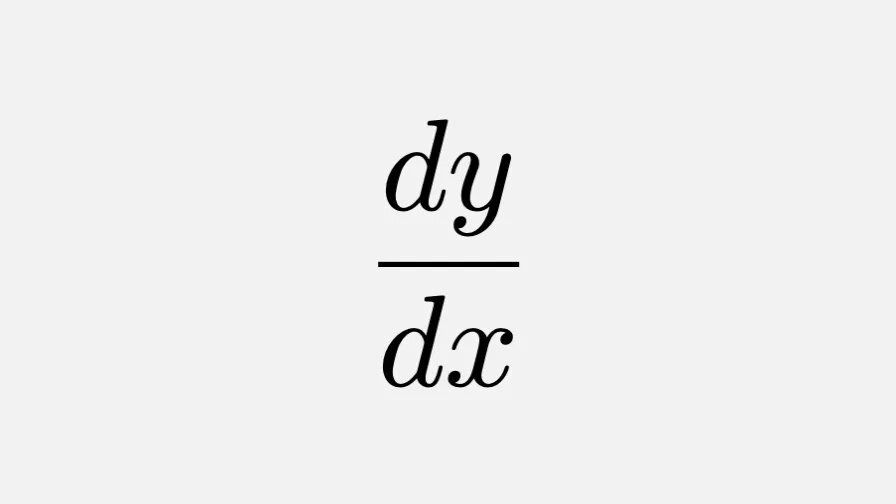
It's amazing that a simple idea, such as the slope of a tangent line could have so many incredible consequences.
Modern calculus was developed ~365 years ago.
Here is a slake test showing the difference between conventional tillage and no-till soil. This is what happens when water hits your soil, do you want it to hold together or wash away? Adding cover crops improves the soil structure faster than going no till alone. @IowaNRCS
El mercado de capitales, al que muchos, erróneamente, llaman “TIMBA FINANCIERA”, es crucial para cualquier país que quiera desarrollar su industria y crecer de forma sostenible. Convierte ahorro en inversión productiva y en trabajo.
Sin mercado de capitales, no hay crecimiento.
Hace 100 años, Felix Löhnis descubrió algo fascinante del suelo: el efecto priming.
Agregó abono verde y midió un retorno de nitrógeno mineralizado de 150%; es decir, mucho más de lo que puso.
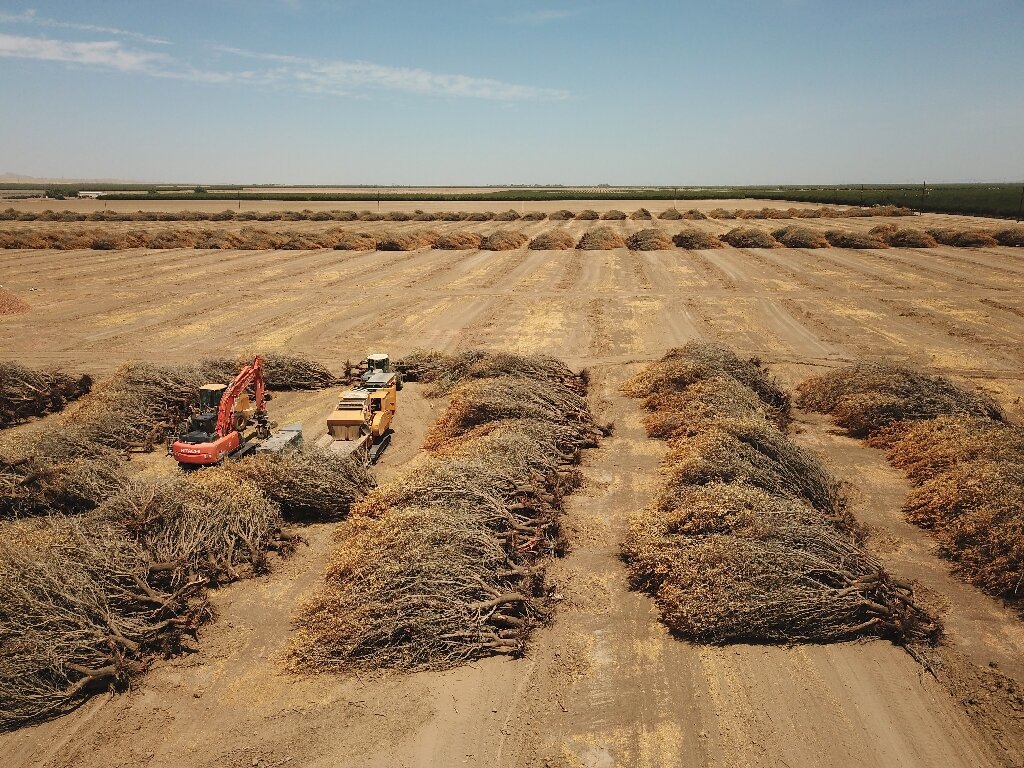
California's Central Valley produces 80% of the world's almonds. Each almond requires 3.2 gallons of actual irrigation water to grow. Not rainfall. Actual tap water pumped from aquifers.
One gallon of almond milk requires 162 gallons of irrigation water. Compare that to dairy milk at 8 gallons of tap water per gallon, with the rest being rainfall that falls on pasture anyway.
But here's where it gets properly grim. Almonds bloom for exactly three weeks in February. During those three weeks, California needs every pollinating bee in North America transported to the Central Valley or the crop fails entirely.
Commercial beekeepers truck in 31 billion honeybees. That's two-thirds of America's entire managed bee population, all concentrated in one valley for three weeks. The bees are packed into trucks, driven across the country, dumped into almond groves drenched in pesticides, worked to exhaustion, then packed up and shipped to the next crop.
The mortality rate is catastrophic. Beekeepers report losing 30 to 50% of their hives annually. That's billions of bees dead. Not from natural causes. From being used as disposable pollination machines for your almond milk.
The pesticides don't help. Almond groves are sprayed with neonicotinoids which scramble bee navigation systems, fungicides which weaken their immune systems, and herbicides which eliminate the wildflowers they'd normally forage on between almond blooms.
Meanwhile the aquifer depletion is permanent. The Central Valley has sunk 28 feet in some areas from groundwater extraction. That water took 10,000 years to accumulate. It's being drained in decades for almond milk.
Your vegan latte killed more bees and used more water than a year's worth of dairy milk. But it's got "plant-based" on the label so you're definitely saving the planet.
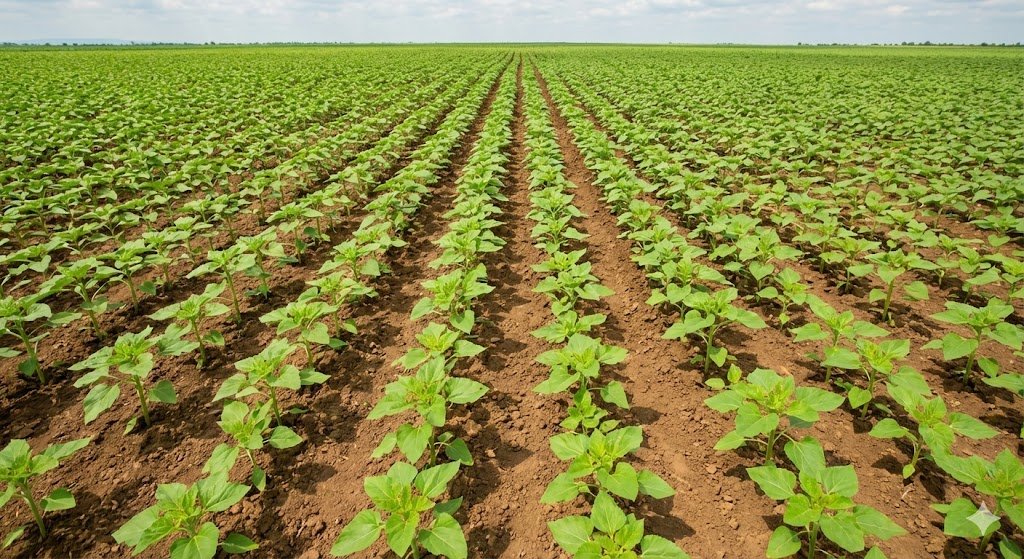
Las plantas perciben a sus vecinas antes de que les hagan sombra. La luz enriquecida en el rojo lejano les dice que hay otras plantas cerca. Responden con crecimiento en altura y así evitan que las sombreen. Lo sabemos desde hace tiempo y es fascinante.
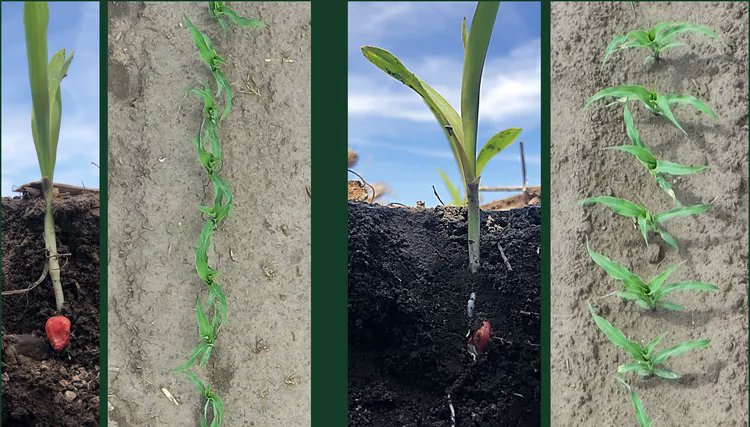
Nuevo producto locura de @PrecisionPlant. Despues de años de investigacion a campo sobre la posicion de la semillas. Desarrollaron la forma de posicionar la semilla de maiz en el optimo para asegurar una germinacion mas homogenea.