I’m building MyLeadsFactory and sharing what goes into turning ad spend into customers.
Paid ads. Landing pages. Lead quality.
I’ll post practical breakdowns and lessons along the way.
When someone requests a quote, confirm you received it and explain the next step. A short, honest response window beats silence. If the team needs an hour to call back, say that and make sure the handoff actually happens.
Before buying more leads, review the estimates that went quiet. Was the scope unclear, the timing wrong or the price beyond budget? Ask a short, respectful question. Record the answer. 'No response' tells you what happened, but rarely tells you why.
If your next available appointment is two weeks away, an ad promising immediate service creates the wrong expectation. Keep ads, booking pages and the team answering calls aligned on availability. A booked calendar is not a reason to make a promise you cannot keep.
A good inquiry from outside your service area still takes time to handle. Name the places you serve near the offer, then ask for a ZIP code when location determines fit. Review out-of-area inquiries before deciding the entire campaign is attracting the wrong people.
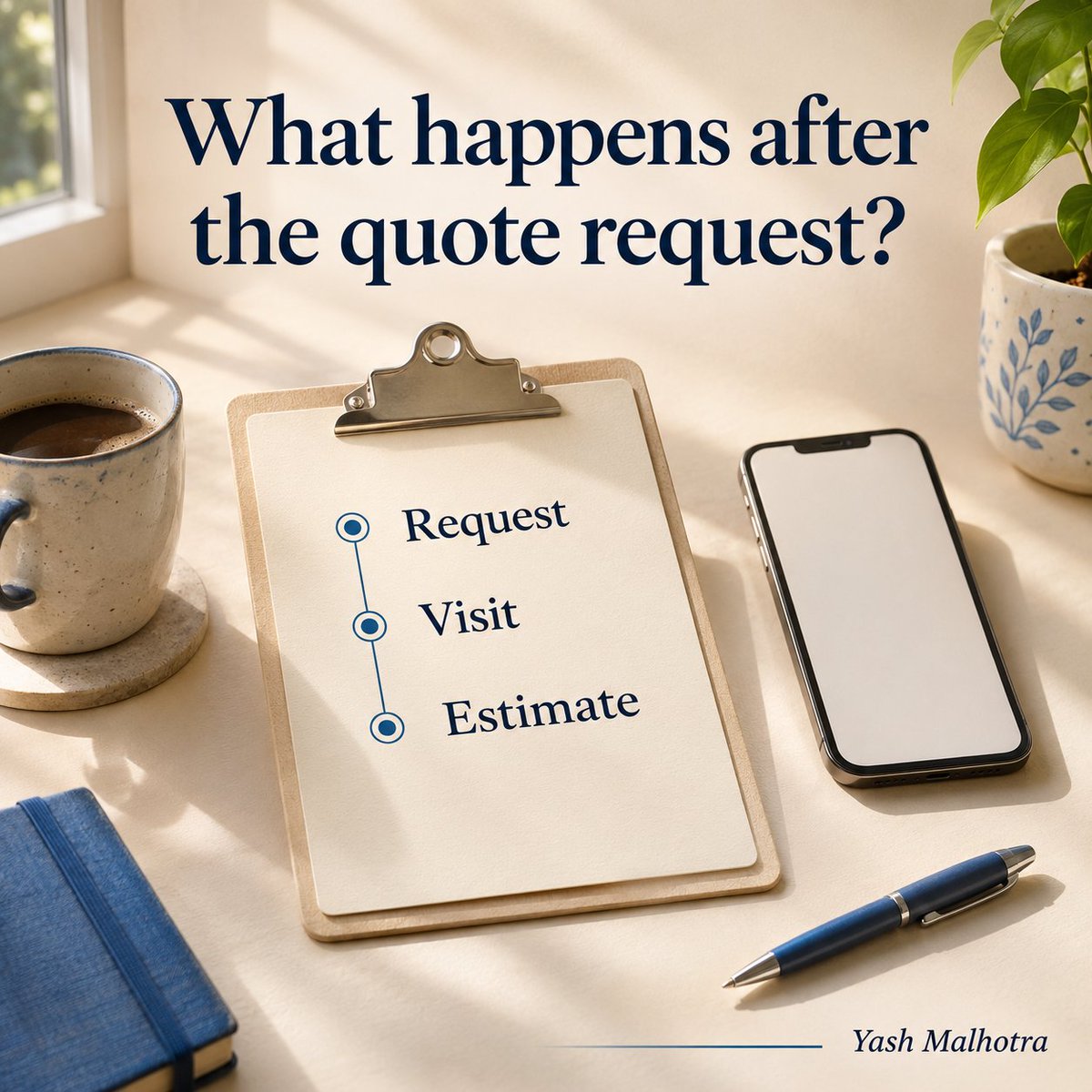
Does 'Get a quote' mean a phone call, a site visit or an emailed estimate? Say which one before the form. Add what information you need and when someone will respond. The next step feels easier when the customer knows what they are agreeing to.
A homeowner comparing contractors needs more than a promise of quality. Show a relevant job, explain what was done and answer the concern that made it difficult. A useful project photo gives someone a reason to trust the next step.
Before writing next week's ads, read the questions prospects asked this week. Which concern came up repeatedly? Turn one into a clear answer on your page or in a post. Keep private details out. Useful content can start with a real question.
Changed the audience, offer and landing page at once? A better result still leaves you guessing what helped. For your next test, choose one meaningful change, keep the rest steady and decide what evidence would justify keeping it.
A mobile visitor should not have to close a popup, dismiss a banner and hunt for the next step. Open your page on a small screen. Can you read the offer and reach the main button without fighting the layout?
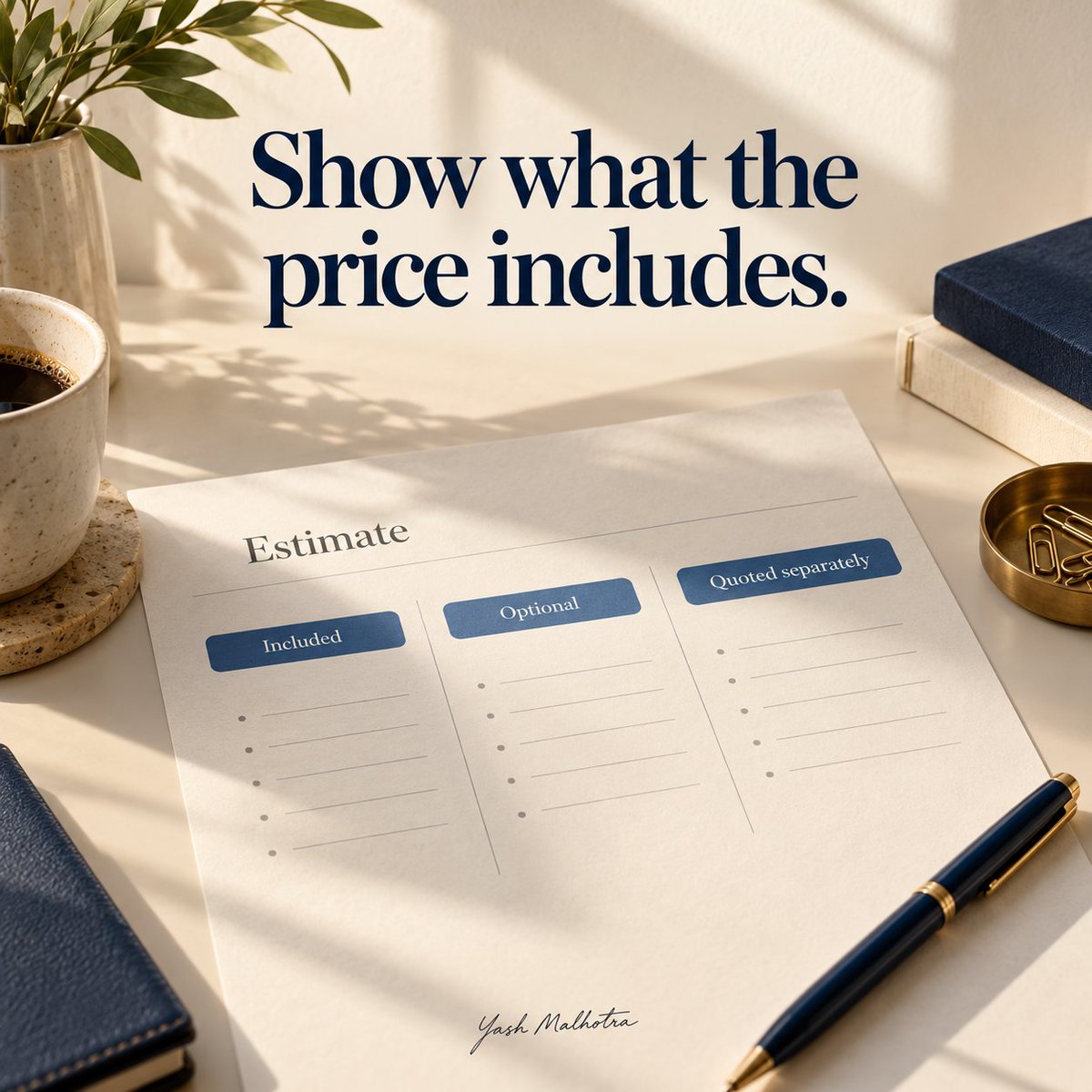
A starting price needs context. What is included? What changes the cost? What requires a separate quote? Put those answers beside the number so a prospect can judge fit before filling out the form.
Your ad can bring the right person and still lose the inquiry at the phone. If a call goes unanswered, who follows up? Check missed calls separately from form leads. Give each one an owner and a clear next step.
@vakninliorcom That boundary works best with a feedback loop. For roofing leads, send the agency the reason each inquiry was a poor fit: outside the service area, repair when you only do replacements, or wrong property type. A lead count alone hides those differences.
Before judging this week's leads, check whether they have had time to buy. Compare groups with the same follow-up window. A lead from yesterday and one from last month should not be expected to have the same outcome yet.
@matthicksau That also needs an owner on the business side. If someone replies "can we move it?" and nobody picks it up, the simpler option still fails. I would track reschedule requests through to attended calls, not just new bookings.
A booked call is not an attended call. Review no-shows separately from leads that never booked. Check the invitation, time zone, reminder and rescheduling option before assuming the audience is wrong.
If a prospect asks what is included, your proposal may need clearer boundaries. List the deliverables, exclusions, timeline and what you need from the client. Clear scope makes the next conversation more useful.
Before testing a new landing-page headline, write down the hypothesis. Example: visitors cannot tell which service this page offers. Then change the headline to name it clearly. A test should answer a question, not just produce a different design.
A service page should help the wrong visitor opt out too. State your service area, the work you handle and any genuine minimum requirements. More inquiries are only useful when your team can actually help the people sending them.
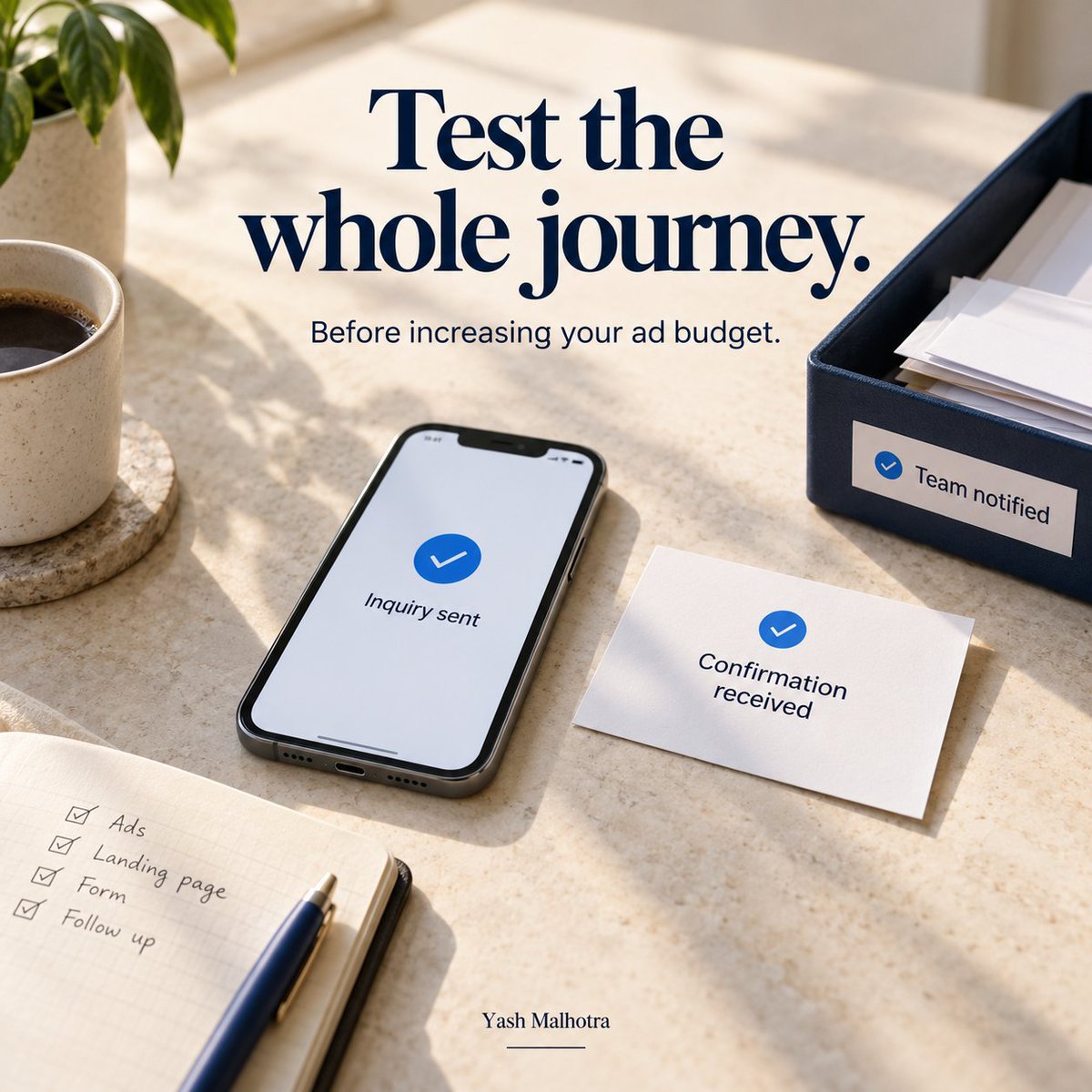
Before increasing your ad budget, submit your own inquiry from your phone. Did the form work? Did confirmation arrive? Did the right person receive it? A broken handoff can waste a good click.
A prospect says, “Send me some information.” What do they actually need to decide? Pricing, scope, timing or an example? Ask which question matters most, then send something that answers it.