How do bacteria build their flagella?
We’ve put together an animation of Salmonella flagellum assembly based on cryo-EM and X-ray structures.
From the membrane-embedded machinery to the growing filament, here’s how the parts come together, step-by-step.
Introducing AlphaProtein Novo, a pipeline for de novo enzyme design! In collaboration with @francesarnold's group, we developed AP Novo and used it to get SoTA "novel-scaffold" activity on 2 benchmark reactions and create enzymes to synthesize the pharmaceutical motif piperidine and degrade the environmental toxin DEHP.
Work led by @ZvxyWu@ZiqiLi0513 with teammates @alexechu_@kelly_ruijie@schulluc@jacobjinkelly@rosaliags@davidla@solserpens@j_reisenbauer, @pengliu_group, Josh, Thomas, Amy, Tristan, Harshnira, and others. It was a joy and privilege to work with you all!
Preprints and code:
https://t.co/Q3aaoSAFcv
https://t.co/NTtjUmk354
https://t.co/RoA7wEfzYn
An unexpected and potentially big finding:
A single mitochondrial protein has an outsized role, acting as a central node, coordinating our circadian clock, temperature, dietary cues, sleep/wake cycle to control brown fat metabolism @ScienceMagazine
https://t.co/jBbmaSjkaQ
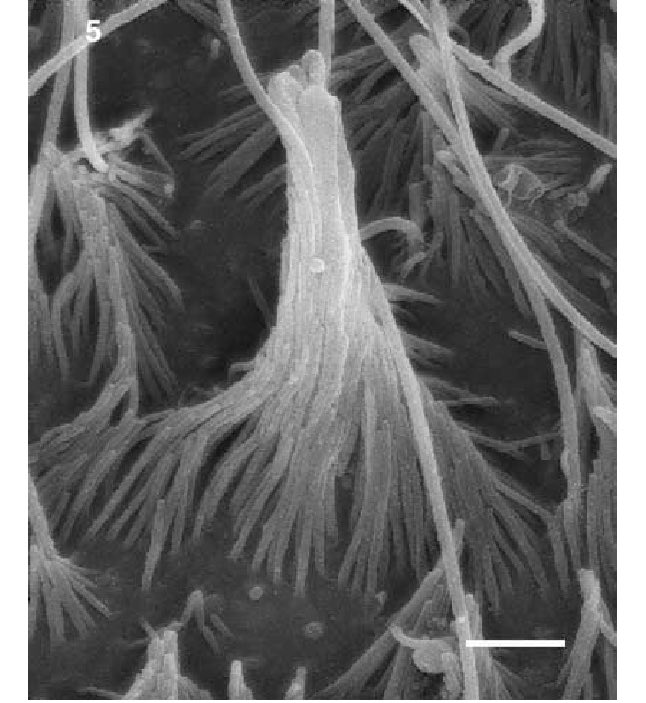
I was blown away in grad school in 2006 to learn sea anemones have hair cells. Look at these bundles! 🤯
Now, 20 years later, a major advance in PNAS: evidence that cnidarian stinging cells and vertebrate hair cells share an ancient TMC-based mechanosensory toolkit.
https://t.co/xWqfklRRE4
Image credit: Watson, Mire & Hudson, Hearing Research (1997), “Hair bundles of sea anemones as a model system for vertebrate hair bundles.”
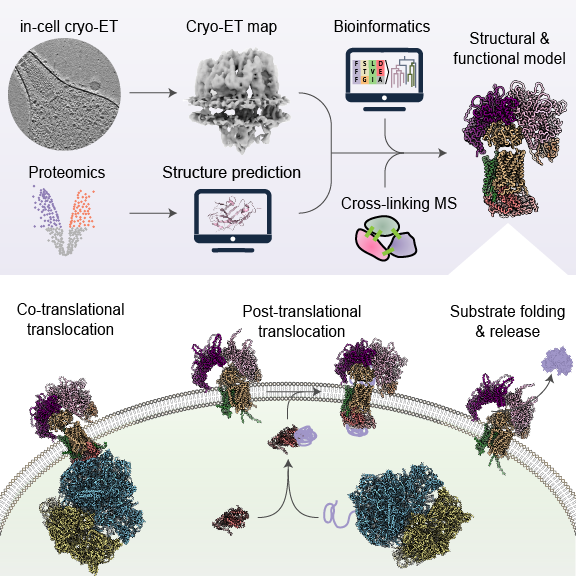
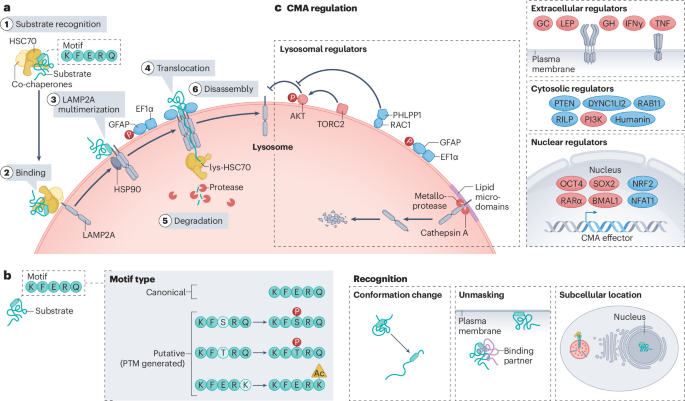
A new Review highlights the mechanisms of molecules that disrupt translation in an amino acid or mRNA sequence-dependent manner
https://t.co/2fcySo7LoI
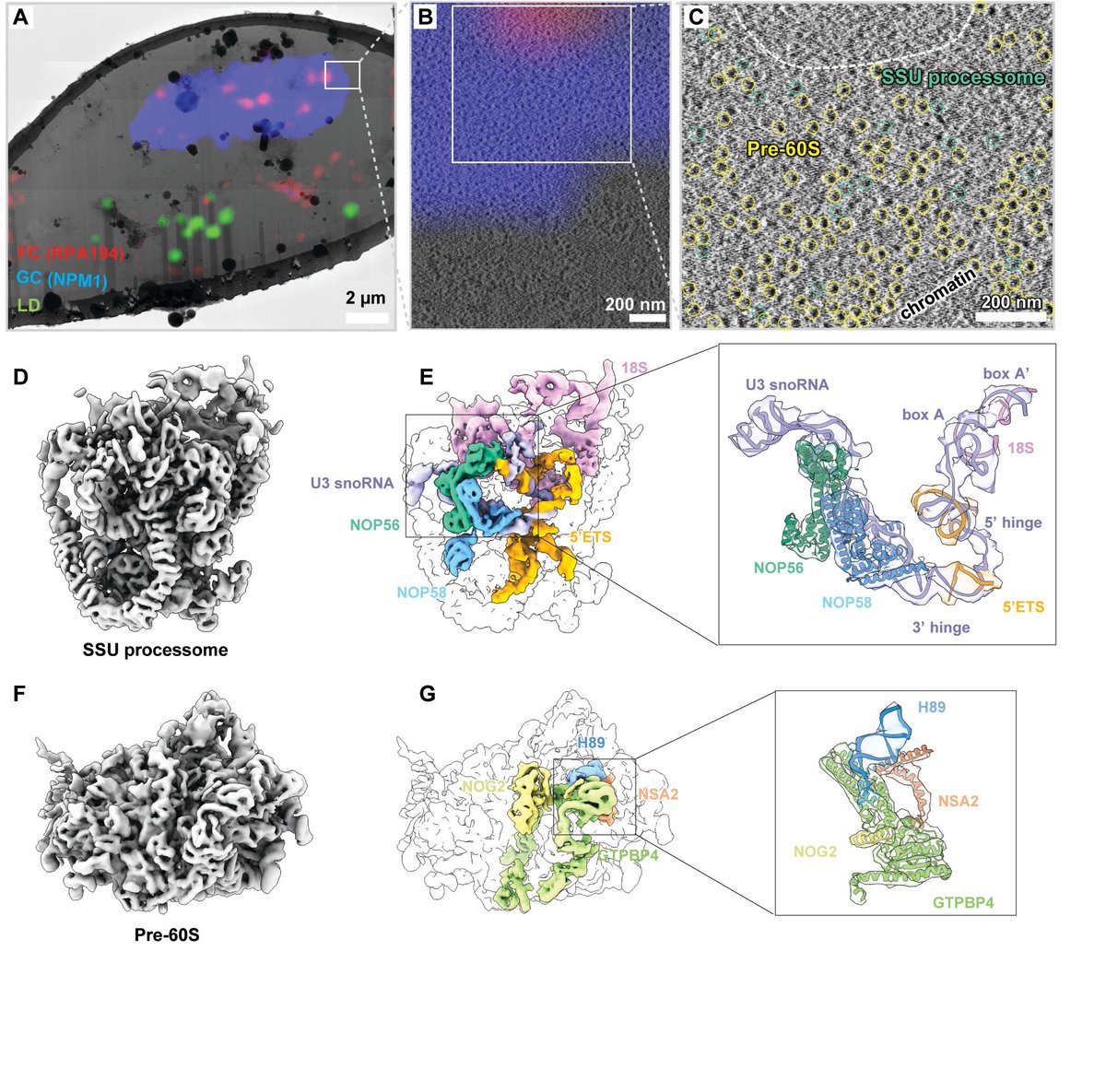
🎉 Out today in Cell: the paper I've been looking forward to sharing for a long time 🎉
We used cryo-ET to find a molecular machine nobody knew existed on the surface of a minimal bacterium, and worked out what it does.
🧵(1/6) #TeamTomo#cryoET
If you work with node trees in #b3d - I've saved you a lot of frustration.
My talk for BCON2026 about my `nobdepy` python package has been posted to YT.
Python code <--> Node trees
Fixes collaboration and versioning of node assets
#GeometryNodes
As someone who did this kind of genome mining work during my PhD, some thoughts on this Anthropic announcement:
First, the very simplified version of what they did is that they noticed two genes (one known, one new) sitting next to a weird repeating piece of DNA. More specifically, they described an unusual reverse transcriptase (RT) associated with a repetitive DNA array and an unknown accessory protein. This kind of process was used to understand CRISPR back in 2002 and was key to the gene editing tools we use today.
To put this into context, though, people have been finding RTs associated with CRISPR arrays since 2008, and this general kind of genome-neighborhood mining has been used to discover new biological systems for decades. The basic genome-mining strategy is well established, and there are now mature tools and published pipelines for doing much of this. There are papers that discover and experimentally validate dozens of new systems using this approach in a single study. Doing it in bacteriophage genomes is also nothing new (eg CasPhi).
Finding a weird cluster of genes and repeats is often the easy part. The hard part, and where the real discoveries come from, is figuring out what the system actually does. Eg for the bridge-RNA discovery in 2024 from @arcinstitute or the discovery of CasPhi in 2020 from @DoudnaJennifer they figured out the pieces of the system and the rules for what makes it work so it can be used.
Anthropic does not yet know what this does. They’ve shown that the repeat array produces RNAs, but not what those RNAs do, what the RT does with them, or whether the system has any of the programmable properties that make the CRISPR comparison justified.
I’m genuinely rooting for all of the frontier labs to seriously get into biological discovery, and I’m excited about what comes out of it. But announcing these very early, incremental findings with the framing of a major discovery doesn’t help. I’d much rather they set the bar high now, so that when an AI actually discovers a fundamentally new biological mechanism, everyone appreciates how big a deal it is.
BindCraft2 is out, ready to use on Tamarind on day one.
The workflow expands on the original BindCraft substantially. Most notably, now supporting VHH, scFv, Fab, and seven other binder modalities, supporting multi-state targets, and multiple targets at once.
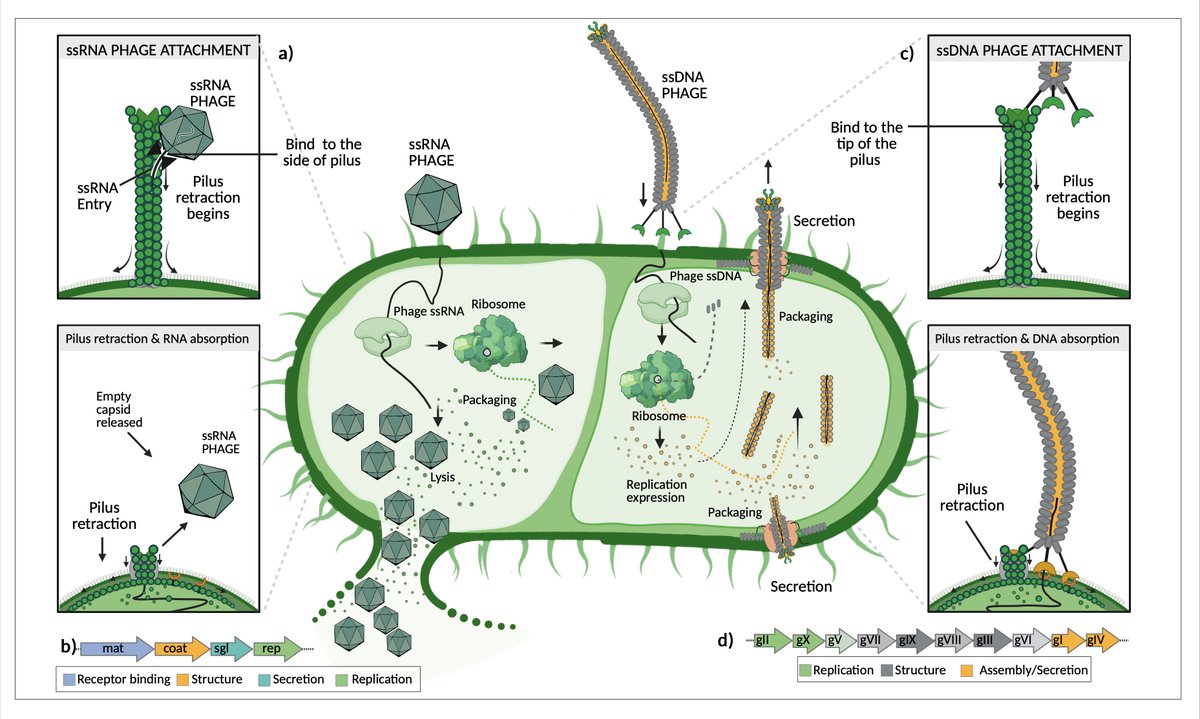
Some of the smallest 😎 viruses on Earth are all around us. Three or four genes 😍 each, in nearly every environment. We keep finding thousands by sequencing, yet don't know who they infect, can't easily isolate them....Our new preprint takes this on 🧵👇
Happy to share molecular mechanics of AMPA-subtype ionotropic glutamate receptor (iGluR) pre-activation and complete gating pathway revealed by time-resolved cryo-EM with the help of full and partial agonists. @MariaKarela3@MKCMU@shantigangwar
https://t.co/56mFj4BOba
Interested in molecular animation? Give ProteinBlender a try! It's free and open source. https://t.co/HtSCiWAaIl The latest tools include a DNA builder (shown in the tutorial video below). We'd love to hear what you think! We have short tutorials that cover all the features!