Long-term constipation and the repeated need to strain during bowel movements can be a major contributor to pelvic floor tension and dysfunction.
Over time, excessive pressure and chronic tightening of the pelvic floor muscles may lead to symptoms that appear unrelated to the gut, including pelvic pain,
urinary issues,
sexual dysfunction,
lower back discomfort, and
a constant feeling of tension in the pelvic region.
In many people with chronic digestive problems, the pelvic floor becomes part of the problem rather than simply a victim of it. This is why addressing constipation alone may not always resolve symptoms if pelvic floor dysfunction has already developed.
My approach focuses on understanding the underlying causes before recommending a treatment plan. Nutrition remains a fundamental component of health regardless of the presenting complaint, but chronic conditions are rarely caused by a single factor. Sustainable results often require evaluating digestive function, stress levels, nervous system regulation, movement patterns, breathing mechanics, pelvic floor health, sleep quality, and overall lifestyle habits alongside nutrition.
Rather than chasing symptoms, the goal is to identify and address the factors that contributed to the problem in the first place.
ARDS is one of the most challenging conditions encountered in the ICU 🫁🚨
📌 Severe hypoxemia
📌 Bilateral pulmonary infiltrates
📌 Non-cardiogenic pulmonary edema
📌 Decreased lung compliance
📌 Respiratory failure requiring advanced support
Remember the key management principles:
🫁 Low tidal volume ventilation (4–6 mL/kg IBW)
🔄 Adequate PEEP
🛏️ Prone positioning for severe ARDS
💧 Conservative fluid strategy
⚙️ Treat the underlying cause
The goal is not only to improve oxygenation, but also to protect the lungs from ventilator-induced injury.
A practical review of ARDS covering Berlin criteria, pathophysiology, ventilator settings, proning, ICU management, and high-yield critical care pearls 📚🩺
https://t.co/1dSdJ0q2Ra
HOW DRINKING PLAIN WATER IN A HEATWAVE CHOKES YOUR CELLS
Heatwaves push the human body to its physical limits, triggering a cascade of cellular changes that standard survival advice often makes worse. Drinking gallons of plain water and swallowing common pain relievers can disrupt your body at a cellular level.
To stay cool, the nervous system dilates blood vessels in your skin, shunting blood away from internal organs. This shift reduces the volume of blood returning to the heart. Your heart rate rises to maintain blood pressure, creating significant physical strain.
THE HORMONE CASCADE AND MINERAL LOSS
Reduced blood flow to the kidneys triggers the release of renin. This hormone initiates a pathway that produces angiotensin II, which tells the adrenal glands to release aldosterone. Aldosterone forces the kidneys to retain sodium to keep blood volume up.
Yet, this process forces the kidneys to dump potassium and magnesium. Swallowing plain water in large amounts dilutes the remaining minerals in your blood, accelerating this loss.
Cells require magnesium to function. Magnesium must bind with adenosine triphosphate (ATP) to power cellular enzymes. When magnesium levels drop, the pumps that clear calcium from your cells fail. Calcium then floods the cell interior, causing swelling and cellular damage.
THE COLLAPSE OF CELLULAR POWER
Extreme heat also damages the inner membranes of your mitochondria. When tissue temperatures rise, these membranes leak protons, which stops the electron transport chain.
This breakdown generates destructive free radicals that attack cardiolipin. Cardiolipin is a phospholipid that holds the cell's energy-producing structures together.
Once cardiolipin is damaged, the cells must burn more fuel to generate energy. This uncoupling produces excess internal heat and slows your metabolism. The type of fat in your diet affects this process.
Polyunsaturated fats damage easily under heat stress. Saturated fats contain no double bonds, making them stable against heat-induced damage.
To limit internal heat, the body also alters thyroid function. The brain reduces thyroid-stimulating hormone. At the same time, peripheral enzymes convert thyroxine (T4) into inactive reverse T3. This shift blocks the production of active T3, acting as a brake on your metabolism.
THE BREAKDOWN OF THE GUT BARRIER
Shunting blood to the skin deprives the digestive tract of oxygen and nutrients. This lack of oxygen drains energy from the cells lining your intestines. Without energy, the tight junctions holding these cells together pull apart.
This opening allows bacterial toxins called lipopolysaccharides to leak from your gut into your bloodstream. These toxins travel to the liver, where they trigger inflammation. Eating sugary sports bars during a heatwave worsens this barrier breakdown.
Taking aspirin or ibuprofen during hot weather increases these risks. Under heat stress, the kidneys rely on chemicals called prostaglandins to keep blood vessels open. Pain relievers block these chemicals. This action restricts kidney blood flow and stops sweat production, disabling your body's main cooling mechanism.
THE CORE PILLARS OF CELLULAR PROTECTION
To defend your body against heat stress, you must focus on three essential solutions that target these cellular pathways directly:
First, swap plain water for structured mineral hydration. Consuming fluids that contain potassium, sodium, and magnesium allows your body to retain fluids and expand blood volume without triggering the aldosterone hormone spike that wastes key minerals.
Second, protect your mitochondrial membranes from heat-induced oxidation. Shifting your diet away from unstable polyunsaturated seed oils toward stable saturated fats builds membranes that resist heat stress, shielding cardiolipin and preventing metabolic uncoupling.
Third, use specialized vascular cooling and support your breathing. Cooling your palms and soles in cool water extracts core heat through specialized blood vessels. Breathing only through your nose keeps carbon dioxide levels stable, preventing respiratory alkalosis and allowing oxygen to reach your tissues.
The detailed daily protocols, specific recipes, temperature targets, and physical setups for these remedies appear in Part 2, with a bullet point cheat sheet in Part 3.
A 26 yr old man was once referred to me from the General Medicine Dept, with a BP reading of 220/130 mmHg. His presenting complaint was Headache. S.Creatinine- Normal. No family history of hypertension. No Diabetes. Ultrasound of the kidney was normal. Urine exam- Normal. Amlodipine, Telmisartan & Metaprolol had failed to reduce his BP. I diagnosed & cured his hypertension. Diagnosis? Treatment? Thoughts?
#Urology #MedicalStudents
#Hypertension
A patient's relative asked: "Doc, if a rapidly growing cancer needs massive amounts of energy to survive, shouldn't the patient feel constantly starving? Why do they completely lose their appetite?"
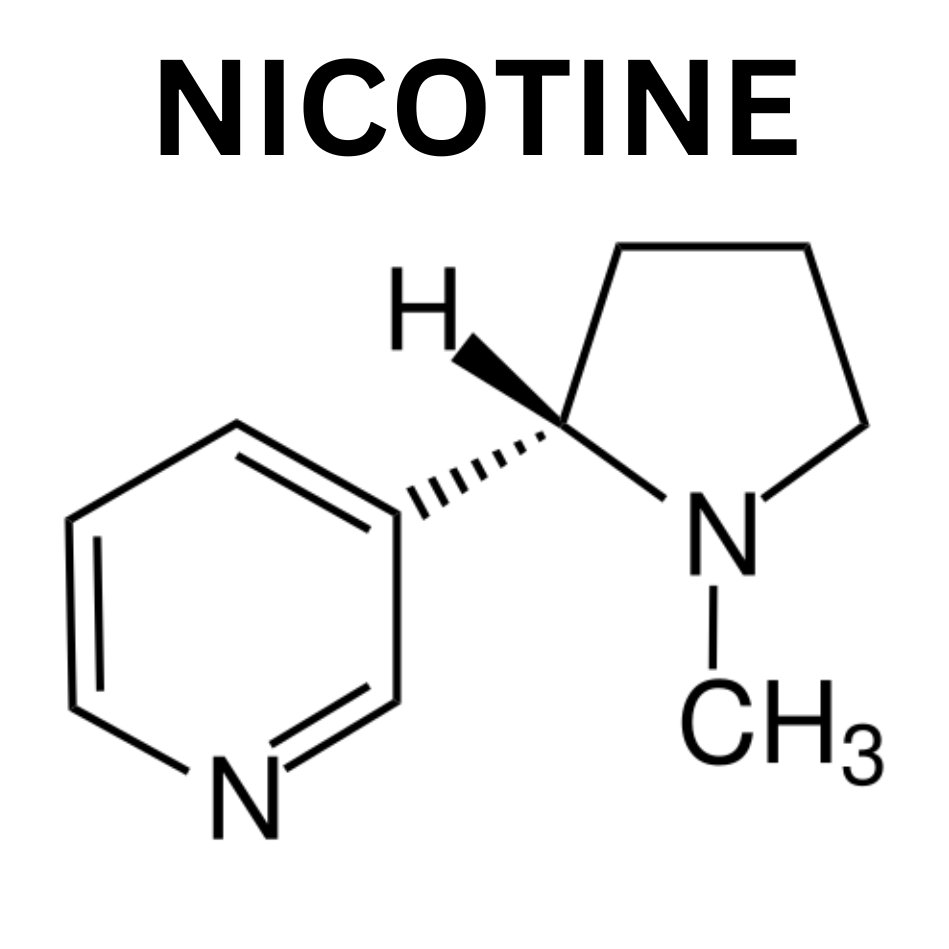
The benefits of NICOTINE will shock you.
➱ Anti-inflammatory
➱ Promotes focus
➱ Dopamine enhancing
➱ Reduces oxidative stress
➱ Improves mitochondrial function (ups SIRT1)
➱ Improves memory
➱ Enhances learning
➱ Reduces amyloid plaque buildup
➱ Therapeutic in some IBDs
➱ Protective against myocarditis
➱ Protective in autoimmune conditions
Have all been demonstrated (to varying degrees) in research. It's not for everyone and does have its downsides - but it can be an absolute powerhouse.
what is the hallmark of secretory diarrhea?
A. Resolution during fasting
B. High osmotic gap
C. Persistence during fasting
D. Presence of steatorrhea
E. Increased fecal fat
Knee Osteoarthritis: Mild Effusion ≠ Inflammatory Arthritis
Not every knee effusion indicates rheumatoid arthritis or another inflammatory disease.
In older adults with:
✔️ Mechanical knee pain
✔️ No significant morning stiffness
✔️ Normal ESR & CRP
✔️ Negative RF & anti-CCP
✔️ MRI showing cartilage loss, osteophytes, subchondral cysts, and joint-space narrowing
The diagnosis is often osteoarthritis, even when mild effusion, reactive synovitis, or popliteus tenosynovitis are present.
Clinical Pearl:
Treat the patient, not the MRI. Always interpret imaging findings in the context of history, examination, and laboratory data.
— Dr. Aravind Palraj
#Rheumatology #Osteoarthritis #MSKRadiology #MedicalEducation #ClinicalPearls @IhabFathiSulima
If ABGs have ever felt confusing, this might be the only summary you'll need before the exam.
Built this one page cheat sheet to simplify acid-base disorders, compensation rules, anion gap analysis, and mixed disorders.
Everything you need to crack ABG fast 👇
#medtwitter
🚨 Ozempic is not a diabetes drug that happens to help your heart. It is a cardiovascular drug that also controls blood sugar.
The medical community had this backwards for years.
But the data says otherwise.
🫀 SELECT (semaglutide) enrolled 17,604 patients with established cardiovascular disease and no diabetes. These were not diabetic patients getting a bonus heart benefit. These were heart patients. And semaglutide cut major adverse cardiovascular events by 20% compared to placebo.
That matters because the reduction in heart attacks and strokes happened independently of weight loss and independently of glucose control. The drug was doing something else. Something direct.
🔬 Here is what the science actually says about the mechanism:
✅ Semaglutide reduces systemic inflammation. CRP dropped significantly in SELECT.
✅ It lowers blood pressure, triglycerides, and visceral fat simultaneously.
✅ GLP-1 receptors sit on cardiac tissue, vascular endothelium, and the kidneys. This is not a gut drug. It is a whole-system drug.
✅ The atherosclerotic plaque burden itself appears to respond to GLP-1 receptor agonism. The biology runs deeper than appetite suppression.
💓 The numbers from SELECT are not subtle:
20% reduction in major adverse cardiovascular events.
17,604 patients followed over a median of 40 months.
The benefit appeared regardless of starting body weight, meaning a patient who lost 5% of body weight got similar cardiovascular protection to one who lost 15%.
The question is no longer whether semaglutide helps the heart. The question is why we are still treating it like a weight loss drug with a side benefit.
⚠️ Here is what concerns me as a cardiologist:
Patients are being denied this medication because their insurance classifies it as an obesity drug.
Physicians are prescribing it primarily for aesthetics and not anchoring the conversation in cardiovascular risk reduction.
The patients who need SELECT-level protection most are the ones least likely to get the prescription written correctly.
🩺 I am a cardiologist. I have patients with prior heart attacks, preserved ejection fraction, and zero diabetes diagnosis who are now on semaglutide because SELECT gave me the data to justify it. That conversation used to be harder. It is not hard anymore.
A patient who starts semaglutide after a first heart attack can reduce their risk of a second major cardiac event by 20% over 3 years. That is the difference between a second hospitalization and a decade of stable cardiovascular health.
❤️ Bottom line:
Ozempic is not a diabetes drug. It is a cardiovascular drug with the trial data to prove it.
SELECT tested 17,604 non-diabetic heart patients and delivered a 20% reduction in major cardiac events.
Get your cardiovascular risk assessed. Ask your cardiologist about GLP-1 receptor agonists by name. Do not wait for your endocrinologist to bring it up first.
The tools with the strongest data are sometimes the ones still being mislabeled. Semaglutide is one of them.
When did you last have a conversation with your doctor about your actual cardiovascular event risk, not just your cholesterol number?
#Cardiology #HeartDisease #HeartHealth #CardiovascularHealth #Ozempic #Semaglutide #GLP1 #HeartAttackPrevention #PreventiveCardiology #MetabolicHealth
Which of these is the strongest warning sign that a MOLE might actually be a deadly skin cancer?
A) It is raised like a bump
B) It has a hair growing out of it
C) It has multiple different colors
D) It hurts when you press it
Bonus: What are the other major warning signs?
Most of you asked this question
Then what should I eat?
1) Protein at every meal (eggs, paneer, fish, chicken)
2) Plenty of vegetables
3) Dal, sprouts, legumes
4) Small portions of rice, wheat, millets or jowar.
Most NCDs are caused by excess calories, ultra-processed foods, too little protein and sedentary lifestyle.
CONGENITAL GLAUCOMA
The video shows a baby with strikingly large, prominent blue eyes, wide-open mouth (often in an “O” shape), and cheeks being gently held/squeezed by adult hands. The baby alternates between wide-eyed expressions and blinking/closing eyes.
This is a classic presentation for congenital (infantile) glaucoma, specifically with buphthalmos (enlarged “ox-like” eyes due to elevated intraocular pressure stretching the immature sclera/cornea in infants).
Why this fits: ———-
• Large/“beautiful big blue” eyes: High pressure causes the eyeball to expand (buphthalmos), making eyes appear bigger and more prominent. The blue appearance can be striking due to corneal stretching/thinning or associated features.
• Common in medical teaching cases (especially for ophthalmology/pediatrics): Parents or others often first notice the “cute big eyes” before diagnosis. Untreated, it leads to vision loss. #MedTwitter #MedEd #MedX