@zhan1624 One issue is that oftentimes, researchers bias towards human interpretable spatial representation while discarding latent space organizations that are more natural to large scale model training
@SOURADIPCHAKR18@tinkerapi@thinkymachines@PrimeIntellect The concept of rollouts needs to be flushed out a lot more, there is so much information that gets thrown away in failed rollouts that is actually quite useful if you can measure intermediate rewards
@MaziyarPanahi There's a lot of nuance to this. Like most problems, AI automation covers the 0-90 and not the 90-100 last mile of the problem. A future where radiologists are able to run diagnostics with a full AI workflow requires researchers, doctors and hospitals to work side by side
I feel like intermediate tasks are scoped from the perspective of human intuition rather than grounded in model performance ablations. Oftentimes, it is questionable as to why the model needs to have human interpretable semantic understanding at an intermediate stage to begin with.
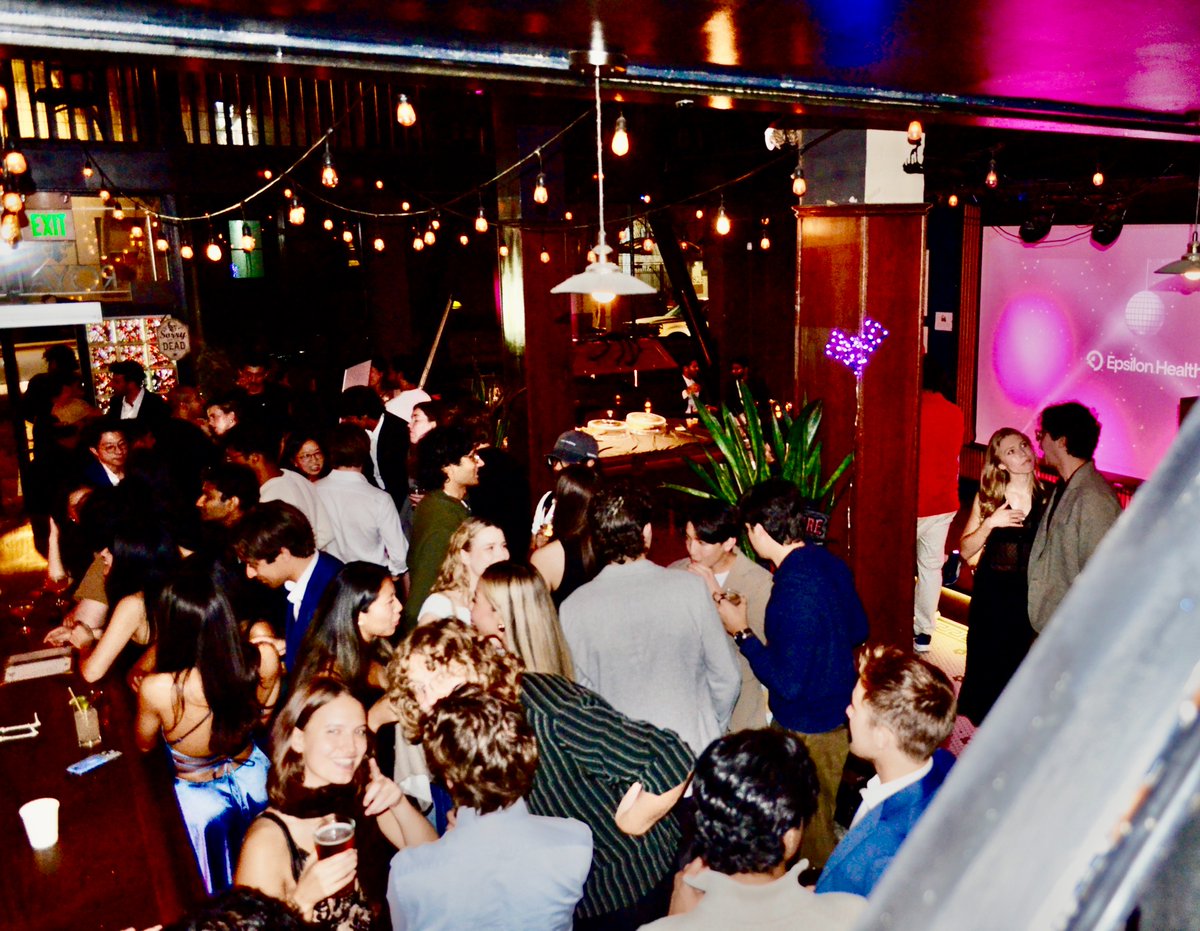
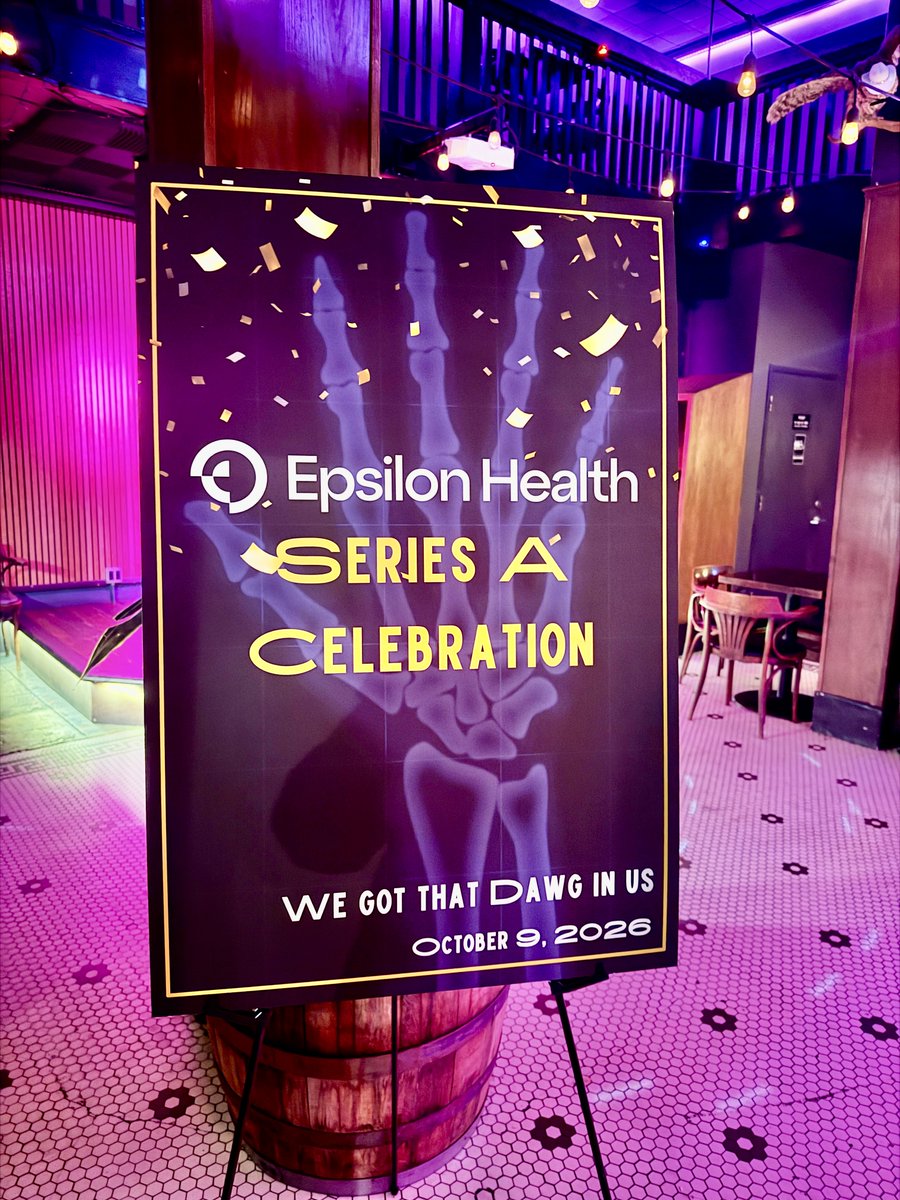
A new chapter for Epsilon Health: out of stealth, $27.6M raised and 300,000+ patients served.
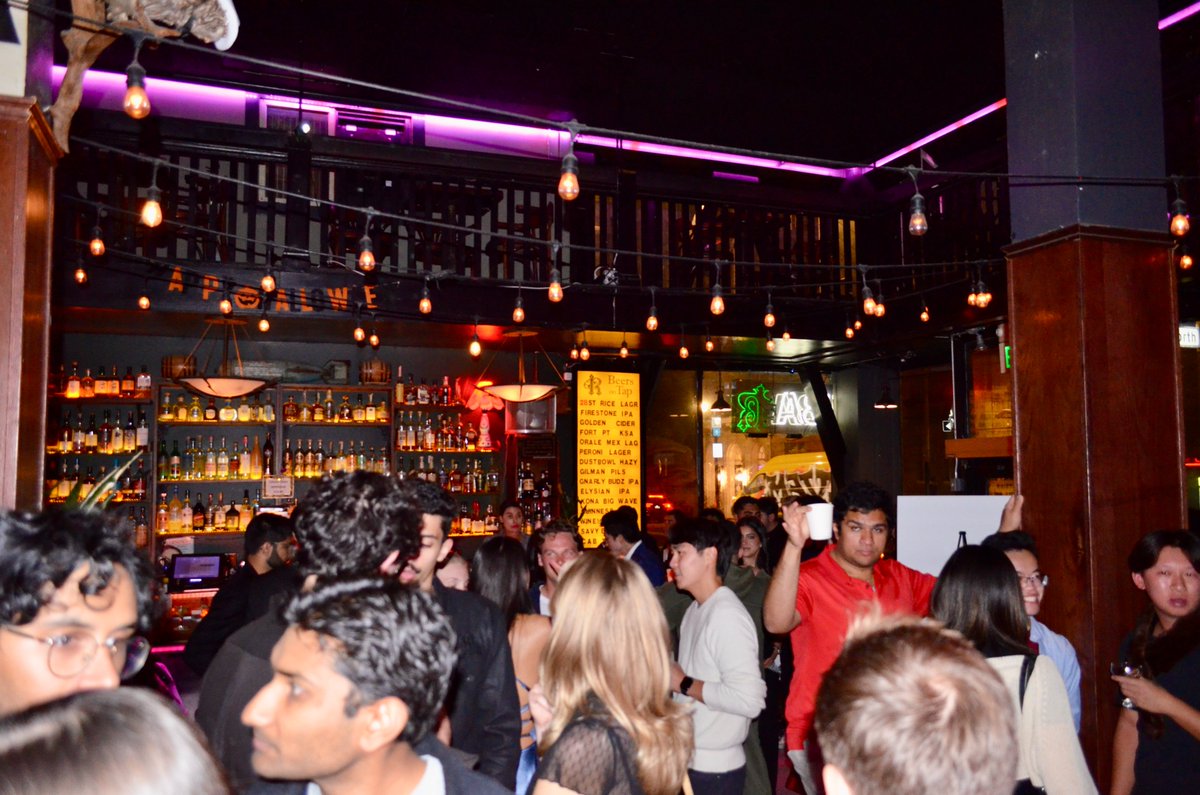
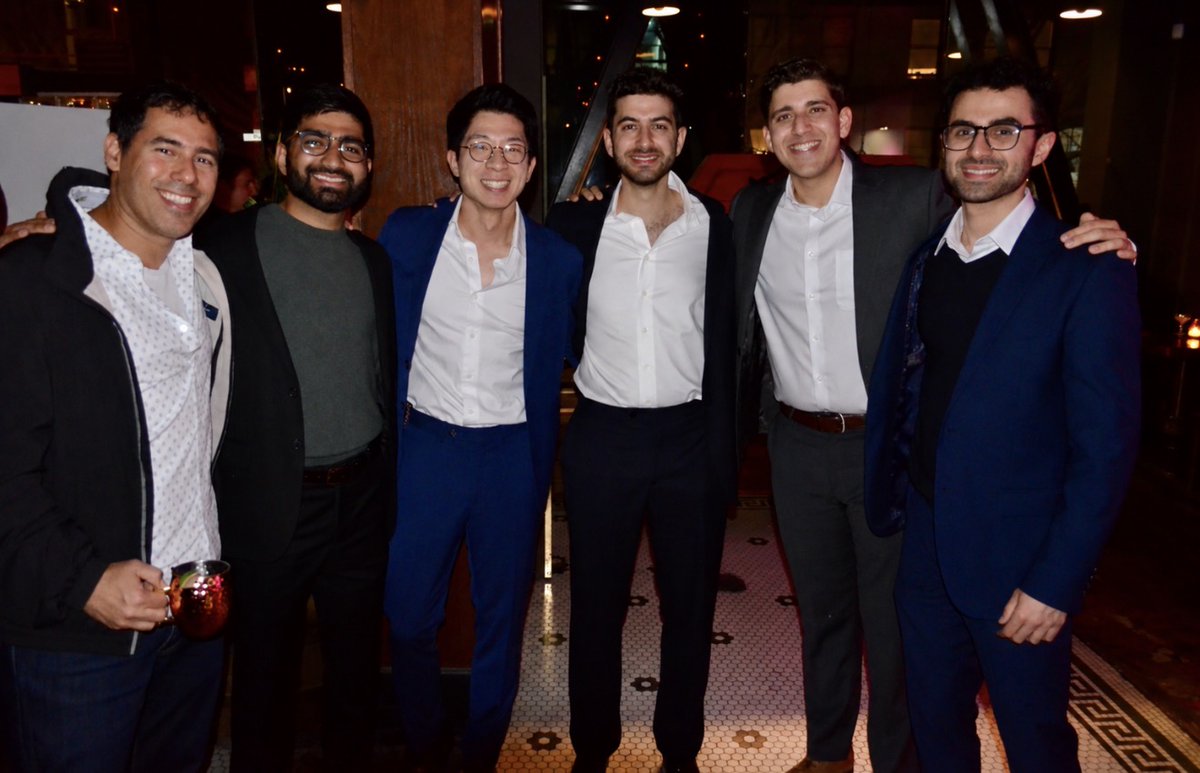
We brought together friends, investors, and early supporters to celebrate these milestones (s/o @thistrippjones from @uncorkcap!)
Grateful to the people who’ve supported us along the way, and to those who came out and made the night what it was.
Rustin Rassoli, @aakamishra1 , @arjunkarpur, Matt Grisanu Naing, Roi Bittane MD, @bahram_t
@Williamiumli If you can super impose an attention map to the tool as the model iterates through the conversation, it would make it more evident if register tokens play a part in model hallucination.
@sohn522 The industry has to do a lot more to make model outputs understandable and auditable to prevent this from happening. 👀
https://t.co/jbg8ljhMTA
@_jasonwei the biggest misconception among ML researchers is that radiology is a classification problem. Spotting a pathology is def the easy part. Radiologists localize, grade, extrapolate, and reason about what it means. That is why VLMs have made strides in the community
The @epsilonhealth team is proud to partner with @verdacloud to accelerate our radiology AI research.
Thanks to Verda, we've been able to train our models on dedicated @nvidia Blackwell Ultra GPUs, allowing our research team to do 5x more experiments per week and significantly faster training.
Moreover, with Verda’s infrastructure and engineering support, our research team can spend less time managing infrastructure and more time advancing research.
Above all, helping save more lives.
Huge thanks to the Verda team.
@arjunkarpur@aakamishra1
#nvidia #healthcare #infrastructure #AI #compute
Downscale medical imaging to fit in GPU memory and the model loses the detail that catches faint findings.
@epsilonhealth built its next-gen radiology AI models on a dedicated NVIDIA Blackwell Ultra cluster on Verda, now running 5x more experiments/week and training 3x faster.
Full story: https://t.co/IXECCwS03O
Diagnostic information is already in the image tokens when they enter a language model. Notably, as they pass through it, the model re-expresses that information in terms of its own clinical vocabulary without direct supervision on the image tokens. We found that these findings become less tied to anatomy as it gains semantic representation.
We're excited to share our latest research: How Image Tokens Learn the Language of Radiology.
Epsilon researchers @arjunkarpur and @aakamishra1 analyzed 2,400 X-ray studies to understand how image representations change as they pass through a VLM.