My pull request just got merged into @freeCodeCamp 🥳🎉
Special thanks to @kunalstwt and @eddiejaoude for introducing me to the world of open source.
Thanks to everyone involved! 🙏
@Ksound22
JavaScript object shorthand property is a convenient feature that allows you to create objects more concisely.
If the property name matches the variable name, you can skip the redundant key-value pair syntax.
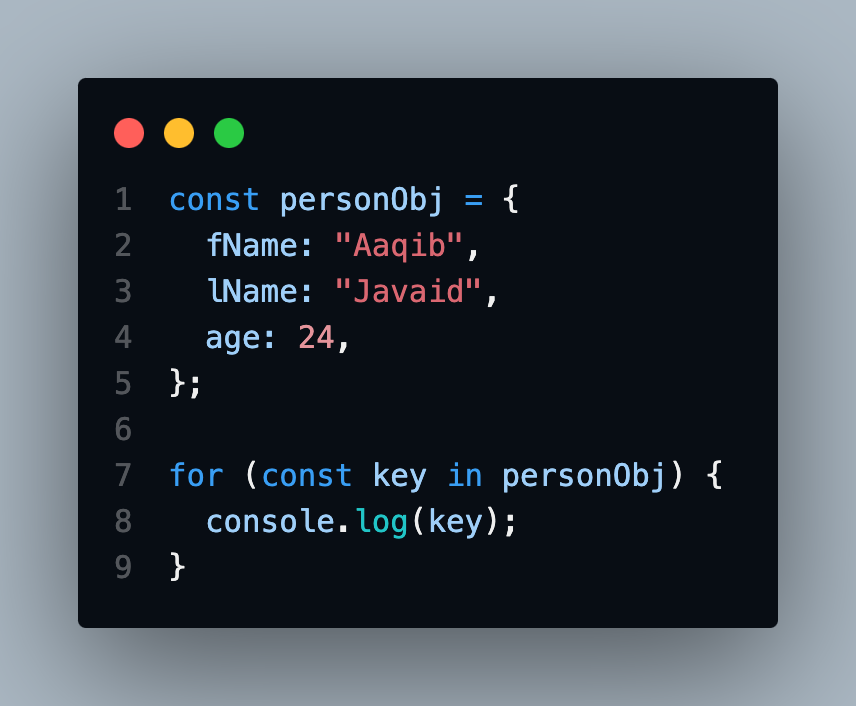
In JavaScript, object properties are key-value pairs directly defined within an object.
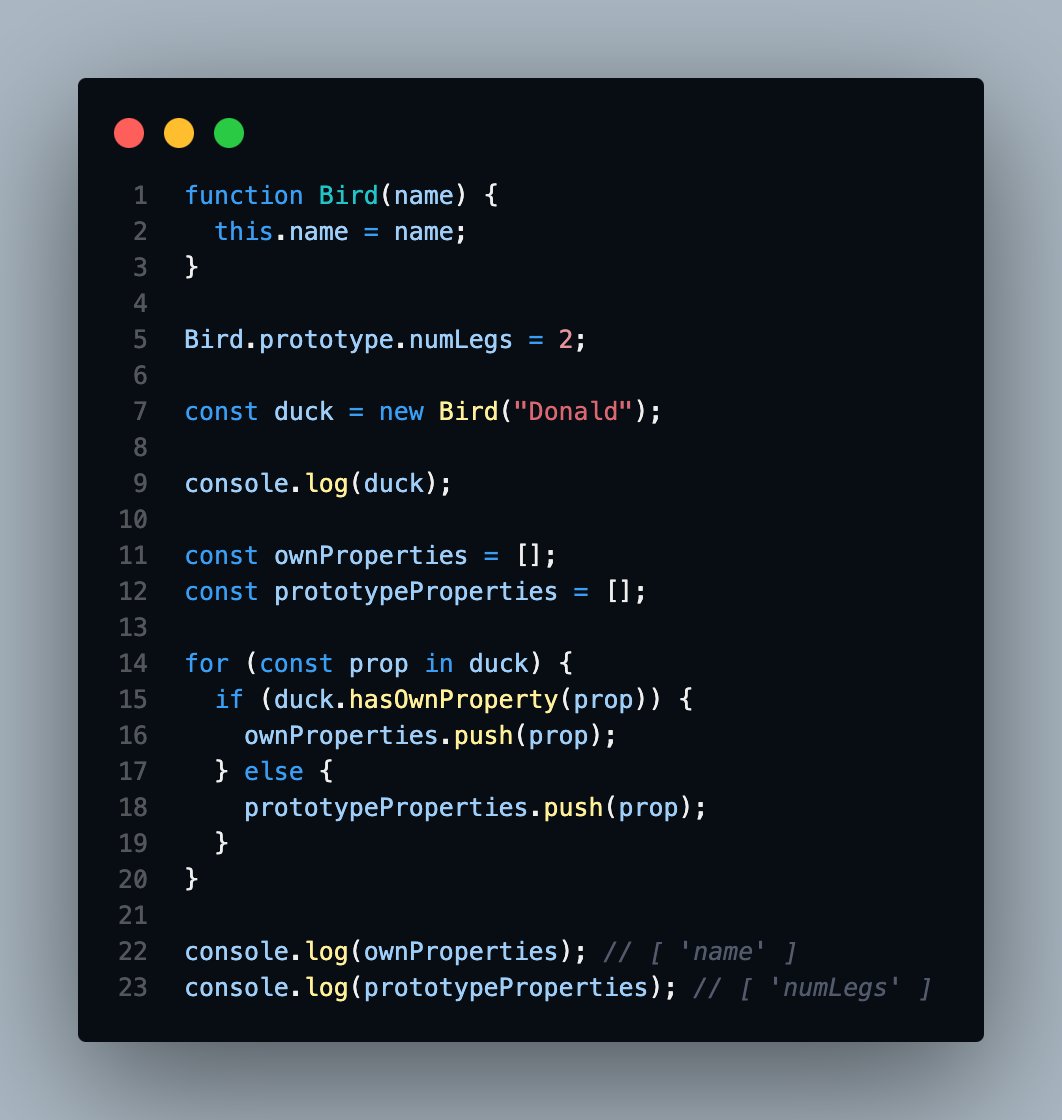
Prototype properties are inherited from the object's prototype, allowing for shared properties across instances without duplicating code.
JavaScript is a dynamically typed language, which means types can be implicitly converted during operations, sometimes leading to unexpected behavior.
This is known as type coercion.
Using `===` helps you avoid unexpected type coercion issues.
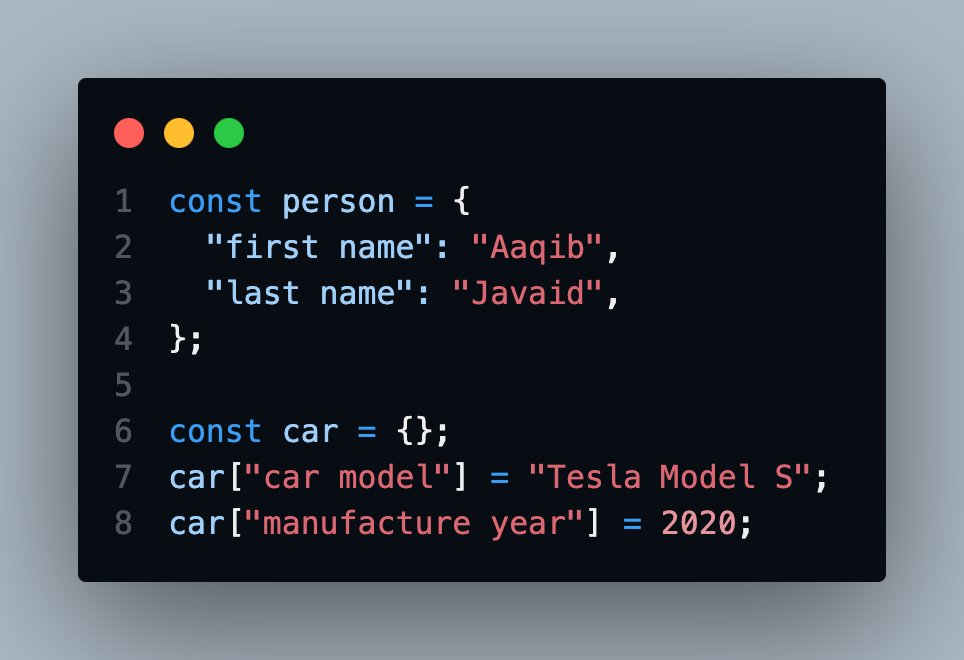
In JS, if you want to set a property name in an object that contains multiple words, you need to enclose the property name in quotes.
This can be done when creating the object or when adding properties to an existing object.
`.bind()` in JS👇
The `.bind()` method in JavaScript is used to create a new function that, when invoked, has its `this` keyword set to a specified value.
This method also allows you to pre-set arguments for the function.
A linked list is a linear data structure with nodes connected by pointers or references.
Each node contains data and a link to the next node.
Unlike arrays, linked lists enable efficient insertion and removal of elements from any position.
Object.keys() is a useful method in JavaScript for obtaining an array of an object’s keys, providing a straightforward way to access and manipulate object properties programmatically.
It’s commonly used in scenarios requiring dynamic access to object keys.
The useParams() hook simplifies parameter extraction from URLs in React applications using react-router-dom.
It's handy for facilitating dynamic rendering and interaction based on URL parameters specified in Route components.
React is celebrated for its declarative nature, which simplifies the process of building user interfaces.
Instead of manually manipulating the DOM to update UI components, React allows developers to describe how the UI should look based on data changes.
https://t.co/Do7bpEIU9W
Creating responsive designs with Tailwind CSS is remarkably easy due to its utility-first approach and built-in responsive design classes.
It provides a range of predefined classes for different screen sizes, allowing you to apply styles directly in your HTML.
Environment variables are crucial in software development.
They help us keep sensitive info like passwords and API keys out of your source code.
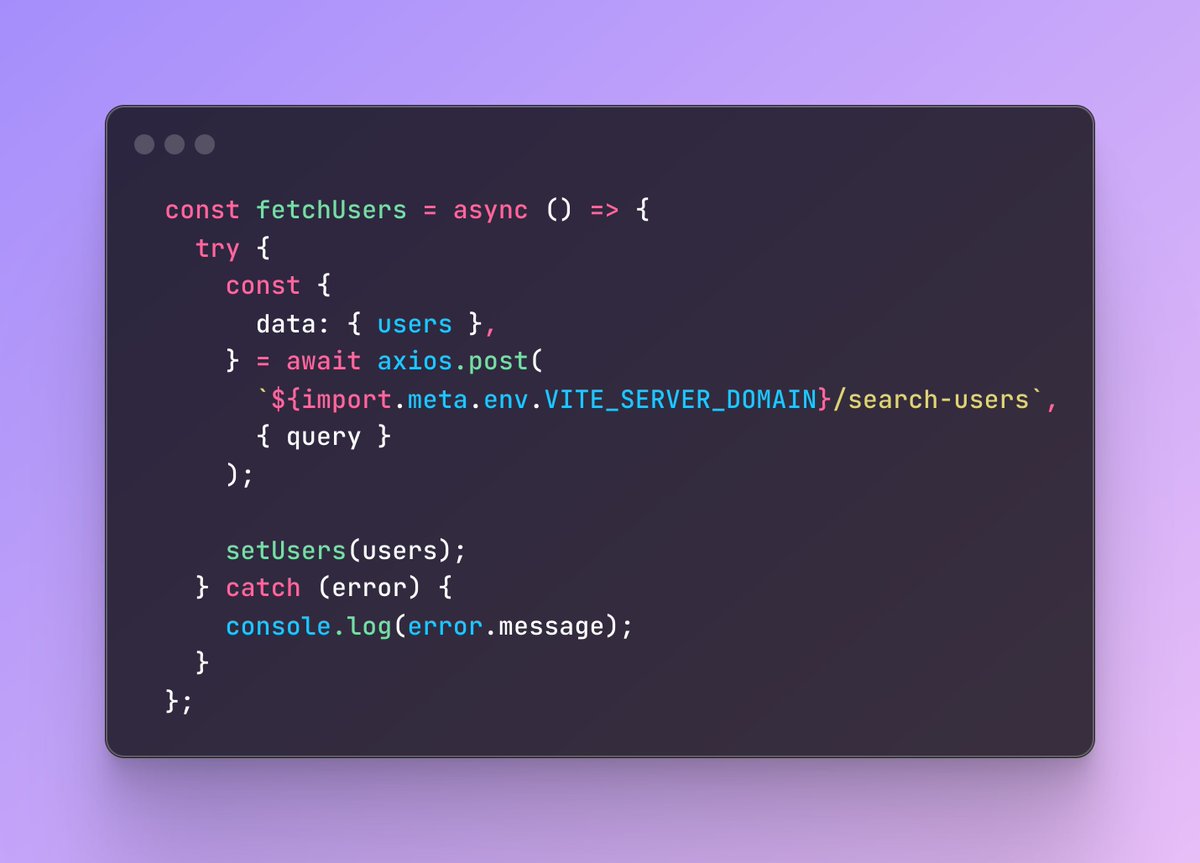
Import .env variables in VITE👇
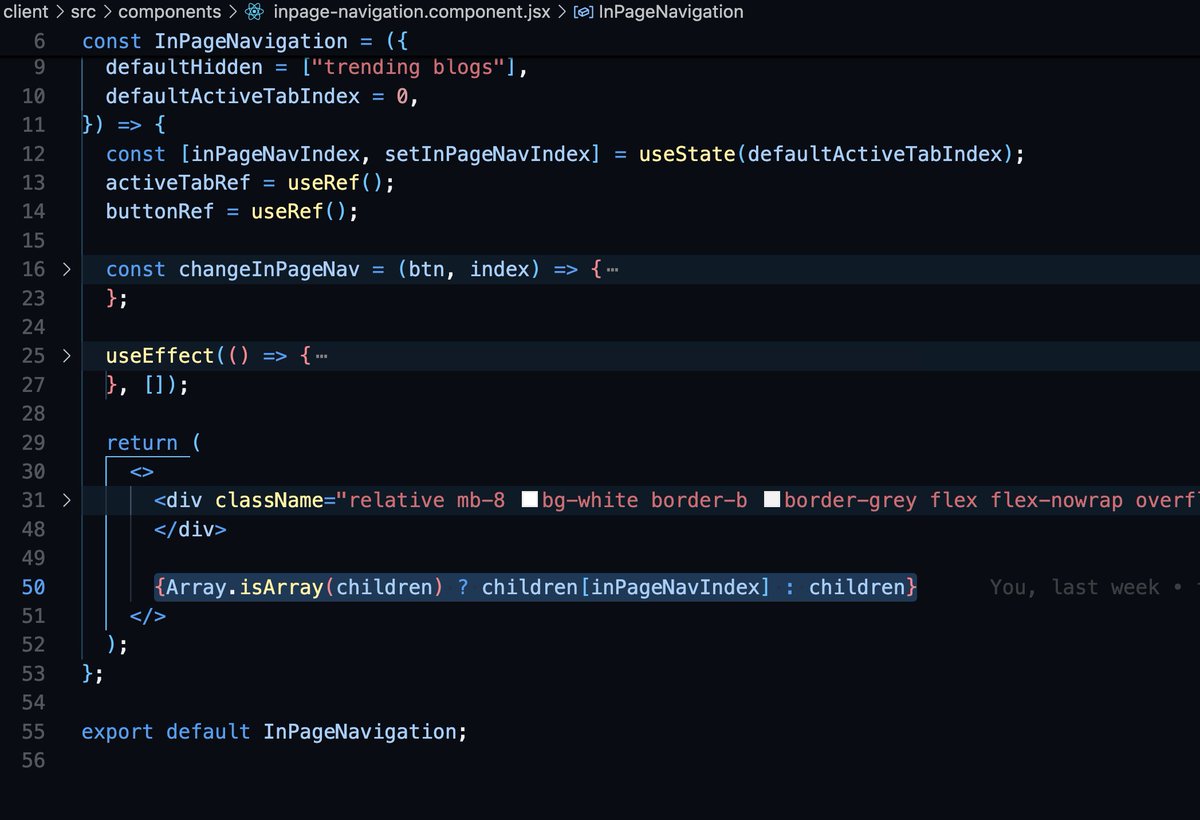
In React, the children prop can hold a single child element or multiple child elements.
When a single child is passed, props.children is a single React element, while multiple children result in an array of React elements.
The Array.isArray() method in JS is like a simple test to check if something is an array.
Imagine you have different types of items such as numbers, strings, and arrays, and you want to determine if a specific item is an array. You can easily do so using Array.isArray().
The children prop in React is a powerful feature that facilitates the creation of flexible and reusable components by allowing components to wrap and render other elements or components.
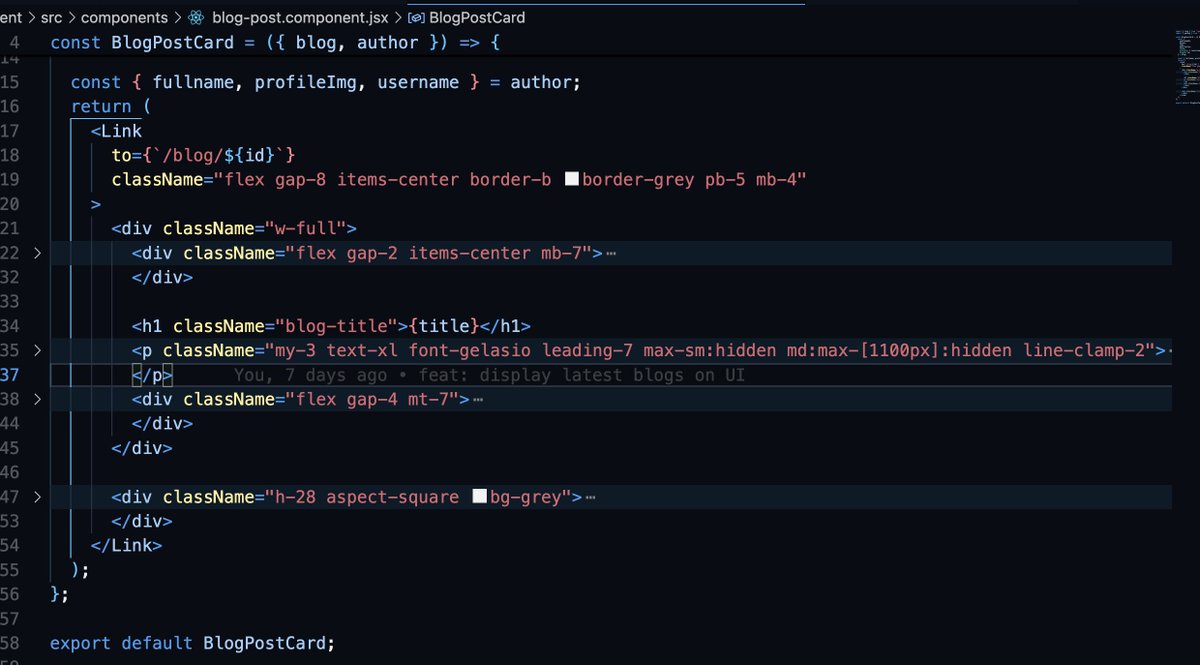
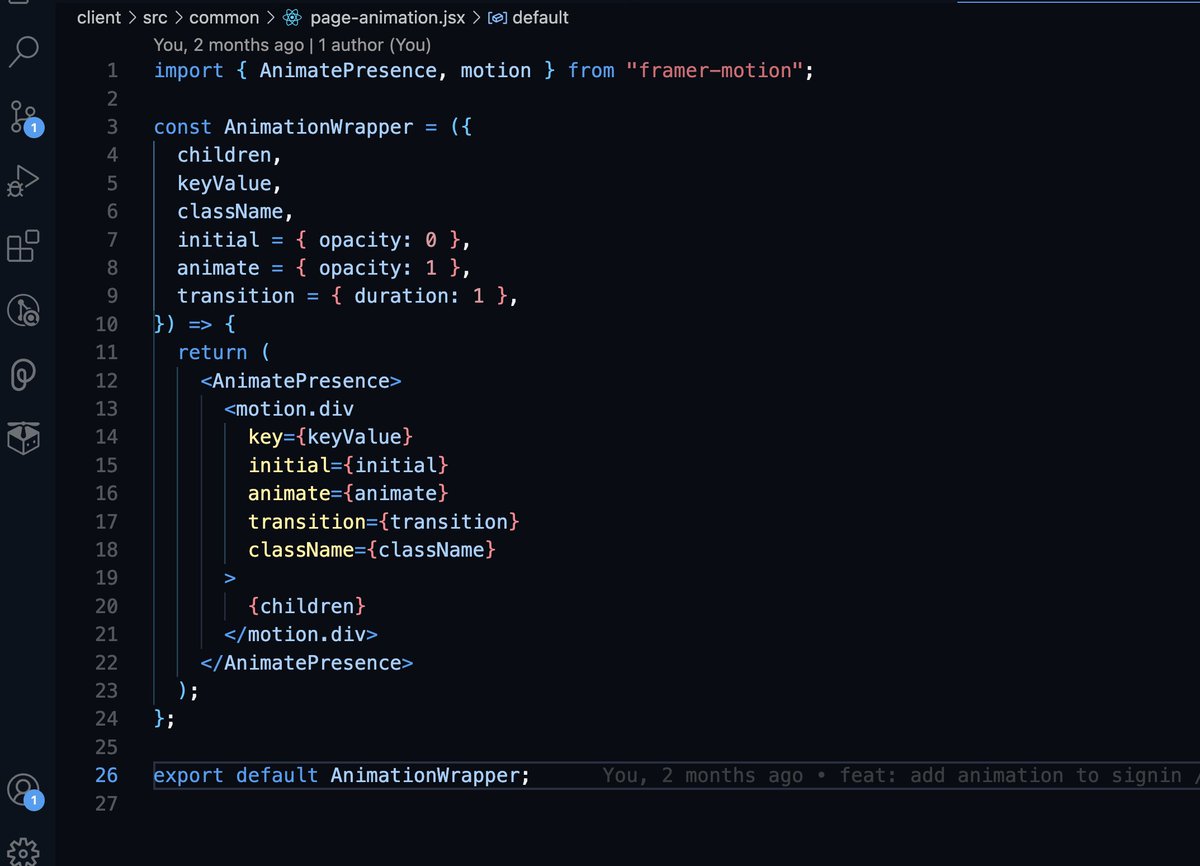
I'm using AnimationWrapper component to apply animations to the child components.
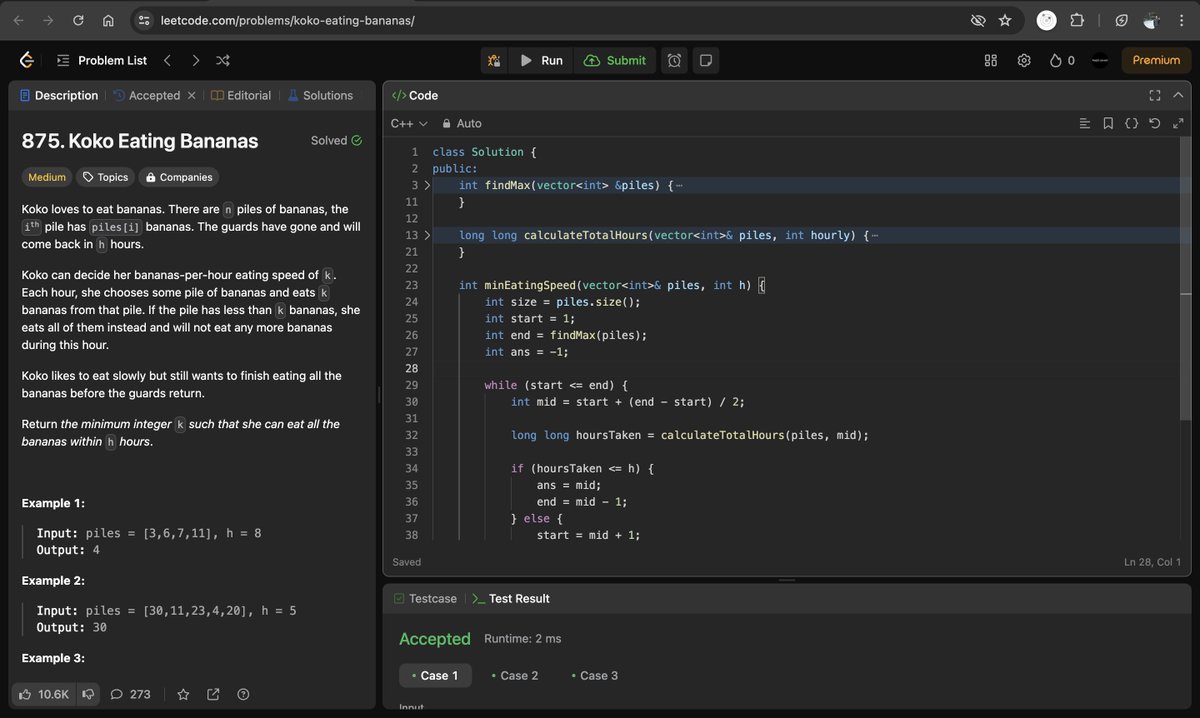
Binary search is an efficient algorithm for finding an item in a sorted list by repeatedly dividing the search interval in half.
This method drastically reduces the number of comparisons needed, making it much faster than a linear search, with a time complexity of O(log n).
Just finished reading an amazing article on open source by @DoomHammerNG .
This is hands-down the best piece I've come across.
It covers everything you need to know about open source.
https://t.co/BOAkrPt1L4