Most companies fail. People rarely do.
That one line is why I've spent the last 3 months building Preflop, a new financial instrument that lets you invest in a person's trajectory.
A person raises capital by issuing tokens against their own future earnings. They pay a share of their income for a set period, then convert to a small permanent stake that trades continuously. Once the income share phase ends, the payments stop and the tokens reprice as the individuals’s career unfolds.
Issuers raise without debt or dilution. And backers get in before the world catches up, converting early conviction into shared success.
We've built markets for companies, real estate, royalties, and revenue. Never for the thing that generates all of them.
The math holds (all 350 pages of it). The pricing engine, raise mechanism, and a dozen other specs are already live. After 947 LOIs and 86 meetings across 5 cities, I realized 30 minute conversations don’t do justice to the depth here.
So I'm building the rest in public, and iterating with your feedback.
Live at https://t.co/BaKHHG7a0w
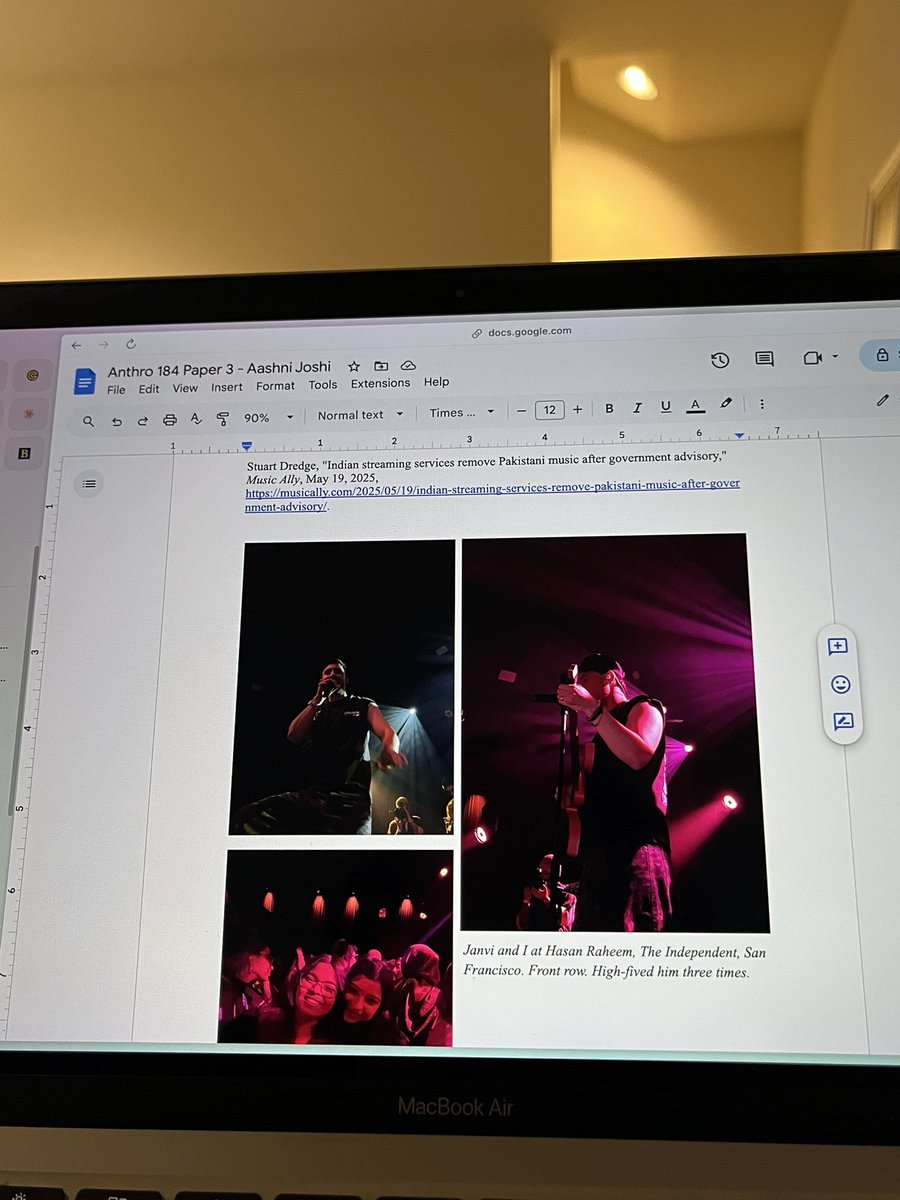
same semester. two very different classes.
using CNNs for galaxy classification in one and writing a 4 page paper on my favourite music artist in another
berkeley classes are something else
robots can fold your laundry now but couldn't plug in a charger until two days ago
came across this piece by @physical_int : their foundation model can already fold laundry and make coffee. but tasks that need sub-millimeter accuracy, like aligning a tiny screw with a screwdriver, are a different problem. the model knows what to do but can't nail the exact movement
so instead of retraining the whole model they compress its internal state into one token and train a tiny separate policy to fine-tune just the precise part. big model handles the broad strokes, tiny model handles the last millimeter
the robot ends up faster than a human operating it remotely. on ethernet cable insertion half the attempts beat every human demo in the dataset. from 15 minutes of real world data
basically it learned fine motor skills faster than me learning to use chopsticks (and i've had 20 years)