Built systems used by 1K+ researchers to automate data-driven scientific discovery.
- Primary builder of DataVoyager (ICML'24) in collaboration with @allenai
- Co-author, DiscoveryBench (ICLR'25)
- Contributed to Microsoft AutoGen (coding agents)
I work on LLM reasoning agents and multi-agent systems for scientific discovery.
Interested in working on hard, high-impact problems. Always open to connecting with others building in this space.
@elliotarledge What opportunities do we have for contract or freelance work that needs cuda skills? i.e., do companies hire for optimizing their model training pipelines?
@Tim_Dettmers I feel the same way, single agent sessions with decent level of human supervision is better productivity wise; two or three can be adventurous but depletes our bandwidth to check for such drifts.
@ThisIsBhandari These are standard numbers for HFT, but one thing to note is this isn’t just about DSA, that kid might be good at variety of things including systems, performance, stats & prob, calculus etc.
Good piece on explainability in agents.
The real blocker in practice is trust. And trust still breaks when the “why” explanations behind failures feel more like post-hoc narratives than actual decision traces.
Interesting, I agree that explainability is becoming an important adoption barrier for agents.
I still mostly trust agents for only smaller features, where I can verify each step in a sync loop to ensure they're actually doing what I intended.
One challenge is that "why" explanations often feel like post-hoc rationalizations rather than actual reasoning behind the model's decision process.
It's a bit like trying to infer intent from code alone. You can make educated guesses, but it doesn't always closely match the reasoning behind a design choice.
So the harder question is how grounded these explanations are in the real decision signals, versus a well-formed post-hoc narrative.
@manthanguptaa Agreed. In my experience planning and running one, two or atmost three agents working on separate parts of codebase with thoughtful follow-ups is more fruitful than running 20.
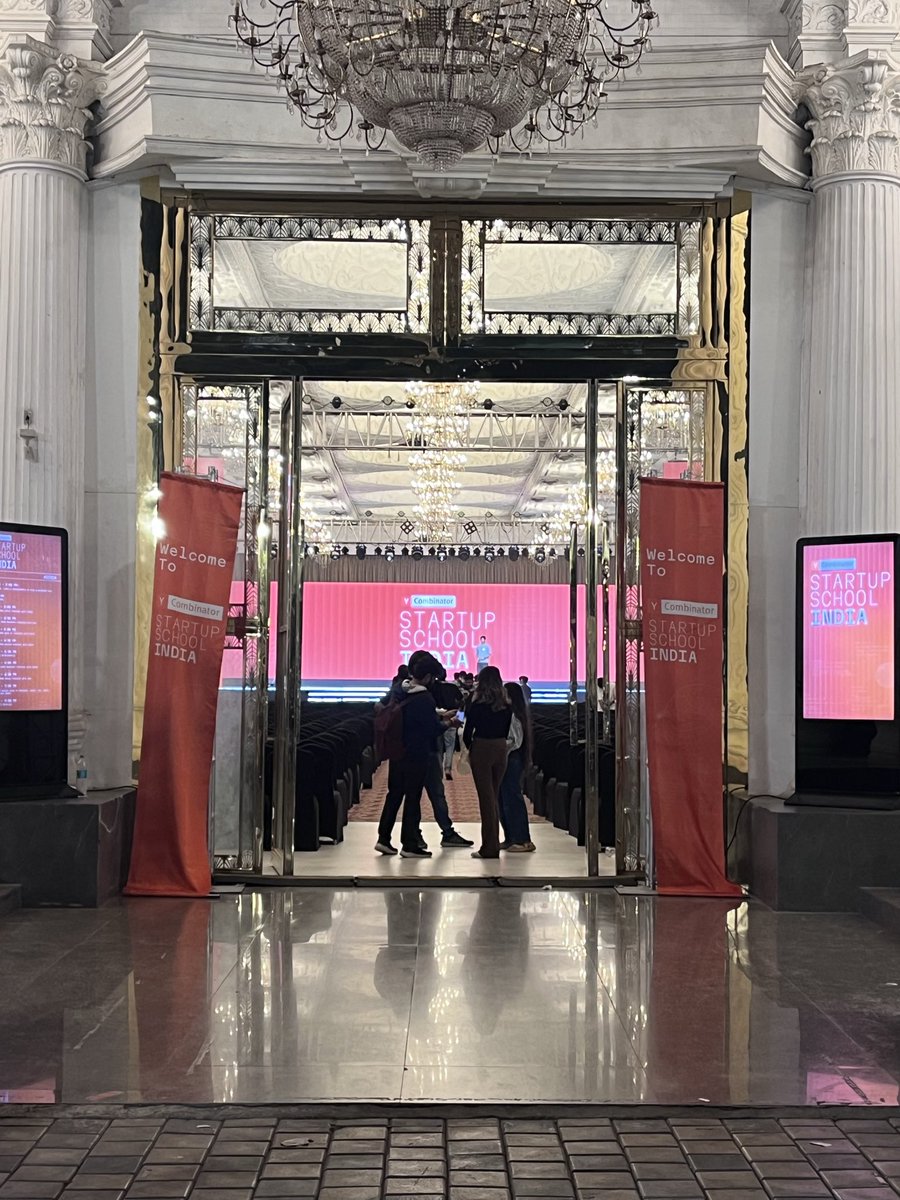
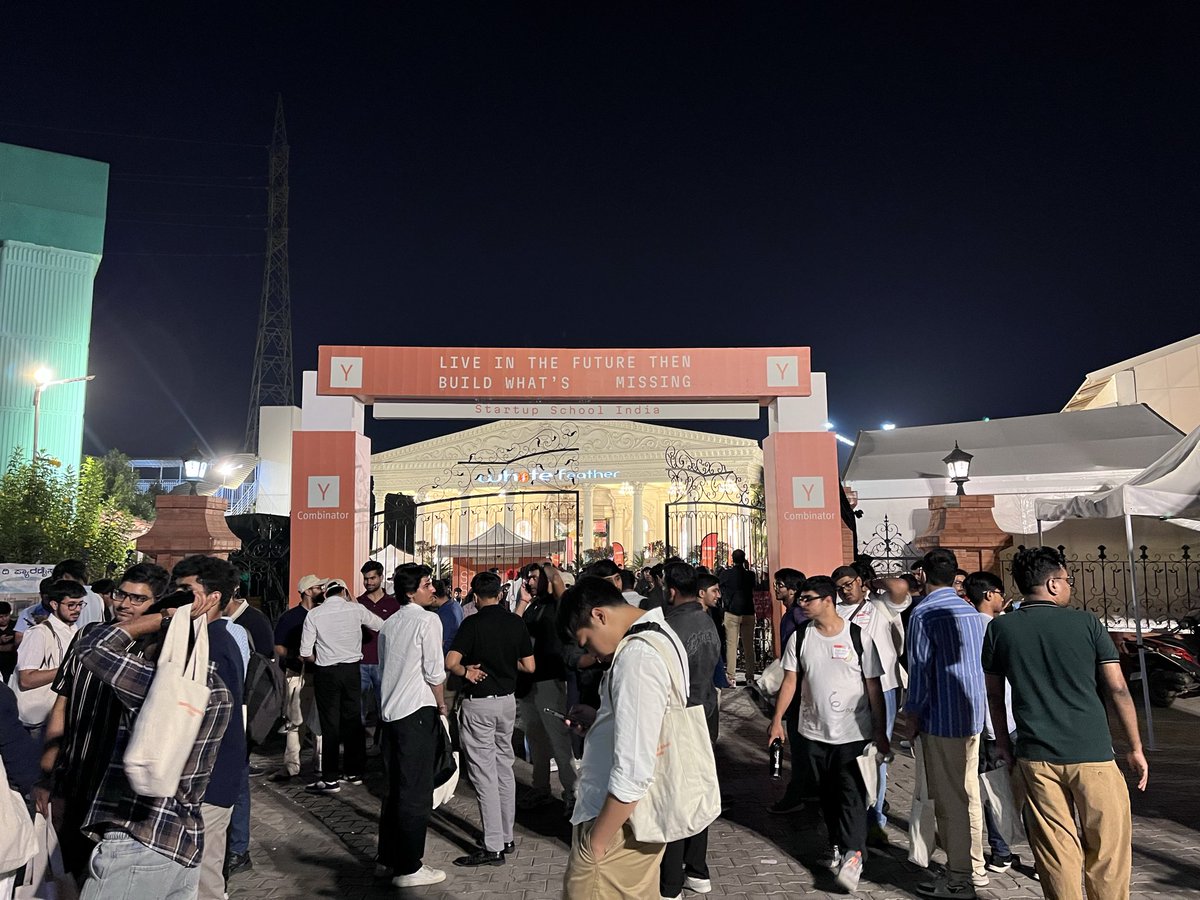
Huge thanks to @ycombinator for organizing YC Startup School Bangalore today and bringing together 2000 builders under one roof.
The energy was real. Met people working across AI x security, AI x systems, AI x quant - lots of interesting overlaps.
Good reminder that a lot of interesting work is happening at the intersection of fields.
Also got to meet folks from Twitter/X for the first time in person, which was nice.
What stood out was how open everyone was. People were sharing what they’re building, asking questions, and just genuinely curious.
Really enjoyed it. Hoping to attend more events like this.