Bridging therapy versus mechanical thrombectomy alone in patients with basilar artery occlusion and mild symptoms: a retrospective observational study
https://t.co/U6ouDJa0Ku
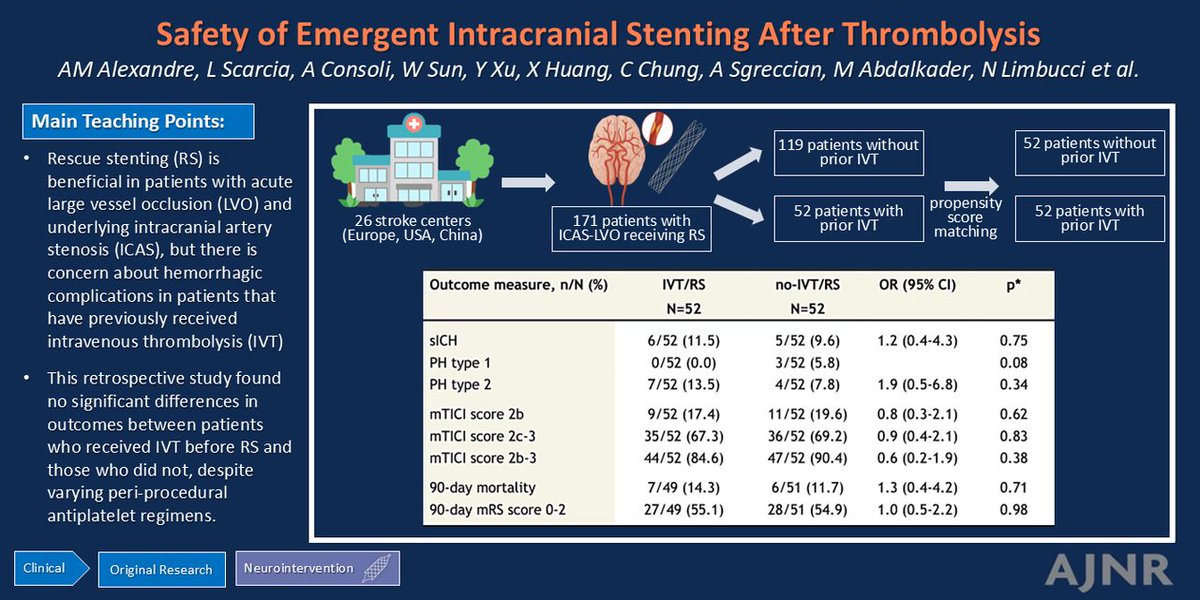
Rescue stenting for acute ICAS-related MCA occlusion benefits patients only if underlying stenosis is >75%. For those with <75%, it may worsen outcomes as sICH risk exceeds clinical benefit. ICAS severity matters for treatment decisions. 🧠📉
https://t.co/VpkUNGEheP
"The primary aim of this retrospective multicenter study was to compare safety outcomes between patients with acute large vessel occlusion and underlying intracranial artery stenosis of the MCA who underwent mechanical thrombectomy or rescue stenting with or without prior intravenous thrombolysis."
In patients with acute ICAS-related MCA occlusion, stenting with angioplasty and achieving mTICI 2c–3 recanalization are associated with improved clinical outcome
https://t.co/JH7snriHla
This meta-analysis provides evidence that IV thrombolysis does not offer substantial benefit in patients with minor acute ischemic stroke and is associated with increased risks of symptomatic intracranial hemorrhage and mortality: https://t.co/G1PHpZ16sl
#NeuroTwitter#NeuroX
Safety of emergent intracranial stenting after thrombolysis: a multicenter matched analysis
The safety of rescue stenting in ICAS-LVO is not significantly affected by prior thrombolysis https://t.co/V5YFjA7Y1O
@abroccolini1@PietroPanni@NguyenThanhMD@ZiniAndrea@TheAJNR
Just Accepted!
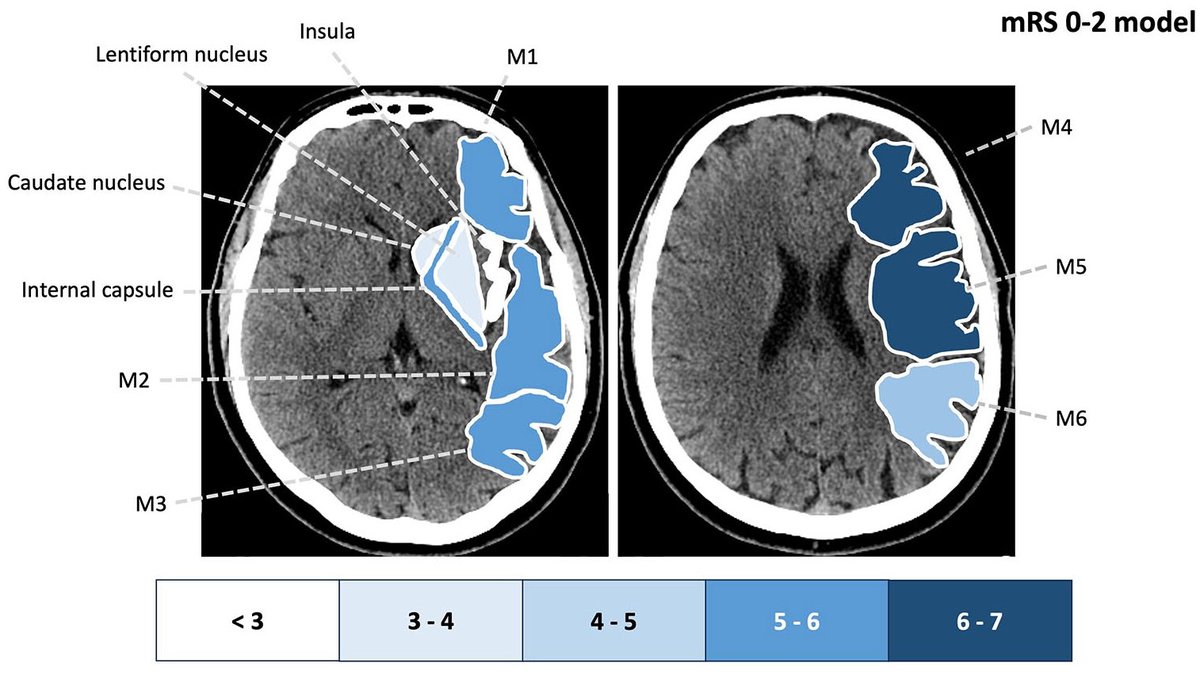
📰Baseline clinical and neuroradiological predictors of outcome in patients with large #ischemic core undergoing mechanical #thrombectomy: a retrospective multicenter study.
https://t.co/fLYmQ5r2hS @abroccolini1
Just Accepted!
📰Baseline clinical and neuroradiological predictors of outcome in patients with large #ischemic core undergoing mechanical #thrombectomy: a retrospective multicenter study.
https://t.co/fLYmQ5r2hS @abroccolini1
Just Accepted!
📰Baseline clinical and neuroradiological predictors of outcome in patients with large #ischemic core undergoing mechanical #thrombectomy: a retrospective multicenter study.
https://t.co/fLYmQ5rA7q @abroccolini1
Now online @IntJStroke
Age, baseline NIHSS score and involvement of cortical areas influence the outcome of patients with low ASPECTS undergoing mechanical thrombectomy
https://t.co/9XFBCPZjxx
@abroccolini1@maumonf85
Finding a balance point between recanalization and post-thrombectomy ICH: Retrospective multicenter study finds more passes with a secondary strategy increases symptomatic #ICH, general anesthesia lowers risk. https://t.co/SmLvmhL9fo #LVO#stroke#thrombectomy@abroccolini1
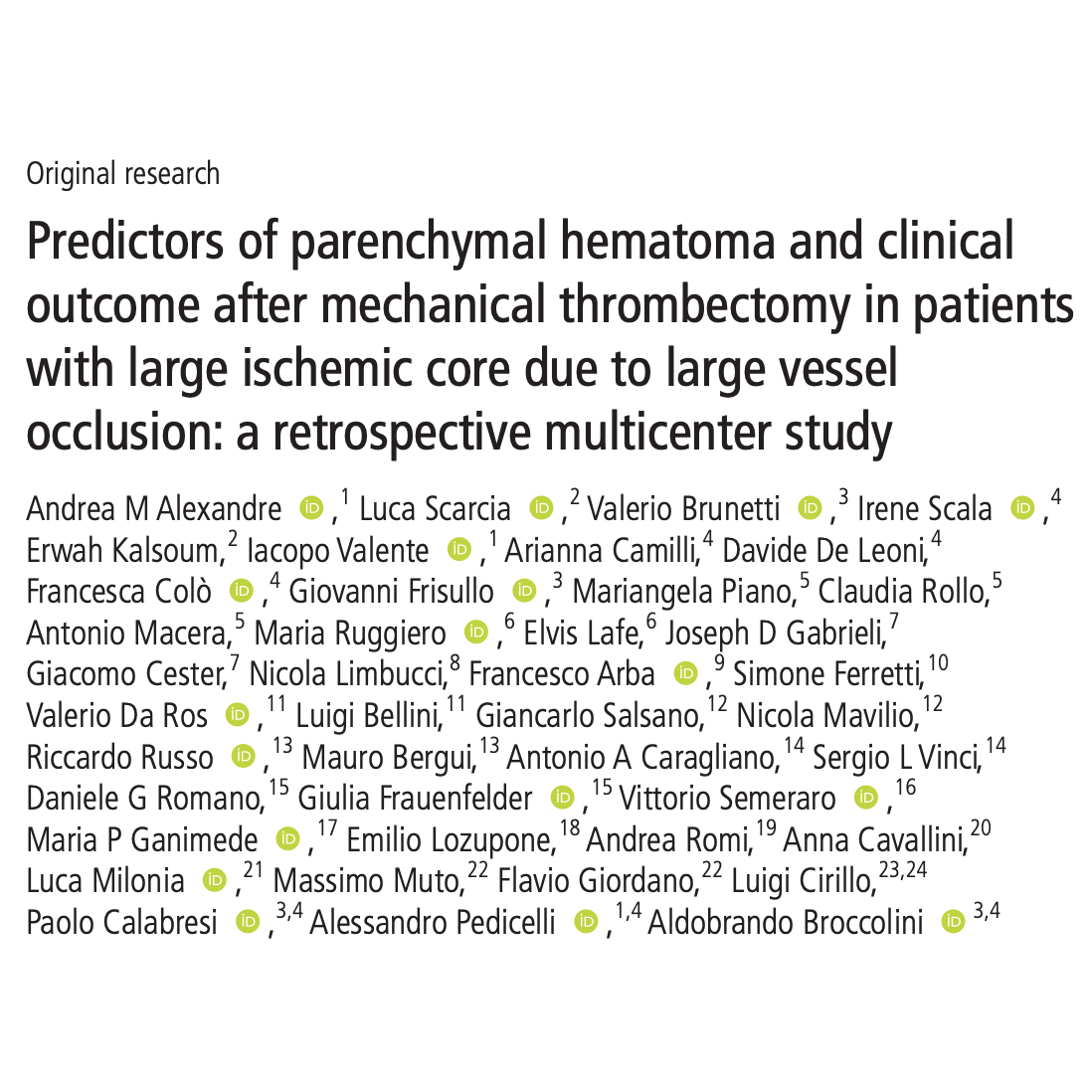
Predictors of parenchymal hematoma and clinical outcome after mechanical thrombectomy in patients with large ischemic core due to large vessel occlusion: a retrospective multicenter study https://t.co/lJVFiq1JwW
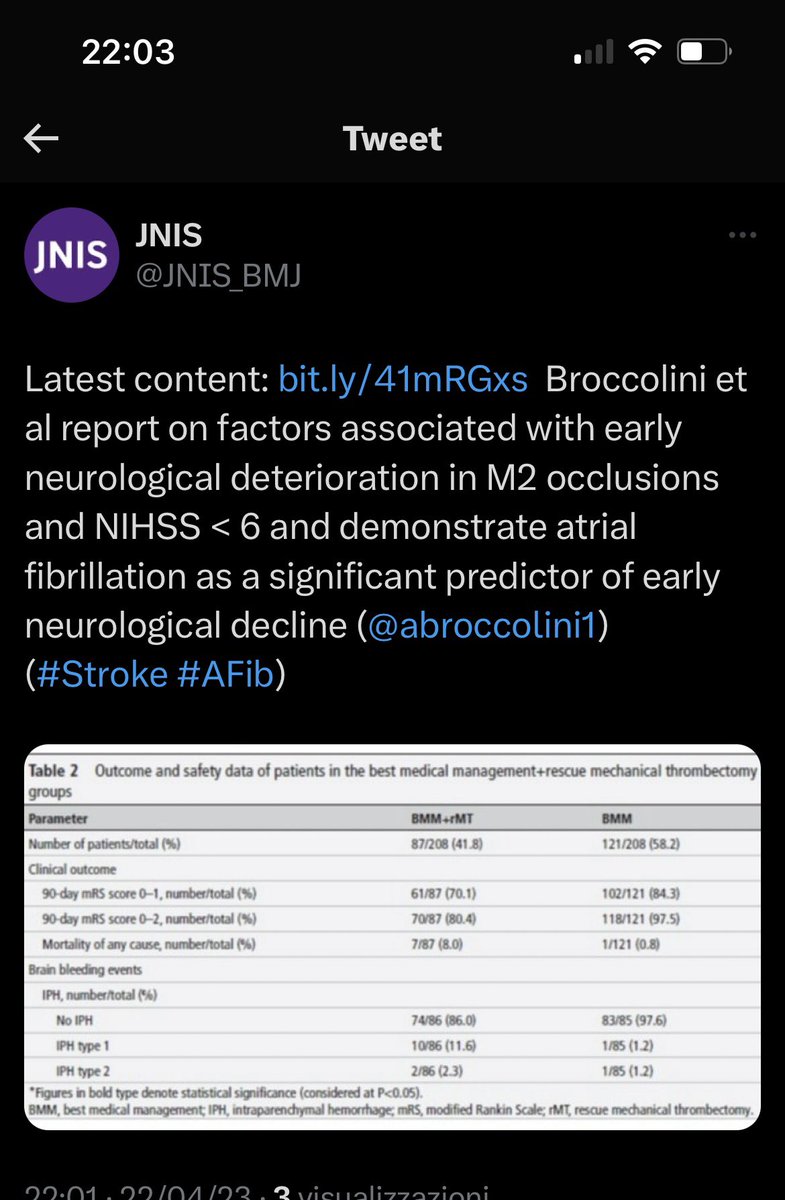
Latest content: https://t.co/FTTjM65lgg Broccolini et al report on factors associated with early neurological deterioration in M2 occlusions and NIHSS < 6 and demonstrate atrial fibrillation as a significant predictor of early neurological decline (@abroccolini1) (#Stroke#AFib)
#Ictus, ecco come predire i casi apparentemente lievi a rischio peggioramento. I risultati di uno studio multicentrico pubblicato in due lavori sul @JNIS_BMJ a firma di esperti del campus @unicatt di #Roma 🔬#Medicina https://t.co/qIVEfLJZ0u
Early neurological deterioration in patients with minor stroke due to isolated M2 occlusion undergoing medical management: a retrospective multicenter study https://t.co/6gaAKTQB6e another great effort by a super group!!