What has gone wrong in Europe? Here is my take!
Europe has many strengths. We Europeans are enjoying the highest living standard in the world. Asian nations are more dynamic, but we are the largest market. We have created peace between the arch enemies Germany and France. Europe could be a proud civilization in dialogue with India, China and others. But something has gone wrong.
Until recently Europeans watched the Gen Z rebellions in Sri Lanka, Bangladesh, Nepal and other countries with interest from distance. Now the rebellions have come home - to the center of Europe - to France, Italy and Spain. What has gone wrong? How can Europe bounce back?
Here are my observations:
* Poor leadership. The German chancellor has an approval rate just about 10%, the French president isn't much better at 15%. UK has run through seven prime ministers in ten years, none of them evil, nearly all of them underwhelming and mediocre. A continent once led by Adenauer and Brandt, de Gaulle and Mitterrand simply need new and better leaders.
* No growth. If you want to improve schools and education, there will be less for the retired. Or vice versa. It’s very hard to develop nations when everything is a zero sum game between generations and classes. There is no visible strategy for growth.
* Wrong choices. Spurred by the Russian attack on Ukraine, many European governments prioritize rearmament and support to Ukraine. There is every reason to detest Russia and Putin, but the main threat to Europe comes from within. If we destroy our societies at home we cannot meet outside pressures. It’s wrong to prioritize rearming above education, social services and the environment.
* Pessimism. European leaders speak as if the continent is in an unprecedented crisis. When leaders talk down our own continent, how can anyone expect people to be confident. Pessimism in itself a destructive force and should be replaced with opportunity, dedication to change and hope.
* Lack of curiosity. Europe is lagging far behind East Asia on education, innovation and quality of universities. China has overtaken Europe as the green leader and the economic engine of the world. We have a lot to learn from India. US economy is more dynamic. Still there is a lack of curiosity to other cultures. If we dont become curious, we are doomed.
George Harrison stands at the gates of Friar Park,staring at what most people would call a disaster.
The Victorian mansion is decaying. Grass grows through the floors. The once-famous gardens are wild and overrun. Greenhouses have collapsed. Grottoes are buried. Paths have vanished under decades of neglect.
He’s 27. The Beatles have just broken up. He could go anywhere. Do anything. The world is waiting for his next move.
Instead, he buys the ruin and starts digging.
Not as a hobby. As a way of life.
He hires ten gardeners and works beside them from dawn until midnight, hands in the soil. His sister-in-law sees the place and asks what he’s thinking. George doesn’t explain. He just keeps working.
His son Dhani grows up watching his father gardening by moonlight, squinting in the dark because the shadows hide the imperfections that bothered him during the day. The music industry keeps calling — albums, tours, interviews. More George Harrison, the Beatle.
George wants to plant trees.
Friar Park isn’t just a garden. It’s a strange Victorian dream: caves, tunnels, a four-acre Alpine rock garden topped with a miniature Matterhorn, and gnomes everywhere. He even photographs himself among them for All Things Must Pass — then goes back to pruning.
When a nursery owner mentions slow sales, George buys one of everything. When someone offers 800 types of maple trees, he takes them all. His wife Olivia remembers him saying, “It’s not my garden, Liv.” He saw himself as a caretaker. The garden didn’t belong to him — he belonged to it.
By 1980, he publishes his autobiography and dedicates it “to gardeners everywhere.” He writes that he’s simple. He doesn’t want the business full-time. He’s a gardener. He plants flowers and watches them grow.
Journalists visit and call it un-rock-star-like. George doesn’t mind. He’s lived Beatlemania, stadium screams, cultural revolutions. Compared to restoring hedges, it felt empty.
After John Lennon’s murder, the gates close for good. George and Olivia keep working — not for visitors, but for the work itself.
He dies in 2001. Today, the gardens are considered masterpieces of Victorian landscaping. Olivia still tends them. The estate remains private.
George Harrison chose dirt under his fingernails over applause.
And in that choice, he found something stadiums never gave him.
Freedom.
France followed all of Krugman's recommendations: Big government spending, high taxes, migration. Now...
Nobel winner Krugman says France may have become 'too big to save' and 'unsustainable fiscal path'.
https://t.co/pnv1JvLzlU
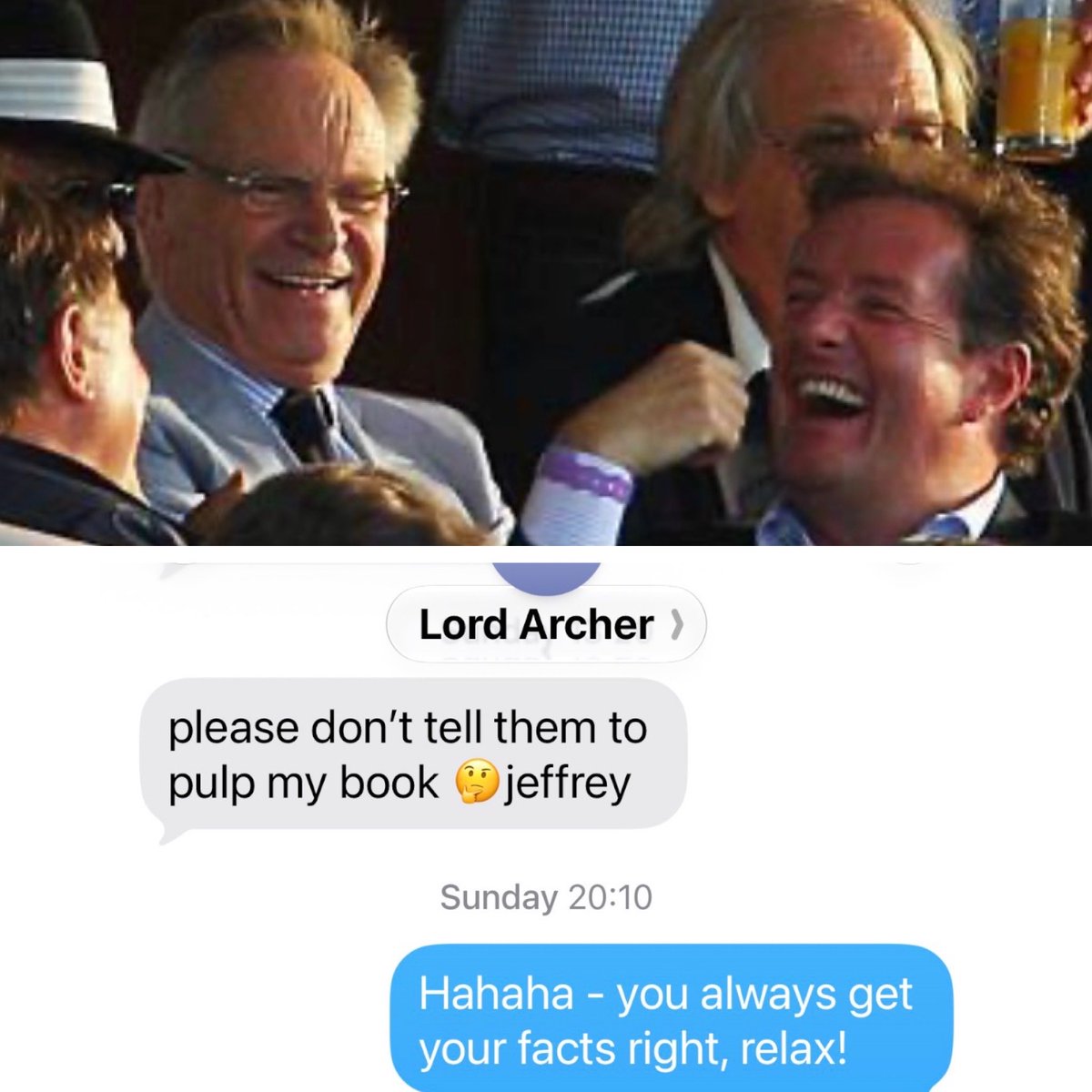
RIP Jeffrey Archer.
What an irrepressible, ebullient character. Sold gazillions of books, raised gazillions for charity, loved his Krug, parties, politics and cricket, survived scandal and prison, and had me laughing to the end as our last text exchange on Sunday shows.
En enfermedad renal crónica G3a y triglicerios ≥150 mg/dL, combinar estatinas y fenofibrato, comparado solo estatinas; se asoció a ↓7% el riesgo del evento cardiovascular mayor y ↓21 el de necesitar diálisis. Además fue seguro
CKJ 2026
https://t.co/TsnxratheZ
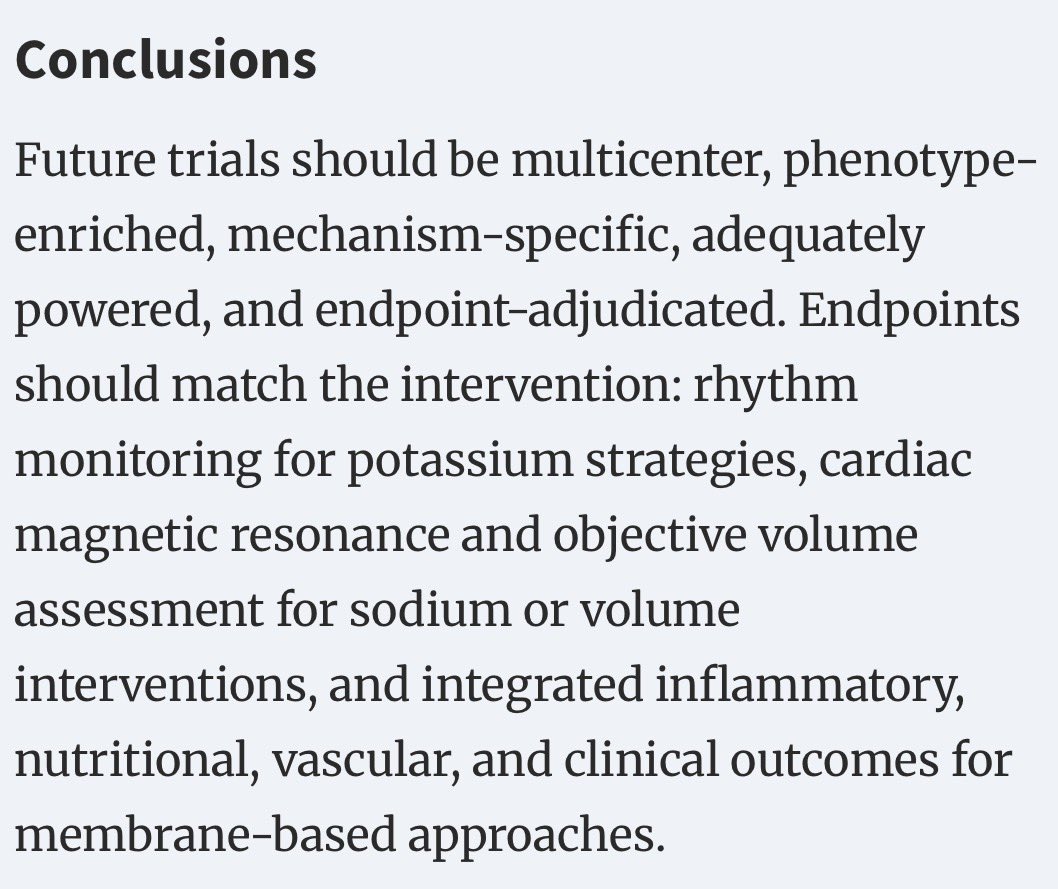
Here’s the conclusions in the abstract. These are all surrogate endpoints that are not validated as improving survival. IMO these are not worth to time and cost of trials.
Now online in @NDTsocial
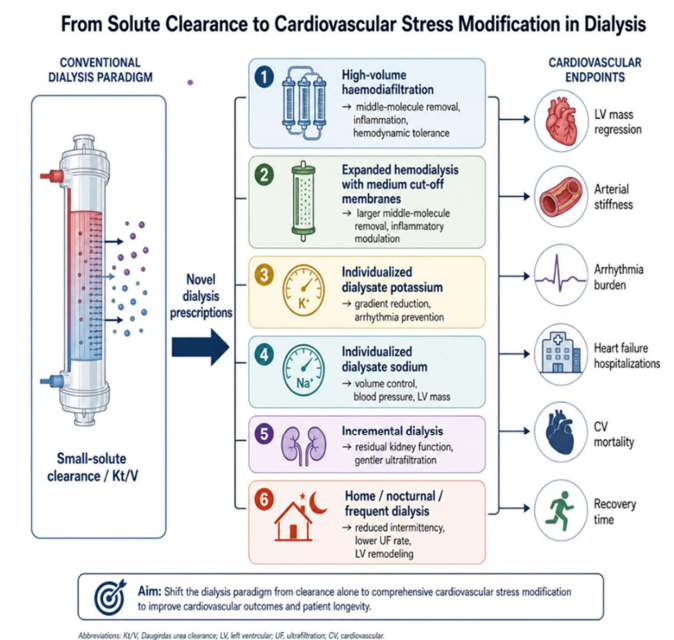
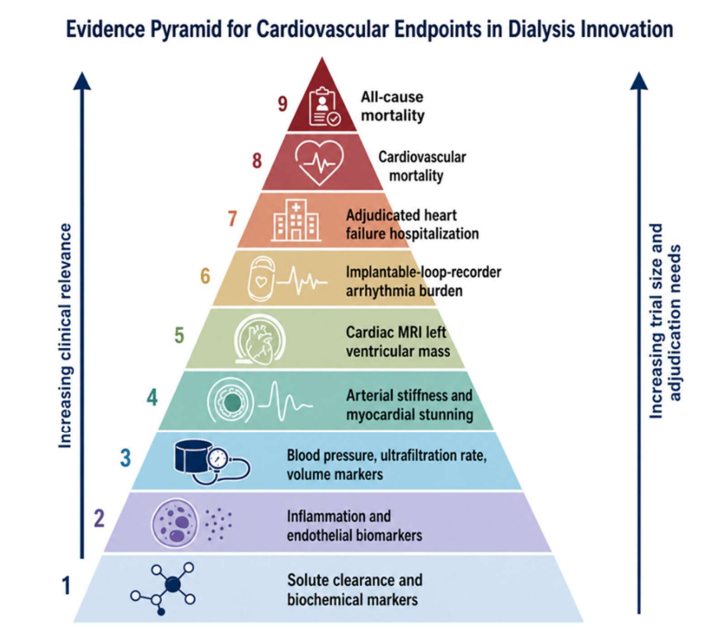
Beyond Kt/V: Redefining Dialysis Adequacy as Targeted CV Risk Reduction
🧐 Future trials should be multicenter, phenotype-enriched, mechanism-specific, adequately powered, and endpoint-adjudicated.
▶️https://t.co/8eHTncLXyk
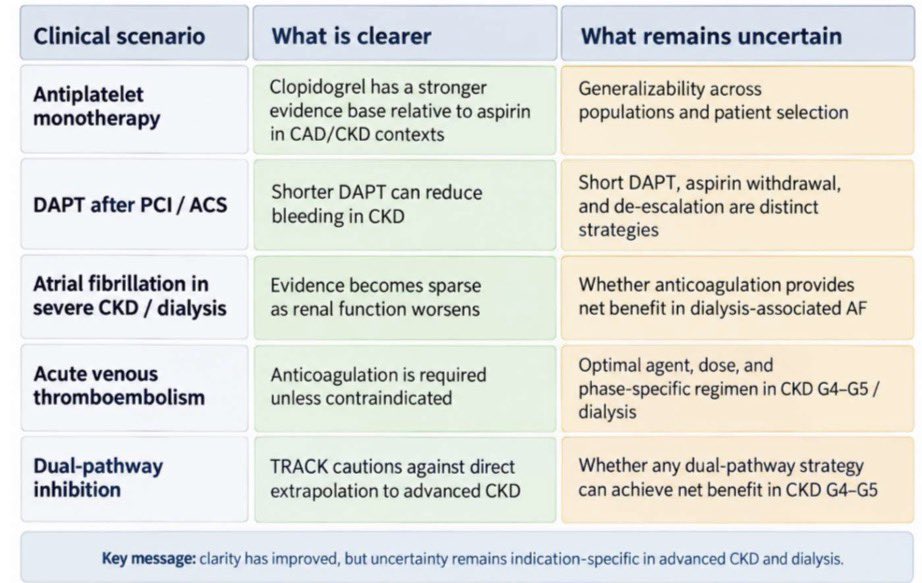
El manejo antitrombótico y antiplaquetario en personas con enfermedad renal crónica avanzada tiene más dudas que respuestas, aquí las de mayor evidencia
NDT2026
https://t.co/4A7Ec60EvB
Hey #NephJC 👋
Checkout the VA by @DivyaveerSSNeph
This week we're looking at steroid weaning strategies in adults with podocytopathies (MCD/FSGS).
💊Steroids: easy to start but hard to stop.
#NephTwitter
https://t.co/a2iMtLhU72
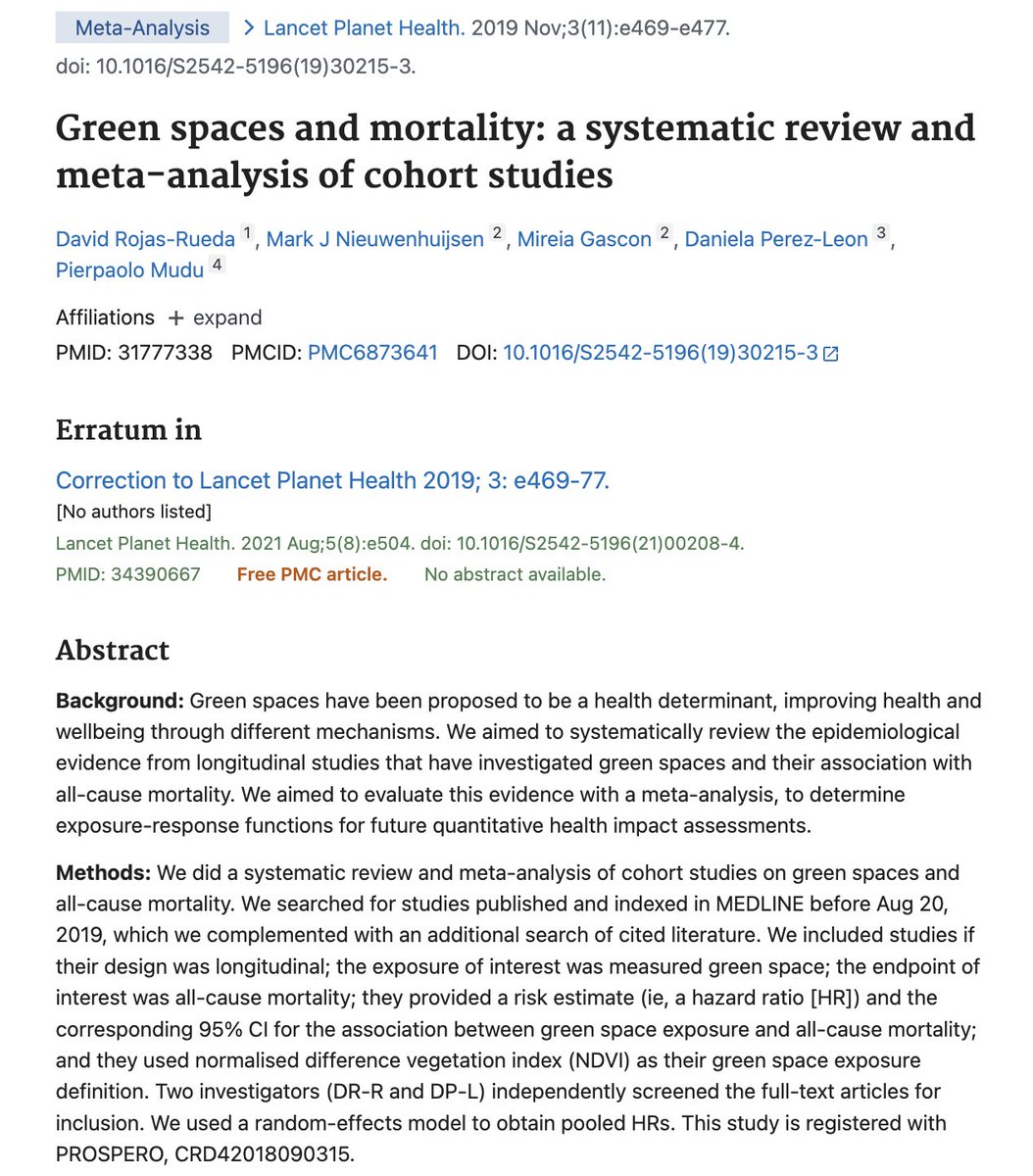
Each small step up in the greenery around a person's home came with a 4 percent lower risk of dying over the years they were tracked, across more than 8.3 million people in seven countries. Seven of the nine studies behind that figure found the link on their own.
David Rojas-Rueda of Colorado State University and ISGlobal in Barcelona led the review with colleagues including Mark Nieuwenhuijsen, and the World Health Organization funded it. They pooled nine cohort studies, which follow the same people over years, covering 8,324,652 adults in Australia, Canada, China, Italy, Spain, Switzerland and the United States. The Lancet Planetary Health published it in 2019.
Greenery was measured from satellites as NDVI, a score of how much living green leaf covers the ground. Zero means no vegetation, and about 0.8 to 0.9 means the densest leaf cover possible. Every 0.1 rise within 500 metres of home is roughly a ninth of the way from bare ground to the densest cover. Each such step came with a pooled hazard ratio of 0.96, meaning a 4 percent lower death rate.
Two of the nine studies found no clear link. Tests for publication bias, the tendency for positive results to get into print more easily, showed little sign of it. Studies followed people for 4 to 22 years, and the cohorts ranged from 1,645 people to more than 4.2 million.
All nine studies are observational, so greener neighbourhoods could differ in ways the models missed, though every study adjusted for income or social position. Results varied widely between studies, and NDVI counts green leaves without saying whether anyone can reach a park. Only one study came from a country outside the high-income group. The authors also assumed a straight-line relationship that they say is unlikely to hold exactly.
The authors pooled the 0.96 figure so that city planners can turn a planned rise in greenery into an estimated number of deaths avoided. It was built to be reused. https://t.co/YRgRyxyyI0
Everyone knows the mitochondria is the "powerhouse of the cell." But have you seen how beautifully its movement was captured by Dr. Patrick C. Hickey in this 5th place #SmallWorldInMotion winning video? 🏆 Now you have!
https://t.co/tqx7CPhYT6
Fifty-five observational studies including over 7 million patients were analyzed. Statin use significantly reduced the risk of dementia compared to nonusers (hazard ratio [HR] 0.86; 95% confidence interval [CI]: 0.82 to 0.91; p<0.001). It was also associated with reduced risks of AD
Rosuvastatin demonstrated the most pronounced protective effect for all cause dementia among specific statins (HR 0.72; 95% CI: 0.60 to 0.88). The findings underscore the neuroprotective potential of statins in dementia prevention. Despite the inherent limitations of observational studies, the large dataset and detailed sub group analyses enhance the reliability of our results. @nationallipid@foundationofnla@society_eas@ASPCardio@FamilyHeartFdn@fhpatienteurope #statins
In 1976 a Sydney doctor asked in print whether the new cooking oils were causing melanoma. His reasoning was simple. The sun had not changed. What the people were made of had.
Hunters lived naked on the African savannah for 2 million years, on the equator, under the same sun all day.
Egyptian labourers dragged limestone up the pyramids in a loincloth, in 45 degree heat.
Greek athletes trained and competed stark naked at Olympia, in August, from dawn to dusk.
Medieval families brought in every harvest of their lives with their faces, necks and arms turned to the July sun for 14 hours a day.
Nelson's sailors worked the rigging stripped to the waist in the Caribbean.
The palest people on earth, Scots and Irish, were shipped to Australia and cleared the bush by hand, under a sun their skin had never met.
The Anzacs dug trenches at Gallipoli with their shirts off. Bondi Beach in 1935 was shoulder to shoulder with fair-skinned Australians, and the only thing anybody rubbed on was coconut oil.
Not one of them owned a bottle of sunscreen, and melanoma was a medical curiosity. As late as the 1930s an American's lifetime odds were 1 in 1,500. Today they are nearer 1 in 50.
The sun did not get 30 times stronger in 90 years. The fat changed. Sunflower, soybean and corn oil replaced butter and dripping, and linoleic acid began building up in human tissue, including the fat in and under the skin. Linoleic acid oxidises under ultraviolet light. Butter and dripping hold firm. In the lab, the more corn oil the mice were fed, the more skin tumours the same lamp produced.
Australia never took up the question. In 1981 it launched a cartoon seagull telling everyone to slop on sunscreen.
B. S. Mackie kept measuring. By 1987 the linoleic acid in Sydney's body fat had climbed well past its 1975 level, and the melanoma patients carried significantly more of it than the people without.
Sunscreen sales have risen every decade since the seagull. So has melanoma. Office workers now get more of it than farmers and fishermen, who are in the sun all day.
The sun has been up there for 4.5 billion years. Seed oil has been in the human diet for just over a century. Only one of them was ever put on trial.
The American Society of Nephrology comes close to generating it’s own Nephrology guidelines. This could be an effective counterweight and check on Pharma-and KOL-
influenced guidelines (who, OK, 😒are heavily Pharma created, promoted, and funded).
I was assured they couldn’t afford this! LOL.
MIT published a brutally honest report on what AI is doing to students.
A committee of professors and students spent five months studying how AI changed learning on campus, and the findings read like a warning to every university on the planet.
Study groups are disappearing. Office hours are emptying out. Problem sets and take-home exams no longer prove anything, because AI can produce credible solutions to almost any written assignment in the undergraduate curriculum. Students who lean on chatbots lose mastery and confidence, and some slip into what the report calls cognitive surrender, reaching for AI at the first hint of struggle.
The numbers are rough. 46 percent of surveyed MIT undergrads use LLMs daily. 90 percent worry about their own overreliance. Undergrads who feel AI makes them replaceable now outnumber those who feel it makes them capable.
The committee's answer surprised me. They refused to fight AI with surveillance. The report calls AI detectors unreliable, says lockdown browsers feel like spying, and warns that policing students builds a classroom atmosphere of mutual distrust.
Instead, MIT wants to rebuild education around the things AI can't replace. That means oral exams, semester portfolios, in-person project work, and a required social component in every subject. The report even floats the idea of rethinking grades entirely, since without a GPA to optimize, much of the incentive to cheat with AI evaporates.
The committee warns professors against replacing undergrad research assistants with AI agents just because they're cheaper, because a university exists to grow people, not output.
The most famous tech school on earth admitted the machines broke its way of teaching. Its answer is more humans, not more software.