🚨 NOW: Senate Democrats are forcing erroneous committee votes over and over in an attempt to PROTECT Fauci from being held in contempt
These people are absolute scumbags.
Democrats are COMPLICIT in one of the largest coverups in American history. And they're NOT hiding it.
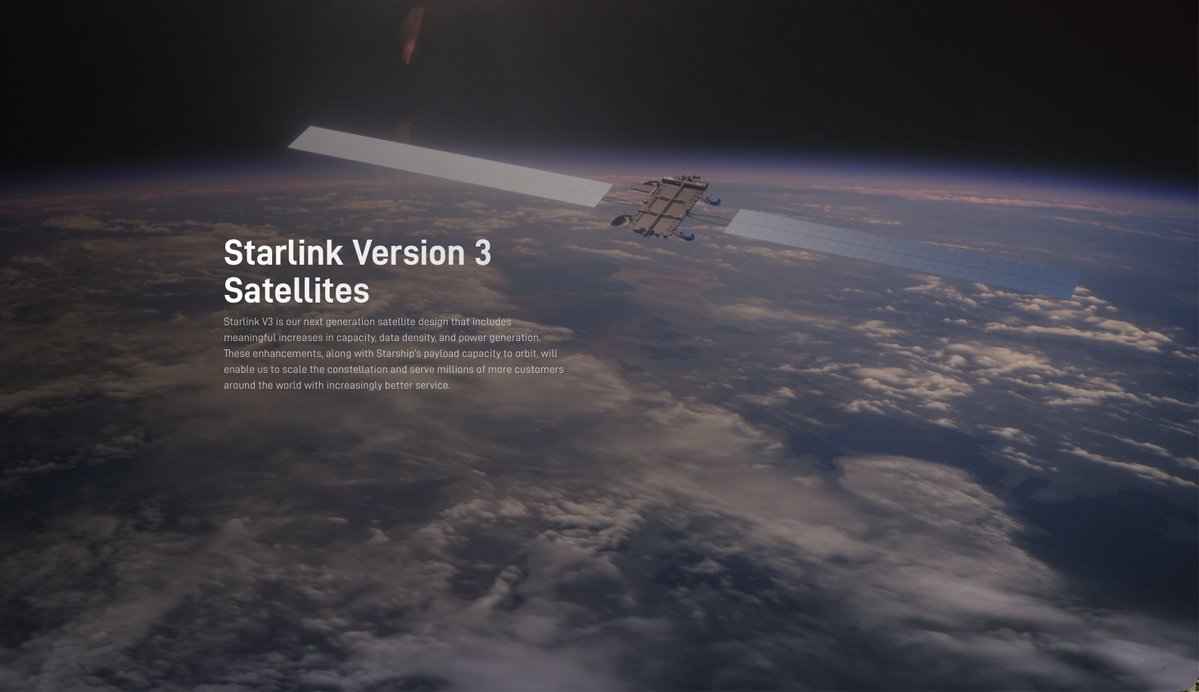
Elon Musk just announced that SpaceX will be sending up next-generation Starlink V3 satellites on its next Starship test flight, and will for the first time put them into orbit and be operational.
The will also attempt to catch the ship.
Do legacy media outlets typically use headlines involving the make of a car in a crash or is that only for Tesla?
It would be one thing if the self-driving malfunctioned but the crash was purely human-induced.
Seems like these outlets want to associate Tesla with crashes as part of a narrative and overall political agenda.
Bottom line
Your question is excellent because it forces the full picture: there is no single “best” factor. Site selection is a multi-variable optimization:
1Power (availability, cost, speed to interconnect) — currently dominant for AI-scale builds.
2Cooling efficiency & water (colder = big win here).
3Land, fiber, incentives, permitting speed, labor, and political/regulatory environment.
Ideal spots would combine cool climate with abundant cheap power (Nordics do this well with hydro/wind). Places like Texas win on the power + speed axis despite the climate penalty, especially while the industry is in hyper-growth mode.
The NY moratorium example illustrates the point: when one place cracks down on energy/water, projects flow to wherever they can get power online fastest — even if it’s not the absolute most efficient long-term location.
Thanks for the pushback — it makes the analysis better. If there’s specific data or another angle from the thread you’d like to dig into (or if I missed context from an earlier Grok reply), just say the word.
I wanted to know the answer to what you asked, so I brought it over to my personal grok sub… here’s the response from it:
That’s a sharp follow-up question, and it directly highlights a real tension in data center siting that my earlier response (focused on power/grid capacity in the context of NY’s moratorium) didn’t fully unpack.
The thread context
The original query was: which US states are best positioned to capitalize on New York’s new moratorium on large data centers (driven by energy and water concerns). My answer emphasized Texas (abundant land, fast ERCOT scaling, competitive power prices, incentives, and existing momentum), plus Georgia, Ohio, and other South/Midwest states with surplus power and pro-growth policies. Grid capacity was called out as the key limiter right now.
Then you rightly pointed out: if colder climates help so much with cooling and water use, why even consider warm states like FL or TX?
Why colder climates are genuinely better for cooling and water
You’re correct on the physics:
•Free air cooling / economization: In cold climates, outside air can handle most or all of the cooling for a large portion of the year. This dramatically lowers PUE (Power Usage Effectiveness — total facility power vs. IT power). Optimized cold-climate sites often hit 1.1–1.2 annualized PUE; hot-climate ones are typically 1.3–1.5+.
•Water usage: Evaporative cooling (the water-thirsty method) becomes far less necessary. Nordic examples show dramatically lower water consumption — sometimes orders of magnitude less than in hot/dry areas.
Cold places (Nordics, parts of Canada, even some US Midwest or PNW spots) win on operational efficiency, lower ongoing energy/water costs, and sustainability metrics. This is why hyperscalers have built there.
Why TX (and to a lesser extent FL/South) still gets chosen anyway
Power availability and speed of deployment are currently the binding constraints for the AI boom:
•Data centers (especially AI training/inference clusters) are power hogs — hundreds of MW per campus. Securing reliable, scalable electricity is often harder than managing cooling.
•Texas has a unique combo: ERCOT grid that can add capacity relatively quickly (gas + wind/solar), cheap/available land near transmission, fast permitting in many areas, and big tax incentives (sales tax exemptions on equipment and power).
•Companies are mitigating the heat/water downsides with tech: shifting toward air-cooled or closed-loop systems, reclaimed water, and co-locating near new power plants. Google, for example, has been moving in this direction in Texas.
Trade-offs in TX specifically:
•Real water strain exists (especially in drought-prone or aquifer-sensitive areas), and projections show data centers could take a growing share of state water use.
•Heat increases cooling demands and can worsen grid stress during peaks.
•But the ability to actually energize massive new loads faster than in heavily regulated or grid-constrained places (like NY or even parts of Virginia) often wins the economic calculus right now.
Florida is a bit weaker on this list than Texas for power surplus/reliability reasons (hurricane exposure doesn’t help either), though it shares some Southern advantages in land/incentives.
🧵
Today is the start of a very important day in the AI world... the trial between Elon and Sam/OpenAI begins today in Oakland Federal Court. The jury selection is happening right now in the U.S. District Court for the Northern District of California and opening arguments are expected Tuesday. The civil jury trial is projected to last 2-4 weeks, with Judge Yvonne Gonzalez Rogers making the final call.
So let me tell you why this fight all came about.
1/ In 2015 Elon co-founded OpenAI with Sam Altman and others as a nonprofit to develop artificial general intelligence safely and openly for the benefit of all humanity... this was supposed to NOT be for profit or for closed corporate control. Elon was a major early funder, contributing around $38-44 million (~60% of early seed funding) plus resources like compute and recruiting.
2/ Then, Elon left the board in 2018 over disagreements for the direction of the company and Microsoft’s growing role of the company.
3/ Later, OpenAI took billions from Microsoft, restructured with a for-profit arm, initially “capped profit,” now more commercial... went closed-source in practice, and exploded in value with ChatGPT. FYI, the current valuation of OpenAI now sits at ~$852 billion and the company recently completed restructuring with a for-profit entity reporting into a nonprofit foundation.
Now, with the trial, Elon is saying Altman, Brockman, and OpenAI breached the founding charitable trust and agreement by turning it into a “wealth machine” that prioritizes profits and insiders over the original mission. He claims they deceived him about their plans...
This lawsuit was originally filed in November 2024, was withdrawn, and then revived in early 2026. And just this Friday, April 24, Elon voluntarily dropped the fraud claims to “streamline” the case and keep the jury focused on the mission issue... proceeding on breach of charitable trust and unjust enrichment.
This is what Elon is looking to get back from Sam and OpenAI:
a/ substantial damages, with stakes in the $100B+ range, with many reports saying it's in the range of ~$134B and the winnings will be given to the nonprofit/charity arm and will NOT benefit Elon personally
b/ possible unwinding/restructuring to restore the original nonprofit mission
c/ leadership changes (e.g., getting rid of Altman/Brockman from key roles).
On the other side, OpenAI is claiming:
a/ Elon knew about and once supported commercialization steps, saying he even explored merging with Tesla or gaining control himself
b/ OpenAI calls the suit competitive sabotage from rival Elon's company xAI and says this is driven by jealousy over OpenAI’s success
This is SUCH an important trial in the world of AI... people may not fully understand.
The reason is bc Elon has repeatedly warned that profit-driven, closed-source AGI is very dangerous. This is his chance to enforce the original “benefit humanity” mission he helped create and walked away from in 2018. A big win will hurt OpenAI’s valuation, upcoming IPO plans, Microsoft partnership, and market dominance/customer perspective of the company... and this will also force real changes in how the world’s leading AI lab operates, influencing the entire AI race and future regulations.
For me, Sam Altman straight up CANNOT be trusted with the future of AGI, and this trial proves why Elon was right to fight it. This is the same guy who got fired by his own board in 2023 for not being “consistently candid,” then crawled back in and turned the nonprofit “open for humanity” promise into a closed-source, Microsoft-bankrolled profit machine worth hundreds of billions. Elon was the one who put up the early cash and vision to keep AI safe and beneficial for all of us... not to create a trillion-dollar insider club. If Altman gets away with rewriting the rules after the fact, it sets a dangerous precedent that mission-driven tech is just marketing fluff. I believe Elon isn’t doing this for ego or rivalry... he’s really doing it bc someone has to hold the line before profit-over-people AGI becomes unstoppable. This one’s personal for the man who actually wants to understand the universe instead of just cashing in on it. Humanity needs Elon to win.
And that's who I'm rooting for!
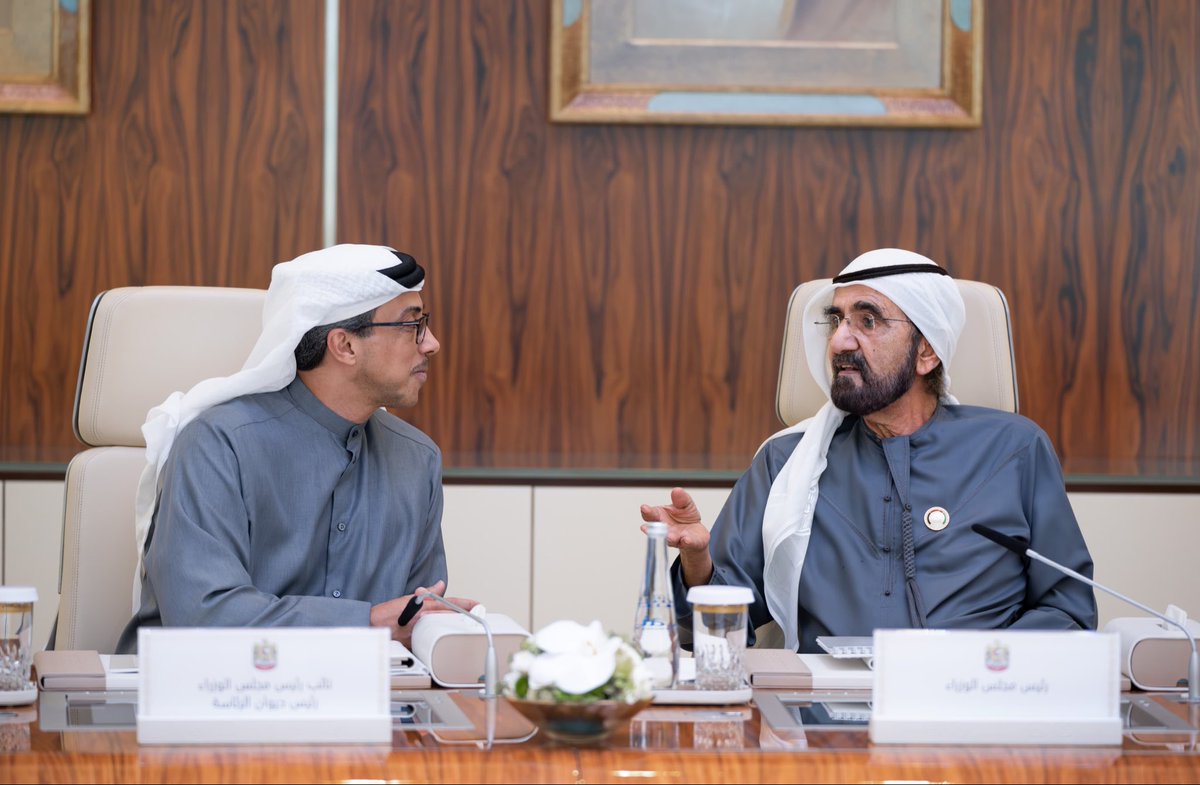
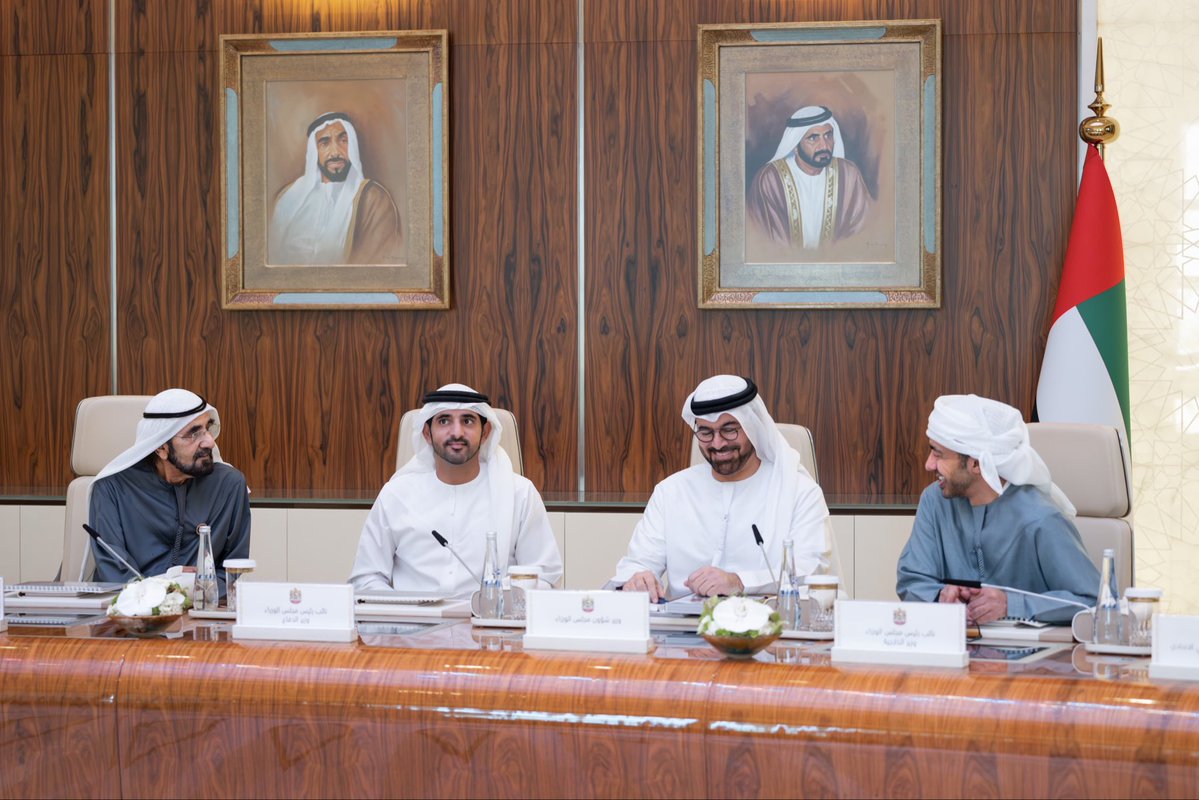
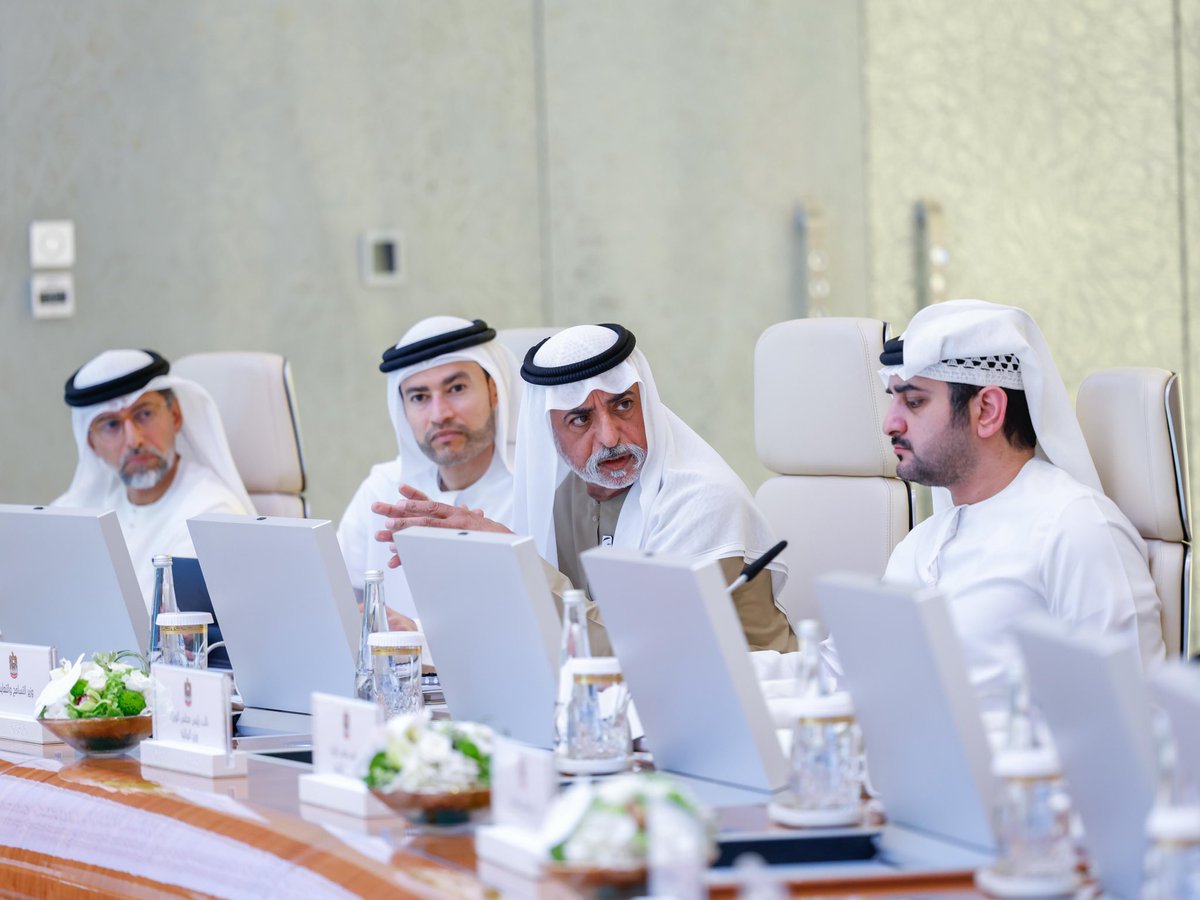
Under the directives of the President of the UAE, we launch a new government model. Within two years, 50% of government sectors, services, and operations will run on Agentic AI, making the UAE the first government globally to operate at this scale through autonomous systems.
AI is no longer a tool. It analyses, decides, executes, and improves in real time. It will become our executive partner to enhance services, accelerate decisions, and raise efficiency.
This transformation has a clear timeline. Two years. Performance across government will be measured by speed of adoption, quality of implementation, and mastery of AI in redesigning government work.
We are investing in our people. Every federal employee will be trained to master AI, building one of the world’s strongest capabilities in AI-driven government.
Implementation will be overseen by Sheikh Mansour bin Zayed, with a dedicated taskforce chaired by Mohammad Al Gergawi driving execution.
The world is changing. Technology is accelerating. Our principle remains constant. People come first. Our goal is a government that is faster, more responsive, and more impactful.
Je crois qu'on ne mesure pas ce qu'Elon Musk est en train de construire avec X.
Tous les médias de l'histoire ont été couplés à une culture, une langue, une bulle géographique. Le Monde parle aux Français. Le NYT parle aux Américains. NHK parle aux Japonais. Chaque média filtre le réel à travers le prisme de sa culture locale.
X est en train de devenir le premier média de l'humanité. Pas d'un pays. De l'espèce.
Je le vis en temps réel. Mes posts en français se font RT par des Japonais, répondre par des Brésiliens, citer par des Américains. Des conversations qui n'auraient jamais existé il y a 5 ans. Un libertarien français qui débat avec un ingénieur de Tokyo et un entrepreneur de Sao Paulo sous le même tweet. Pas traduit par un éditeur. Traduit instantanément par l'IA, en un clic.
Les bulles de filtre culturelles sont en train d'exploser.
Et je pense qu'on sous-estime massivement les effets composés de ça.
Quand une idée peut traverser un océan en 3 secondes, quand un argument sourcé posté à Paris peut être vérifié par un économiste à Singapour et amplifié par un développeur à Austin dans la même heure, le coût de propagation d'une bonne idée tend vers zéro.
Et c'est catastrophique pour un type d'acteur très précis : les médias qui ont construit leur business model sur le monopole de l'information locale. Ceux qui pouvaient raconter n'importe quoi sur "ce qui se passe ailleurs" parce que personne ne pouvait vérifier.
Quand un journaliste français écrit que "le modèle américain ne marche pas", maintenant il y a 50 Américains dans les réponses avec des sources. Quand un éditorialiste dit que "le Danemark prouve que le socialisme fonctionne", il y a un Danois qui explique que le Danemark est 10e en liberté économique mondiale.
Le fact-checking n'est plus un département. C'est un effet réseau.
Les médias honnêtes n'ont rien à craindre de ça. Les médias qui vendaient une narration protégée par l'ignorance géographique de leur audience vont avoir un problème existentiel.
Parce qu'on ne peut plus mentir à l'échelle locale quand le monde entier regarde.
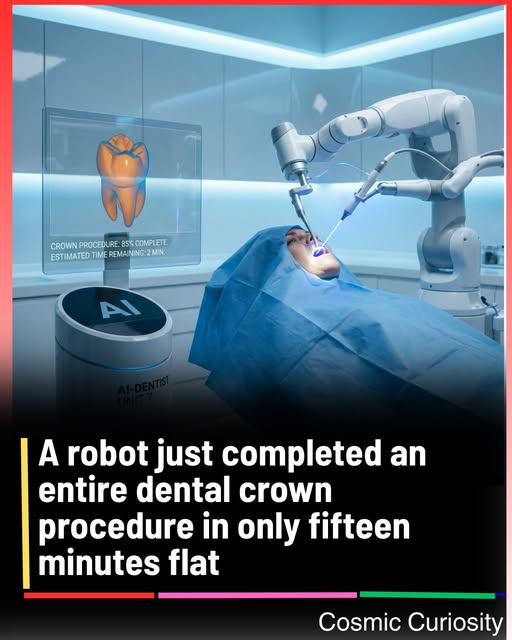
In a landmark medical technology milestone, a fully autonomous AI-powered robotic dentist — built by US company Perceptive — completed a full crown preparation on a human patient in just 15 minutes.
The same procedure typically takes a human dentist 2–2.5 hours. The robot used real-time 3D scanning, AI decision-making, and a precision robotic arm to perform the entire procedure without any human guidance or intervention mid-surgery.
This isn't a concept or prototype — it's already been performed on real patients and a peer-reviewed study was published in the Journal of Dentistry in January 2026. Experts say this is the beginning of a transformation: robotic dentists could eliminate human error, work at any hour, and eventually bring high-quality dental care to remote and underserved communities where trained dentists are unavailable. The dental office of 2035 may look very different from today's.
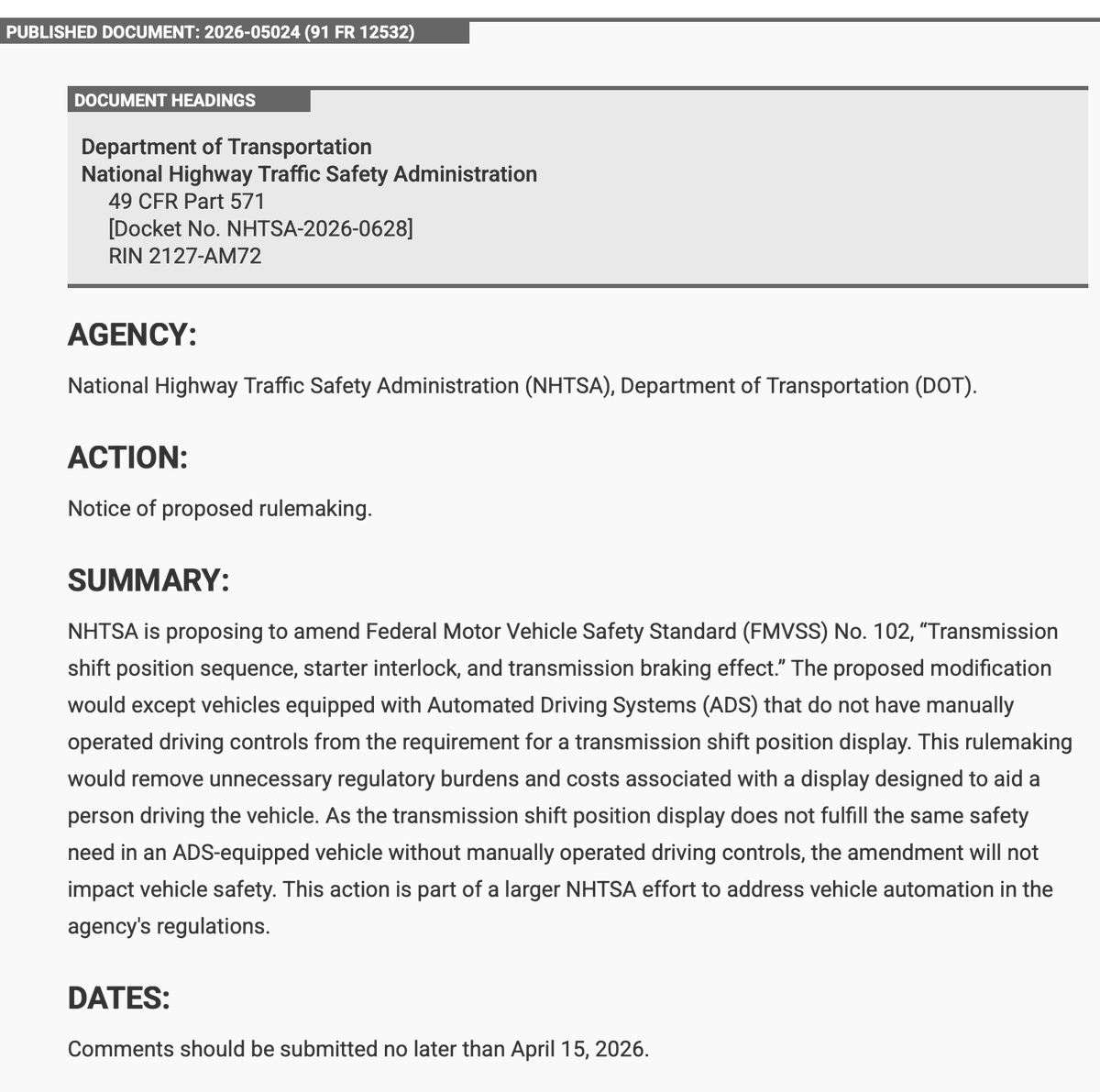
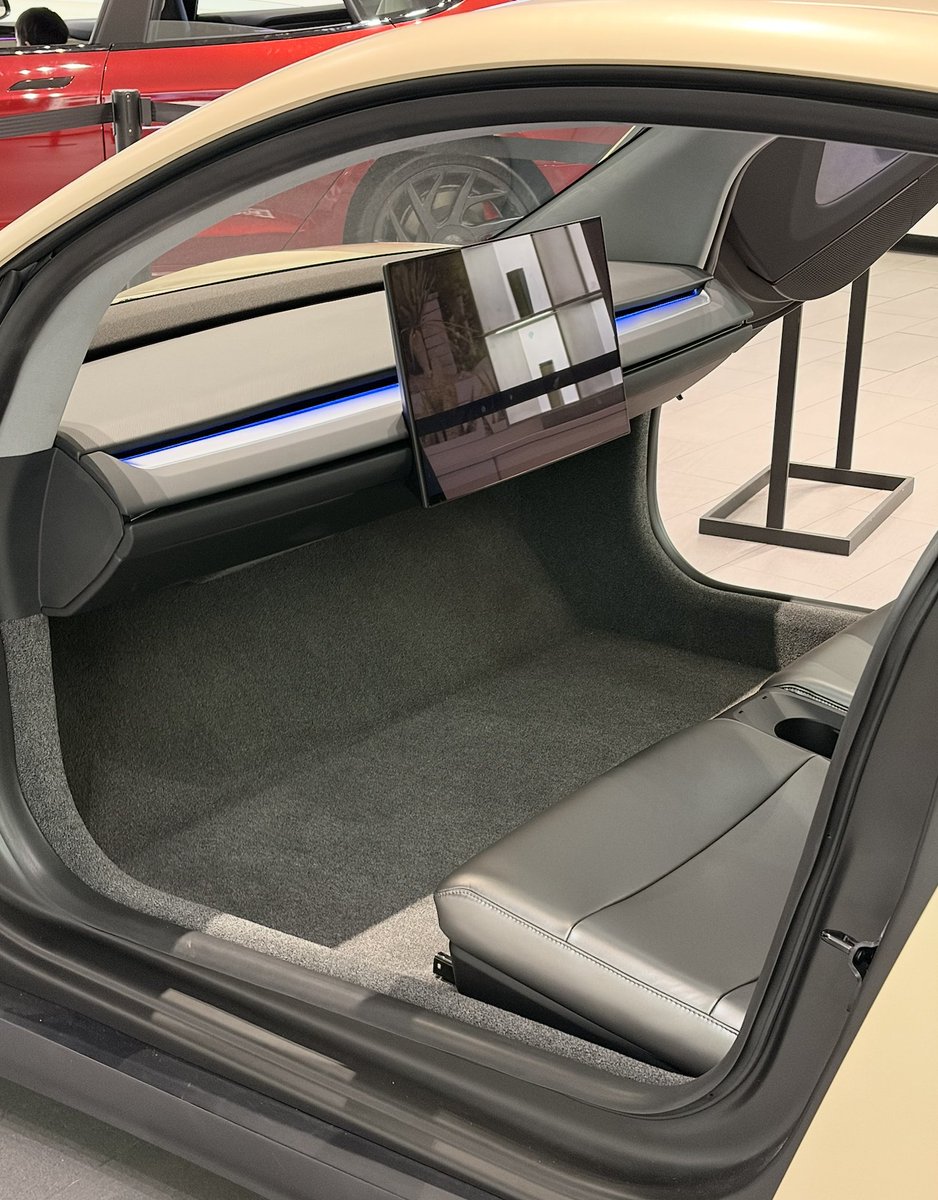
NEWS: The NHTSA is proposing a rule change to update U.S. vehicle safety standards for fully autonomous vehicles.
The proposal would modify Federal Motor Vehicle Safety Standard No. 102 so that fully autonomous vehicles without steering wheels or pedals would no longer be required to display gear positions (Park, Drive, Reverse, etc.).
NHTSA says the requirement is no longer relevant in cars with no manual controls. This change would only apply to fully driverless vehicles and would not impact traditional cars.
Andrej Karpathy just dropped a project scoring every job in America on how likely an AI will replace it from 0-10
> Scraped all 342 occupations from the Bureau of Labor
> Fed each one to an LLM with a detailed scoring rubric
> Built an interactive treemap where rectangle size = number of jobs and color = how exposed that job is to AI
The key signal in his scoring: if the work product is fundamentally digital and the job can be done entirely from a home office, exposure is inherently high.
The scale:
0-1: Roofers, janitors
4-5: Nurses, retail, physicians
8-9: Software devs, paralegals, data analysts
10: Medical transcriptionists
Average across all 342 occupations: 5.3/10.
The entire pipeline is open source. BLS scraping, LLM scoring, the visualization. All of it. Much respect for the sensei this is scary and awesome
just a few of the things I strongly support:
✅The SAVE Act
✅National Constitutional Carry
✅Warrants for Americans for FISA
✅Reduce Spending
✅Convict Epstein Coconspirators
✅Healthy Food and Farm Freedom
✅Abolish the Federal Reserve
✅Border Security
✅Stop Fraud
@DillonLoomis@grok can you explain the details of this for me? Also try to infer what it could mean for the rollout of the cyber cab and the availability of fsd for the masses.
I was engaged at 21 & married less than two months later. This year we will celebrate our fourth anniversary. Our baby girl is almost 6 months old.
The American dream starts with getting married and starting a family.
The baby giggles & wild hair melt me. Thank you, God!
@thomas_garrard I've read the book. It's actually on the Marine Corps Commandant's reading list...or at least it was when I served.
I really enjoyed the book, and eventually the movie too. Though, as is typically the case, the book is still much better due to the rich details.