Ecological entomologist with research interests in spatial ecology and statistics. I love being outside, playing and watching soccer, MTG, and board games 😃
Here’s a review of DNA extraction methods developed for point-of-need DNA-based testing that could be useful for DNA testing practitioners, students of PCR, fieldwork researchers, and anyone interested in DNA extraction chemistry.
The authors, Lee et al. (2023), review methods suitable for use outside of conventional laboratories, ranging from quick and dirty extractions to affordable and easy-to-use extraction testing devices for mass distribution, such as lab-on-a-chip devices.
They also dive into the chemistry and processes behind each extraction option with referenced examples, comprehensive tables, and some great illustrations of the different methods. So this could be useful even if all of your work is lab-based.
Importantly, the authors examine recent DNA extraction methods devices in the context of the World Health Organisation’s REASSURED criteria for point-of-need testing, and assess their usefulness for users within this framework.
You can read the article here:
Lee et al. (2023). Chemical Trends in Sample Preparation for Nucleic Acid Amplification Testing (NAAT): A Review. Biosensors, 13(11), 980.
https://t.co/5gyoj3ndzn
Unfortunately, the authors didn't cover filter paper-based DNA extraction methods, which is a super-cheap and easy method which has been suggested as meeting numerous REASSURED criteria. You can find an example of this method below:
Aula et al. (2023). Optimisation of the DNA dipstick as a rapid extraction method for Schistosoma japonicum in infected mice samples and spiked human clinical samples. Infectious Diseases of Poverty, 12(1), 71.
https://t.co/4QOVUOgdsL
***
https://t.co/5gyoj3ndzn
@TalkingTHFC The difference is that the quality of the rest of the team ensured that we would never win any of those competitions regardless of whether Kane turned up or not. When he goes to a real club and has a bad final, he will still win because the rest of the team aren't donkeys.
tune in tomorrow afternoon for a webinar on https://t.co/QcrZkCDi29 "How to manage spider mites in tomatoes with predatory mites" with myself and Jim Walgenbach (NC State)
https://t.co/7N2iC8L9Tk
Pretty neat video footage of the Clemson Extension REC stations and other campuses throughout SC. Great illustration of how Land Grant Universities like Clemson are much more than just their main campus.
#GoTigers
https://t.co/f2SZ2tIhX9
Dr. Ward and I are looking for a PhD student to lead a project focused on the ecological effects of implementing climate smart practices in leafy greens. Candidates with significant experience conducting field experiments are encouraged to apply ([email protected])
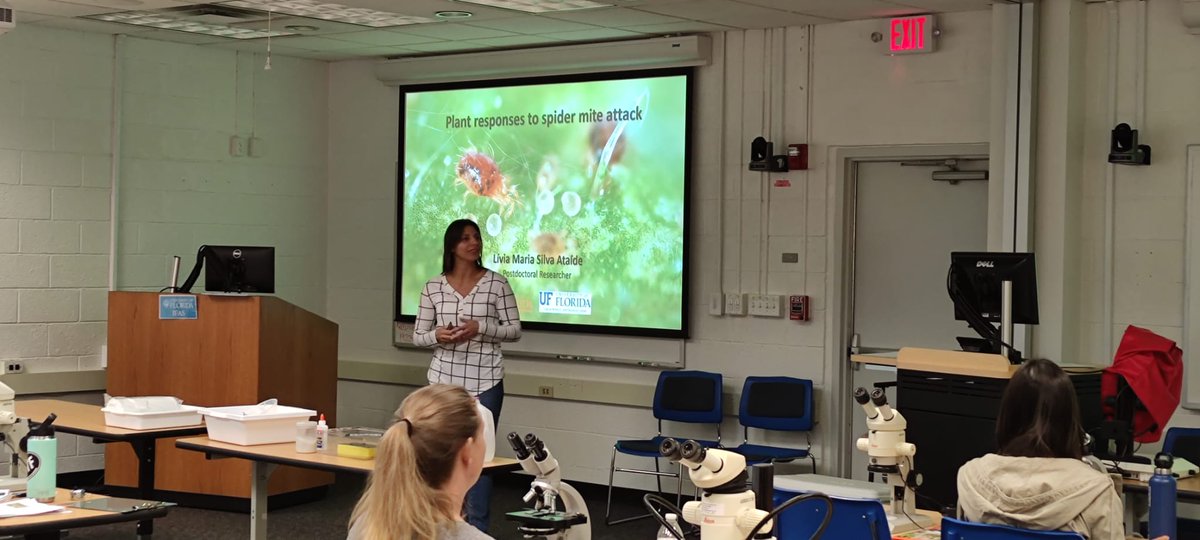
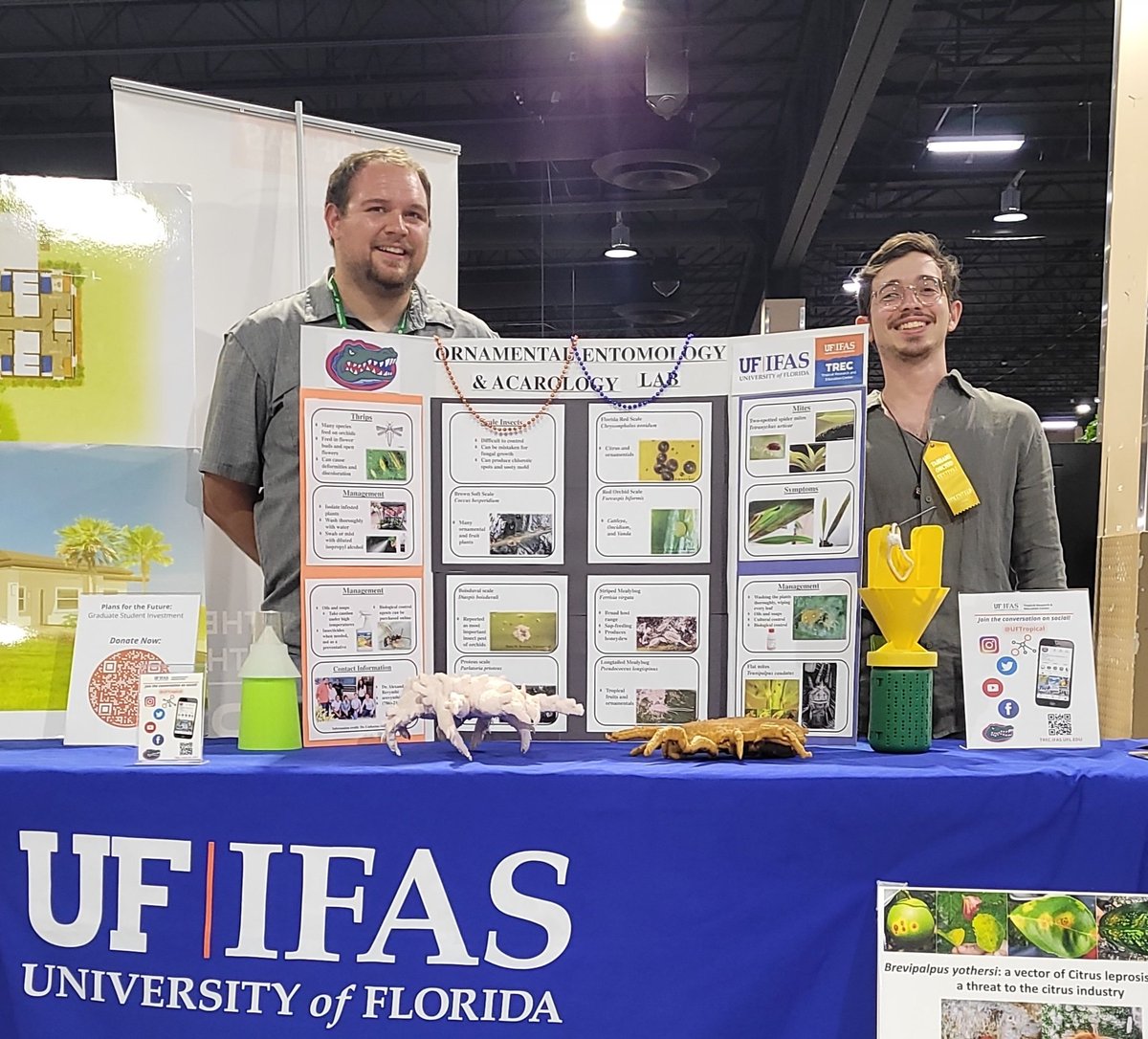
Dr. Livia Ataide in her #postdoc focuses on the #lychee erinose mite and its interaction with the plant. Thank you Livia for your contributions to the lab, your passion and persistence with this challenging project! #PostocAppreciationWeek@UFTropical@UFEntNem
@alex_revynthi@UFTropical@UFEntNem It is an honor to work in the Revynthi Ornamental Entomology and Acarology Lab! Great friends and great research 👍 👍 👍
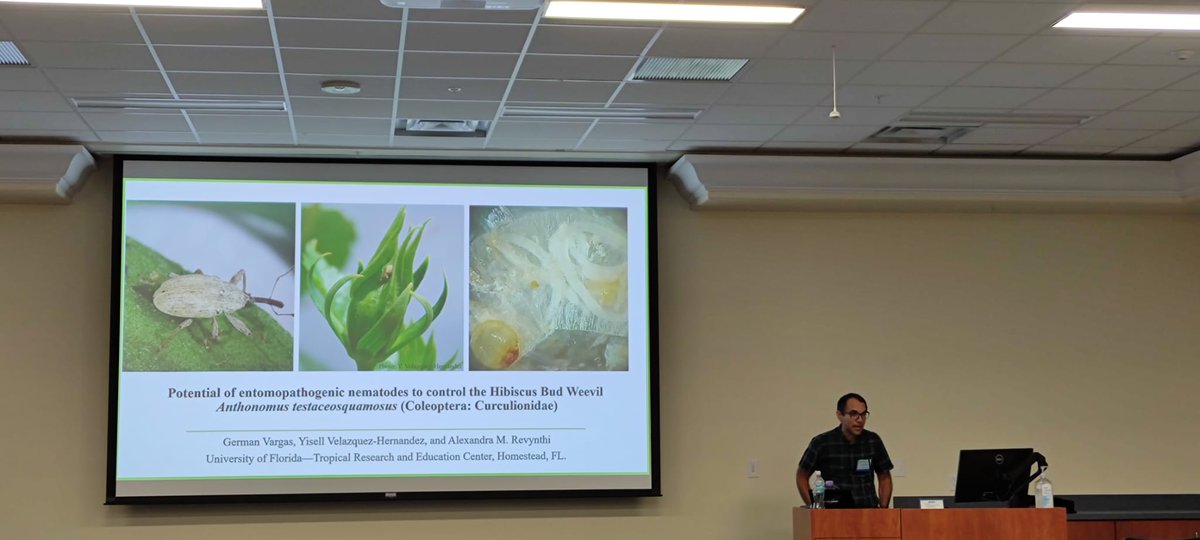
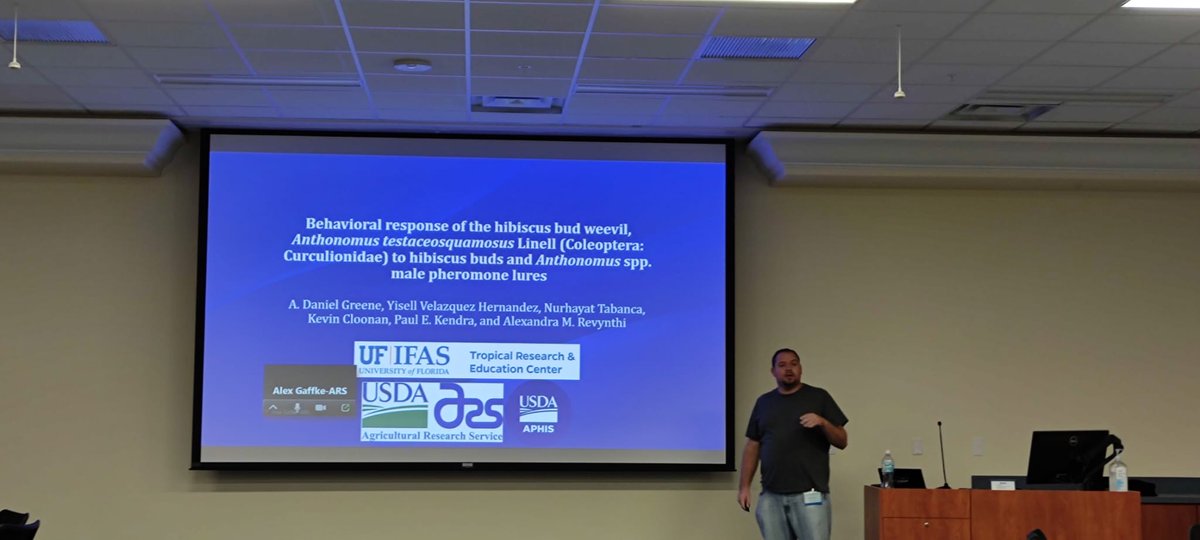
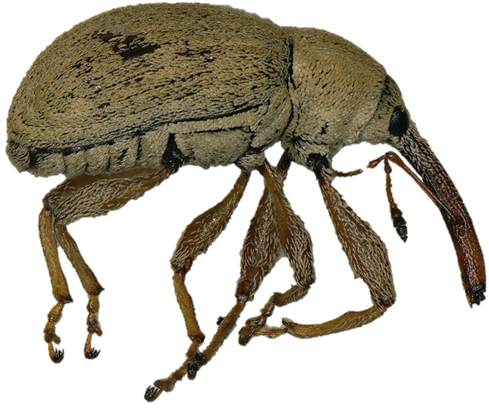
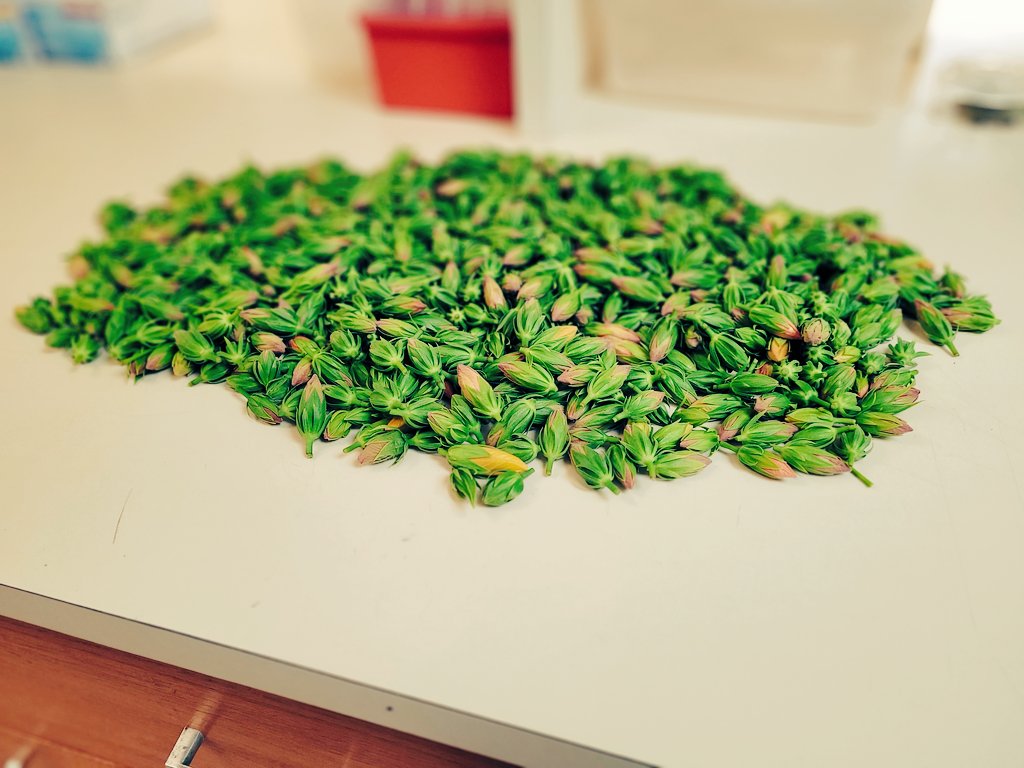
It was a joy to be able to share the info we've learned on the biology, ecology, and management of the HBW! Thank you to all involved in the hibiscus industry for your support. Your feedback helps us immensely as we try to provide you with the most accurate info on this pest!
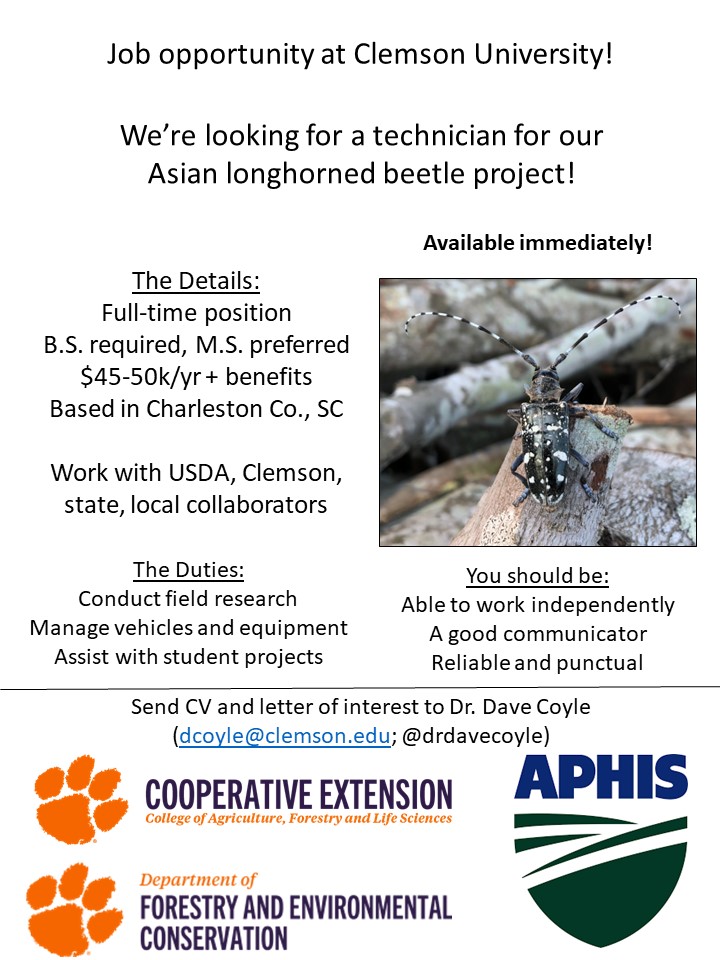
WHO WANTS A JOB?!? I'm looking for an ALB program technician. Will work closely with all ALB research projects (USDA, USFS, grad students) and will largely manage our ALB research operation. Reach out if you're interested and please spread the word! #academicjobs#technician
Have you registered for the upcoming in-person Hibiscus Bud Weevil workshop? If not, you still have time, follow the link https://t.co/leuRpPmiM0 CEUs will be available @evcampoverde@FNGLAMiamiDade@UFTropical@UFEntNem