Prof. Deporte y Actividad Fisica./ Esp. Teoría y Metodología del Entrenamiento Deportivo./ Mg. Deporte y Actividad Fisica/ Preparador Físico Fútbol Femenino
Los deportistas que practicaron mayor variedad de deportes en la infancia tienen menor riesgo de lesiones.
Los que se especializaron temprano en 1 deporte tienen el doble de riesgo de sufrir lesiones en extremidades inferiores comparados con los multi-deportistas.
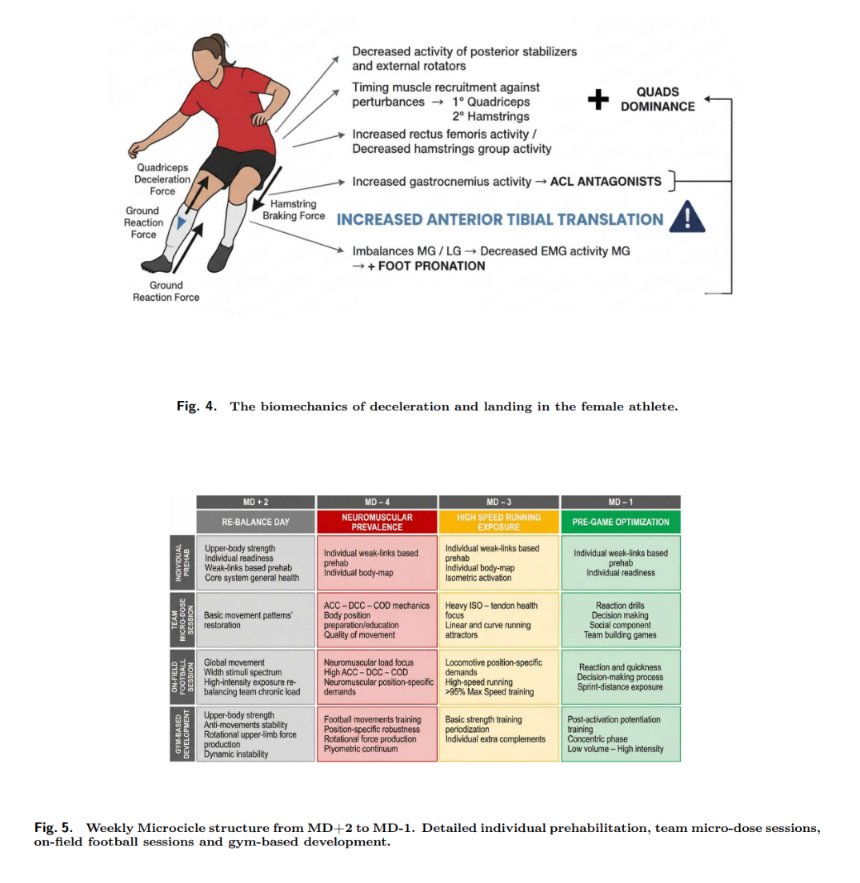
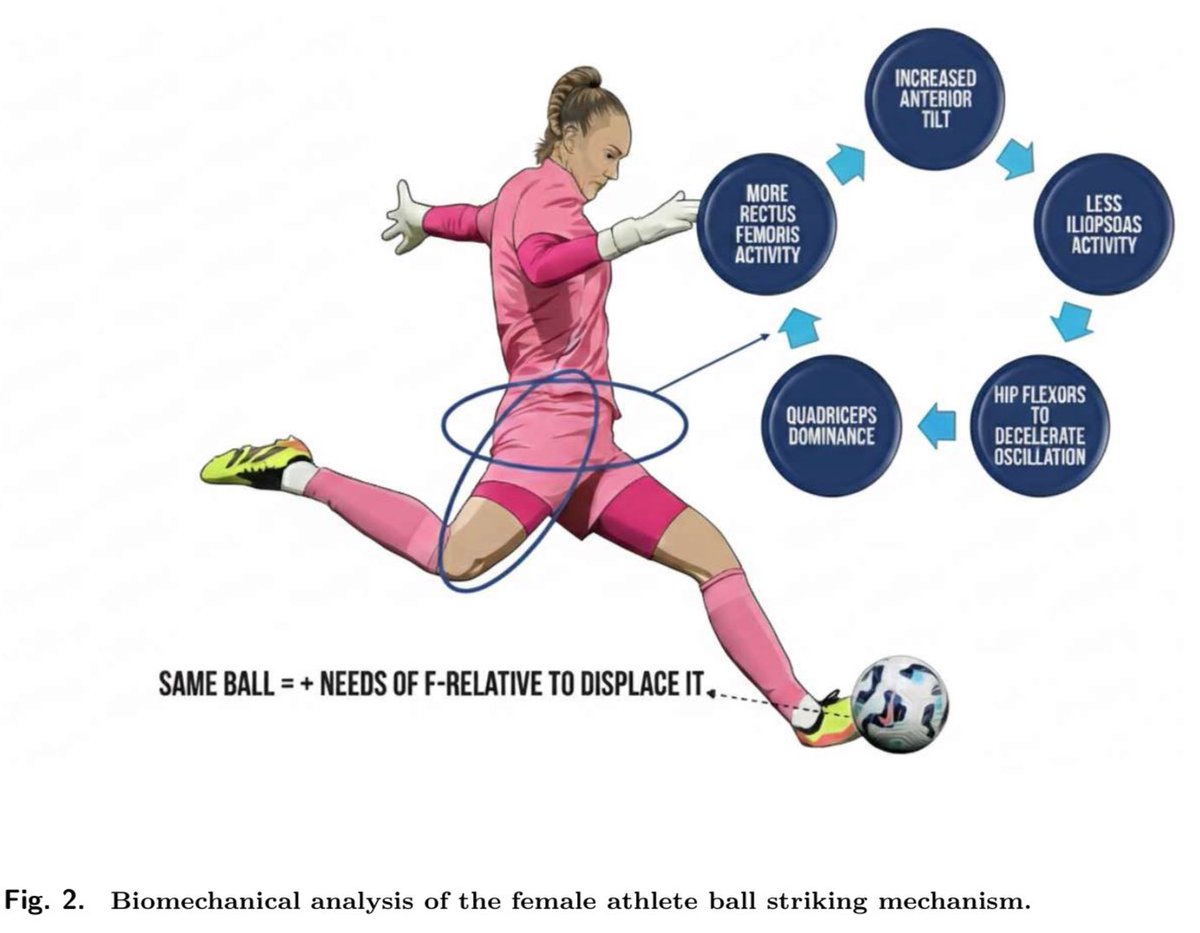
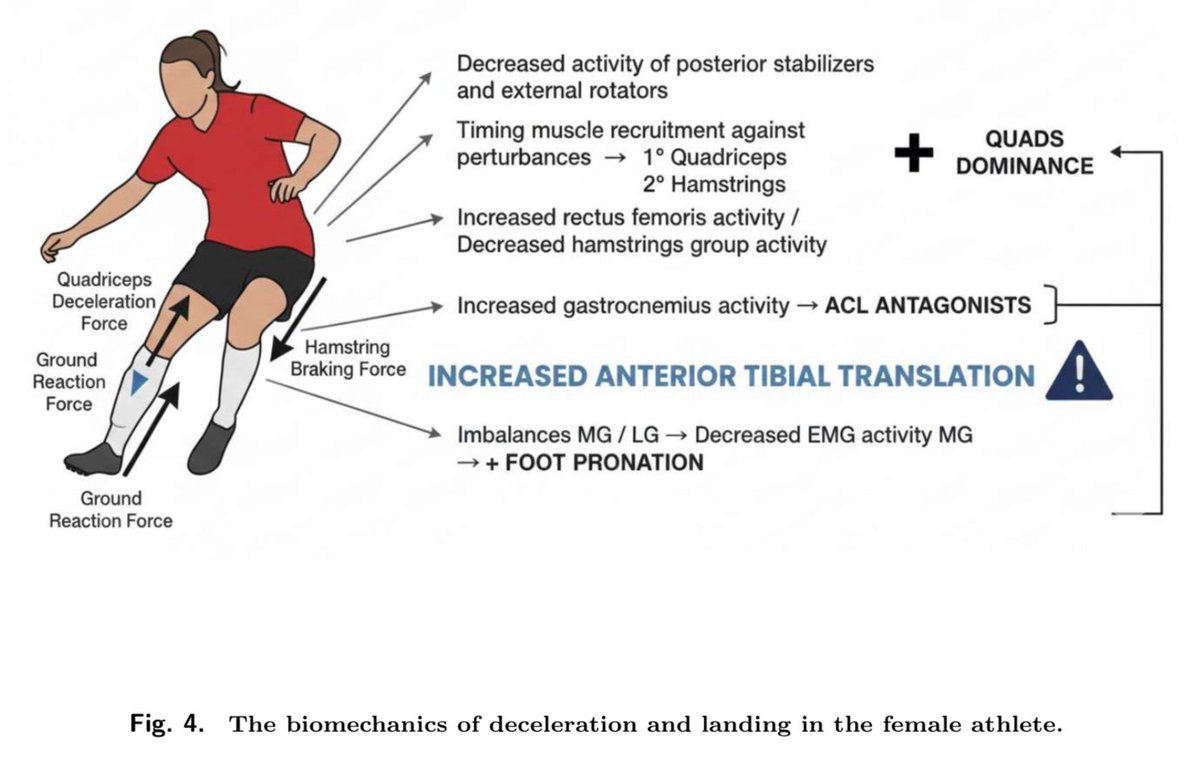
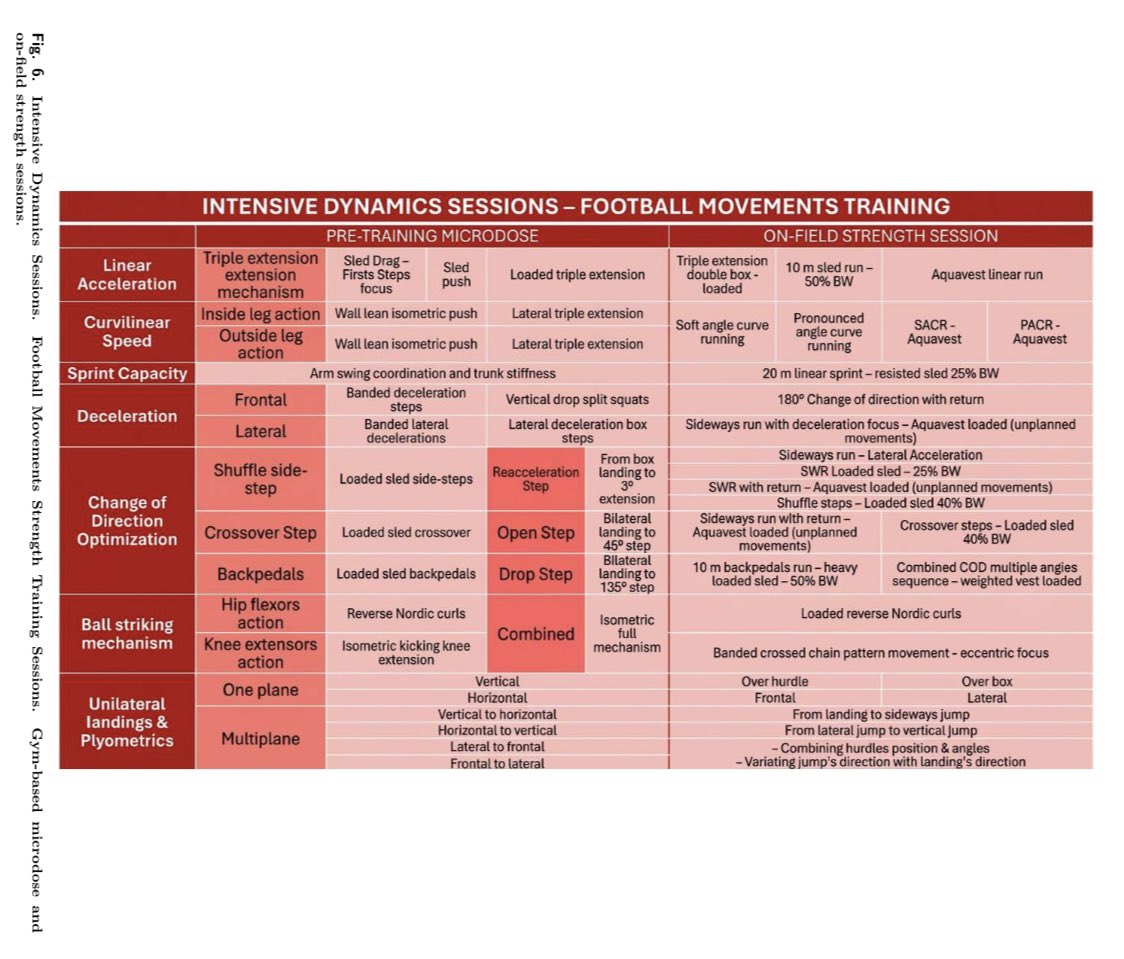
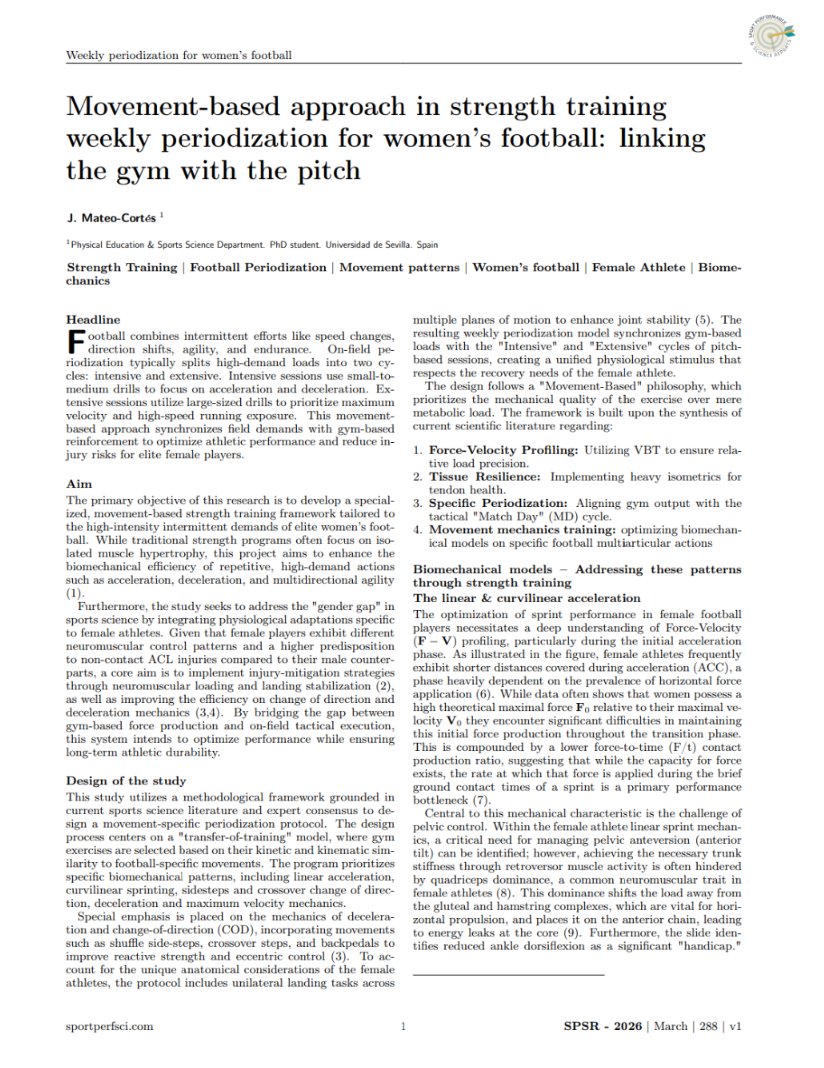
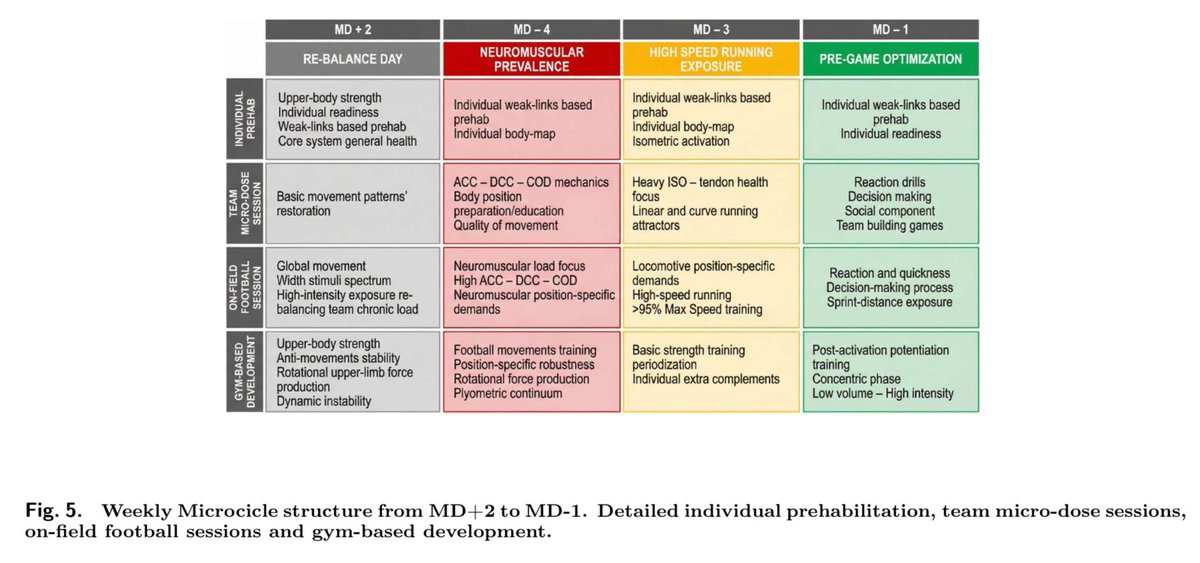
Really excited to get the possibility to share some insights and practical ideas about strength training and its periodization in women’s football. Thanks to @SportPerfSciR and its team of editors! ⚽️🏃🏼♀️📈📊🏋🏼♀️
Full link:
https://t.co/yR1WILq9ne
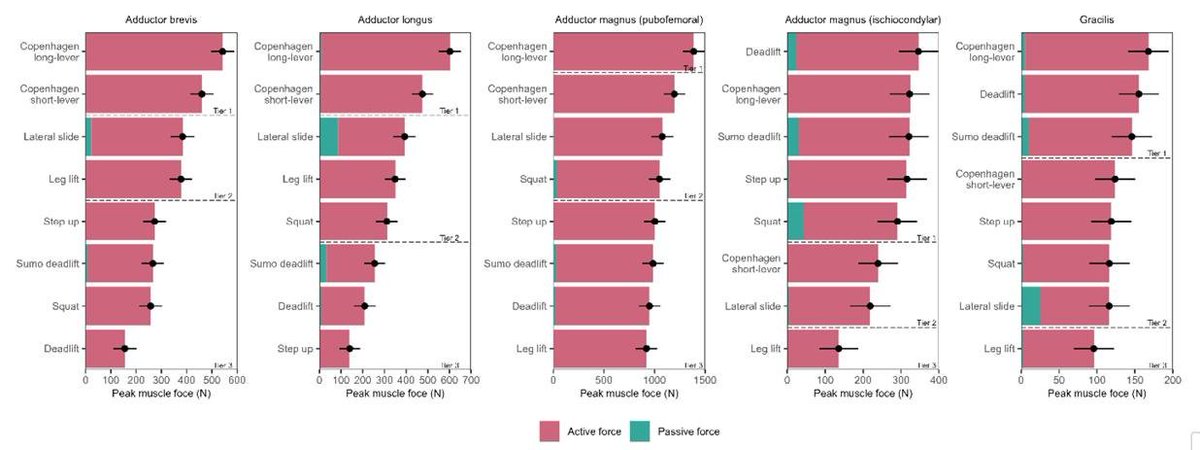
New work by @TylerCollings3 and colleagues 🔥
Hip Adductor Muscle Forces During Strength Training and Rehabilitation Exercises 🏋️
https://t.co/UcqJtjRRbF
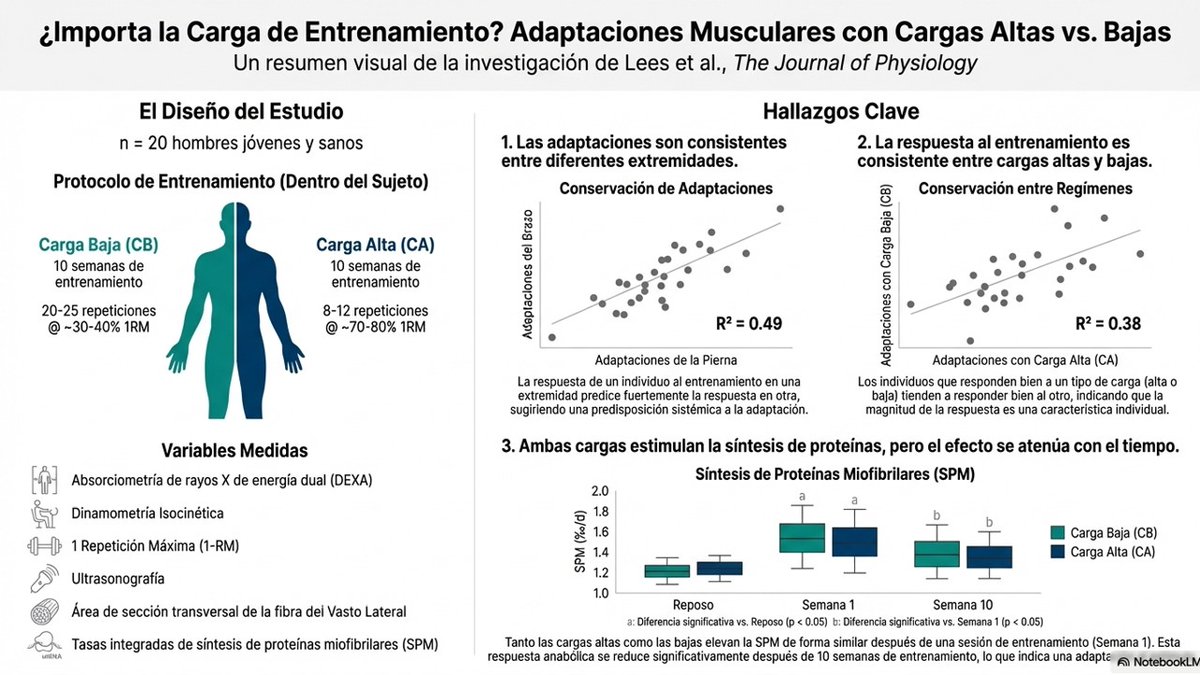
¿POR QUÉ LA HIPERTROFIA MUSCULAR NO DEPENDE DEL PESO LEVANTADO? El entrenamiento de fuerza induce hipertrofia comparable con cargas altas o bajas cuando el esfuerzo se equipara. La respuesta es consistente dentro de cada individuo, independiente del músculo entrenado, y sugiere que los factores endógenos predominan sobre la carga externa. (lee el artículo completo en BLOG JL Chicharro en https://t.co/ghlyA0rsYU) https://t.co/v6wIjGGFCy
FATIGA PROLONGADA Y DETERIORO DE LA TÉCNICA DE SPRINT Y ATERRIZAJE EN FÚTBOL El ejercicio específico de fútbol prolongado induce deterioro progresivo de la mecánica de sprint y aterrizaje, pese al mantenimiento del rendimiento externo. Estos cambios reflejan fatiga neuromuscular, estrategias compensatorias y un posible aumento de la susceptibilidad lesional en fases finales del partido. (lee el artículo completo en BLOG JL Chicharro en https://t.co/ghlyA0rsYU) https://t.co/LiFBMDDysZ
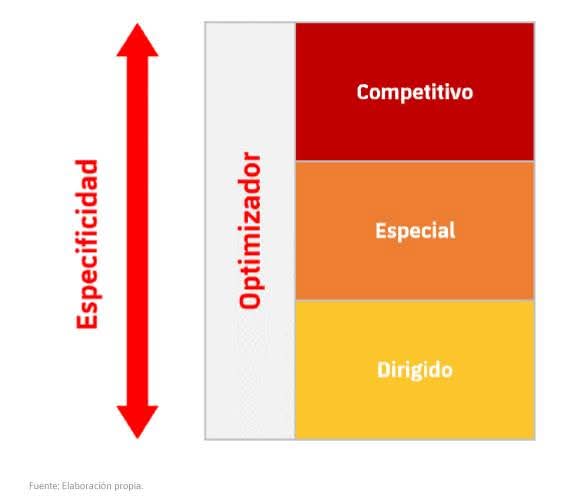
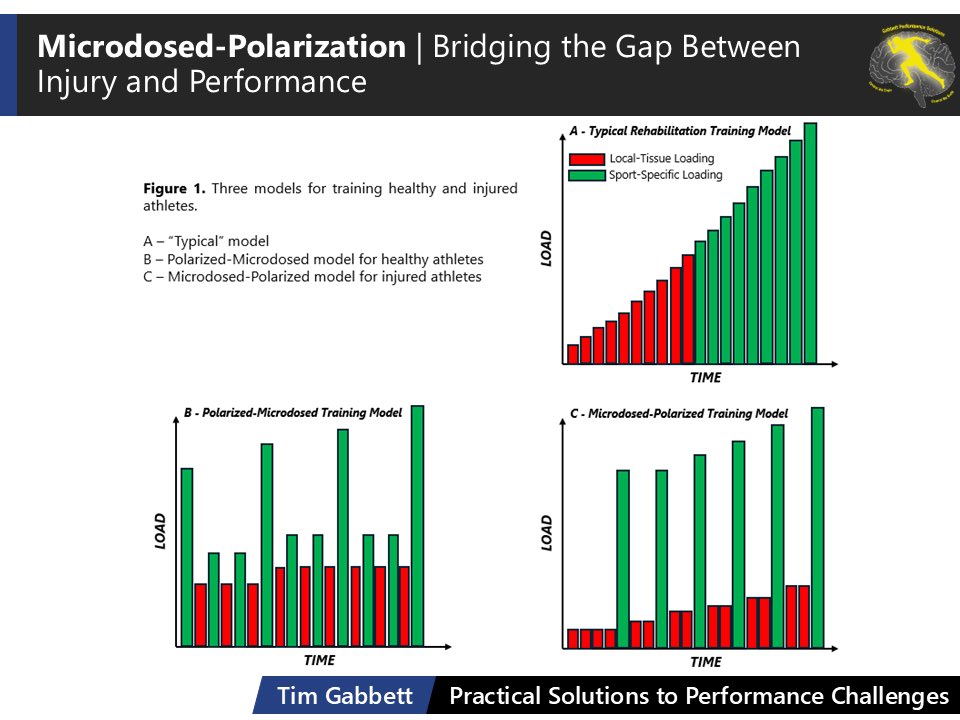
El modelo estructurado Barça cambió la concepción del entrenamiento en deportes de equipo
Exigencias en un contexto cambiante y de interacción constante exige de MÉTODOS específicos.
Os dejo los 10 niveles de progresión del entrenamiento optimizador (Vía Barça Universitas)
What happens when we run faster?🏃♂️
1. Peak muscles forces increase, especially for the hamstrings & hip flexors
2. Acceleration is largely achieved by increasing step length at low speeds & step rate at high speeds
3. Runners may change foot strike but individual response varies
How much oxygen your body can use is one of the best predictors of long-term health
This figure shows how cardiorespiratory fitness (VO₂max) - the body’s ability to use oxygen during exercise predicts health, longevity, and physical capacity across life. VO₂max reflects how efficiently the lungs, heart, blood, and muscles work together to deliver and use oxygen.
🟡 Panel A: VO₂max levels across populations
Elite endurance athletes reach 70–90 mL/kg/min, while sedentary adults average below 45. Values under 17.5 mark the aerobic frailty threshold, and below 10.5 approach the mortality threshold where daily function and survival are compromised.
➡️ Training can raise VO₂max by 10–20%, while aging lowers it about 7–10% per decade.
🟡 Panel B: Fitness decline and mortality risk
VO₂max steadily declines with age but staying in higher fitness percentiles dramatically reduces all-cause mortality.
➡️ People in the “exceptional” fitness range have about five times lower risk of death compared to those in the lowest fitness group. Even being “above average” lowers mortality by over 40%.
🟡 Panel C: The physiology behind VO₂max
Every system contributes to oxygen delivery and energy use:
Lungs and respiratory muscles draw in oxygen
Red blood cells carry it through the bloodstream
The heart pumps oxygenated blood to tissues
Vessels distribute oxygen efficiently
Muscles extract and convert it into ATP for movement
💡 The bigger picture
VO₂max is one of the strongest predictors of overall health and lifespan—more powerful than blood pressure or cholesterol. Improving it through regular aerobic exercise strengthens every component of the oxygen delivery chain, protecting against disease and functional decline with age.
DOI: 10.1152/physrev.00045.2024
🔋 RECOVERY
⚽️ El objetivo de este sistema es sumar 100 puntos por semana, con un promedio de 14-15 puntos por sesión de recuperación, que se debe practicar regularmente en la vida diaria de los atletas
Este sistema de puntos es una poderosa herramienta para tus recuperaciones.
Me fascina este dato:
No es que dormir mucho sea insalubre.
Si tu cuerpo "te pide" dormir mucho, es señal de que hay una condición subyacente que lo está debilitando.
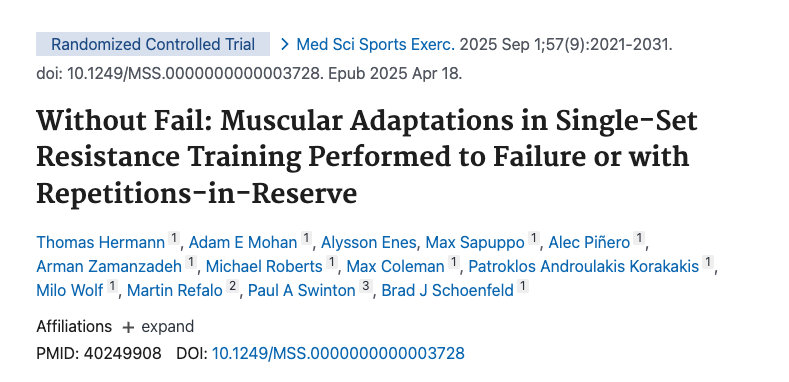
🧵 Entrenar al fallo… o dejar 1-2 repeticiones en recámara (RIR)?
Un nuevo estudio (Refalo et al., 2024) con atletas entrenados comparó ambos métodos durante 8 semanas de fuerza.
El resultado te va a sorprender. 👇
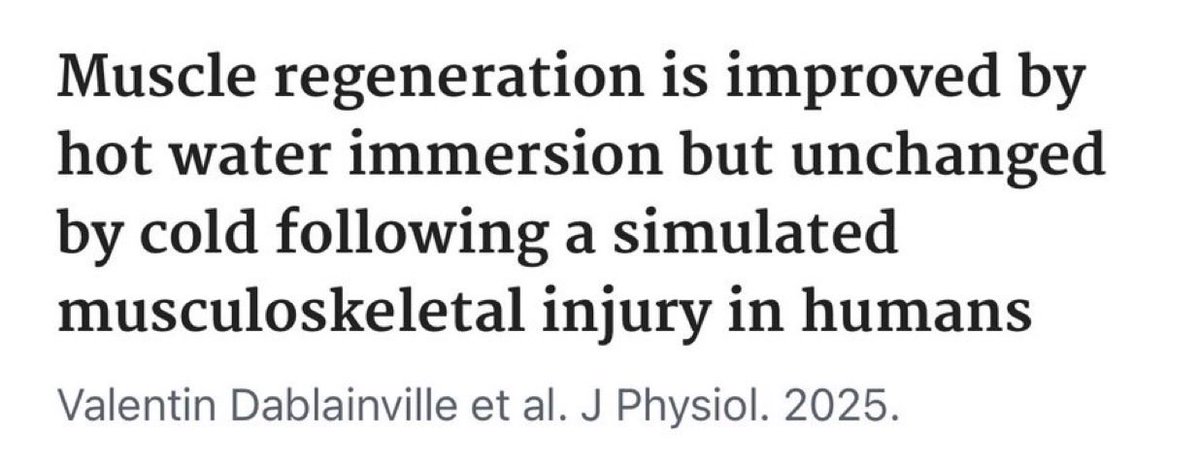
🥶 ¿Frío tras una lesión muscular? ❌
NUEVA EVIDENCIA: el calor gana.
🔥 Inmersión en agua caliente (42 ��C, 60 min/día)
✅ ↓ Dolor
✅ ↓ Marcadores de daño muscular
✅ ↑ Proteínas regenerativas
🥶 Inmersión en frío (12 °C, 15 min/día)
❌ Sin beneficios claros
📌 Calor >>>>>> Frío
🆕"This approach highlights the importance of duration-specific analyses in optimizing training, recovery & match preparation strategies, thereby facilitating targeted training interventions ⚽️"
👉@FYousefian@Fabio_sportsci et al, 2025 🇵🇹
📂Open Access: https://t.co/DuPqWybUZl