New wildlife themed email signoffs just dropped:
Thank ewe,
Best fishes,
Excited to bait and tackle this challenge with you,
Time to scoot, little newt,
Watch out for geese,
Chinese engineers created a soft-bodied, fish-like robot to learn more about the deep sea. It can even handle the extreme conditions of the Mariana Trench! Reminds me of @BBC's Spy in the Wild🤖🐟
https://t.co/TO9SmRHM0L
We've heard of industrial mercury poisoning humans via consumption of contaminated fish. Now we're learning that when these contaminated fish die and sink to the ocean floor, mercury enters ecosystems previously thought to be untainted by humans⚠️
https://t.co/B00pSG7BY7
As if habitat loss, sea level rise, and range shifts due to warming global temperatures weren't threats enough to the seaside sparrow... I guess now we can add mummichogs to that list🐟
https://t.co/u5ofJXZIb7
Community science helps keep garbage out of the ocean! With this mapping tool developed by @NOAA (https://t.co/wHJPwSuSak), anyone can map where they find marine debris, allowing researchers to determine sources of pollution and develop solutions🗑️
https://t.co/Zr1EWxFYAh
Octopuses apparently cooperate with predatory fish when hunting for prey, but sometimes they... punch the fish? This paper suggests that perhaps smacking the competition allows an octopus to keep more food for itself🐙
https://t.co/q6BclKWjkG
Cargo vessels can carry hundreds, even thousands, of shipping containers. Many fall overboard, pollute the ocean with who knows what, and they just leave them there. With so much technology these days, why haven't we fixed this issue?
https://t.co/0ppbvvm671
Phytoplankton, "the lungs of the sea," take in half of the CO2 we make and replace it with oxygen. Should we try farming phytoplankton to capture carbon like we plant trees?
@TC_Africa https://t.co/L8WL85MXHY
Though North Atlantic right whales are critically endangered due to hunting, entanglement, and ship strikes, sometimes there is happy news! Might be anthropomorphizing, but I'll take two whales hugging any day🐳 https://t.co/9Ny7I7bfFY via @NatGeo
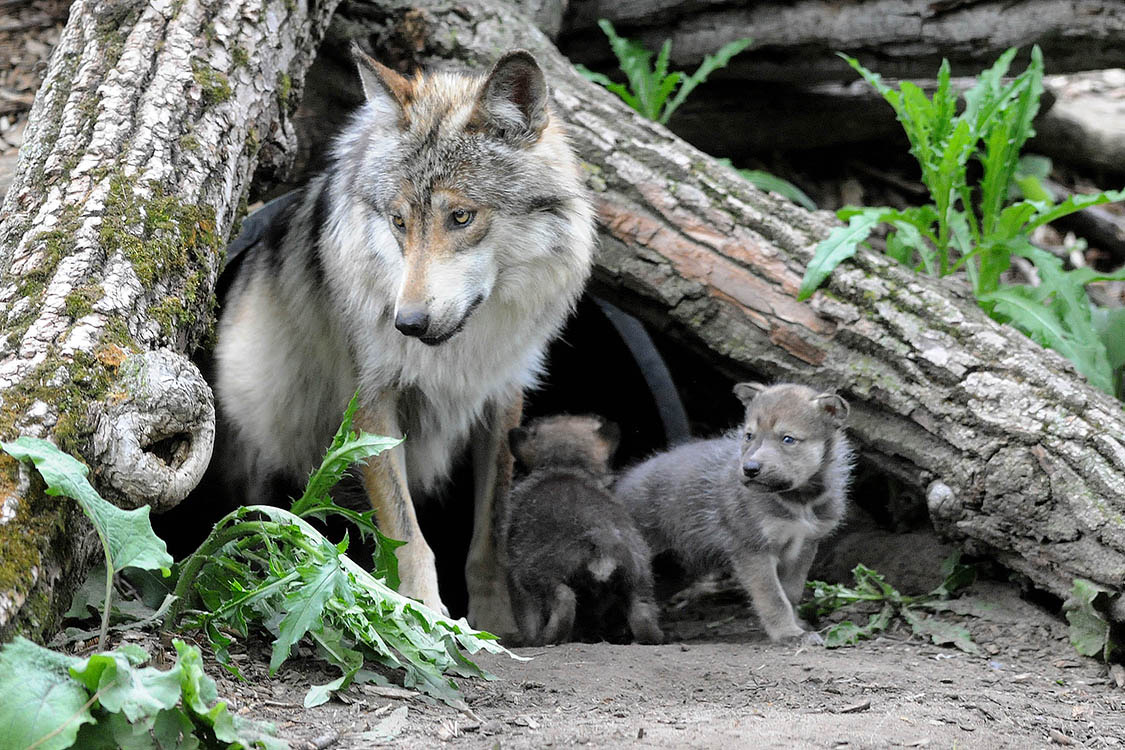
This is for the foster moms!
Some of the best foster moms can be found in the forests of AZ and NM. For 6 years, wild Mexican wolves have been raising captive-born pups as their own, helping to boost the genetics of this endangered species.
📷 Chicago Zoological Society
Happy #MothersDay, world! 🌊
In celebration of all the amazing mamas out there, we’re bringing you ridiculous levels of ocean cuteness this AM—starting with our blue planet’s spectacular seabirds! ✨
https://t.co/SnGVQK5wZO
Proper mask-wearing is an effective way to prevent the spread of COVID-19, just like proper mask disposal is an effective way to keep 6,500 TONS of plastic waste out of our oceans.
https://t.co/wTB5hzBmUP
Bivalves are more important than we realize! Like plants, some help stabilize shorelines and prevent erosion. They also filter feed and can remove phytoplankton, reducing harmful algal blooms.
Photo: Goodwin Island, VA class field trip with @VIMS_News Wetland Ecogeomorphology
Farming seaweed along coasts could help reduce agricultural nutrient pollution and prevent harmful algal blooms! Seaweed can take in excess nitrogen and phosphorus, add oxygen to the water, and be used for many different purposes once harvested.
https://t.co/URrSPVImff
Phragmites australis ("phrag"), an invasive plant species, often outcompetes native marsh vegetation. However, it also fills in transition gaps between fast coastal forest retreat and slow marsh migration, stores carbon, and stabilizes shorelines. Anyone have thoughts on this?
Chinese white dolphins (Sousa chinensis) return to Hong Kong during COVID-19 as service slows for high-speed ferries that run directly through preferred dolphin habitat. Moving ferry routes out of the way would lengthen trips by only a few minutes!
https://t.co/FVHD1k51Xc