@Rawan90bz رفع مستوى المصالح بين #إثيوبيا و #مصر و #السودان
هذه الدول تستخدم النيل وهو يربط بينهم منذ ألاف السنين لذى اقترح لو ان هذه الدول قامت ببناء مشاريع استراتيجية فيما بينهم مثل القطار وتخفيف ضريبة الاستيراد والتصدير وامور كثيرة جدا تفتح مجال التعاون وتوقف التوتر الحالي .
@Next_2023 اختي الفاضلة ماشاءالله قد تكون افكارك لتطوير خدمات الحجاج جيدة،لكن في الحج مافي شيء اسمه( الحجاج كلهم اجانب)، وإن كان ولابد يمكن تقولي الحجاج من جنسيات مختلفة ،لأن التميز بين حجاج بيت الله ضد شعار #وزارة_الحج
Africa has 16 landlocked countries that lack direct access to the sea, meaning they depend on neighboring nations’ ports for trade and imports/exports.
Uganda 🇺🇬
Ethiopia 🇪🇹
Botswana 🇧🇼
Burkina Faso 🇧🇫
Burundi 🇧🇮
Central African Republic 🇨🇫
Chad 🇹🇩
Lesotho 🇱🇸
Malawi 🇲🇼
Mali 🇲🇱
Niger 🇳🇪
Rwanda 🇷🇼
South Sudan 🇸🇸
Eswatini 🇸🇿
Zambia 🇿🇲
Zimbabwe 🇿🇼
#Ethiopia has confirmed the outbreak that has infected at least 9 people in the south of the country is of #Marburg virus disease.
I commend Ethiopia’s @FMoHealth for its rapid and transparent response to the outbreak, and the work of the Ethiopia Public Health Institute and regional health authorities. This fast action demonstrates the seriousness of the country’s commitment to bringing the outbreak under control quickly.
@WHO, at country, regional and headquarters levels, is actively supporting Ethiopia to contain the outbreak and treat infected people, and supporting all efforts to address the potential of cross-border spread.
Untold Story: What Egypt Did at Jinja, and Why GERD Will Never Be Jinja
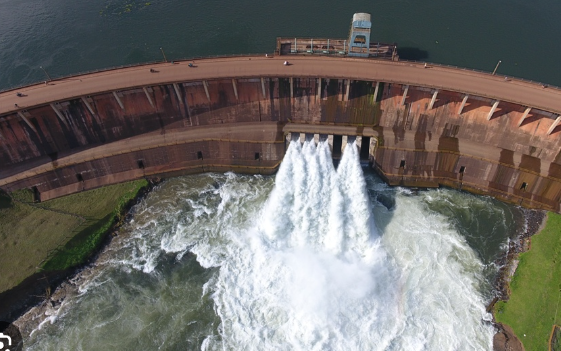
Picture Jinja in Uganda. Lake Victoria lies like a small sea. At the outlet sit two powerhouses, Nalubaale and Kiira. In the control room, one rule hangs on the wall: the Agreed Curve. Nalubaale, formerly Owen Falls, is the dam and power station at the lake’s outlet. Using the Agreed Curve, a resident Egyptian engineer told operators how much to release as a function of lake level so Egypt’s White Nile supply stayed steady. Mid-20th-century arrangements wrote that rule into practice, and Egyptian technical eyes sat in the room to enforce it.
What Egypt did at Jinja, in its own model
1. A resident Egyptian engineer and staff were stationed at Owen Falls to “observe the program of works” and verify that releases followed instructions issued by Cairo.
2. Outflows from Lake Victoria were guided by a treaty framework that began in 1954 and was revised in 1964.
3. After 2000, several studies recorded disputes over releases above the Agreed Curve.
That is oversight turning into control. A downstream-first rule put Cairo’s hand on Uganda’s valve. When dry years arrived, or generation needed water, any deviation drew blame.
Why that template fails on the Blue Nile
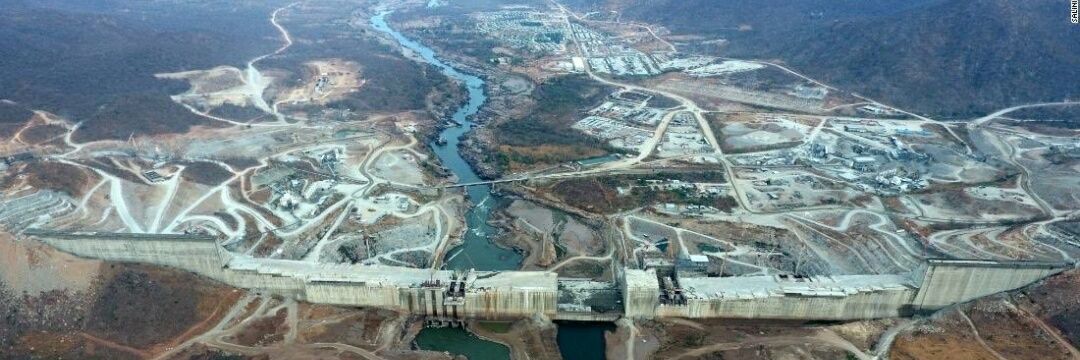
GERD is a high-head powerhouse with 13 units and 5,150 MW. It is not a low-head lake regulator that Cairo can micromanage. Its job is to route floods safely, deliver firm energy and steady dry-season releases, and keep Sudan’s Roseires and Sennar stable. The basin standard is equitable and reasonable use under the CFA principles. Egypt’s veto culture does not apply. Demanding a seat in Ethiopia’s control room is not coordination; it is control. It will not happen. Ethiopia will share data. Ethiopia will not hand over the valve.
What Cairo wants to copy at GERD
Seats in the room. A live say over daily releases. A downstream-first instruction dressed up as “binding rules.” A definition of “coordination” that really means permission. The power to say no when Ethiopia says yes.
Again, GERD is not Jinja
No foreign engineer will sign off Ethiopia’s daily releases. No curve drawn in Cairo will police Ethiopian turbines. Cooperation, yes. Transparency, yes. Safety, yes. Control, no. Binding on Cairo’s terms? No.
#Ethiopia #Egypt #Sudan #SouthSudan #Uganda #Kenya #Tanzania #Rwanda #Burundi #CFA
#NileBasin #BlueNile #WhiteNile #Abbay #Atbara #Jinja #Nalubaale #Kiira #SourceOfTheNile #EquitableUse #Hydropower
مصر ماساهمت بقطرة وتبغى صك ملكية على كل نهر #النيل وبدل مايستفيد المزارعين من المياه قاموا بمد النيل إلى شبه جزيرة #سيناء عبر سحارة او #ترعةالسلام أسفل قناة السويس لزراعة مساحات شاسعة . وعند بناء السد العالي أغرقت #حلفا_القديمة التي ينتسب اليها #الحلفاويين .
#سدالنهضة#GERD
My @CNNInternatDesk interview on Grand Ethiopian Renaissance Dam - one item I mention is that in today's world Egypt can no longer claim 100% control over the Nile when it doesn't contribute one drop of water into the river.
https://t.co/v6fvtc1gSI
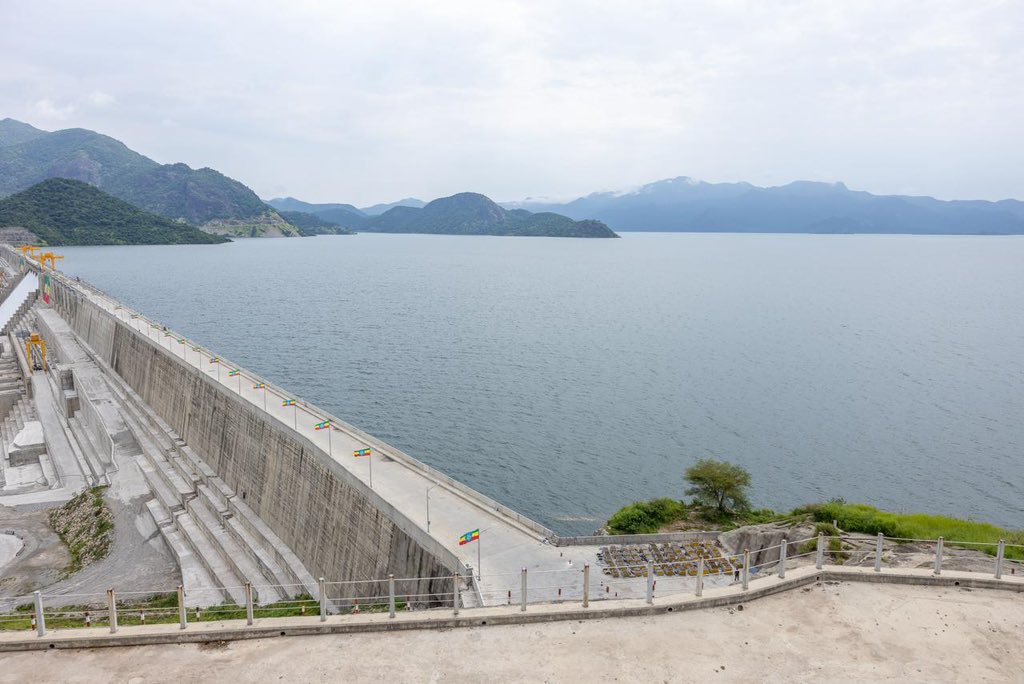
The Grand Ethiopian Renaissance Dam is a bold affirmation of Africa’s ability to marshal its own resources and shape its destiny. Funded entirely by the Ethiopian people, it is more than an infrastructure project; it is Africa’s largest hydropower facility, with an estimated capacity of 6,450 megawatts, and a continental symbol of self-reliance and progress.
For Kenya, it offers immense promise. We are ready to sign a power purchase agreement with Ethiopia to offtake surplus electricity to power our industries, ICT hubs, manufacturing, and agro-processing, while strengthening competitiveness, creating jobs, and driving sustainable growth.
No nation should be denied the chance to build such transformative assets because, with time, they become shared sources of prosperity.
Yet, even as we celebrate, we remain mindful of differing perspectives among Nile Basin countries. Kenya reaffirms its support for equitable use of shared waters and urges Ethiopia, Egypt, and Sudan to continue pursuing trilateral talks in good faith. Dialogue and compromise remain the surest path to a fair agreement that safeguards prosperity and stability for all.
Honoured to join fellow leaders in witnessing the historic inauguration of the Grand Ethiopian Renaissance Dam at Benishangul-Gumuz Region. Congratulations to Prime Minister Abiy Ahmed and the Ethiopian people on this remarkable achievement.
With us were Presidents @IsmailOguelleh (Djibouti), @HassanSMohamud (Somalia), Salva Kiir Mayardit (South Sudan), Barbados Prime Minister @miaamormottley, Prime Minister of Eswatini Russell Mmiso Dlamini and Africa Union Commission Chair Mahmoud Ali Youssouf.