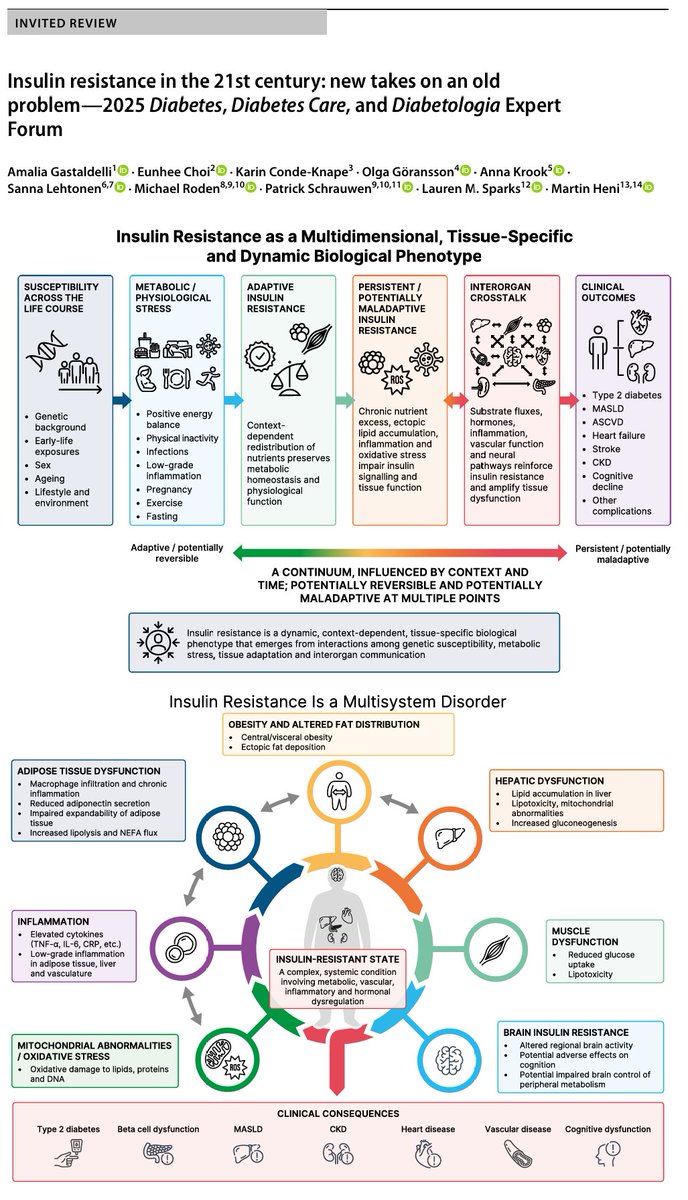
This perspective provides a conceptual framework for understanding the remarkable heterogeneity of insulin resistance and its contribution to cardiometabolic disease.
Soldados norte-coreanos lutam pela Rússia. Armas ocidentais defendem a Ucrânia. A Coreia do Sul promete proteger navios no Golfo.
O que falta para chamar isso de guerra mundial?
A forma mudou: hoje a guerra é híbrida, feita de sabotagem e negação plausível. Mas já começou.
Yes this is why Western Europe used to hang 1% of each generation
For centuries, every crime of any seriousness was a hanging offense, and generally these sentences were enforced
Over time, hanging all thieves/rapists/murderers/etc meant that such genres were plucked from the gene pool, and European civilization could, in the 18th and 19th centuries, focus on building great empires and cultivation of high civilization rather than on how to handle reducing recidivism amongst the petty criminals who make life unbearable
If you want a pleasant and cultured civilization, the path to that begins with the gallows and gibbet for the problem causing 1%
There is a certain type of person everywhere now, especially online.
He consumes endless information every day: philosophy, psychology, productivity, spirituality, neuroscience, business, self-improvement, history.
He knows a little about everything and deeply experiences almost nothing.
His entire identity becomes built around understanding instead of living.
He watches videos about confidence instead of speaking confidently. Reads about discipline instead of becoming disciplined. Studies relationships instead of learning how to love. Consumes motivational content instead of taking action.
He feels intelligent because he is constantly mentally stimulated. But stimulation is not transformation.
Most of the time, knowledge becomes emotional protection. Reality is unpredictable. Reality humiliates. Reality exposes weakness. Books and ideas do not.
Inside information, he can continue imagining himself as intelligent, deep, insightful, different from ordinary people. So he remains trapped in preparation.
He constantly feels as if he is "becoming" someone, while his real life remains strangely untouched. He develops sophisticated language for problems he never confronts directly. He can explain human behavior beautifully while being unable to handle ordinary discomfort, rejection, uncertainty, loneliness, or risk.
He slowly turns life into observation instead of participation.
The internet rewards this personality heavily. He receives validation for sounding aware rather than becoming capable.
Eventually, he begins confusing self-analysis with growth and information with wisdom.
But beneath the intelligence usually exists the same thing: fear. Fear of failure. Fear of embarrassment. Fear of reality answering back.
Because action destroys fantasy. The moment he truly acts, he can no longer hide inside potential.
ESR tells you that inflammation has left a slow systemic footprint.
CRP tells you that the liver is actively responding to cytokines
Procalcitonin tells you that the inflammatory programme may be bacterial or septic in nature.
They are not interchangeable clocks.
They are different biological readouts.
Breast cancer risk doesn't just come from your mom's side of the family — your dad's side matters too.
If someone in your family has had breast, ovarian, uterine, or colorectal cancer, you may have a higher risk of developing these cancers yourself. Sharing your family history with your doctor can help determine what screenings you need, when to start, and how often.
This week, ask your family about your cancer history on both sides. Share it with your doctor and talk about your screening options.
🔗 https://t.co/HrVtvJL1lr
#WomensHealth #KnowYourRisk #FamilyHealthHistory #BreastCancer #ColorectalCancer #UterineCancer #CDCWomensHealth
Think you know someone who has it all? Statistically, you probably don’t. The probability of a person possessing exceptionally high levels of intelligence, diligence (conscientiousness), and emotional stability simultaneously is fewer than 85 per 1 million people. We easily imagine the world is full of high-achieving, cool-headed geniuses. In reality, the overlap of these three traits is so rare that it constitutes a statistical anomaly, just 0.0085% of the population.
“High intelligence" in multi-trait studies typically requires scoring at least 2 standard deviations above the mean. To cross into the "exceptional" or "profoundly exceptional" territory mentioned in the abstract, an individual must score significantly above the norm. For the threshold, this translates to an IQ of 130 or higher, placing a person in the top 2% of the population. For profoundly exceptional, this hitting (an IQ of 145+) that represent the top 0.1%.
Measuring diligence is quantified using the Big Five Personality Traits framework, specifically the dimension of Conscientiousness. Diligence is in the top 2% of the population for systematic, self-regulated execution.
Emotional stability is the inverse of Neuroticism (the tendency to experience negative emotions). It measures the threshold of the nervous system under pressure. Like diligence, this is mapped via psychometric testing, looking for consistently low scores across specific vulnerabilities:
• Anxiety and Hostility: How easily the individual triggers a fight-or-flight response.
• Depression and Self-Consciousness: The frequency of internalizing negative self-talk or shame.
• Impulsiveness and Vulnerability: The capacity to remain clear-headed and emotionally regulated during acute crises or high-stress environments.
An "emotionally stable" person in this context possesses a psychological baseline that remains entirely unshakeable under conditions that would cause the average person to crack.
These traits are mostly independent or slightly negatively correlated in nature.
Quite frequently, highly intelligent people can overthink, leading to lower emotional stability. Conversely, highly creative or brilliant minds sometimes struggle with the rigid, structured discipline required for extreme conscientiousness.
When you look at the math, forcing these three distinct bell curves to overlap creates an incredibly narrow bottleneck.
Un truco de cocina con respaldo real: añadir romero al freír. Sus polifenoles frenan la oxidación del aceite al calentarlo y reducen hasta un 74% los compuestos dañinos. Detalles así, casi gratis, suman más a la salud a largo plazo que media estantería de suplementos.
Winston Churchill depresyonuyla tuğla örerek mücadele etti. Kent’teki kır evinde saatlerce tuğla dizdi. Hatta tuğlacılar birliğine katıldı. 1921’de bunun neden işe yaradığını yazdı. Psikolojinin bunu kavraması ise 75 yıl sürdü.
Depresyonuna “Kara Köpek” diyordu. Onu yıllarca takip etti. Buna karşı geliştirdiği yöntem son derece basitti: saatler boyunca tuğla üstüne tuğla koymak.
Churchill, bu yaklaşımını The Strand Magazine için yazdığı uzun bir yazıda anlattı. Geçimini düşünerek sağlayan insanların, yorgun bir zihni sadece dinlendirerek düzeltemeyeceğini yazdı. Kendilerinin farklı bir yönünü kullanmaları gerekir: gözleri ve elleri hareket ettiren tarafı. Ahşap işleri, kimya, ciltçilik, tuğla örme, resim… Zihnin tek başına çözemeyeceği bir probleme bedeni dahil eden her şey.
Modern psikoloji buna “davranışsal aktivasyon” diyor. Depresyon tedavisinde en çok araştırılan yöntemlerden biri. Depresyon bir davranış tuzağı kurar: kötü hissedersin, bir şey yapmazsın; daha az yapmak, iyi hissedecek daha az şey demektir. Daha kötü hissetmek, daha da az yapmana yol açar. Döngü sıkışır.
Davranışsal aktivasyon bu döngüyü eylem tarafından kırar. İstemesen bile önce eylemi planlarsın. Yapmak küçük ödüller üretir: bir duvar düzleşir, bir tablo tamamlanır, dağınık bir oda toparlanır. Bu küçük ödüller zamanla beyni yeniden şekillendirir. Önce eylem gelir, his ardından gelir.
2006’da University of Washington araştırmacıları bunu test etti. Majör depresyonu olan 241 yetişkini inceleyerek üç yöntemi karşılaştırdılar: davranışsal aktivasyon, konuşma terapisi ve antidepresanlar. En ağır depresyondaki kişilerde davranışsal aktivasyon, ilaçlar kadar etkiliydi ve konuşma terapisini geride bıraktı. 2014’te 26 çalışmada 1.500’den fazla kişi üzerinde yapılan bir inceleme de bunu doğruladı.
Tuğla örme gibi fiziksel işler ek bir etki yaratır: ruminasyonu, yani zihni kemiren döngüsel düşünceleri bastırır. Bu iş iki eli de meşgul eder ve her tuğlada geri bildirim verir: düzgün ya da eğri. Bir saat sonra ortaya çıkan duvar nettir. Zihinsel geviş getirmeye yer kalmaz.
“Depresyon hareket eden hedefi sevmez” sözü şiir gibi durur. Bilimsel karşılığı daha nettir: depresyon, başka bir işle meşgul olan beyni sevmez.
A 65-year-old male with hypertension is started on a new "water pill." Two weeks later, he presents with a painful, swollen great toe and lab results showing hypercalcemia. Which drug was likely started?
A) Furosemide
B) Spironolactone
C) Chlorthalidone
D) Acetazolamide
Tıp eğitiminin zekayı en az on puan düşürdüğünü tahmin ediyorum. Modern tıp eğitimi alan kişinin muhakeme kabiliyeti potansiyelinin altına düşüyor. 1. Sınıf öğrencisi muazzam sorular sorabilirken intörn olduklarında basit nedensellik sorularını bile soramaz hale getiriliyorlar
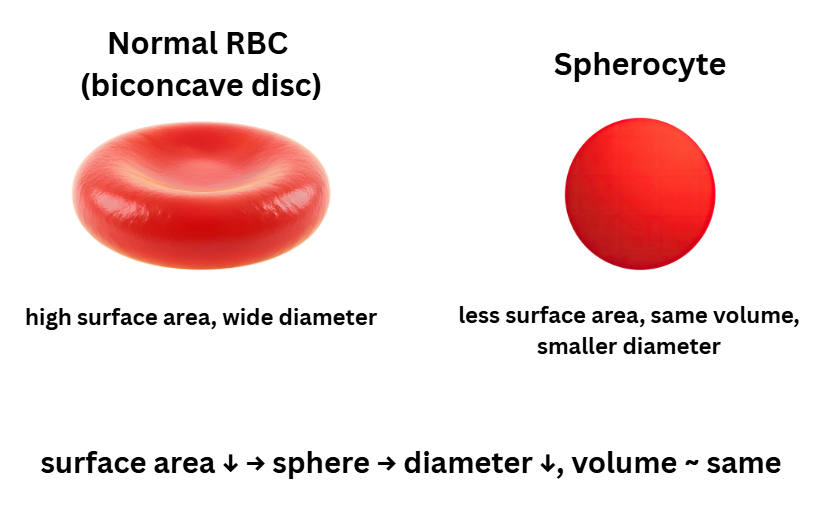
SPHEROCYTES: SMALL OR JUST ROUND?
I’ve often wondered this:
Spherocytes look small on a smear.
So why isn’t the MCV low?
They’ve lost surface area, not volume.
So they round up → smaller diameter, same volume.
Shape can fool you!