INTRO
Retatrutide is being developed primarily as an obesity/metabolic drug.
But several preclinical experiments have produced an unexpected—and potentially important—signal:
Less tumor establishment.
Slower tumor growth.
Changes in antitumor immunity.
Improved chemotherapy response.
The findings are striking.
They are also preclinical.
A thread on what we know—and what we absolutely do not know. 🧵
By leveraging EDOF technology to buffer diurnal #refractive shift in post-radial keratotomy #eyes: 👀
"Surgeons can turn a frustratingly unpredictable clinical dilemma into a reliable and rewarding result."
Dr. @Devgan shares 🔑 pearls on @GoHealio:
https://t.co/seAY3oUXbw
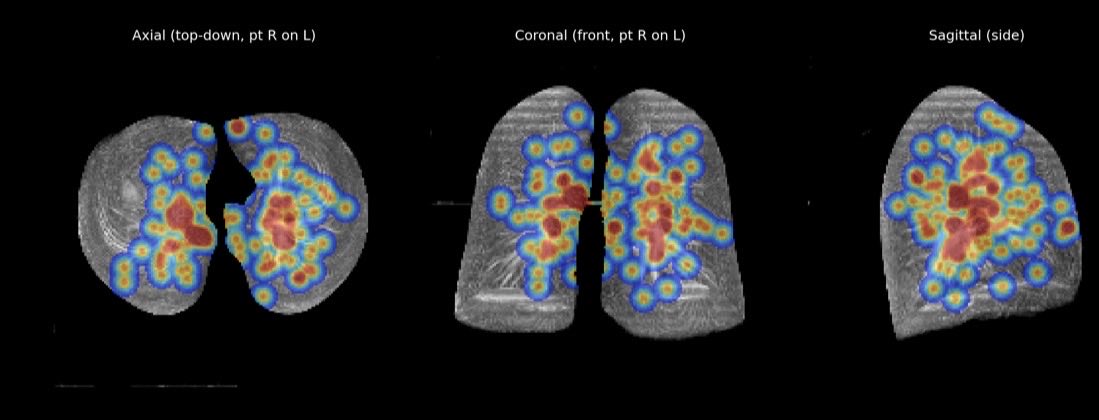
QUIZ: guess what treatment this picture represents.
HINT: it’s from a scientific presentation at #ASTRO26 led by a #radonc team at UCLA with the largest experience in the world delivering this treatment.
Type 2 diabetes is fundamentally a disease of insulin resistance.
So the goal is not just to lower the glucose number.
It is to reduce the metabolic stress driving the problem and improve insulin sensitivity.
Low-carb nutrition helps reduce the burden.
Muscle helps improve the machinery.
You need both.
I assume that the academy of the future has a whole area dedicated to the life sciences, biotech, and longevity. I really hope there is something around fertility and ReproTech.
Given population decline, it would be groundbreaking to have this in a syllabus!
what about a 90% chance at saving everyone from certain death of aging?
right now everyone has a 100% chance of dying from old age, not a made up 10% you cant even prove
Guys I love you but obesity is not down because of MAHA
It’s the GLP-1s
Your beef tallow fries don’t contribute
Food is downstream of broken brain appetite centers
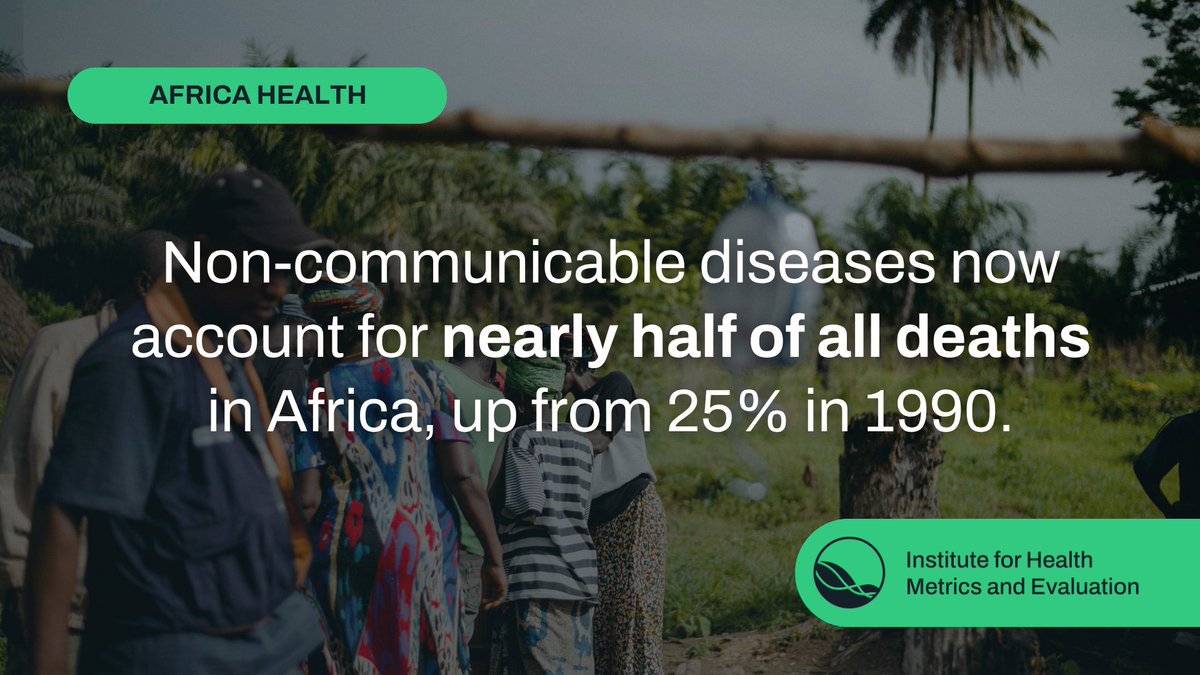
New research in @LancetGH—Non-communicable diseases (NCDs) accounted for an estimated 4.7M deaths across Africa in 2023, nearly 45% of all deaths on the continent. This is the most comprehensive assessment of NCD burden & risk factors from 1990 to 2023: https://t.co/1J0xz7fkJv
In the widely unread Paper Belt on Fire, I urged disciplines to state their top ten unsolved problems and for university departments to post them on the doors to their entrances
19September: What early clinical data suggests that @EliLillyandCo's brenipatide could extend the reach of GIP/GLP-1 drugs into psychiatric and substance abuse disorders? Read insights from $LLY's Robert Nicholson, PhD, in my latest for @GENbio: https://t.co/9tQpDJO6n9
AI will not scale - especially in healthcare - without ensuring the necessary ecosystem is in place. You may end up with several pilots, but they will not diffuse into the fabric of society.
In other words, if we don’t address and invest in building governance and regulatory capabilities, the amazing technologies that are coming into the market will not be available for those in most vulnerable conditions.
Inequities caused by AI is not a theoretical concept. It is already happening. Fix the governance to ensure equitable access to the benefits that AI can bring.
These were part of our discussions on the last day of the Global Initiative on AI for Heath in Hangzhou, China.
We at HealthAI - The Global Agency for Responsible AI in Health have been supporting the work of the initiative as co-chair of the regulatory considerations on AI for healthcare. At the event we summarized the important being done by members of our group - of whom I would highlight HealthAI’s Chief Scientist Peiling Yap for spearheading these efforts on our behalf.
More work ahead!
#GIAI4H #HealthAI
@healthai_agency@UNITE_MPNetwork@WHO@ITU@WIPO
WOW. we are rapidly heading towards an incredible AGI-level robotics era! 👀
Spirit AI's robots just achieved a 90% success rate for simple tasks in structured living-room environments.
Now, they're anticipating to reach the GPT-3.0 milestone by mid-2027,
where robot brains are being developed to understand natural-language instructions and execute sequences of physical actions.
Sources:
Li, Stensel et al. 2026, Medicine & Science in Sports & Exercise (movement reallocation and organ fat, UK Biobank, 9,213 adults):
https://t.co/kdN64DXDEG
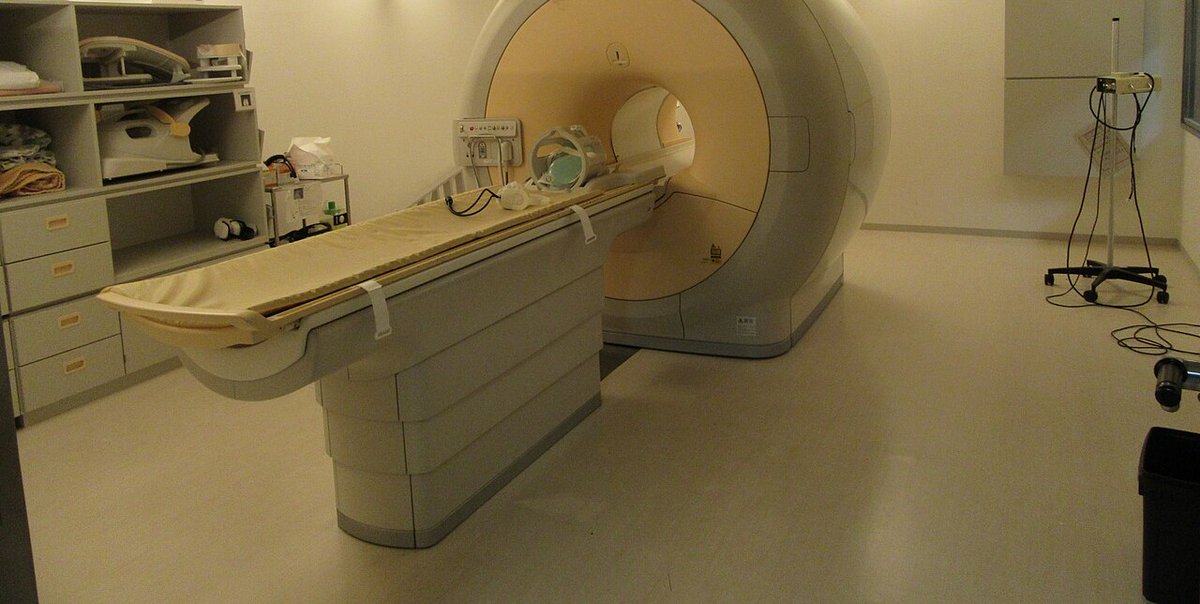
Some of your fat sits INSIDE your liver.
9,213 adults, average age 64, had their livers scanned.
Then a wrist monitor recorded how they moved for a week.
The scans looked at 3 places fat is not supposed to be.
The liver. The pancreas. The muscle at the front of the thigh.
Swapping 30 minutes of sitting for gentle movement lined up with lower fat in all 3.
Each number below is a slice of what is already there, not a fixed amount.
• Liver: about 2% lower
• Pancreas: about 2% lower
• Thigh muscle: about 0.5% lower
Swap that same 30 minutes for something that makes you breathe harder.
• Liver: about 10% lower
• Pancreas: about 8% lower
• Thigh muscle: about 4% lower
If your heart or your balance worries you, clear the harder end with your doctor.
The link was stronger in women than in men.
Hold this loosely.
It is 1 snapshot of 1 week. Nobody was told to move more.
It cannot tell you that changing your afternoon changes what the scanner sees.
What interests me is the low end.
The gentle end showed up there too. Puttering around counted.