Akbar Shafiee, MD, MSc,
Preventive & Community Medicine specialist,
Research associate & director of intl affairs at CVDRI
Practitioner at Tehran Heart Center
Native aortic valve thrombosis mimicking ACS in an 84yo. Firm mass excised during CABG; pathology confirmed organized thrombus. Key: Check aortic valve on imaging in high-risk elderly. #Cardiology https://t.co/mWf6e6GPPj
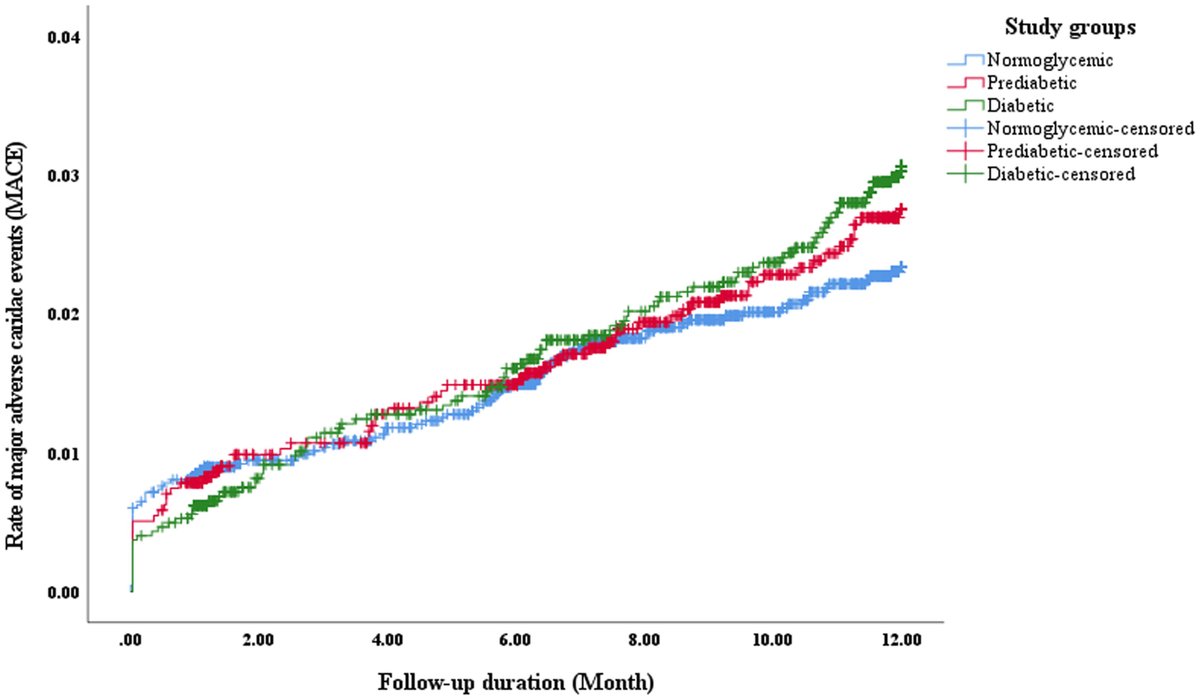
Our new article “Predictors of 12-Month #MACE Among Diabetic, Prediabetic, and Normoglycemic Patients Undergoing Elective PCI: 10 Years’ Experience From #TehranHeartCenter” is now published! https://t.co/mSeW95WYff #Cardiology#PCI#Diabetes
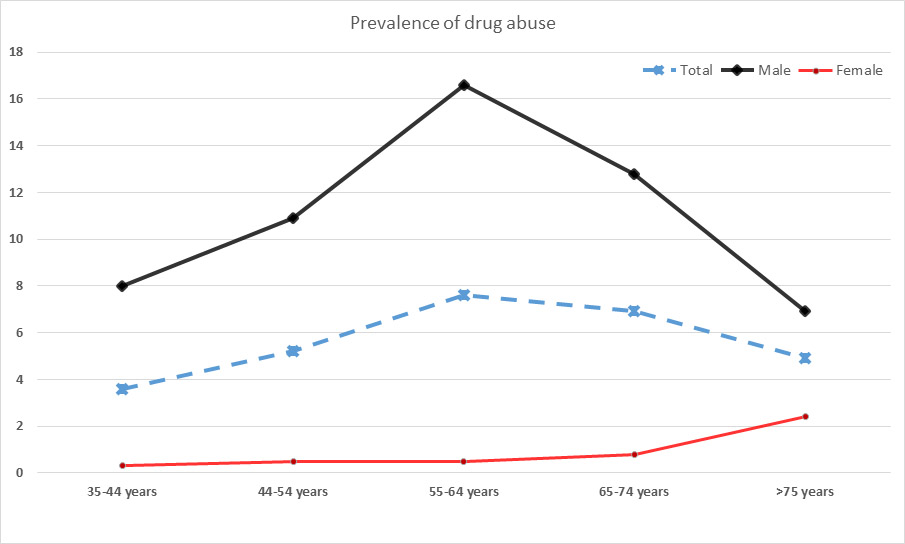
Substance use affects 5.6% of adults in Tehran, with opium as the most common.
Key risk factors: male gender, smoking, alcohol, & lower education.
Data from 8,259 adults in the Tehran Cohort Study.
🔗 https://t.co/9uG0BuXOq7
#PublicHealth#SubstanceUse#Opium#Iran
New study reveals nearly 10% of #Tehran's adults consumed #alcohol, with higher rates among men and younger individuals. Determinants include #education, #smoking, and physical activity. Findings challenge assumptions in a country where alcohol is banned.
https://t.co/ROqtPV89Kl
Our recently published systematic review & meta-analysis compared machine learning vs. logistic regression to predict PCI outcomes.
Despite the hype, ML showed no significant advantage, and methodological flaws are common.
https://t.co/UOTycxJtky
#Cardiology#AIinMedicine#PCI
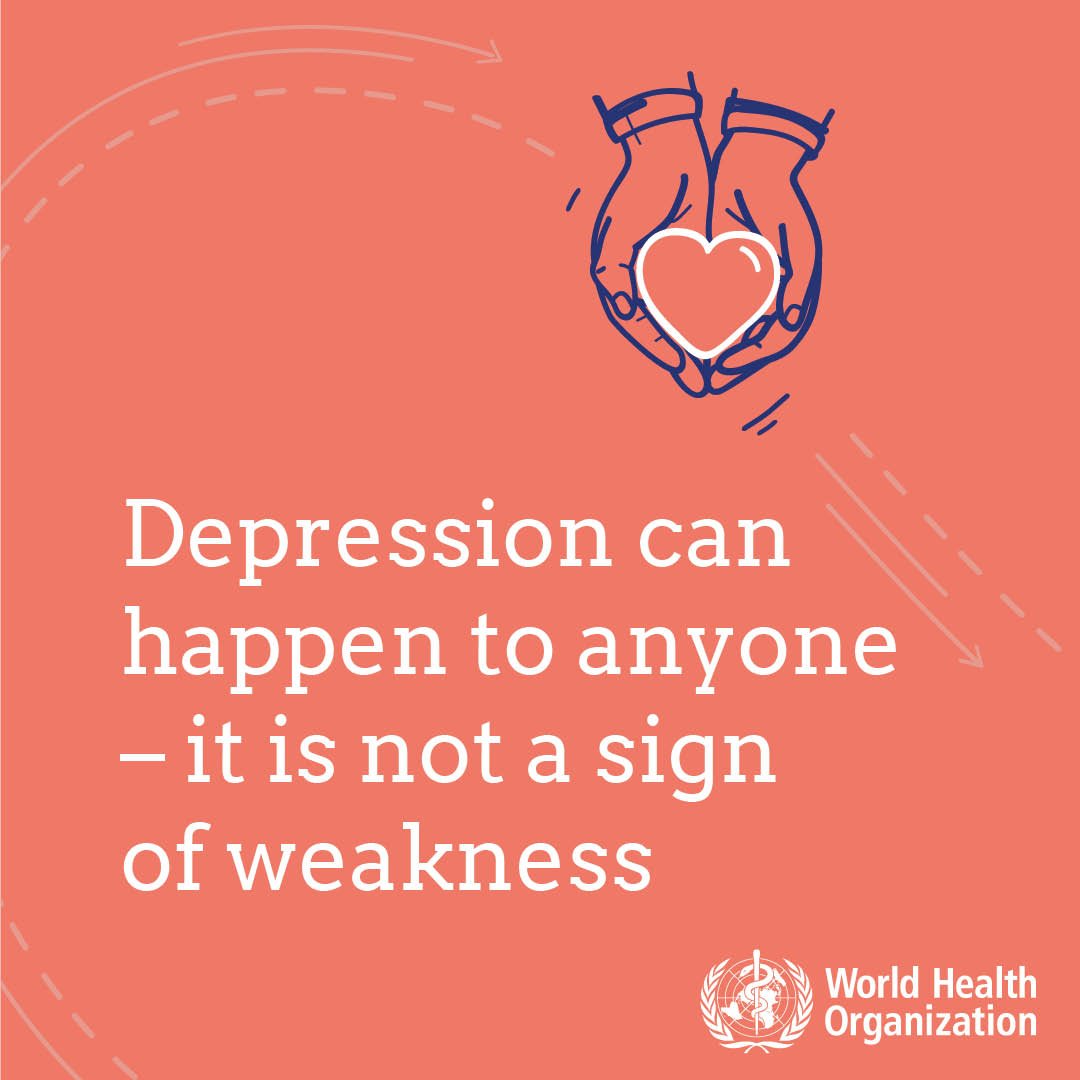
#Depression can happen to anyone.
If you have depression:
🧡 talk to someone you trust about how you feel
🧡 seek professional help
🧡 try to keep up with activities that you normally enjoy
#MentalHealthMatters
Glad to announce the publication of our first manuscript in 2025:
Association of #Cardiovascular Risk Factors With Major and Minor Electrocardiographic Abnormalities: A Report From the Cross‐Sectional Phase of #TehranCohortStudy https://t.co/g5YdrRy5bq
@mostafakhalaji درود، ببخشید اینجا پیام دادم چون نمیشد برات پیام خصوصی فرستاد، تیتر مطلبت برای دبیرستان البرز اشکال داره چون صدمین سال تاسیس ساختمان فعلی البرزه، صد سالگی البرز سال 1355 جشن گرفته شد و کتاب معروف سده نامه اون موقع چاپ شد که گویای این مطلبه.
Study shows 2.9% of Tehran Cohort adults have major ECG abnormalities, more common in men and those over 65. Minor abnormalities affect 25.9%, predominantly in men. ECG irregularities increase with age in both genders. #Cardiology#ECG#TehranCohort#QRS https://t.co/ikPTGrYrPU
Tobacco use remains a significant concern in Tehran, with a 19.8% prevalence,especially among younger individuals and men.Cigarette and waterpipe use are notably high, with waterpipe use showing a smaller gender gap.Preventive policies are urgently needed. https://t.co/behiEJDMwg
37.1% of Tehran residents have mental health disorders, with higher rates in women and those aged 25-34 and 75+. Depression and anxiety are most common. Effective public health strategies are crucial. #MentalHealth#MHD#Depression#TehranCohort#TeCS https://t.co/knATPS4fLm
14.2% of Iranians have diabetes and 24.8% have prediabetes. Despite 65% treatment coverage, only 28% achieve good glycemic control, below global targets. Improved management is crucial. #DiabetesCare#DM#STEPS#WHO#HbA1C#BloodPressure https://t.co/OM7DhgeiOH
Call for Papers – Clinical and Preclinical Evidence in Regenerative Cardiology. This collection will focus on review and original investigations (including meta-analyses) on human and/or animal subjects in the field to provide updated status.
https://t.co/DCocI4ai4u
Tessier clefts are facial abnormalities in neonates, often linked with cardiovascular anomalies like VSD and ASD. This review emphasizes the need for thorough cardiovascular evaluations before cosmetic surgeries. #PediatricSurgery#Cardiology#VSD#ASD https://t.co/WKxf4wUM0O
A meta-analysis published in the Journal of Health, Population and Nutrition suggests that garlic consumption could be effective in reducing the risk of dyslipidemia and preventing cardiovascular disorders, especially in older people.
https://t.co/EMatvWpfQW
Modest early life increases in systolic blood pressure, above a risk threshold of 111 mmHg, are associated with worse midlife cognitive performance. Earlier, lower treatment targets may be warranted. @SMahinrad@dmljmd
https://t.co/njcUBJyjOR