I’ve just launched my first experiment with the help of @BnbScience "NEURAL RAT"
https://t.co/u2LSb0C7M5
They’re helping me raise funds for the research. I’m still figuring out exactly how the whole crypto side works, but apparently they’re building a project around supporting experiments like this.
They reached out to me and asked me to be their first experiment.
Honestly, pretty cool to be the first one. Proud of this.
Now back to watching mice press buttons for hours.
0x8dd7f4F7cD72135a9eEd43C279b89Cffbb9A7777
I’ve basically spent way too many hours watching mice press buttons and looking at graphs.
But honestly, watching the learning curve change over thousands of trials is pretty cool.
There’s a lot more going on in there than I initially thought.
I’ve basically spent way too many hours watching mice press buttons and looking at graphs.
But honestly, watching the learning curve change over thousands of trials is pretty cool.
There’s a lot more going on in there than I initially thought.
We’re also testing things like memory, sound frequency and spatial orientation.
So it’s not really just “can the mouse learn this?”
It’s more like:
how does it behave when the rules keep changing?
I started this experiment thinking I’d just collect some data.
A few thousand trials later I’m sitting here staring at mouse behavior at 2am trying to figure out why one of them suddenly decided to become a genius.
One thing I find really interesting is what happens when you reverse the rules.
The mouse can spend days learning that one sound means “left”.
Then you flip it.
Suddenly “left” is wrong and it has to figure out the new rule.
Some of them adapt surprisingly fast.
The setup is actually pretty simple.
The mouse hears a sound, makes a choice, and gets a reward depending on the answer.
We repeat this thousands of times and keep track of everything.
Then we slowly make the task harder.
The interesting part is seeing how they adapt.
Been working on this experiment with mice for a while.
Basically, we’re teaching them to recognize different sounds and respond to them by choosing different sides.
Then we start changing the rules and see how quickly they adapt.
It’s pretty fun to watch.
A new approach to a vessel surgery procedure may offer better long-term viability and a lower chance of complications for patients receiving dialysis for #chronickidneydisease, shows work involving rats and 274 patients. @ScienceTM https://t.co/zVDDddqedM
Credit: Bai et al.
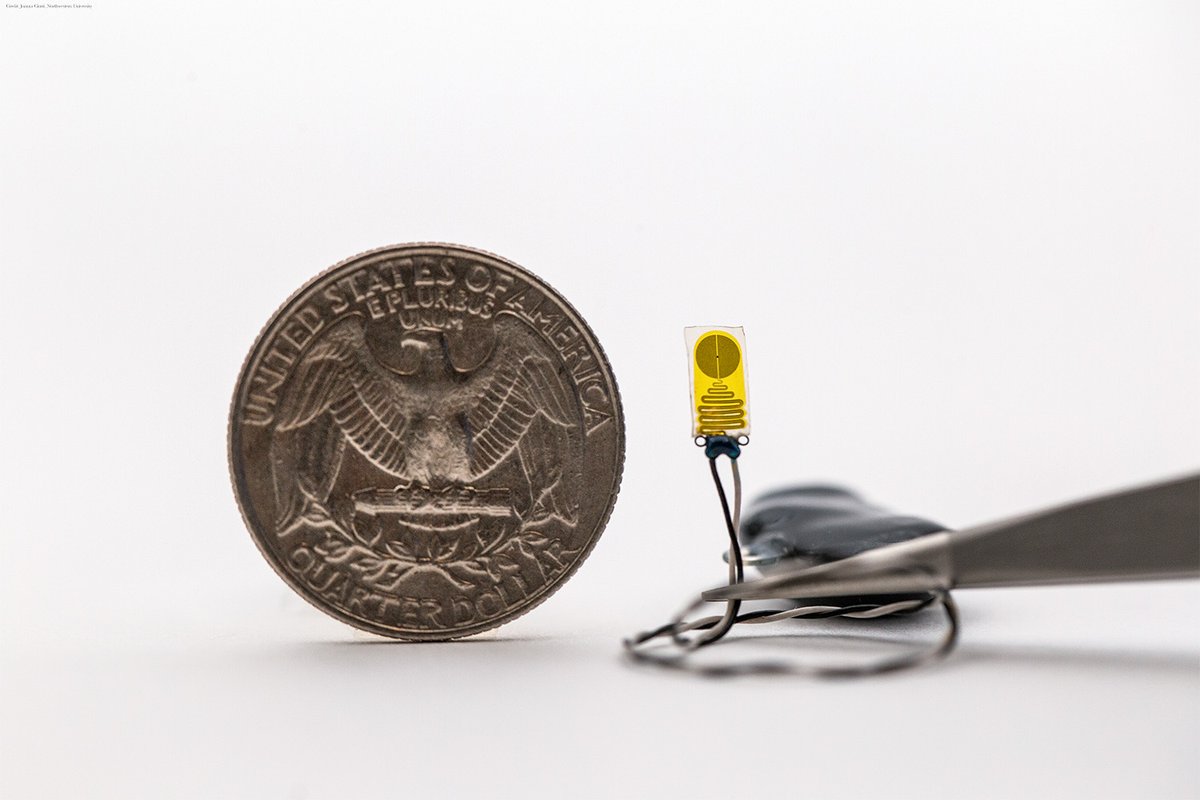
An implantable sensor provided advanced warning of kidney transplant failure in rats as much as several weeks earlier than commonly used biomarkers of kidney function, researchers report in Science.
Learn more: https://t.co/W4ksqyabXk
A #ScienceReview from earlier this year highlights the growing recognition of the complex cognitive capacities of #rats and its implications for how they are treated in scientific contexts. https://t.co/SKeRsj3khK
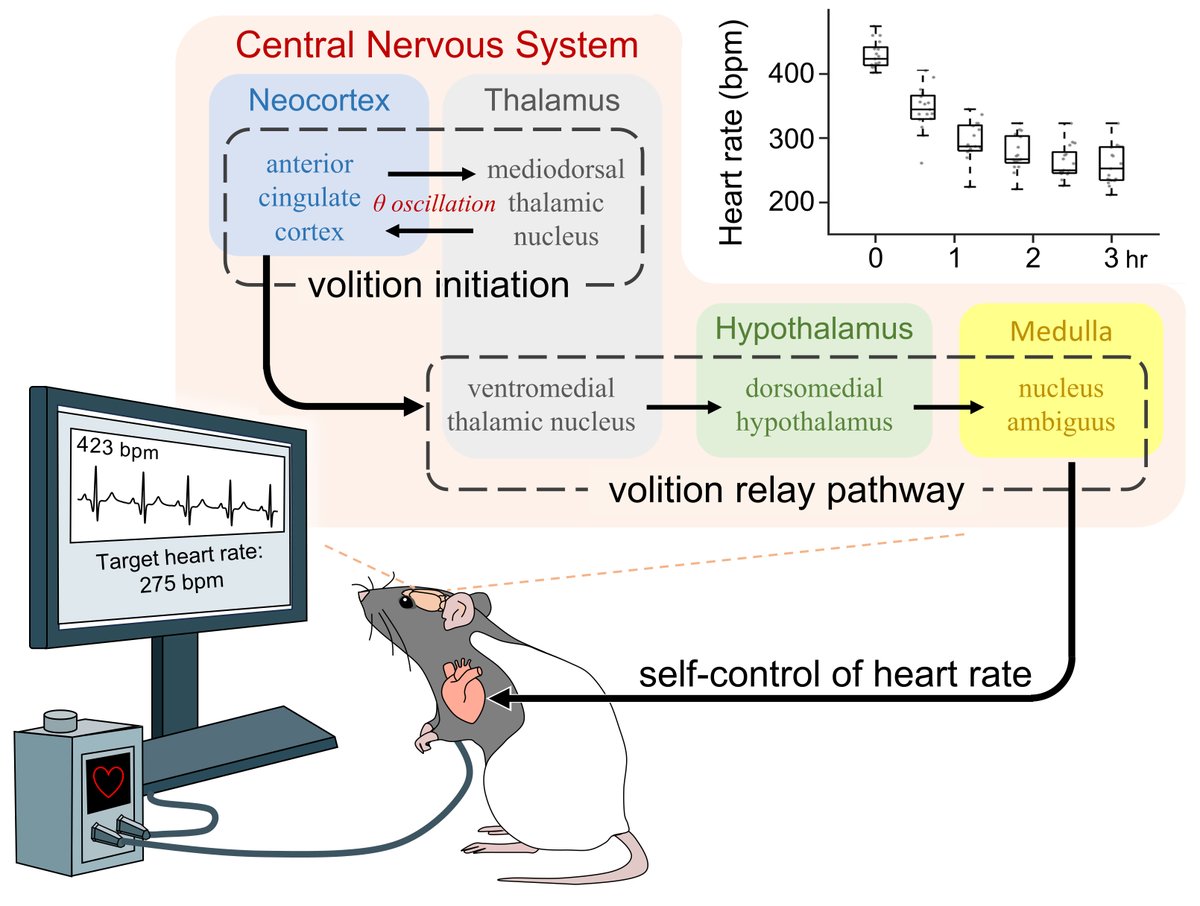
While heart rate is predominantly controlled by the autonomic nervous system, it can be intentionally altered through training.
A new Science study in rats that learned to reduce their heart rate provides insights into how this works. https://t.co/KnXafCFfxY
Researchers developed and tested in rats a neuromorphic electronic skin system that simultaneously emulates closed-loop sensory encoding and the mechanical softness of natural skin.
Learn more in this #SciencePerspective: https://t.co/vHiA0k0Qka #ScienceMagArchives
A new special issue of Science explores the complex and close associations #rats share with humans—from their ubiquity in the human environment to their crucial role as biomedical models. https://t.co/FIcpoXm4vg (THREAD 🧵)
Scientists have developed a “living electrode” that formed synapses with local neurons when implanted in rats’ brains, which could open the door to more advanced neural interfaces for a range of medical applications. https://t.co/qOp4Zq1EfC @ScienceAdvances#WeekendReads