Discovery of a 14-protein biomarker that predicts lung cancer 5.6 years before it is diagnosed, even in non-smokers, and an anti-inflammatory medicine that prevents its progression. And, challenging dogma, the proteins are not coming from cancerous cells!
A moment of pride! A co-first author in the best journal in medicine for a clinical trial that resulted in FDA approval in the USA and is changing how we treat acute myeloid leukemia #AMLsm. Congratulations to all the authors لحظة فخر! باحث أول مشارك في أفضل مجلة علمية في الطب لتجربة إكلينيكية أدت إلى موافقة إدارة الغذاء والدواء الأمريكية وتغير الطريقة التي نعالج بها اللوكيميا النخاعية الحادة.
A historic moment at #ASCO26: more than 9,000 oncologists rose for three standing ovations as Brian Wolpin, MD, MPH, Director of the Hale Family Center for Pancreatic Cancer Research, presented promising new Phase 3 results for an investigational treatment for metastatic pancreatic cancer.
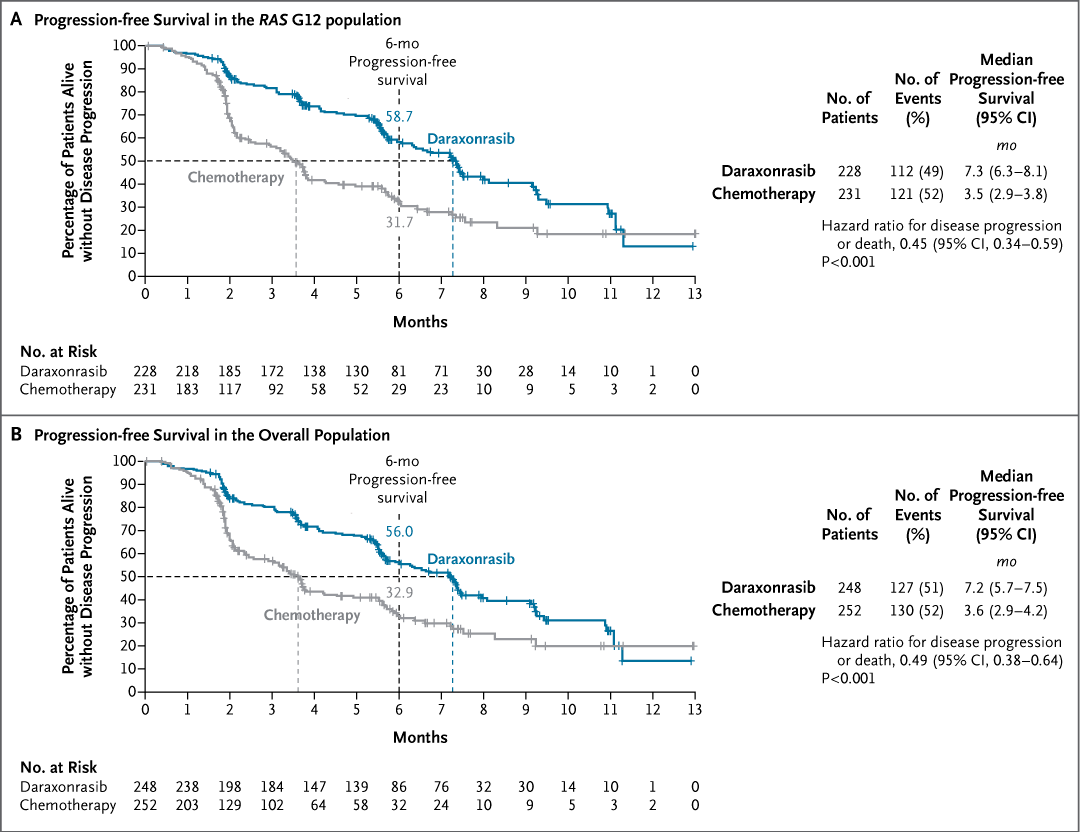
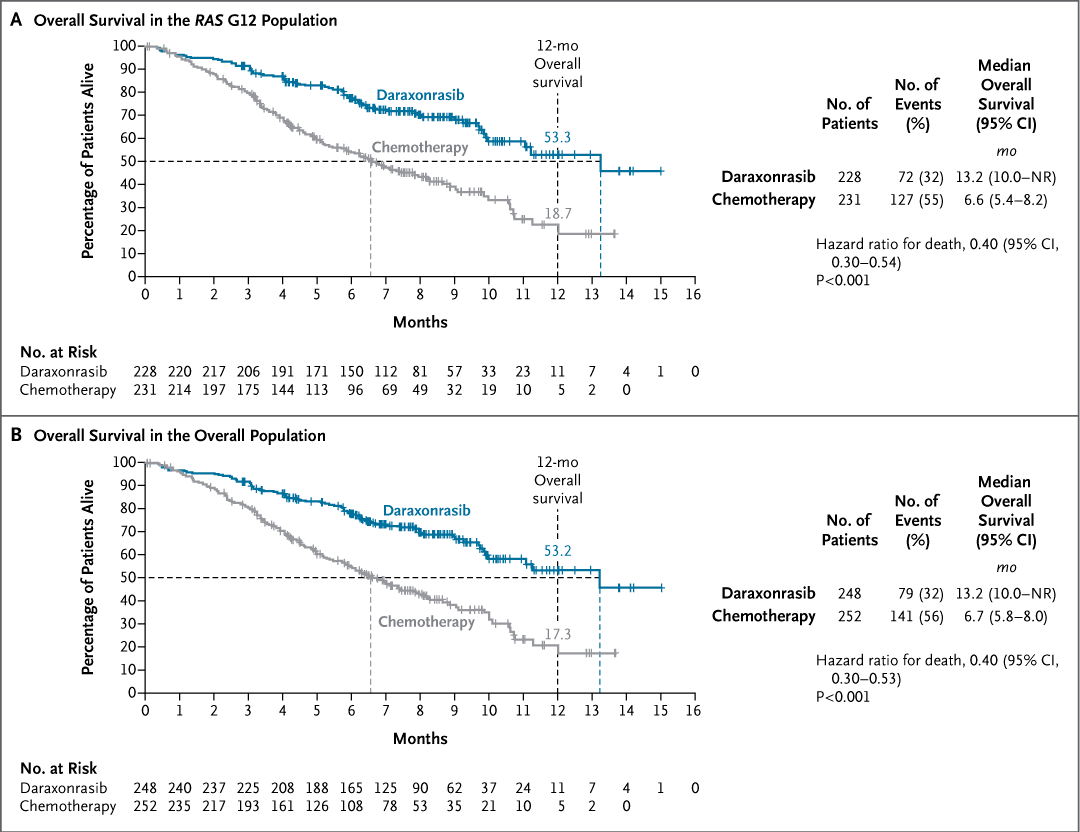
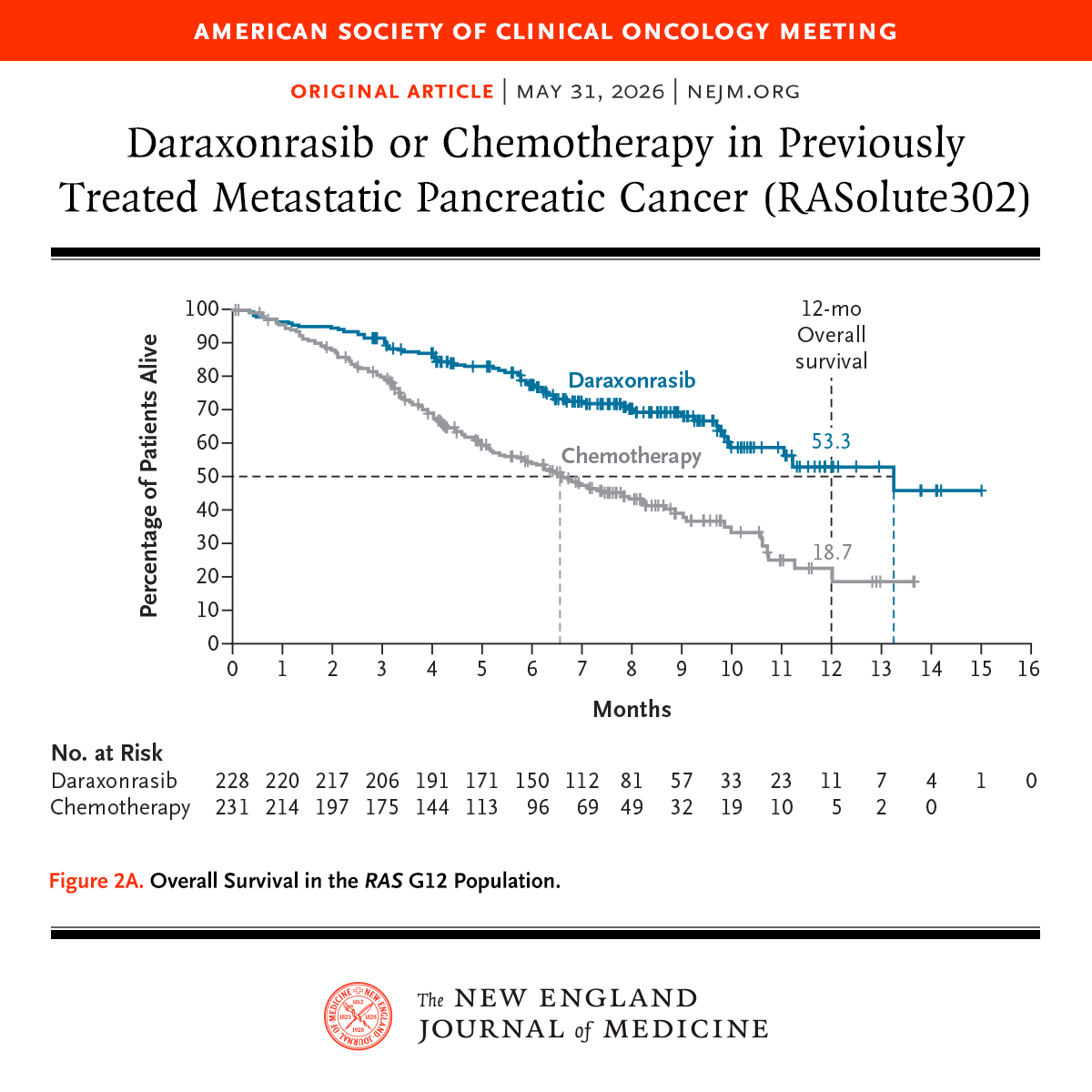
In the trial, daraxonrasib helped patients with previously treated metastatic pancreatic cancer live significantly longer than those who received chemotherapy.
While more work remains, these findings offer something powerful: hope for patients and families facing one of the most challenging cancers.
As Dr. Wolpin said, “It is exciting to see that we may soon be able to help patients with metastatic pancreatic cancer in ways we haven’t been able to before, improving both survival and quality of life.”
Congratulations to the researchers and patients who made this important progress possible. 👏👏👏
Video Courtesy: @asco
Presented at #ASCO26:
Among patients with previously treated metastatic pancreatic ductal adenocarcinoma, the RAS(ON) inhibitor daraxonrasib led to significantly longer overall survival and progression-free survival than chemotherapy. Full phase 3 RASolute 302 trial results: https://t.co/xwLWBZYRzq
@ASCO
Presented at #ASCO26:
In high-risk localized prostate cancer, ADT plus apalutamide led to a pathological complete response or minimal residual disease and 5-year metastasis-free survival in a greater percentage of patients than ADT plus placebo. Full phase 3 PROTEUS trial results: https://t.co/UxXUkYwd8Z
Editorial: A Watershed Moment in the Perioperative Treatment of Prostate Cancer https://t.co/XgeWL3lqy6
@ASCO
Original Article: Daraxonrasib or Chemotherapy in Previously Treated Metastatic Pancreatic Cancer (phase 3 RASolute 302 trial) https://t.co/y4G27hfORg
#ASCO26 | @ASCO
🚨 SER MÉDICO PUEDE ENVEJECERTE 6 VECES MÁS RÁPIDO
Durante la residencia:
• −143 pares de bases en telómeros en 1 año
• ≈6x más envejecimiento celular del normal
• Más horas trabajadas = más acortamiento
💡 No es solo burnout: es daño biológico
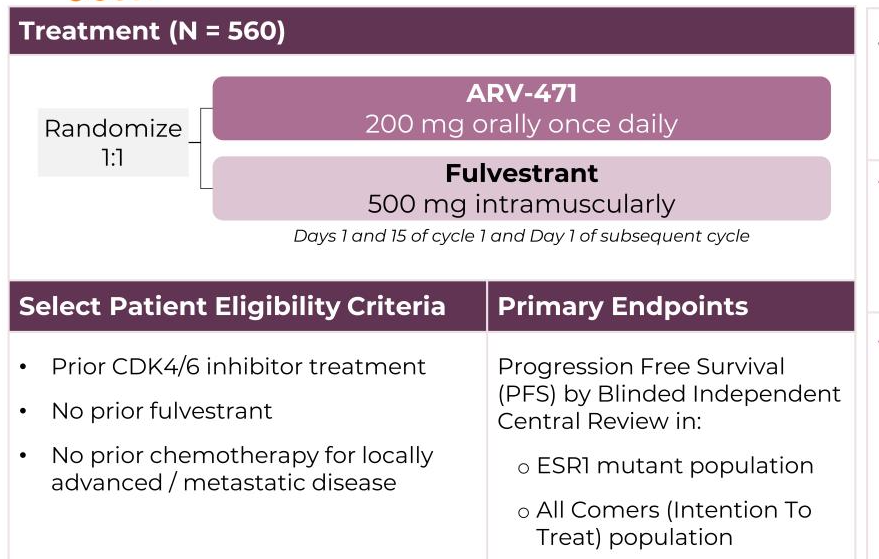
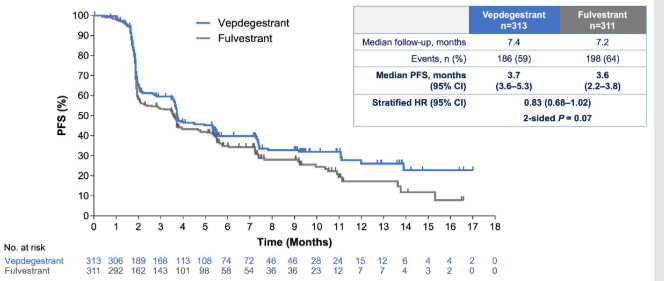
JUST IN: @FDA approves Vepdegestrant (heterobifunctional protein degrader) for ER+/HER2– Advanced Breast Cancer with an ESR1 Mutation. Trial led by @ErikaHamilton9 and presented @ASCO#ASCO25
Link: https://t.co/23AqFJ9hpL
We keep rediscovering the same truth—hormonal biology works. Estrogen returns in prostate cancer, this time via patches, with noninferior outcomes and potentially better tolerability. Not new—just better applied. Study in @NEJM by the #Stampede group/@MRCCTU
https://t.co/Pq17ahdPgu
BREAKING: Claude can now research like a Stanford PhD student.
Here are 9 insane Claude prompts that turn 40+ research papers into structured literature reviews, knowledge maps, and research gaps in minutes (Save this)
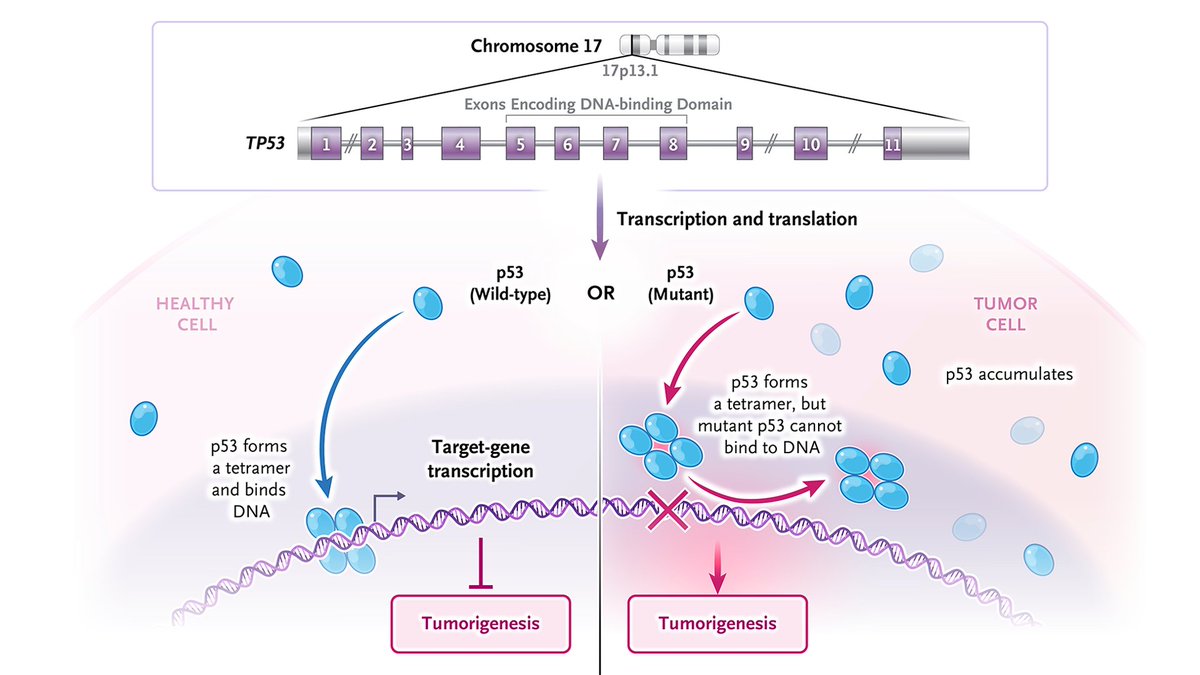
𝐓𝐏𝟓𝟑 is the gene that encodes the tumor-suppressor protein p53. It is commonly mutated in human cancers, and as with other tumor-suppressor genes, loss of function in both alleles (i.e., two "hits") is required for tumorigenesis. Wild-type p53 protein is short-lived and expressed at low levels. Mutant p53 often has an extended life span and accumulates in cancer cells. The p53 protein is a transcription factor that controls the expression of hundreds of target genes by binding and activating specific target genes that, once transcribed and translated, suppress tumorigenesis. Mutant p53 has limited or no tumor-suppressive function because it cannot bind and activate target genes.
To learn more about this NEJM Illustrated Glossary term, read the editorial “Restoring Function to a Variant of p53 in Solid Tumors” by Xin Lu, PhD, from @Ludwig_Cancer: https://t.co/5Ox6Kuax6Q
Explore more terms: https://t.co/kobNxmaQrY
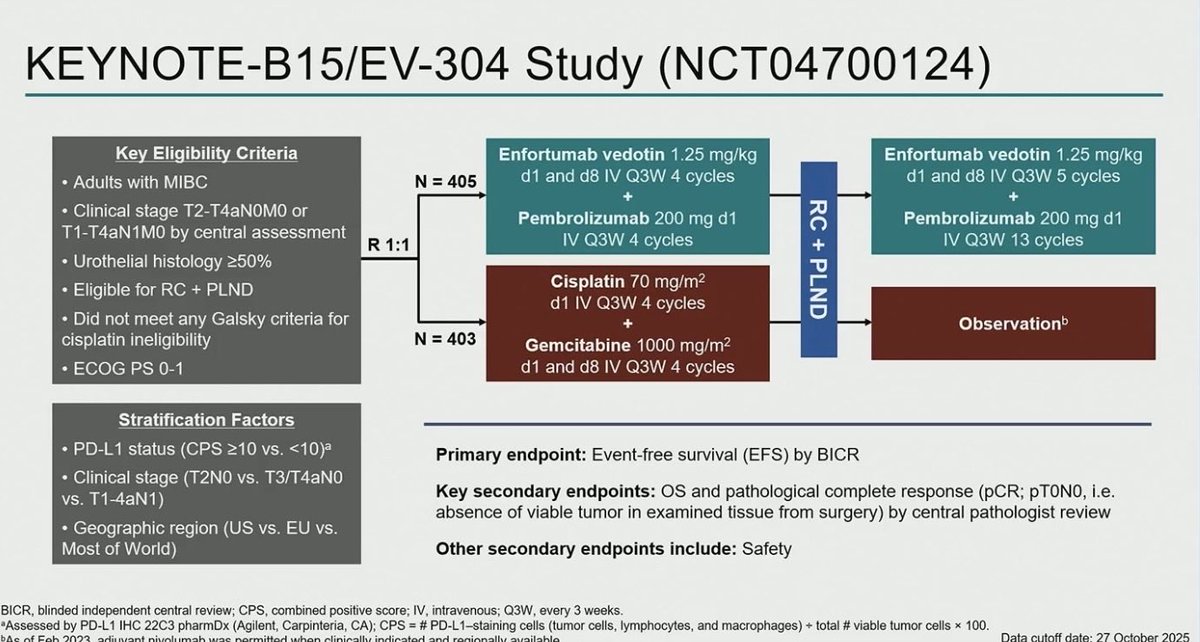
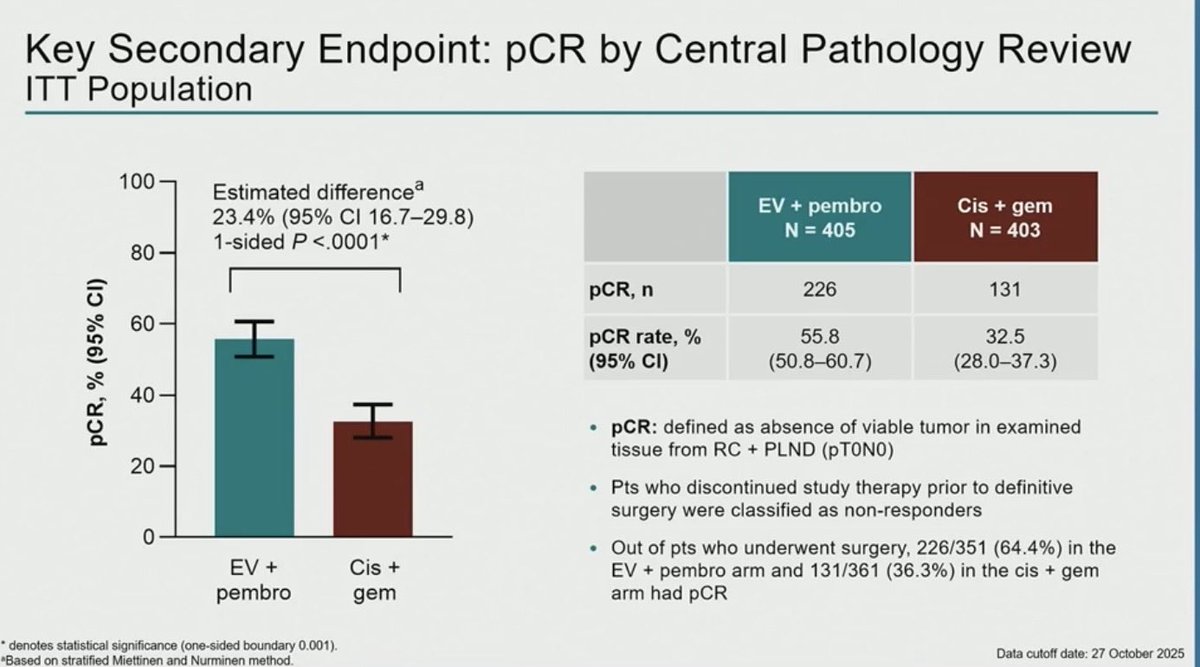
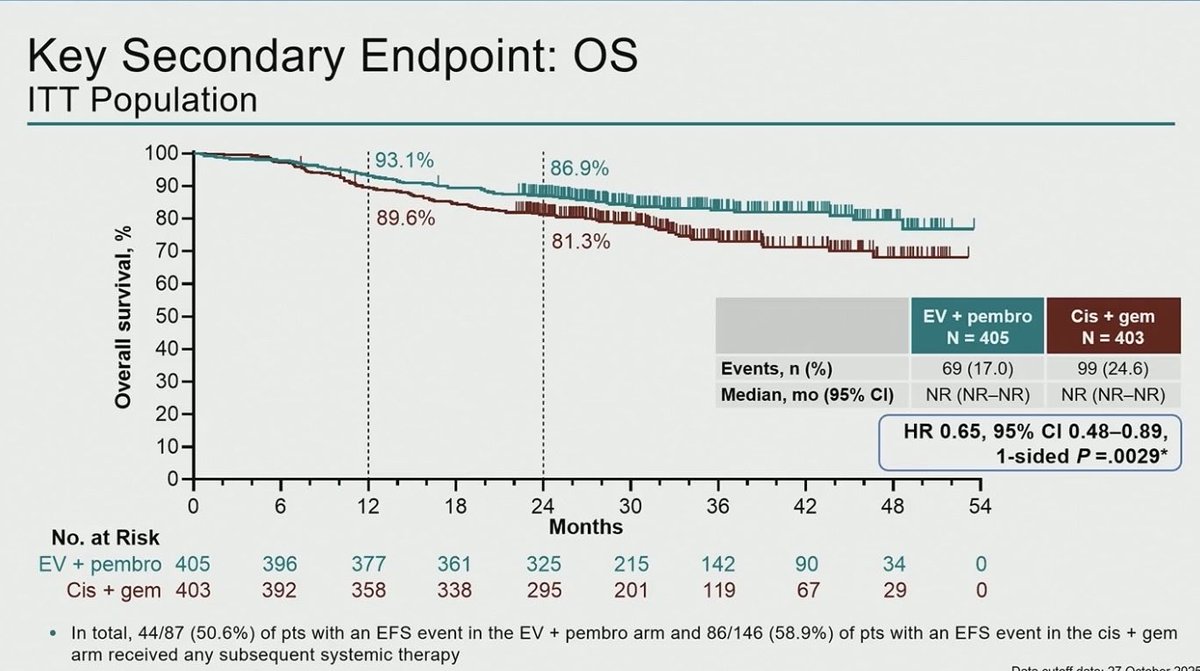
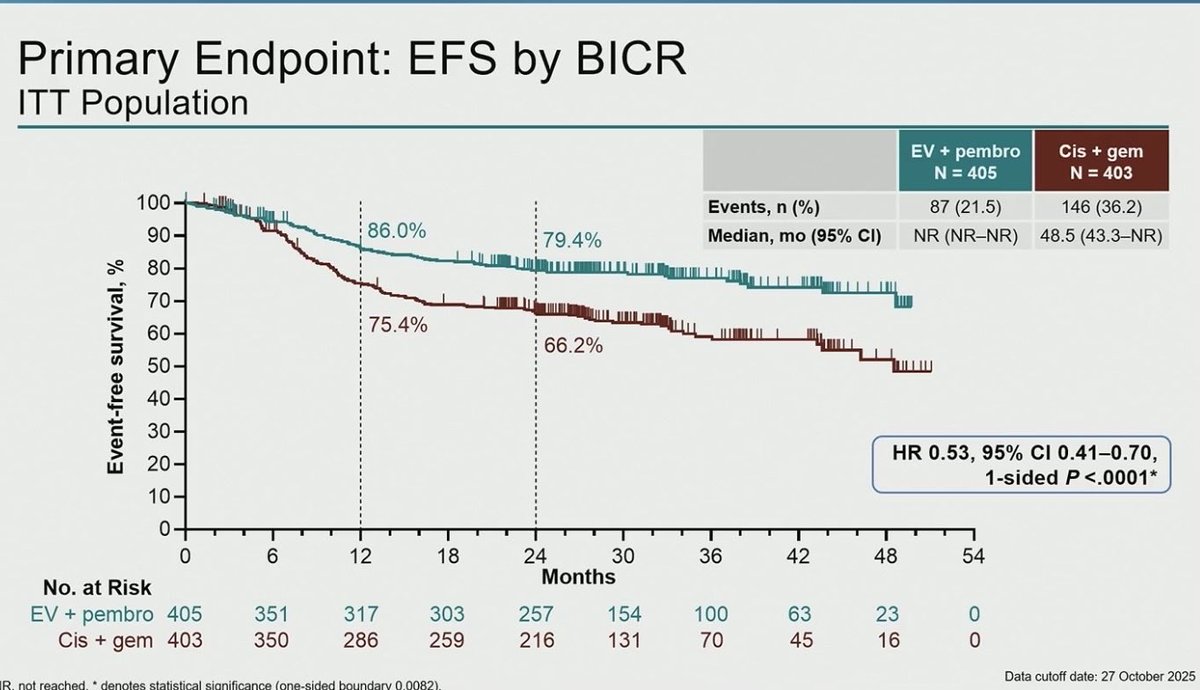
The standard of care for MIBC will now include perioperative EVP for both cisplatin eligible and ineligible #BladderCancer pts. The EV304 study presented today @MattGalsky shows an improvement in EFS (HR 0.53) and OS (HR 0.65) for EVP over GC. @ASCO#GU26
This changes the standard for cisplatin-ineligible bladder cancer.
KEYNOTE-905 / EV-303 in @NEJM
Perioperative enfortumab vedotin plus pembrolizumab improved outcomes:
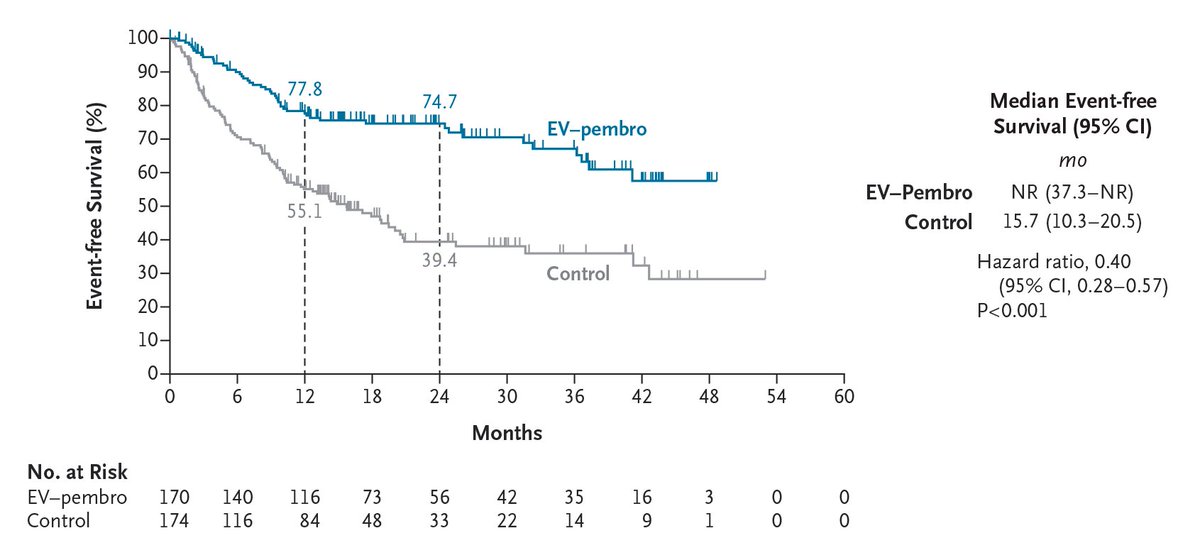
2 year EFS 74% vs 39% (HR 0.40)
2 year OS 79% vs 63% (HR 0.50)
pCR 57% vs 8.6%
Control was surgery alone, reflecting the limited perioperative options for patients unable to receive cisplatin.
https://t.co/B6Gu1BgfCX @OncoAlert
In cisplatin-ineligible patients with muscle-invasive bladder cancer, enfortumab vedotin–pembrolizumab plus surgery led to better event-free survival (74.7%, vs. 39.4%) and overall survival (79.7%, vs. 63.1%) than surgery alone at 2 years. Full phase 3 KEYNOTE-905/EV-303 trial results: https://t.co/6M3xhml0ou
Editorial: Enfortumab Vedotin plus Pembrolizumab as Perioperative Therapy https://t.co/3uNr9TUukQ
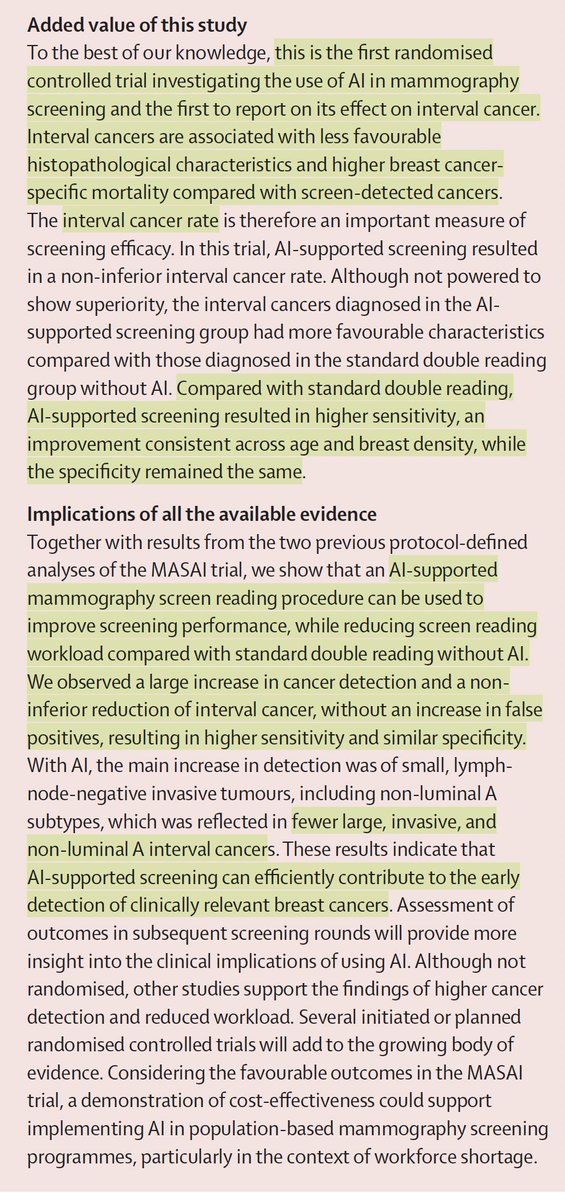
The largest randomized trial of medical A.I.
—Over 100,000 women in Sweden
—radiologist + AI vs 2 radiologists, in follow-up
—AI added led to 29% more cancer detected, 44% reduced workload, and
—Less cancer dx in subsequent 2 years, and, when found, less aggressive
https://t.co/e1hY3F0cGo
This is a massively important trial —you rarely see this. Important for the field and for the region. It's time to reflect on PD1 dosing… !
Bravo @VanitaNoronha et al!
@OncoAlert@JCO_ASCO@TataMemorial@ASCO