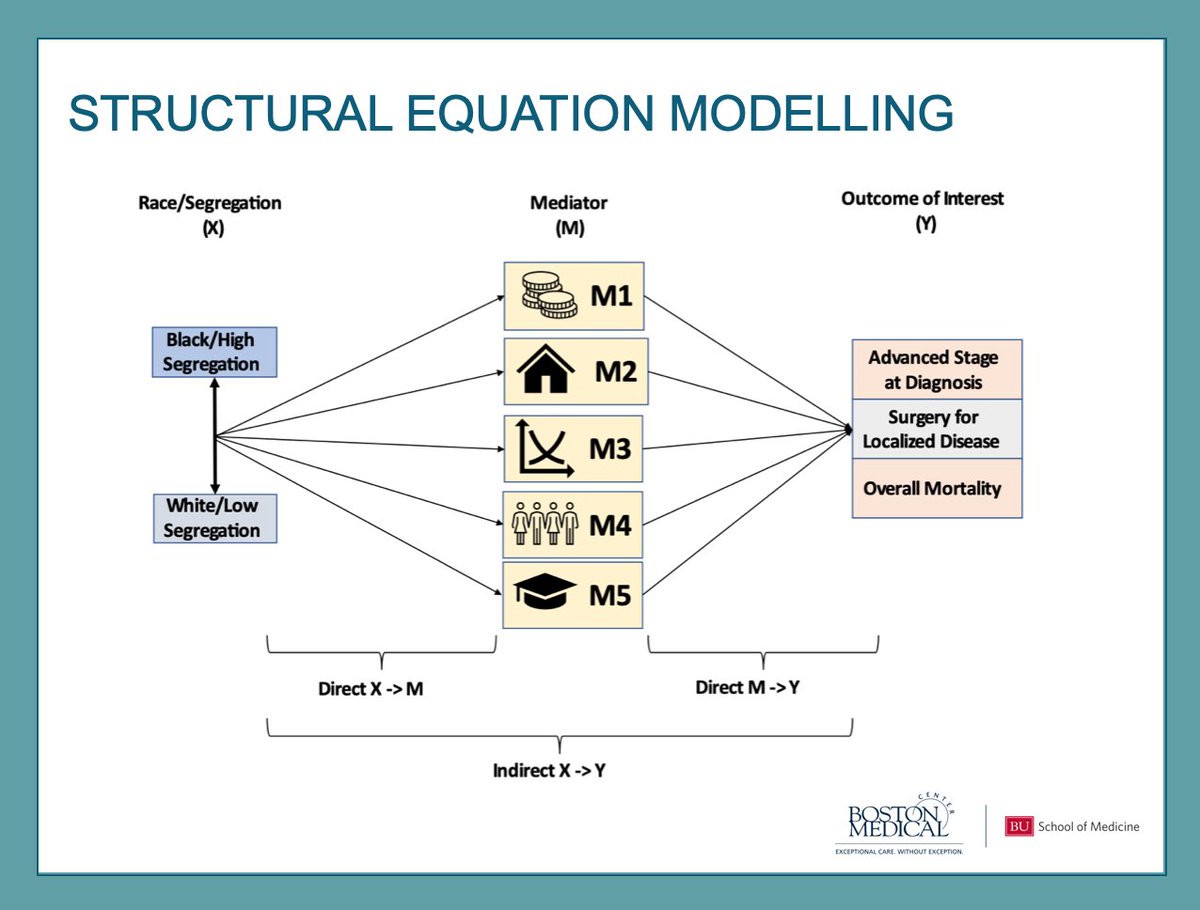
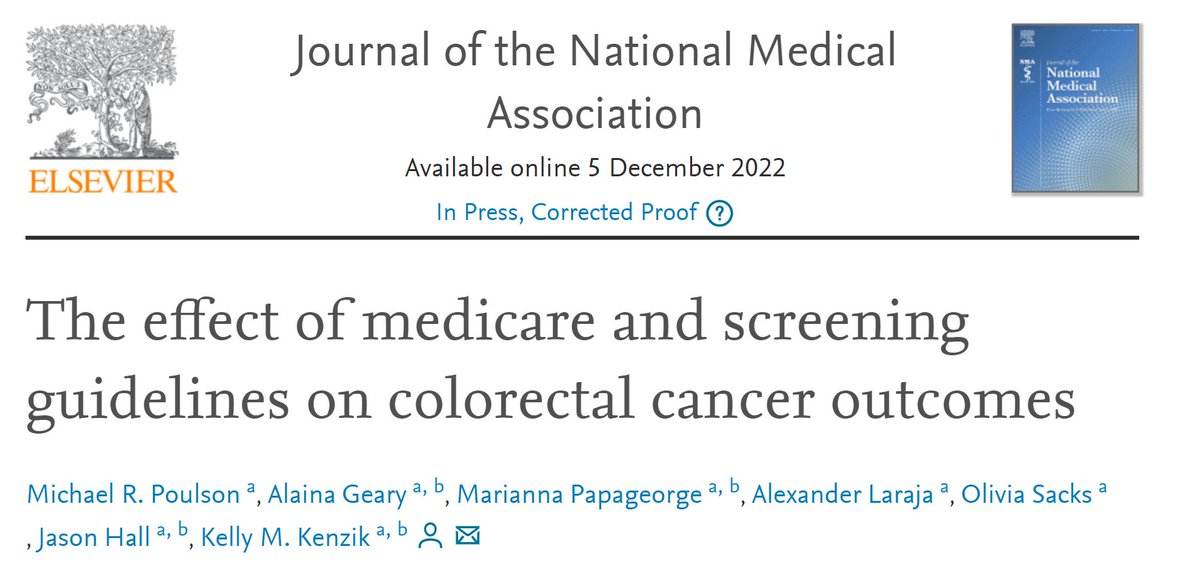
Quite excited to share this study showing impact of inequitable insurance access on colorectal cancer screening.
We used regression discontinuity to look at stage at diagnosis for patients around age 50 (screening guidelines) and age 65 (Medicare eligible) 1/
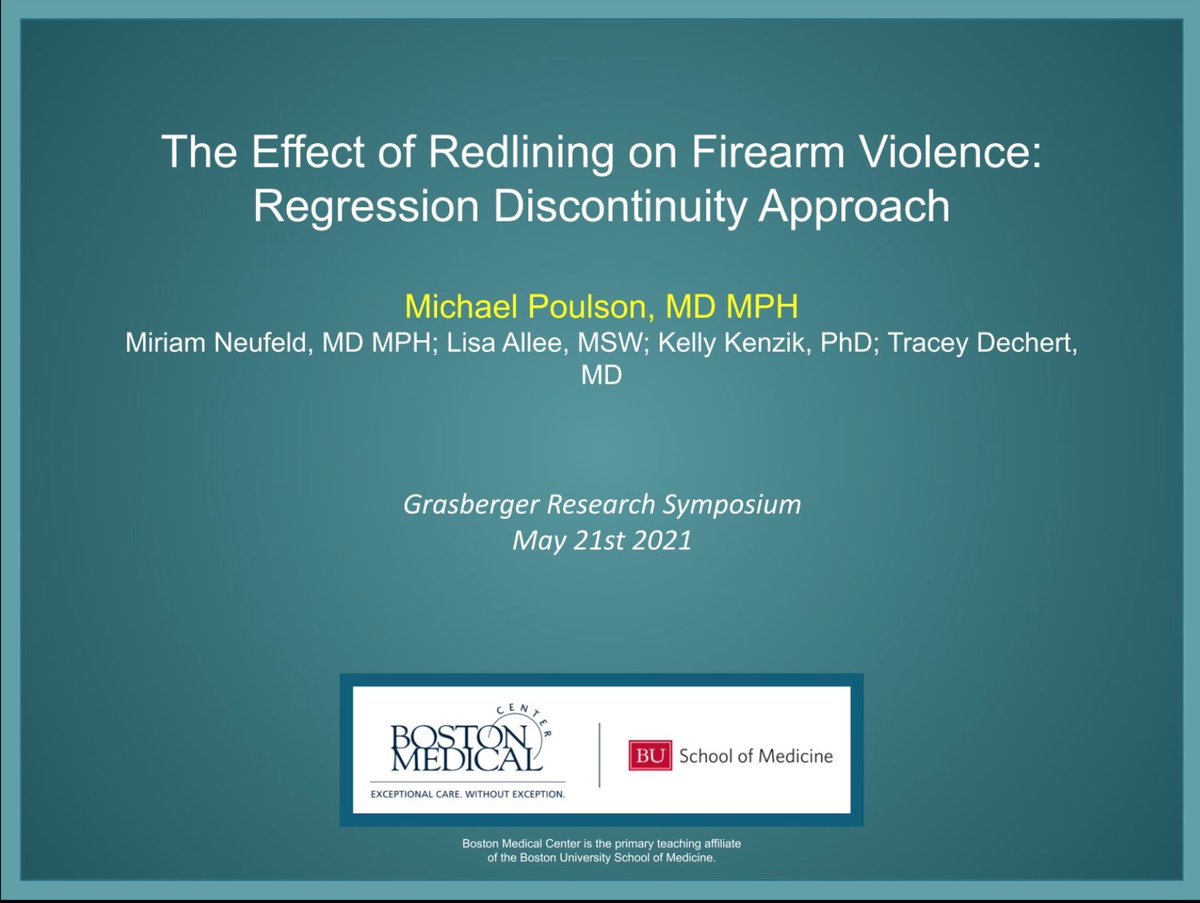
ICYMI: Last Friday, several SRS members had the opportunity give oral presentations at the Annual @BMCSurgery Grasberger Research Symposium. Shoutout to both Alex @alex_laraja and Dr. Mike Poulson @M_P_MD and the rest of our SRS colleagues for their important work! 🏥🏛
This is #RayshardBrooks, in his own words.
In this heartbreaking interview filmed just four months ago, Brooks speaks about the agony of being trapped in a prison reentry and probation system that won’t let him get back on his feet.
"The current crisis therefore offers an opportunity — owing to our shared vulnerability to the virus — for doctors to recognize more readily facts that can otherwise take years to learn..."
@DebiLaPlante@Div_Addiction While CARS is specifically useful for DUI populations the criteria for psychiatric disorders doesn't change across populations. So I imagine these results would generalize well. Also, the NSC-R data includes a US-representative sample of 9,282 adults.
@DebiLaPlante@Div_Addiction ...It looks like repeat offenders were more likely to screen positive during the past year for 11 of 16 assessed psychiatric disorders.
@DebiLaPlante@Div_Addiction We did! Analysis of # of DUI offenses and it's relation to response rate is coming. Relation of DUI offenses (first time vs repeat offenders) to # of PY screens was done here: https://t.co/7dMeFR74Cm
@JalbertSarah @Div_Addiction Thanks @JalbertSarah! Participants received a $20 gift card as compensation for the baseline phase of research and a $50 gift card after completion of the follow-up interview.
@AnaProgovac @NathanielMTran @mikeflo61@Div_Addiction Great ideas! Working on an analysis comparing emails vs texts vs. calls soon but I'm sure perceptions data would help further inform the barriers and help develop a more efficient follow-up method.
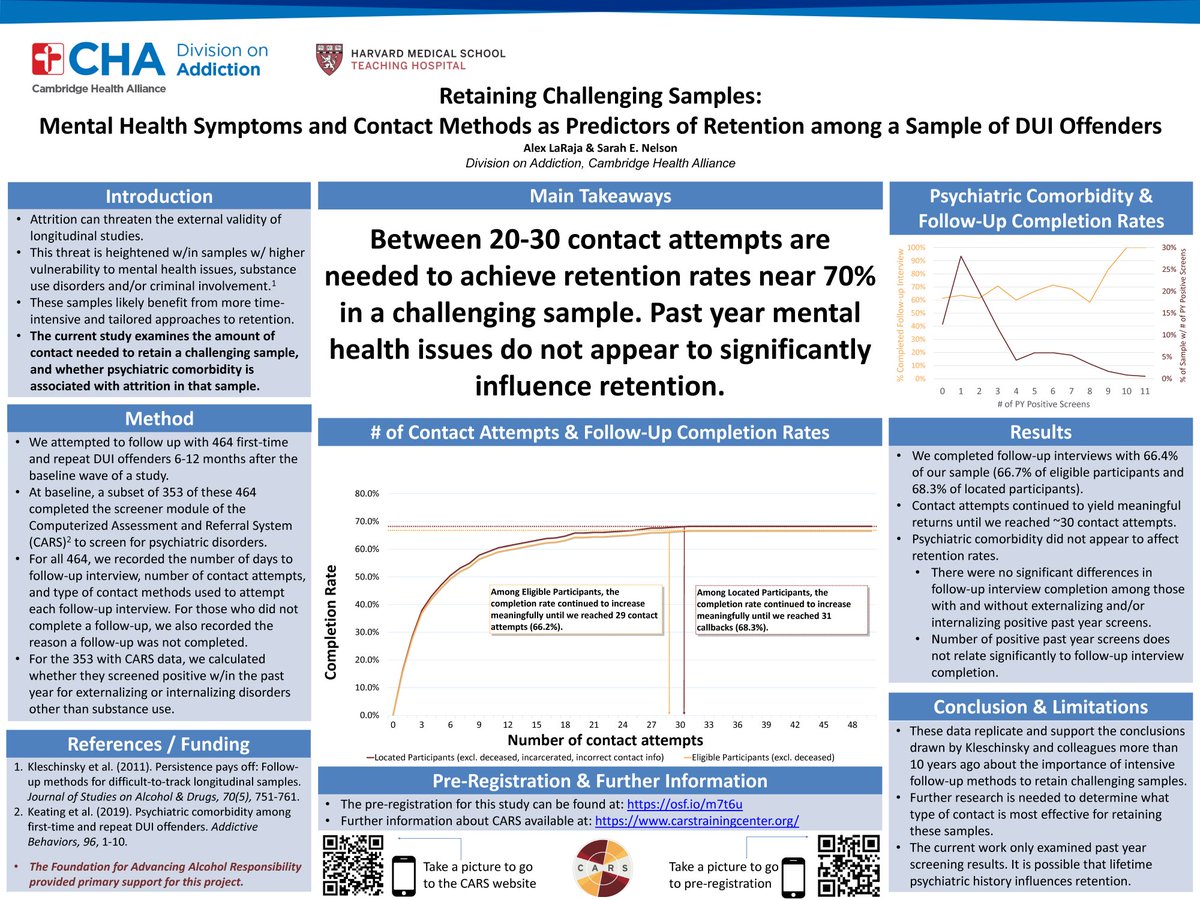
Retaining Challenging Samples: Mental Health Symptoms and Contact Methods as Predictors of Retention among a Sample of DUI Offenders. Presented by Alexander LaRaja. Comment below with questions for @alex_laraja! #CHAvirtualposter#AddictionPosters2020
@Howard_Shaffer@Div_Addiction ...This suggests that we should just screen for depression more generally and we'd be both very specific and very sensitive.
@Howard_Shaffer@Div_Addiction 380 of the 386 who qualify for dysthymia in NCS-R screen positive for dysthymia OR major depression in our screener
So what's happening is that all of the positive screens for major depression that don't qualify for major depression are qualifying for at least dysthymia. This...
@Div_Addiction Yes, we just released a version of CARS for DSM-5. Anyone can learn more about the benefits of CARS in a webinar tomorrow, May 8th at 1pm EST. Register now!
@goFAAR
https://t.co/MN7kJJGQGl
@Howard_Shaffer@Div_Addiction CARS has different gating than CIDI (which cars was adapted from) so there are many people not screening for dysthymia due to not having experienced continuous years of symptoms. NCS-R goes more in depth. Results argue for changing the wording on the screener dysthymia question