Today we are thrilled to announce Clinical System One (CS1), a fast and efficient general-purpose decision model for medicine.
Read our preprint 📄: https://t.co/hceIIqwbhH
Watch the video 🎬👇
Blog: https://t.co/2TapCNTe16
Healthcare has a scale problem. Every health system holds decades of notes, reports, and timelines. They contain answers to questions we rarely get to ask of more than a few patients at a time. Which patients could join this trial? Who missed a follow-up? What happened to everyone who took this drug? Reading all of it, for every question, has always been too slow and too expensive. That was true even with LLMs.
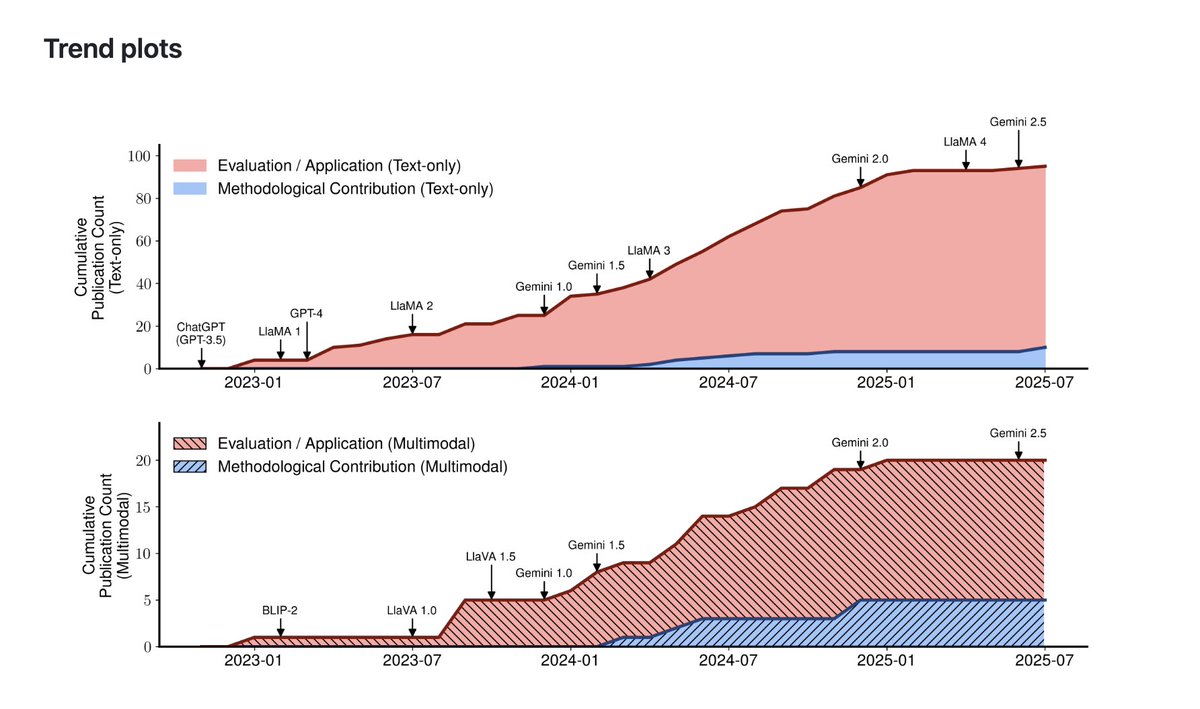
Thats why our team built Clinical System One (CS1). Its a small, fast decision model tailored for clinical records. Trained on 12.4 million questions and 3.6 million patients, CS1-4B beats open decision models on reading real-world patient records across diverse healthcare systems, and it runs on a single desktop GPU. We show the power of composing CS1 with traditional System 2 LLMs into agentic systems that read dense patient timelines and assess trial eligibility from a pool of a thousand candidates. Imagine trials that find every eligible patient automatically, registries that fill themselves, and care gaps surfaced across a whole population. Thats the future were building toward.
EL GANADOR DEL HACKATHON OFICIAL DE ANTHROPIC HA PUBLICADO SU SETUP DE CLAUDE CODE Y ES ORO PURO
68 subagentes, 286 skills, 94 comandos, licencia MIT.
ECC convierte Claude Code en un equipo de ingeniería completo.
El plan va antes que el código.
El test que falla va antes que el arreglo.
Cada cambio lo revisa un contexto que no ha visto cómo se escribió.
→ Planificación: le das una frase y apruebas el plan antes de que exista una sola línea → Revisión: un revisor distinto por lenguaje que lee tu diff desde cero → Arreglo de builds: un corrector por toolchain, incluidos PyTorch y CUDA → Seguridad: barrido OWASP completo y escaneo de inyecciones en la config del agente → Arquitectura: detecta errores de diseño cuando aún son baratos, antes de la migración → Dominio: bases de datos, pipelines de ML, tests E2E y documentación
La parte de seguridad es la que casi nadie configura.
Una auditoría OWASP externa cuesta cuatro cifras y una semana. Esta la tienes lista antes de comer.
Las skills cubren testing, Python, Go, Rust, Django, Next.js, Docker y CI/CD.
Eso sí, no actives las 286 de golpe o acabarás con una config peor que la que tenías.
Así se integra bien:
→ Haz un fork y léete el README antes de copiar nada → Empieza solo con el agente de planificación y el pack de reglas de tu lenguaje principal → Copia a tu carpeta .claude únicamente los agentes y skills que vayas a usar esta semana → Añade después el revisor de código y el de seguridad, que son los que más rinden → Pruébalo primero en un repo pequeño, no en producción → Si algo sobra, recórtalo. Si echas algo en falta, añade una sola pieza más
La regla es simple: si no sabes para qué sirve un agente, todavía no lo necesitas.
Quien lo integre bien este fin de semana se pasará el próximo trimestre revisando trabajo en vez de escribiéndolo.
Guárdate este post, me lo agradecerás ���
ESTO ES JODIDAMENTE ORO
475 DEMOS DE VÍDEO CREADAS CON CLAUDE OPUS 5.5 EN UN SOLO REPOSITORIO DE GITHUB
Motion graphics, explicaciones, escenas 3D e incluso juegos, todo creado con HTML, Canvas, SVG y Three.js.
¿La parte más increíble? Cada demo incluye su prompt original y la publicación fuente, así que puedes elegir cualquiera e intentar recrearla tú mismo.
475 ejemplos para aprender y experimentar.
Repo en los comentarios 👇🏻
We'll be spending a lot more time trying to understand the outputs of language models. A few thoughts, tips & tricks:
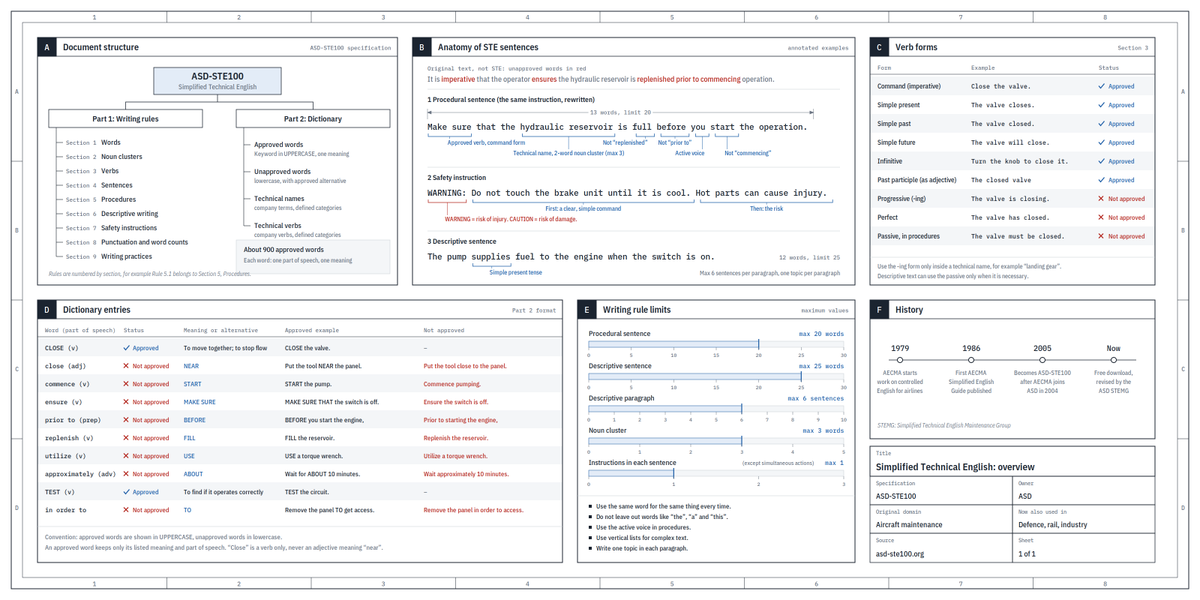
Writing. Something I've had success with: Ask your LLM to explain something in ASD-STE100, it's a controlled language specification originally developed for aerospace maintenance documentation. LLMs well-versed in this language and it comes with heavy constraints on clean writing style that I often find a lot more readable. Sometimes I've tried to soften it a bit e.g. ask for "80% of the way to ASD-STE100" because the spec is quite stringent. But even better:
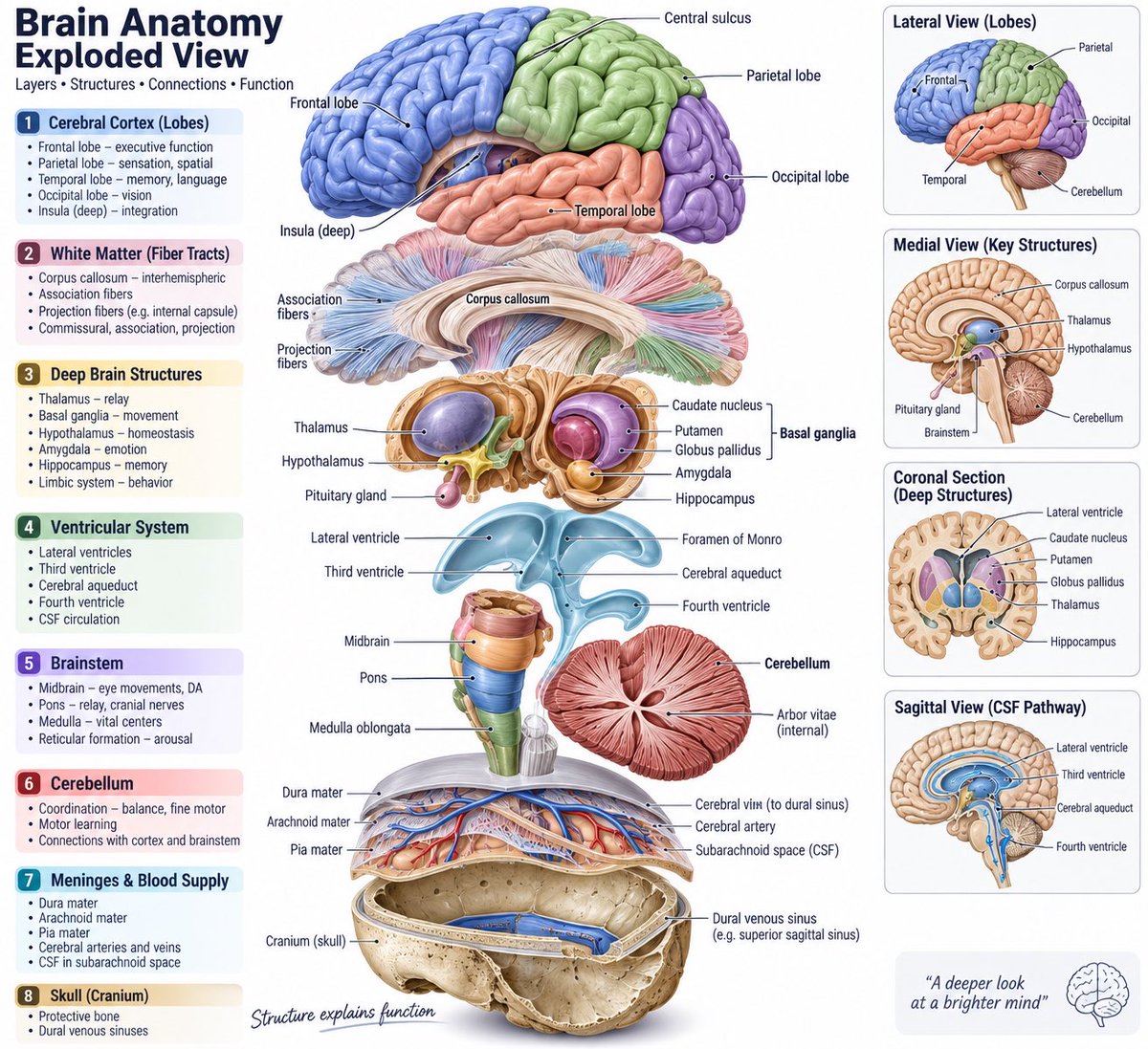
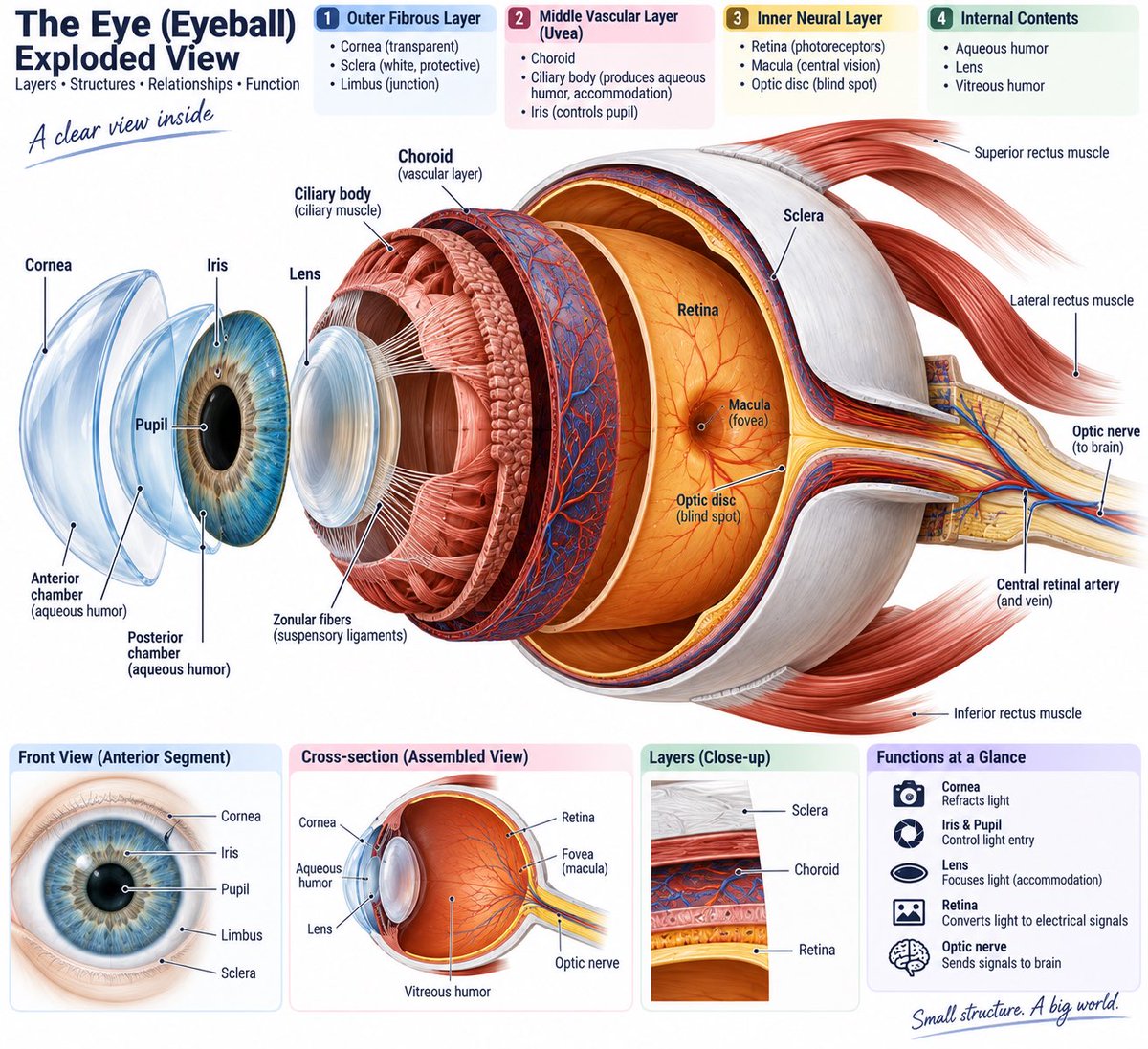
Diagrams / images. Instead of writing, ask your LLM to create a diagram. These can be a lot easier to process, parse, and understand. But even better:
Web pages. Ask for output "in HTML" to get a beautiful, interactive webpage. LLMs are getting really good at frontend and can create beautiful experiences, animations, etc. But even better:
Explainer videos. The output format I am most bullish on is fully custom / bespoke explainer videos generated on any arbitrary topic. Experiment with things like "Create a 3b1b style video explainer on X. Use my ElevenLabs API key for audio narration". (you'd need an API key for the latter or you can ask your LLM to find you decent free alternatives that use your local compute). This is actually starting to work!
In summary:
- As LLMs get better, they will do more and more of the legwork autonomously, and a lot more of our work will rise up the abstractions into oversight and understanding.
- Luckily, LLMs can help here too because as intelligence and code are increasingly abundant, you can ask for large, custom, discardable software artifacts (e.g. web apps, video explainers) that would have never made sense to create before. Push the boundaries here and you'll be surprised.
TU AGENTE DE IA YA PUEDE EXTRAER DATOS DE CASI CUALQUIER WEB
X, YouTube, Reddit, foros random, webs sin API… básicamente lo que necesites para research, análisis o monitoring.
acaban de subir a GitHub 3 herramientas open source que le dan a tu agente ese superpoder.
1. Agent-Reach
junta X, YouTube, Reddit, GitHub y más en un solo sitio.
https://t.co/yawDnTZk2g
2. Patchright Enhanced
usa Playwright para escuchar peticiones de webs sin API y sacar los datos con un script.
https://t.co/M5tHnH2aWr
3. Scrapling
scraper de propósito general para cualquier página web.
https://t.co/mQR069yL39
le dices qué datos necesitas → escribe el código → los recolecta → te da el resultado.
ejemplos reales:
"recoge los posts de 100 cuentas de X del último mes y dime qué temas están funcionando"
"saca reviews de este producto en Reddit y YouTube y resúmeme las quejas principales"
básicamente le das a tu agente la capacidad de sacar datos de casi cualquier lugar de internet.
eso abre un nivel de automatización que hasta hace nada era impensable.
Mis modelos de IA favoritos a día de hoy:
Código → Opus 5.5 + Grok 4.7
Escritura → GPT-6 Sol
Imagen → GPT Image 2.5
Música → Eleven Music 2.5
Vídeo → MiniMax H3
OCR → GLM-OCR
Voz → Cartesia Sonic 3.6
Transcripción → Whisper + Parakeet
Scraping → Firecrawl
IA Local → Qwen 3.8 27B
jev + opus 5.5... i simply can't comprehend why everyone isn't building this yet.
in my workflow, this cut costs and time by ~80%. i think it's one of the best ways to use it.
→ pick relevant project notes before loading the context
→ route suitable tasks to a faster worker
→ choose a recovery path when a tool fails
→ run focused checks before the full test suite
opus handles the hard reasoning. jev picks from options the harness prepares and validates.
i explain how to build the decision layer in the article below:
UN INGENIERO DE ANTHROPIC ACABA DE SOLTAR EL MEJOR TRUCO PARA OPUS 5.5
Abre Claude Code y escribe:
/claude-api prompt-audit
→ Audita tus skills, CLAUDE.md y prompts
→ Borra todo lo que frena al modelo
→ Lo reescribe con la guía oficial de Opus 5.5
Tus prompts están escritos para modelos viejos.
Esto lo arregla en 5 minutos.
Guárdalo.
Por: @RLanceMartin
Jev can’t do any of these:
1. Image inputs
2. String, integer, and number types
3. Dependency execution in a single call
TypeLLM can.
Try it: https://t.co/cDBr9Eja9D
Monid ya es open source
Una clave.
2.000 herramientas.
Pagas solo la llamada.
El agente descubre en caliente scraping, datos de empresas, redes, SEO, imagen, vídeo o audio y lo ejecuta.
Sin tener 72 cuentas abiertas.
Lo de GitHub es la capa de conectores.
Licencia MIT.
Te lo puedes montar tú.
https://t.co/As1U3PE4VO
La versión que ya está en marcha sigue siendo de pago por uso y tiene sentido si no quieres pelearte con cada proveedor.
Si quieres probar de lo que es capaz:
https://t.co/dncahIh4M9
LA IA TE HACE PROGRAMAR MÁS RÁPIDO.
Pero también te llena el código de basura que nadie entiende.
→ funciones repetidas por todos lados
→ nombres de variables random
→ nada de estructura, todo pegado con cinta
hay un método para limpiar todo eso en 10 minutos y dejarlo mantenible.
guárdalo 🔖
microsoft quietly open-sourced one of the best ai data analysis tools out there.
it's called data-formulator.
connect any source, csv, postgres, bigquery, even a live url, then build charts with a mix of drag-and-drop and plain english.
the ai agent writes the sql and transforms underneath and hands you a chart you can actually edit, not a code dump.
- drag fields onto x/y/color and it builds the chart
- anchor a cleaned result so follow-ups don't drift back to raw data
- branch any chart to explore a variation
- connect live data with auto-refresh
bring your own model key and it runs locally.
Esto es hermoso. morphicons es una biblioteca que transforma un icono en otro con animaciones fluidas.
Sin dependencias y sólo ~7KB de tamaño.
De código abierto y fácil de usar:
→ https://t.co/6d5RBZTMf2