@useTRMNL@remarkablepaper Neat! Got it working with KOReader. I tried the linux approach on the BYOD page but that didn't seem compatible with the reMarkable's unique framebuffer. So far so good with KOReader + trmnl-koreader though.
Adding fog of war to https://t.co/Ordcxg6eIw - clusters of three or more drawings clear it, so neighbourhoods are easy to spot but lonesome tiles stay hidden. Hovering over the fog lets you peek through and select the tiles under it.
Really hoping the attackers don’t leak my repos full of:
- six competing notes app prototypes
- readmes that just say“TODO”
- projects with 83 dependencies and one feature
Please respect my privacy at this difficult time.
@webguy@GergelyOrosz Yeah, had a play with implementing my own client (AI-assisted). All I was using was one endpoint on the Responses API. No streaming, all very basic. Shaved 30% off my app's binary size! https://t.co/5X25kppsGB
Just tried moving off OpenAI's Go SDK in favour of a small client covering just the Responses API... it reduced my binary's size by 30%!
https://t.co/SSx4G9j1r6
Just tried moving off OpenAI's Go SDK in favour of a small client covering just the Responses API... it reduced my binary's size by 30%!
https://t.co/SSx4G9j1r6
@GergelyOrosz If this ends up with OpenAI moving their Go SDK off Stainless, that's a win in my book. The thing currently adds 11MB to my project's binary... nearly half the size of ALL my deps combined.
@thdxr Been experimenting with this, what works for me is annotating the generated code with "TODO LLM: x" comments, then prompting the model to grep and work through them. (compacting between feedback rounds if need be)
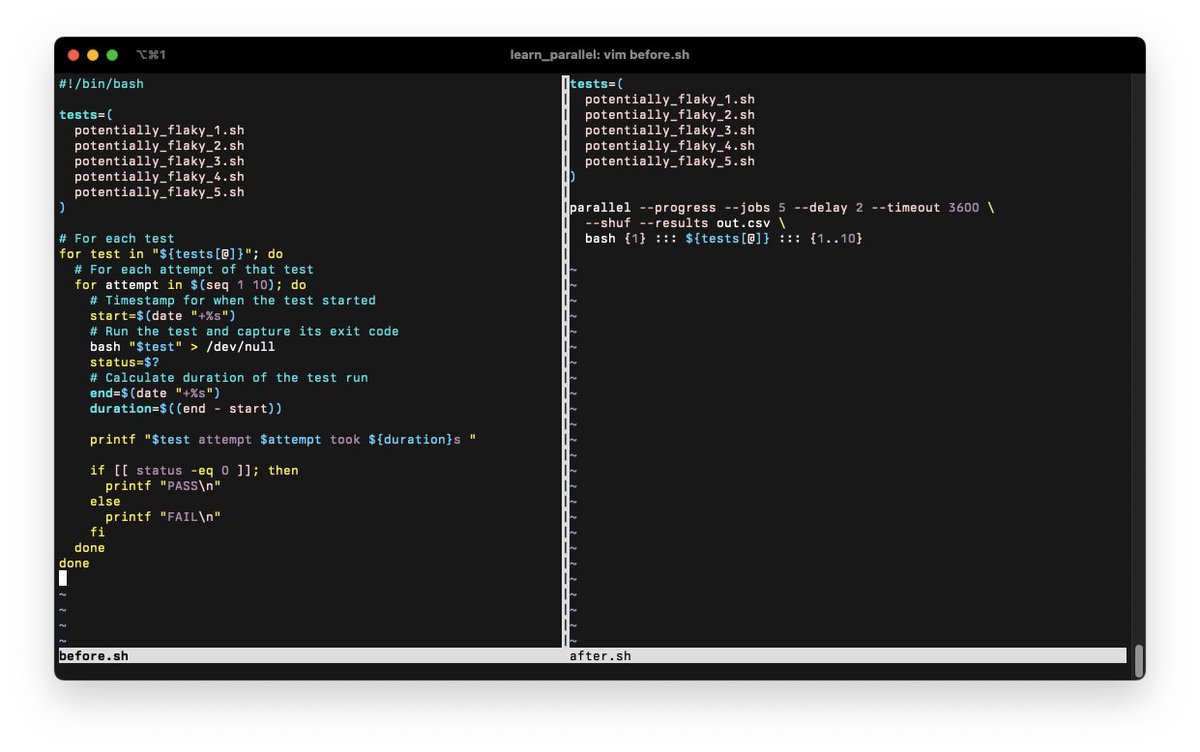
GNU Parallel book was very much worth the read. Helped me turn a ~14 line bash script into one command :)
Wrote a post with more details: https://t.co/MjQhPI2BNl
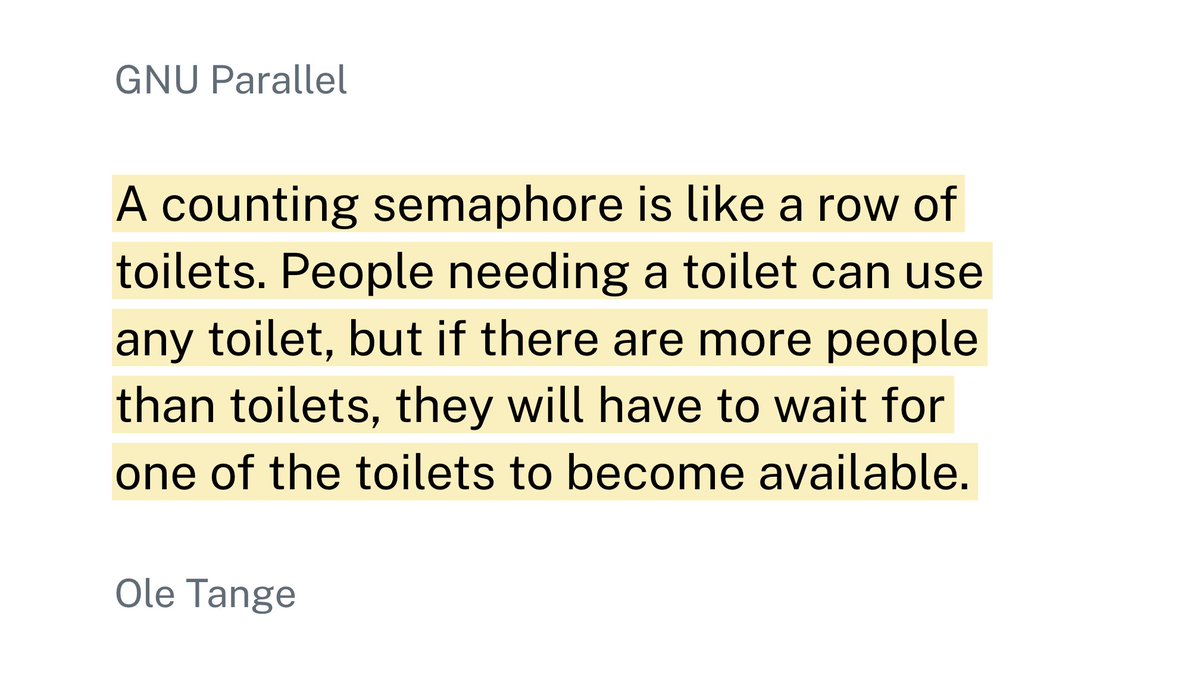
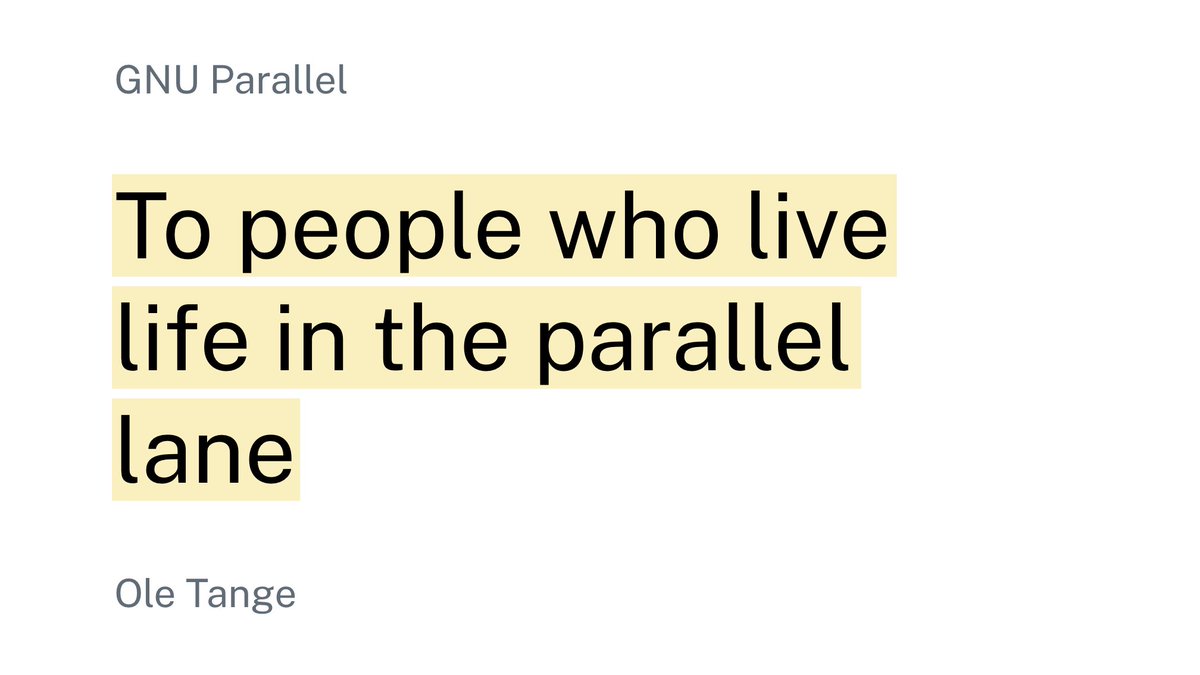
Wow, reading through the GNU Parallel book and it's hilarious right from its opening dedication...
(it's also free under creative commons, here: https://t.co/fuhKG1S8km)