Associate Research Fellow at the International Centre for Political Violence and Terrorism Research (ICPVTR) @RSIS_NTU | Terrorism and political violence in SEA
In this @ICCT_TheHague Analysis, I discuss how Jemaah Islamiyah successfully sustained ops amidst mass arrest. I argued that this is due to the creation of its anticipatory security initiatives, disciplinary measures, and contingency leadership structure.
https://t.co/cHlQaZMBty
An important case study by @MuniraMustaffa in the February 2025 issue of @CTCWP Sentinel on the May 2024 Ulu Tiram Attack and Islamic State extremism, family radicalization, Doomsday beliefs, and off-the-grid Survivalism in Malaysia.
https://t.co/qeE2aFpp2j
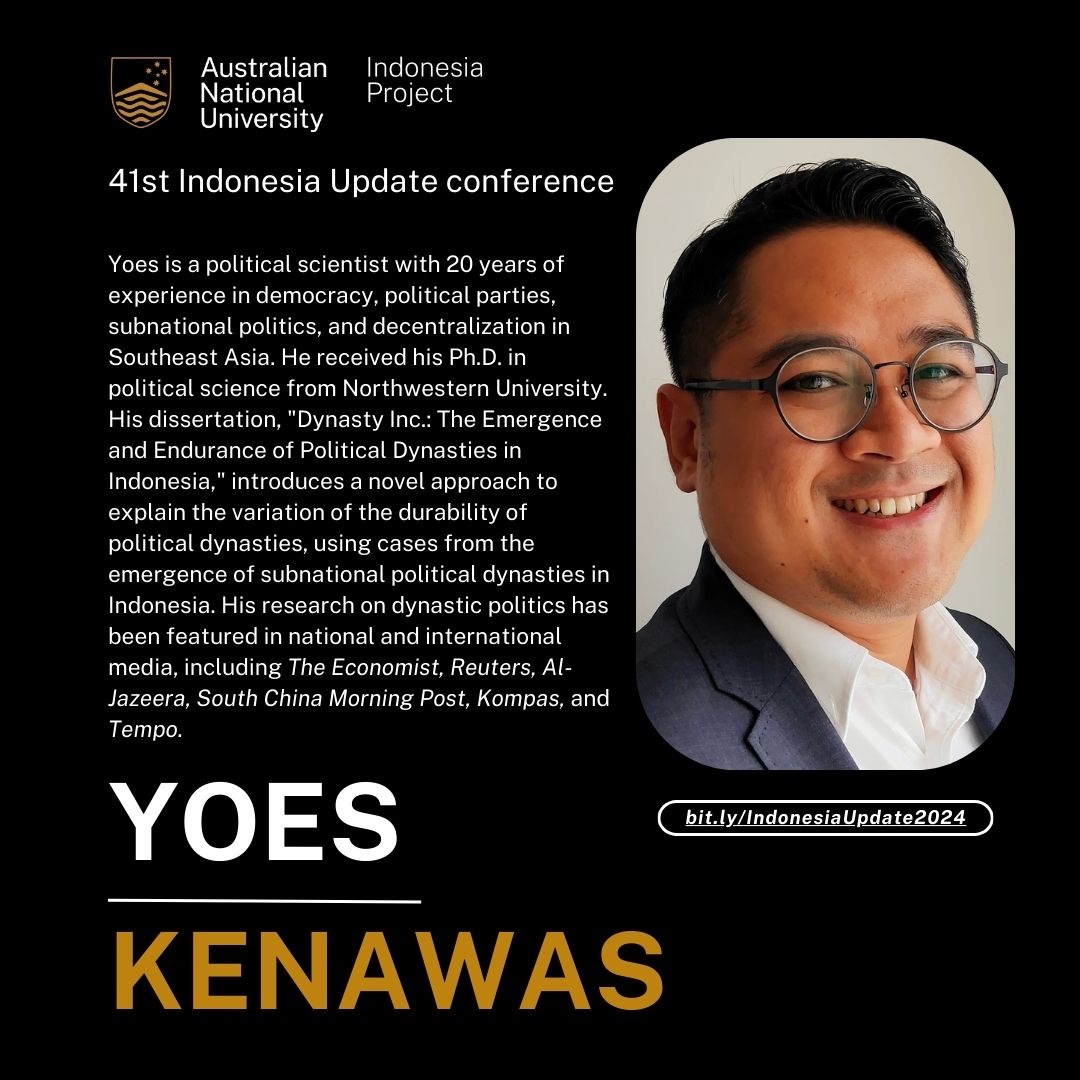
With protests sparking across Indonesian social media,@yoeskenawas's timely presentation will explore Indonesia's first instance of direct dynastic succession by an incumbent president, examining the mechanisms behind Jokowi's dynasty-making. Sign up here: https://t.co/2pBq7jpeiW
Next wednesday (21/08) I'll be talking about Violent Extremism in Bima, West Nusa Tenggara at @crcsugm. The talk will be based on article written by Pak @Ihsan_AF and me, published early this year. You can stream it on youtube as well.
Come join us!
While JI’s members and influence will continue to be a concern the region should monitor, Southeast Asia’s current primary threat still comes from pro-Islamic State groups, writes @alifstria.
"That said, the threat should not be exaggerated. If a splinter group does emerge, it will take some time for them to reorganise and recruit new members."
Excellent think piece as always by @alifstria.
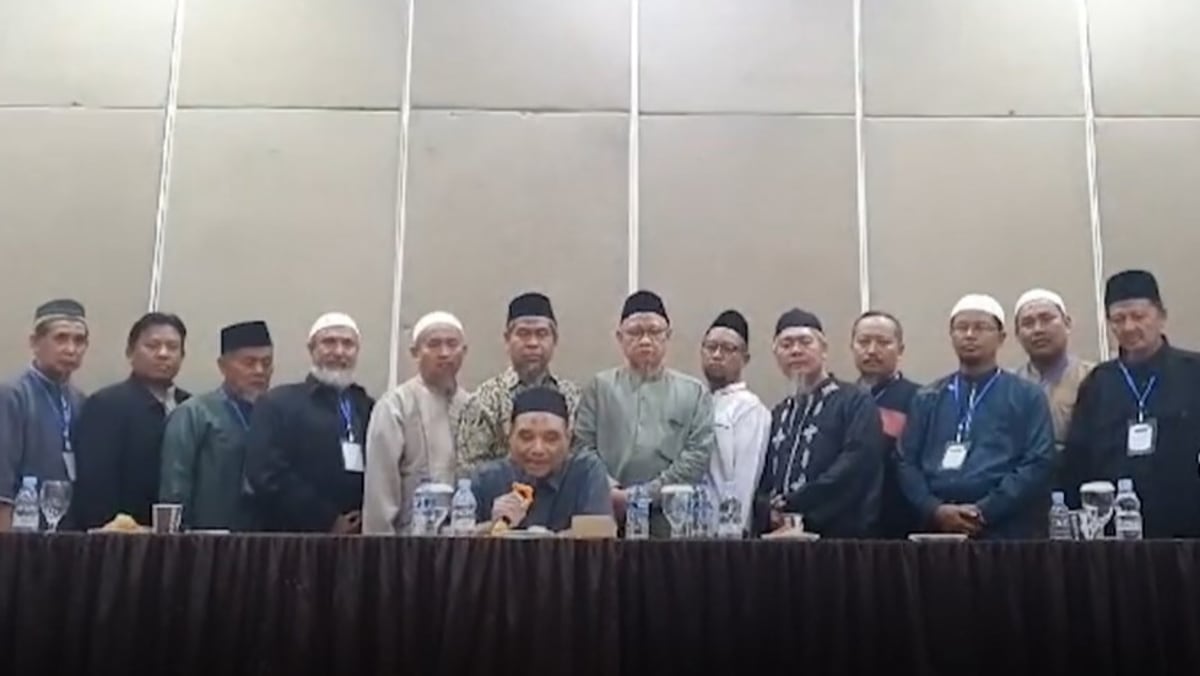
My quick thoughts on @ChannelNewsAsia regarding Jemaah Islamiyah (JI) leaders' June 30 announcement to disband the organization. Tl;dr: still important to monitor the risk of group splintering and members' infiltration of Islamic organizations.
https://t.co/Kf8csAUAww
This is a preliminary analysis of the June 30 decision of JI leaders to dissolve the organisation. We will do a longer report when the full implications are clearer. Stay tuned! https://t.co/ioI8UChyjH
"Why do some AQ and IS affiliates fight one another while others avoid tension or even coordinate?" check out this new article from @sedefaslitopal
https://t.co/0uy96PSH3r
And in case you missed it the first time, an excellent earlier piece by @alifstria and @ICPVTRBenMok also on the same theme. Both available on @GNET_research:
https://t.co/Edr5hZPHY9
Ahead of tomorrow's elections in Indonesia, @udayxSEA examines how political & extremist actors alike weaponise disinformation and extremist content to polarise the political environment, fuel social tensions and threaten the country's regressing democracy
https://t.co/H3krZ3HtNq
Examining attempts by terrorists to interfere in Indonesia’s 2024 elections on 14th Feb, Benjamin Mok and Alif Satria analyse how they compare with similar activity by groups in the ‘centre’ of the global jihadist movement, like al-Qaeda and Islamic State.
https://t.co/8fyUTJrXdM
A bit late, but here's replication data from "Insurgent Terrorism" by @Victor_Asal@kretheme and me. Info on 140 rebel groups 1998-2012 with variables like civilian targeting (multiple types, e.g. attacks on schools or journalists), allies, rivals... https://t.co/hQmQuueOPS 1/4
Another fantastic piece from @NavaNuraniyah and kang Solahuddin on radicalisation (and deradicalisation) across case studies in three groups: ISIL, JI and FPI: https://t.co/Wg7KaHkTyU
(open access)
/1
My new article is out! This time, I worked with Pak @ihsan_AF to analyze the radical milieu influencing violent extremism in Bima, West Nusa Tenggara, Indonesia.
Check the article here: https://t.co/kkfDMRxuas
It's been quite a year and there's a lot happening but allow me to (belatedly) share some of my 2023 publication on terrorism and political violence that might be of interest: