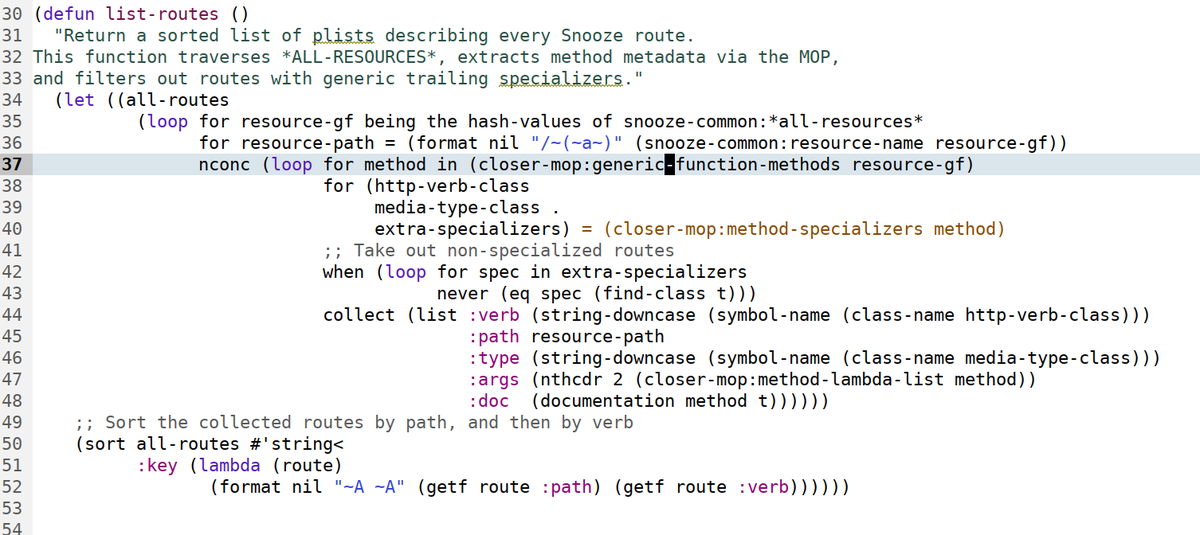
Doom Emacs tip:
Multiedit (using M-d or M-D) is a powerful tool, but it only works on identical text.
If you need multiple cursors, you can type "g z z" to use +multiple-cursors/evil-mc-toggle-cursor-here.
In the last 6 months at @Ahrefs, we analyzed over 1 billion data points across 14 studies. Here's what we learned about AI search optimization:
1) "Best X" blog listicles are the single most prominent content format cited by AI chatbots. They make up 43.8% of all page types cited by ChatGPT specifically.
2) 67% of ChatGPT's top 1,000 citations come from sources marketers can't influence: Wikipedia (29.7%), homepages (23.8%), app stores (6.6%). Only 32.3% are influenceable content like educational pages, reviews, news, and blog posts.
3) 28.3% of ChatGPT's most-cited pages have zero Google organic visibility. These pages get cited repeatedly by ChatGPT despite not ranking in Google at all. A completely separate discovery layer.
4) ChatGPT only cites about 50% of the URLs it retrieves. It fetches dozens of pages per query but uses half as background context without attribution. This means that being retrieved and being cited are very different things.
5) Adding schema markup had zero meaningful impact on AI citations. AI Overviews actually dipped −4.6%, while AI Mode (+2.4%) and ChatGPT (+2.2%) showed changes indistinguishable from zero.
6) YouTube mentions have the highest correlation (0.737) with AI brand visibility out of all the factors we studied (including all the conventional SEO metrics like backlinks, page count, DR, etc). This held true for both Google-owned and OpenAI products.
7) AI Overviews reduce clicks to the #1 result by 58%. That’s up from 34.5% just 10 months earlier. The trend is accelerating.
8) 99.9% of AI Overviews appear on informational intent queries. Transactional, navigational, and local searches are almost entirely AIO-free. Shopping triggers AIOs just 3.2% of the time.
9) For a given search query, Google’s AI Mode and AI Overviews reach the same conclusions 86% of the time — but cite almost entirely different sources (only 13.7% citation overlap).
10) AI Overviews change every 2.15 days on average, with 70% of content differing between consecutive observations. But semantic similarity stays at 0.95. The words, sources, and entities constantly shuffle, but the actual meaning barely moves.
My granddad is the best person i know
At 11, he tried a cig and didn't like it and never smoked since
At 18, he was on the verge of death from sepsis when his mom's friend's husband, a long haul Aeroflot pilot, brought penicillin back from the US. When the antibiotics started working, the doc told his mom - don't cry, he might even live up to 40
At 21, he got a degree in nuclear physics, but wasn't allowed to work in the industry due to weakened health. He found himself in the Soviet space programme
At 26, he sent Sputnik to space, a few weeks before he had his first child
At 32, he made the discovery of the Earth's plasmasphere
At 60, he learnt English because the iron curtain had fallen and he could travel to the international space conferences. He needed to write and present in English
At 70, he would fight me for the dial-up internet as I wanted to chat to online friends, while he needed to send some work emails from home
At 85, he visited me in London and went to the British Museum five days in a row. One of the days we were having afternoon tea, and he exclaimed: "I'm so lucky! Had I not lived to this age, I would not have seen Amenkhotep III statue and had these wonderful scones at the Ritz"
At 90, he was the only person in my family who said I must absolutely take the opportunity to work in crypto
At 94, he still was still co-authoring scientific papers. And this hasn't stopped yet
Yesterday, he turned 95
Happy birthday granddad 😊
"This is a protectionist tale as old as time. And the justifications are just as tired: It's about quality! It's about attribution! It's about workers! Spare me. It's about you, your insecurities, and your privileges." https://t.co/SP6DubrXXh
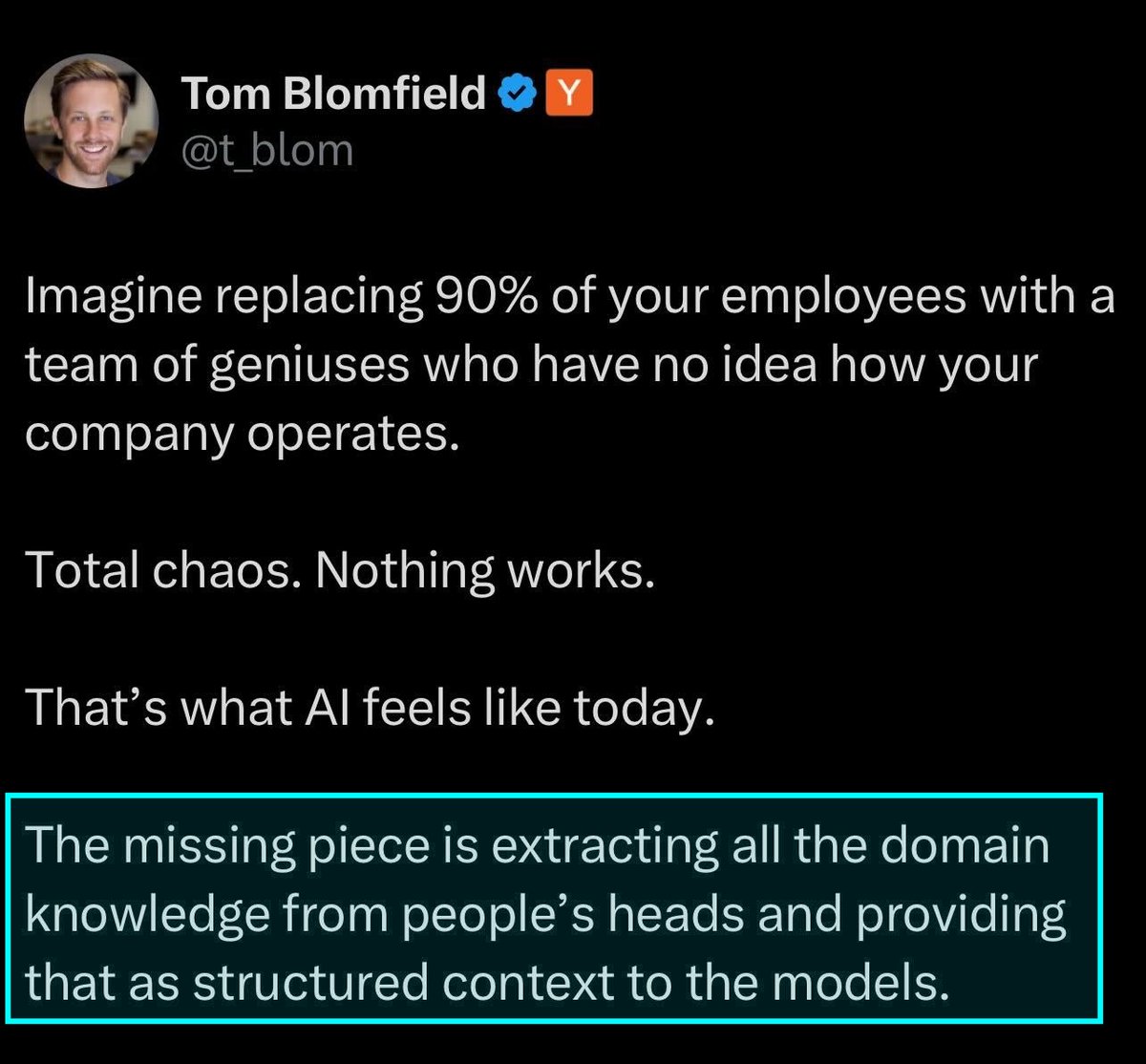
I think you're going to see it's all going to converge back to screens and data and panels and buttons.
People don't want to ask the same question over and over. They'll ask something, it'll be set up to show something, and that thing will be saved as something they can always look at. Stable pre-defined glances, not blank slates each time. Common questions will become buttons and panels again.
Most people ask the same kinds of questions about what they work on most of the time. Having to start from scratch with the questions every time seems like a step backwards.
Another way to put this: Questions are wonderful for a deeper dive, but not a daily drive.
Not sure you're suggesting questions always, but the comparison screenshots looked that way.
I’ve been improving my Common Lisp + Datastar project ; added Snooze https://t.co/q5HqkXaffy for URL routing, uses CLOS and the API docs page can be made through introspection via closer-mop in 10 lines