La lectura controla:
- Tu forma de pensar
- Tu futuro profesional
- Tu relación con el dinero
Si no lees los libros correctos a tiempo, acabarás repitiendo errores de otros.
Aquí tienes los 20 libros que todo estudiante debería leer al menos una vez: 🧵
Noninvasive Assessment of Liver Fibrosis (NEJM 2025)
�� Key Concepts
The extent and progression of liver fibrosis define the prognosis in chronic liver disease.
Early detection of fibrosis before cirrhosis develops changes outcomes and enables prevention strategies.
⚙️ Revolution in Hepatology
Noninvasive fibrosis tests have replaced liver biopsy in most cases.
They help diagnose, stage, and risk-stratify patients with chronic liver disease.
Also useful for predicting cirrhosis-related complications.
🧠 Main Tools in Practice
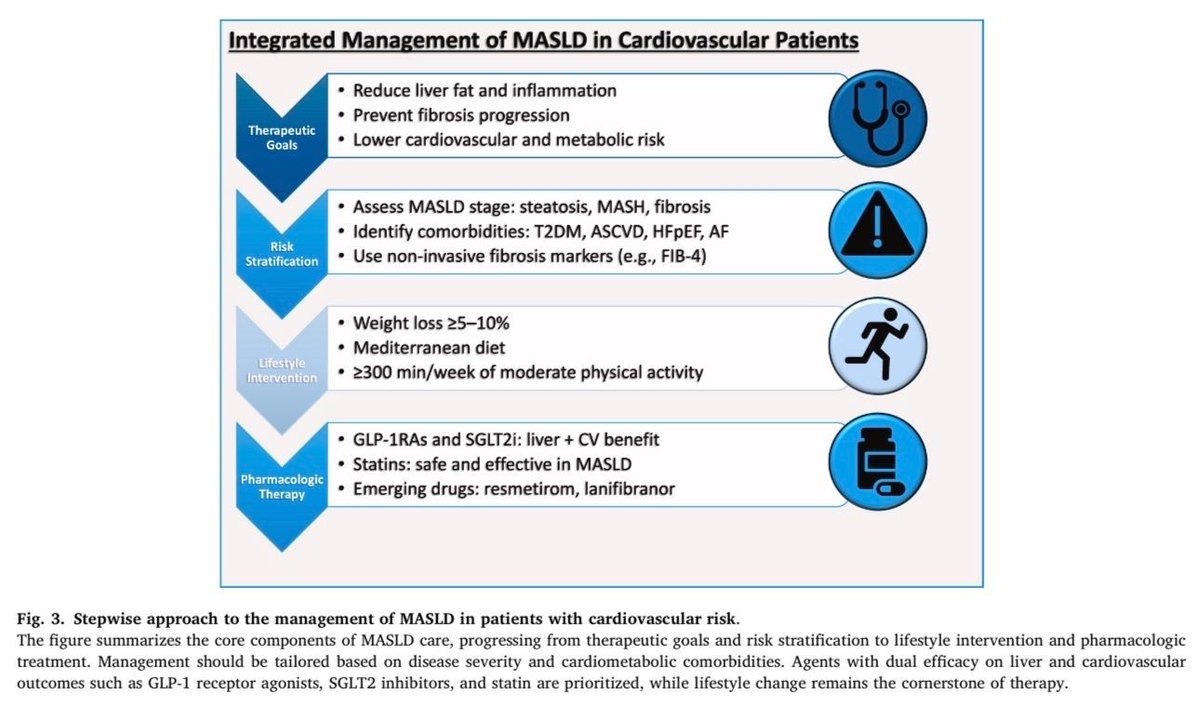
FIB-4 Index – Simple, inexpensive; ideal for primary care and diabetes clinics.
Enhanced Liver Fibrosis (ELF) Score – Specialized serum test with high accuracy.
Transient Elastography (VCTE / FibroScan®) – Measures liver stiffness through vibration-controlled technology.
Magnetic Resonance Elastography (MRE) – Most accurate, but costly and limited to tertiary centers.
📊 Practical Clinical Pathway
Begin with FIB-4 using age, AST, ALT, and platelet count.
If FIB-4 < 1.3, advanced fibrosis is unlikely—manage risk factors and recheck periodically.
If FIB-4 ≥ 1.3, perform VCTE or ELF.
If noninvasive tests show high stiffness or score, refer to a hepatology clinic for confirmation or management.
⚠️ Important Confounders
FIB-4 may give false positives in older adults (>65 years).
ELF can rise due to inflammation unrelated to liver disease.
VCTE accuracy is reduced in obesity, recent meals, or high ALT levels.
FibroTest can be misleading in hemolysis or Gilbert’s syndrome.
💰 Cost and Context
FIB-4 – Cheapest, universally applicable.
ELF – Moderately expensive, more specialized.
VCTE – Intermediate cost, widely available in liver clinics.
MRE – High cost, limited availability but top precision.
💡 Key Clinical Insights
Use noninvasive fibrosis testing routinely in patients with diabetes, obesity, metabolic syndrome, or unexplained elevated liver enzymes.
Sequential testing (FIB-4 → VCTE/ELF) avoids unnecessary liver biopsy.
Helps detect silent MASLD/MASH early in primary care and diabetology settings.
Raising awareness among non-hepatologists is critical for early screening and prevention.
🧩 CME INDIA Take-Home Message
“Use FIB-4 in primary care, FibroScan in specialty care — a biopsy-free pathway to detect silent liver fibrosis before it’s too late.”
https://t.co/SlInerlZkI
The prognosis of liver disease depends on the extent of fibrosis, which is usually staged with the use of liver biopsy. The limitations of biopsy have led to the development of noninvasive tests, which Drs. Laurent Castera, Mary E. Rinella, and Emmanuel A. Tsochatzis review. Learn more: https://t.co/oZ93UDdEiA
Hepatic veins: run vertically toward the IVC, have echo-free walls, separate liver segments, and show hepatofugal triphasic flow.
Portal vein: enters at the porta hepatis, runs horizontally within liver segments, has bright echogenic walls, and shows hepatopetal monophasic flow.
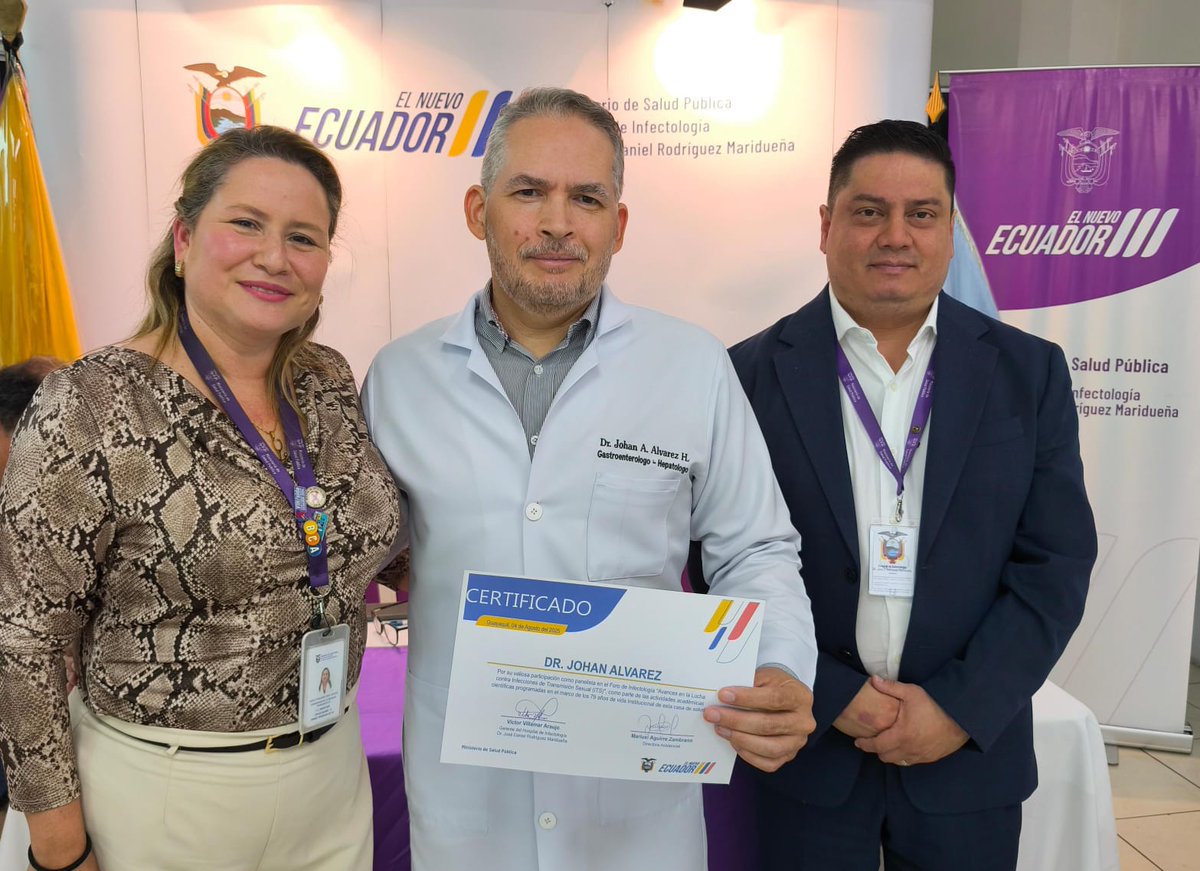
🏥 El foro giró entorno al avance de la lucha contra las ITS. Y contó con autoridades, expertos y personal de salud que coincidió en la optimización de procesos y trabajo articulado para continuar fortaleciendo la atención integral, inclusiva y humanizada.
#ElNuevoEcuador