Bueno es ir a la lucha con determinación, abrazar la vida y vivir con pasión. Perder con clase y vencer con osadía,por que el mundo pertenece a quien se atreve
'STORM' is a short documentary about Scott Hugo. A story of Long COVID's impact on his life and family - a reminder of what is at stake in research on Long COVID.
His resilience humbles me.
Please watch and share 🙏🏼
https://t.co/tN7B5wcq2I
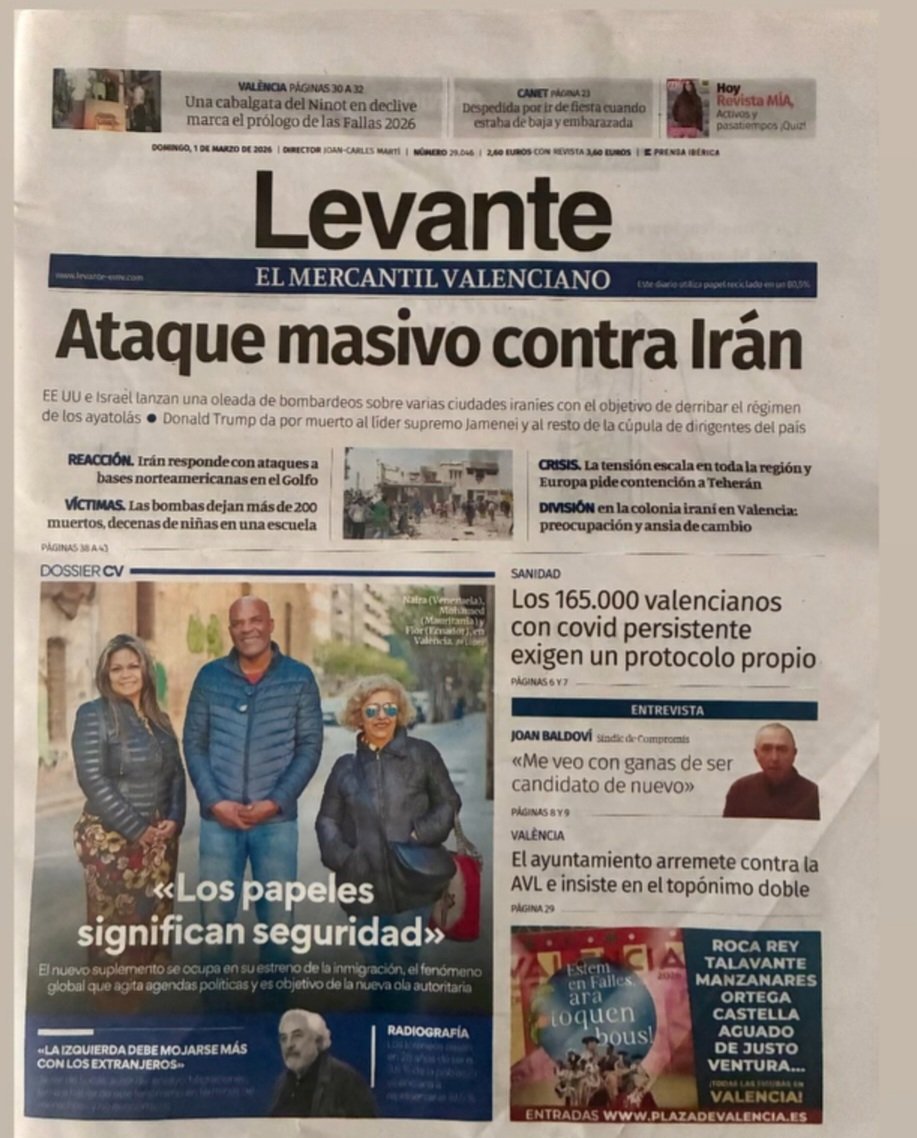
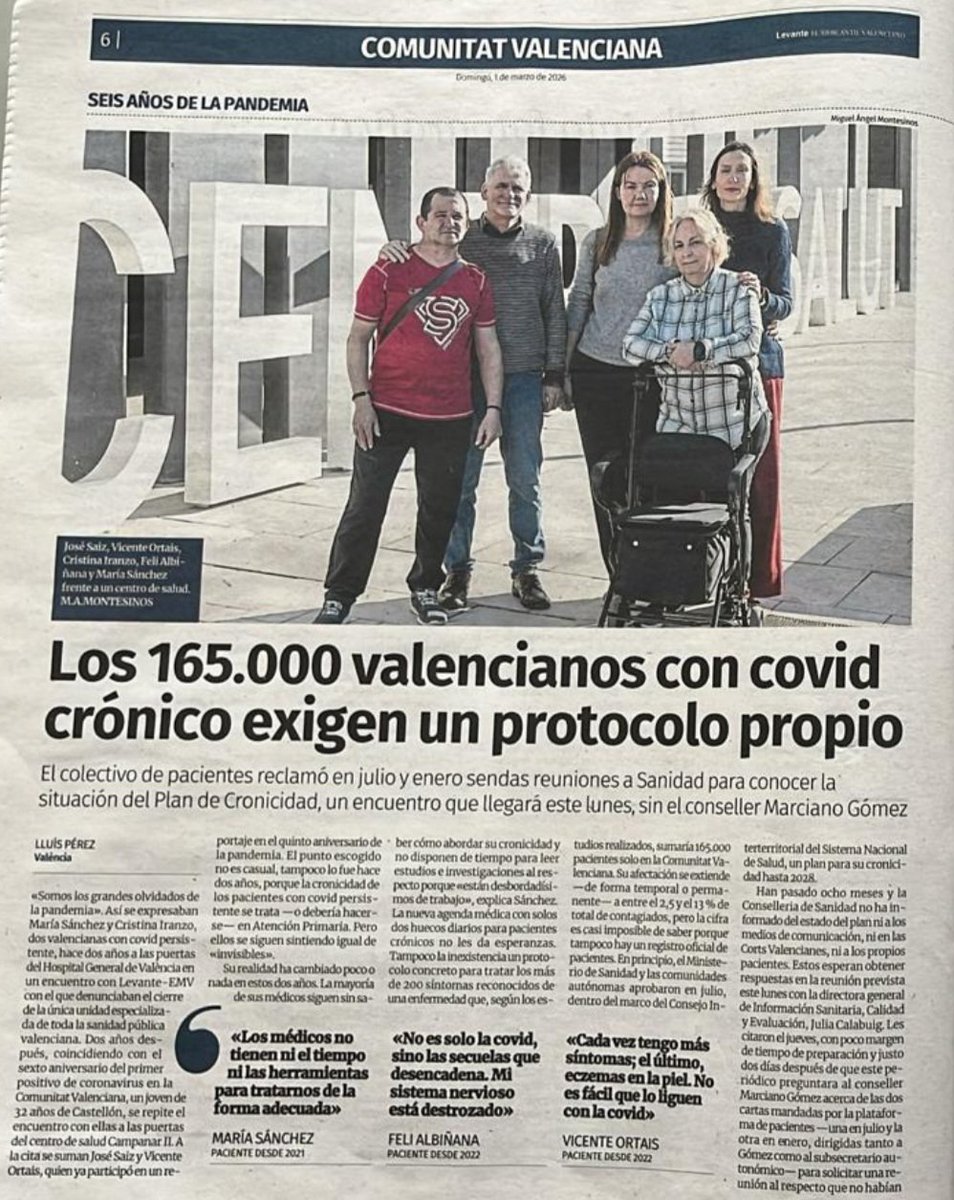
🔴 Los herederos de la pandemia: seis años olvidados
"queremos volver a vivir, sentirnos igual que tú, volver a tener una libertad que el cuerpo nos niega cada día" @rbenLG@covid_larioja
🎗️#COVIDpersistente
https://t.co/l5SWy2b1lD
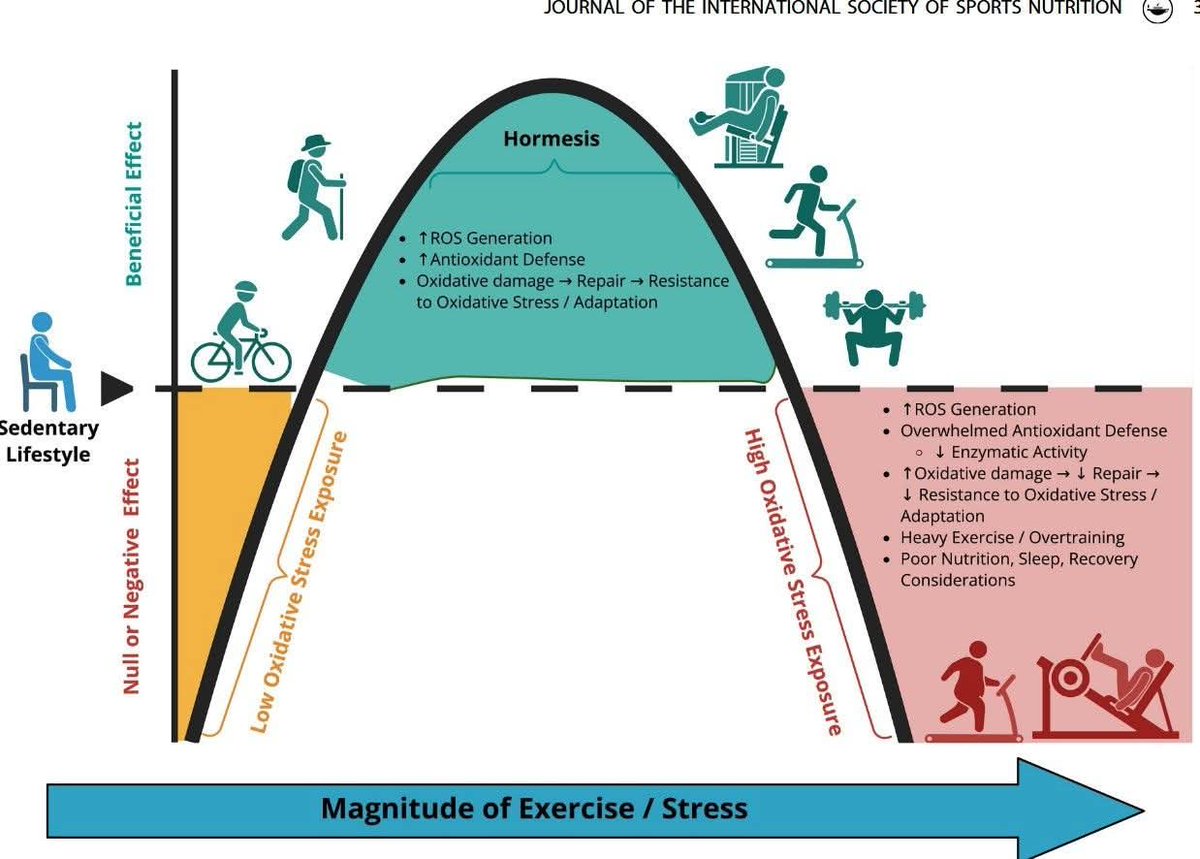
This is the concept of hormesis, where moderate biological stress drives beneficial adaptation, while too little or too much leads to dysfunction.
At low stress (sedentary state):
Reactive oxygen species (ROS) production is minimal, signaling pathways remain under-stimulated, and the body has no reason to upregulate endogenous defense systems. The result is metabolic stagnation and reduced resilience.
At moderate stress (training zone):
Transient increases in ROS act as signaling molecules (not damage) triggering:
- Upregulation of antioxidant enzymes (e.g., superoxide dismutase, glutathione systems)
- Mitochondrial biogenesis and improved oxidative capacity
- Enhanced repair pathways and stress resistance
- Greater metabolic flexibility and performance adaptation
- This is where exercise, thermal stress, and metabolic challenges produce their intended benefit.
At excessive stress (overreaching/overtraining)
ROS generation exceeds buffering capacity:
- Antioxidant defenses become overwhelmed
Repair processes cannot keep pace with damage
Inflammation, fatigue, and performance decline emerge
- Adaptation is blunted or reversed
Importantly, poor sleep, inadequate nutrition, and insufficient recovery shift individuals into this maladaptive zone even if training volume appears “appropriate.”
Health and performance are not built by eliminating stress, but by dosing it correctly and allowing recovery to convert stress signals into adaptation.
The goal is not maximal strain.
The goal is repeatable, recoverable stress that the body can respond to and grow from.
Source: ISSN Position Stand on Antioxidants. 2026
Se acerca el sexto aniversario de la Pandemia, para muchos es el recordatorio de algo que la sociedad superó. Pero se olvidan de una asignatura pendiente.
Por una atención digna, completa y sostenida en el tiempo de los pacientes con #CovidPersistente.
@SEMG_ES@_REiCOP@jrblanco11@covid_larioja Bravo! Ciencia, profesionalidad ,honestidad, humildad, cercania y un montón de implicación! Gracias por seguir ! Gracias a la rioja por el reconocimiento!
@rbenLG Bien hecho! Gracias en nombre de todos nosotros por darle este reconocimiento, Se merece todos los premios!! Extraordinario el dr @jrblanco11 Gracias por continuar siempre con tanta profesionalidad y cercanía!
How to Love Someone With Long Covid (Even When It’s Hard)
Let’s talk about something brutal.
When you get sick and stay sick, people disappear. That’s not a flaw in your personality or your worth. That’s human behavior. Animal behavior, actually.
Let me rewind.
Decades ago, I dated someone I loved deeply. She had this deep belief, that if the passion fizzled, it was over. That was the whole rulebook for her: no fireworks, no future. And maybe when you’re young, that feels like truth. But I had already seen what love actually looks like, the kind where your parents argue. and then hold hands shortly after. The kind where frustration turns into listening, and listening, turns back into love, like some weird emotional tide.
So when she asked me, “Is it over?” I was confused. Like… why would she even think that?
Later, I learned something that changed me.
You don’t have to feel love to show it.
Almost always, the showing comes first.
When you do the loving thing as a caregiver, lover, friend, and cook their favorite meal, run the errand, sit through their bad day, something inside shifts. Love grows out of the act in you. It’s a feedback loop. Not a feeling. A practice. Both of my deepest relationships got stronger the moment I stopped chasing emotional proof and just acted out of little acts of me doing loving things. And you know what? The feeling always followed. I loved them more. I was loved back more.
This is where we bring in Long Covid.
Millions of people have been living through something that most of the world pretends isn’t real. Something that doesn’t show up on the surface, but eats through their body, their energy, their memory, their sense of self. And if they are lucky enough to have a partner, or a parent, or a friend who’s still around, chances are, you are also struggling.
Because illness drives people away.
It always has.
It’s not new. Throughout history, when people got sick, they got abandoned. Leprosy. Tuberculosis. Polio. People didn’t just suffer the disease, they suffered being cast out.
We’re no different. Just more polite about it.
And if you’re the one still here, caring for someone who’s chronically ill, let me say this: Your instincts will betray you. There’s a weird effect that illness has on caregivers. It makes you want to retreat. You’ll find yourself pulling away. Not because you’re cruel. But because your brain is screaming for safety. Normalcy. Simplicity. And right now, the sick person you love is the opposite of that.
This is where I remind you: You are an animal.
I listen to this podcast called Tooth and Claw. It’s full of bear attacks and wild animal stories. One of the hosts says something that stuck with me:
“If you see a behavior in animals across a wide population, it’s probably an animal behavior.”
Well guess what? Caregivers disappearing when someone gets sick, and that’s an animal behavior. Human animal behavior. Our biology is hardwired for survival, and that means distancing from perceived danger. Sickness triggers something ancient in us. Something deep. Something hard to override.
But here’s the thing.
You can override it.
It starts with remembering who they are, not who they are now, in bed, groaning, or angry, or falling apart, but who they were. Who you fell in love with. Who made you laugh until you cried. That version of them still exists, even if it’s buried under symptoms and fatigue and grief.
Remember this too: In sickness and in health wasn’t poetic fluff. That vow wasn’t written for fairy tale weddings. It was a survival pact. It came from generations of people who watched their children die of infections. Who lost partners to fevers. Who suffered and stayed. That phrase was carved out of real history, when illness wasn’t rare (Just look up how many children died pre-1930s) it was expected. And now here we are again.
Modern medicine gave us the illusion that we were safe. That sickness was temporary. That suffering was manageable. But Long Covid shattered that illusion. And most people born after 1960 have no emotional blueprint for this.
We’re flying blind.
If you’re the one who’s sick, here’s something you need to hear: You’re not being ignored because you’re annoying or boring or selfish. You’re being ignored because your suffering triggers something ancient and uncomfortable in people. They don’t know how to sit with it. Most weren’t taught how. Their avoidance isn’t always a conscious choice. It’s an emotional reflex.
In the book How Emotions Are Made, Lisa Feldman Barrett explains that emotions come first, and logic comes after. We don’t decide how to feel — we feel, and then decide based on that. So when your loved one shrinks from your pain, or snaps at you, or stops checking in, ask yourself: Are they choosing that? Or is it an emotional response they don’t even recognize?
Think about the last time you stubbed your toe on something, and shouted at an inanimate object. “Damn it!” That wasn’t a planned reaction. That was your animal brain in action.
That’s what we’re dealing with. Not cold indifference. Biology.
So what can you do?
If you’re a caregiver, do one loving thing today. Not because you feel warm and fuzzy. But because it’s the right thing. Make tea. Rub their back. Sit in the room quietly. Do it even if they don’t thank you. Do it even if they’re upset. Because the feedback loop still works. It works on you. You’ll feel more love just from acting in love.
If you’re a patient, and your family member is cold or distant, try this: If you have the energy, think a loving thought toward them. Even if they’re not giving it back. Just thinking it can soften something inside you. Maybe it leaks out. Maybe it doesn’t. But you’ll feel it. And maybe — just maybe — that loop starts to close.
None of us chose this.
But we can choose how we respond.
We’re not just animals.
We’re animals with memory.
With words.
With stories.
Let this be one of them.
Desde 2021, estamos con las Asociaciones y Colectivos de Personas viviendo con #COVIDpersistente.
En 2025 vamos a seguir educando con un podcast en vivo y en directo ¡y en español!.
Este #15M#LongCOVIDAwarenessDay... regresa: "AIREyVIDA aquí no contamos casos, los prevenimos".
Uno de los mayores retos ha sido la incomprensión social.“Es difícil q la gente entienda lo que te pasa. Te ven bien físicamente, haciendo vida normal, y creen q todo está superado. Pero no saben que aún estás librando una batalla de salud”
https://t.co/Kj40g7nY82
🙏@ArmicheR🧵👇
Todas las cifras que leáis sobre personas con covid persistente son aproximaciones muy desfasadas. Nadie sabe a ciencia cierta cuántas personas lo sufren y las que lo hacen se sienten a menudo desamparadas https://t.co/v2yY0Ww4ry