Paleoecology can tell us whether translocation is a viable strategy for rare species recovery. Our new paper explains how: https://t.co/yJZub0s8wr 🧵1/n
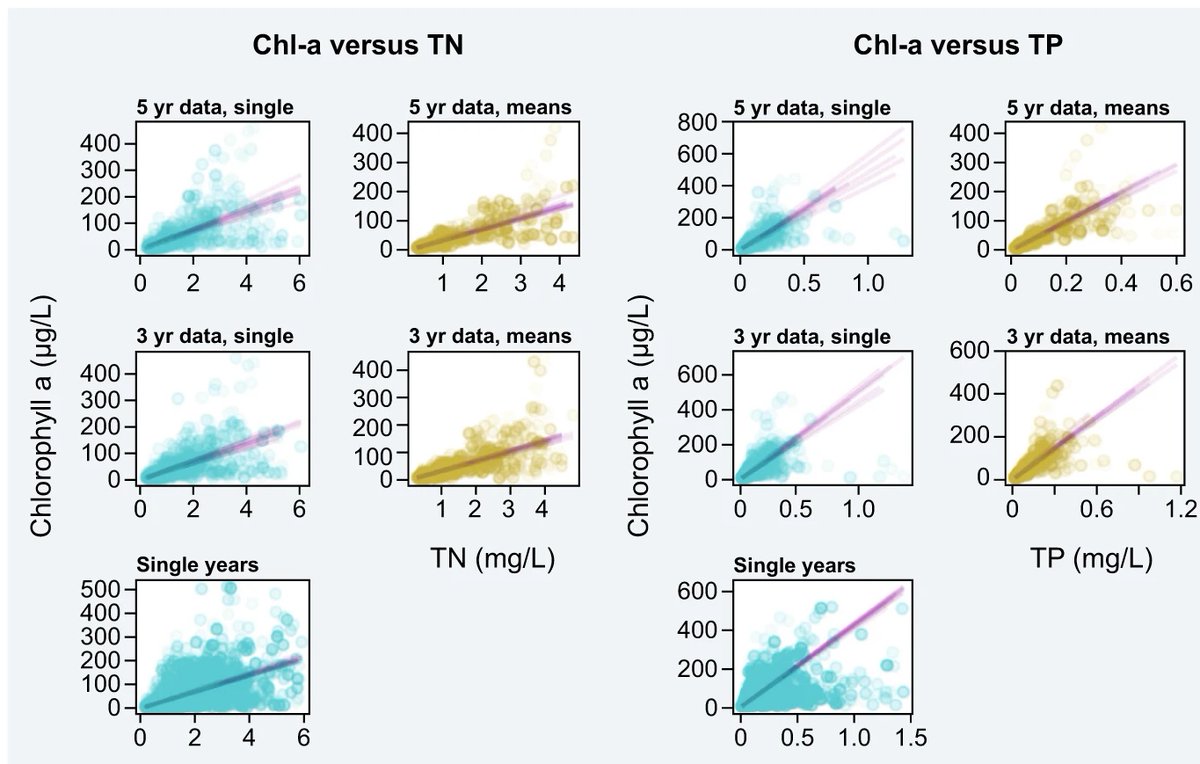
2/4: For lake datasets from Denmark & USA nutrient - chlorophyll-a relationships become more linear & predictable as the timescale is increased (>3 yrs). Hence alternative equilibria are not seen. Palaeoecological data also support the ideas but reviewers wanted a simpler story
1/4: Does the alternative stable states theory in shallow lakes stand the test of time? The answer is strongly **No**! Most important study of my life published today with great friend Tom Davidson & @LakeGroupAU @StreamDaniel https://t.co/s62IE4n9SC
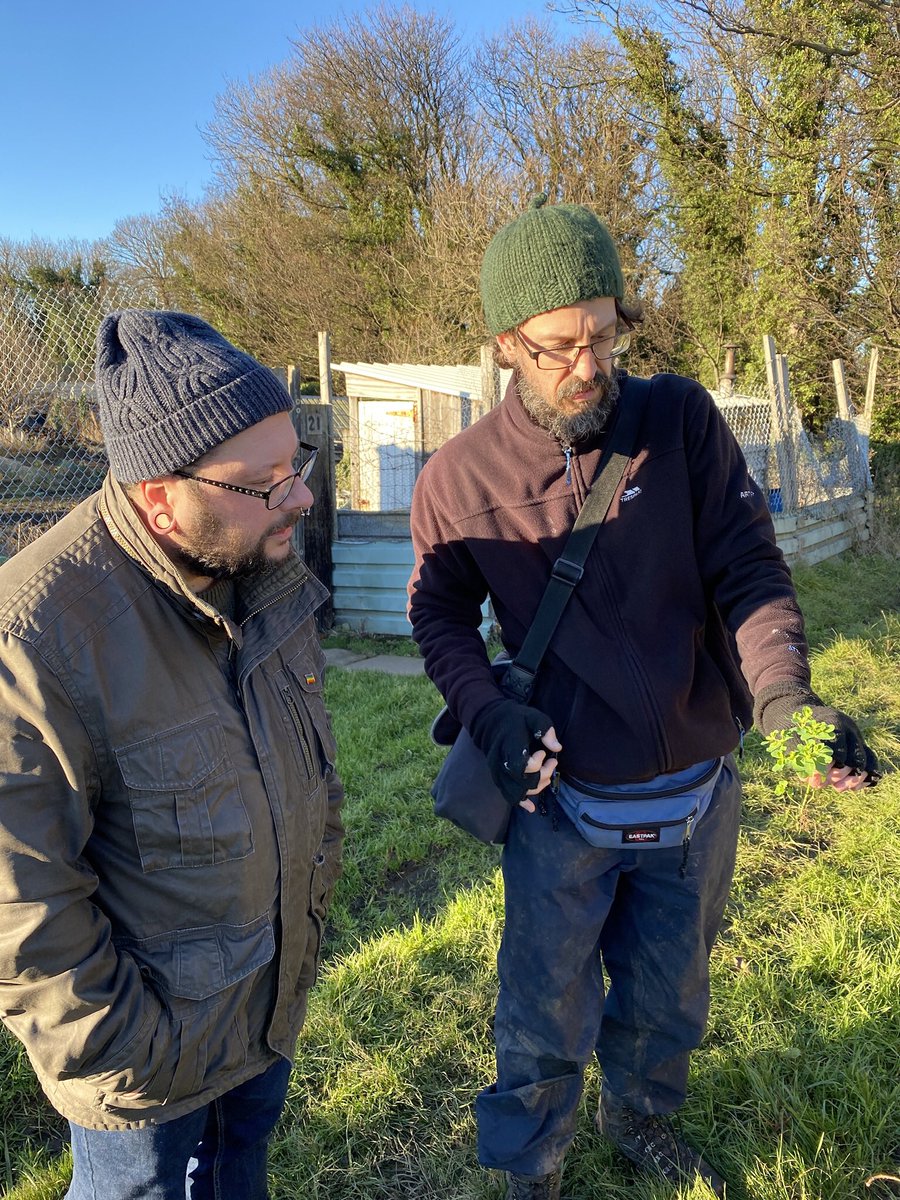
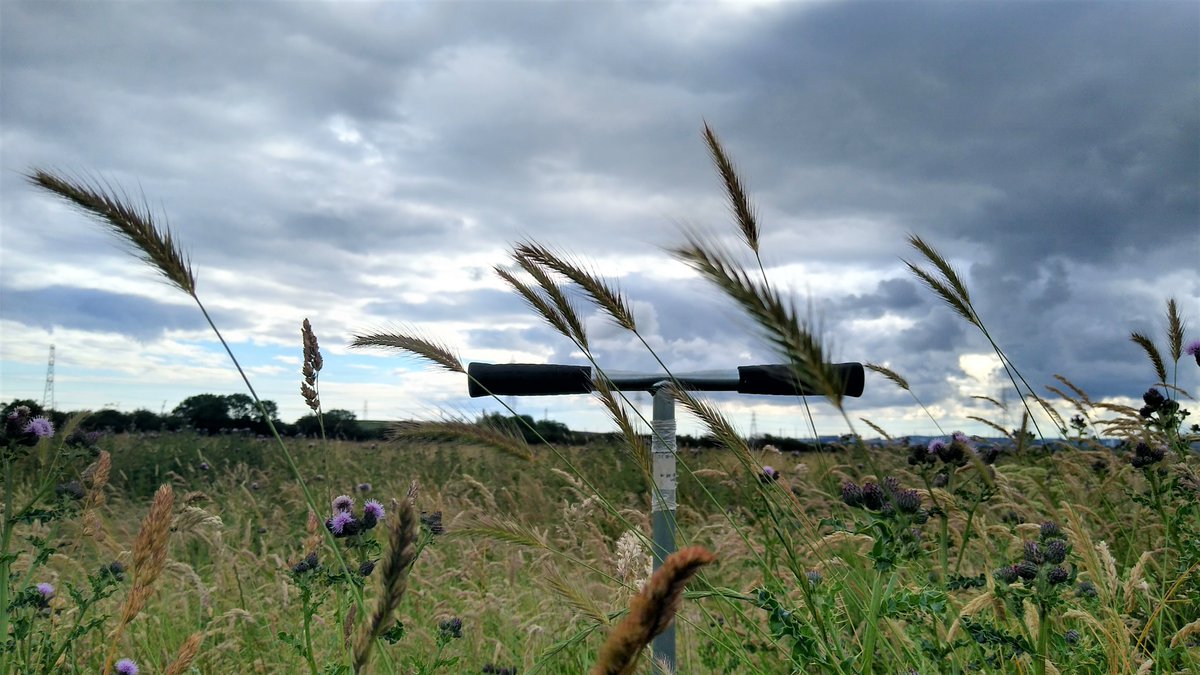
@BSBIbotany@teesbirds1@teeswildlife A great walk in the sunshine botanising for the BSBI New Year Plant hunt a grand total of 40 species seen in flower in Saltburn including a rare grass Compact Brome Anisantha madritensis
4/4 Monitoring change during rewilding is an opportunity to quantify societal benefits such as fighting climate change and biodiversity loss, but also requires overcoming barriers
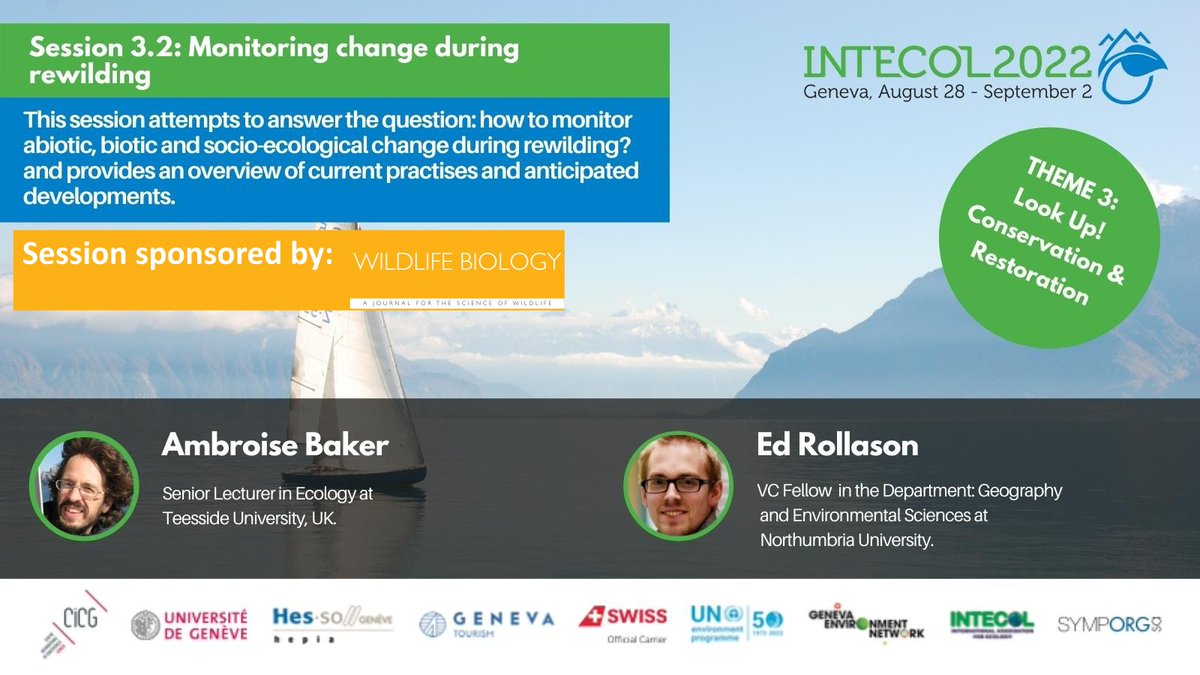
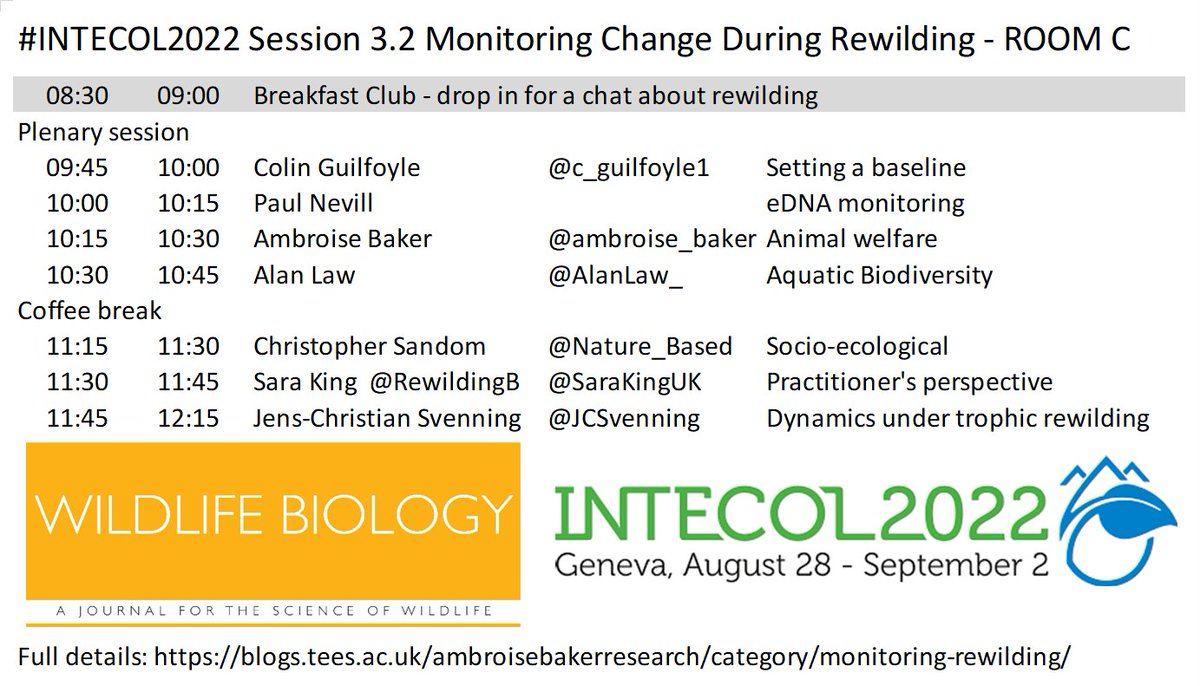
Sessions 3.1 & 3.2 about #rewilding at #INTECOL2022 feat. @WildlifeBiol @SaraKingUK @RewildingB
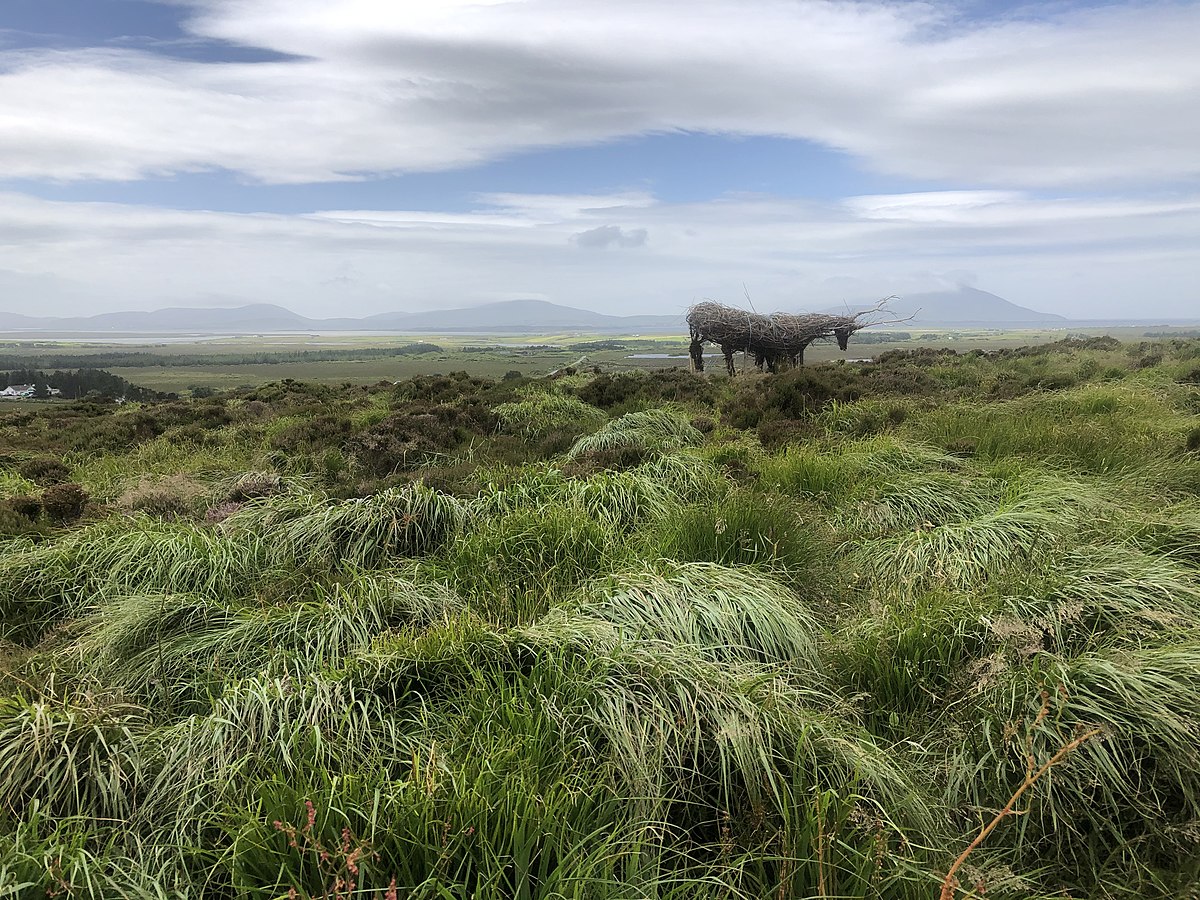
1/4 One defining characteristic of rewilding is the establishment of natural processes to create self-sustaining ecosystems where conservation management is minimised.
Sessions 3.1 & 3.2 about #rewilding at #INTECOL2022 feat. @WildlifeBiol@JMBecologist@JCSvenning +++
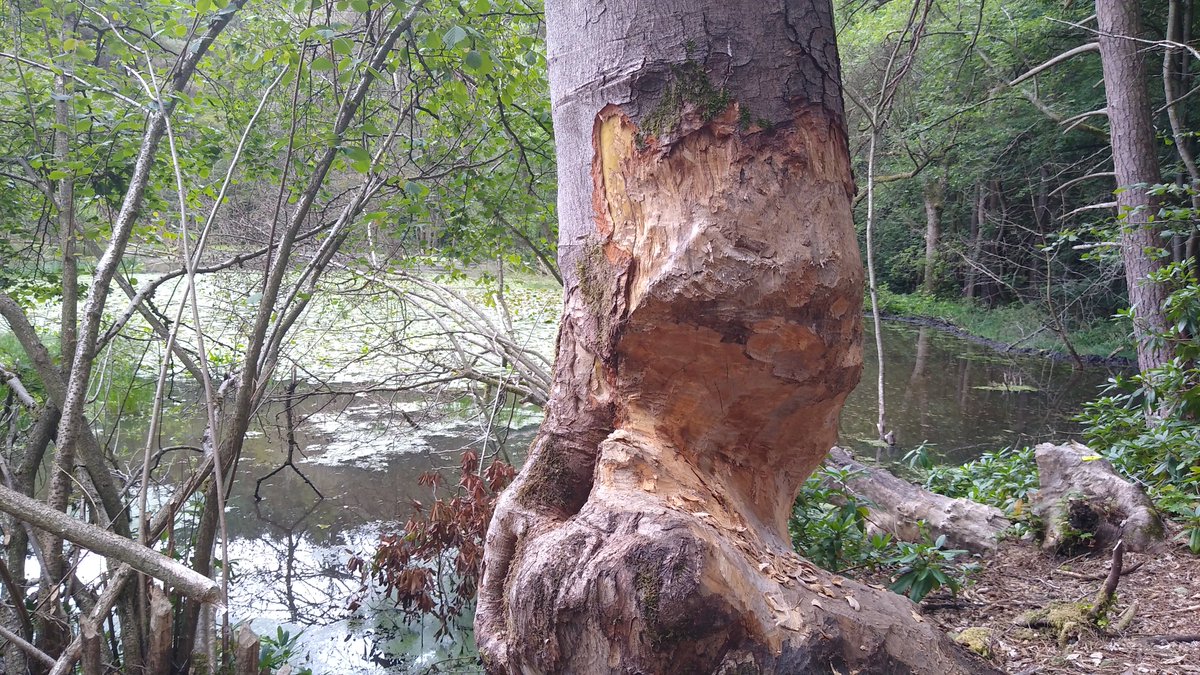
3/4 Because many landscapes have experienced widespread ecosystem-engineer extinction, ecological recovery is typically accelerated when re-introducing large herbivores and canivores
Sessions 3.1 & 3.2 about #rewilding at #INTECOL2022 feat. @WildlifeBiol @c_guilfoyle1