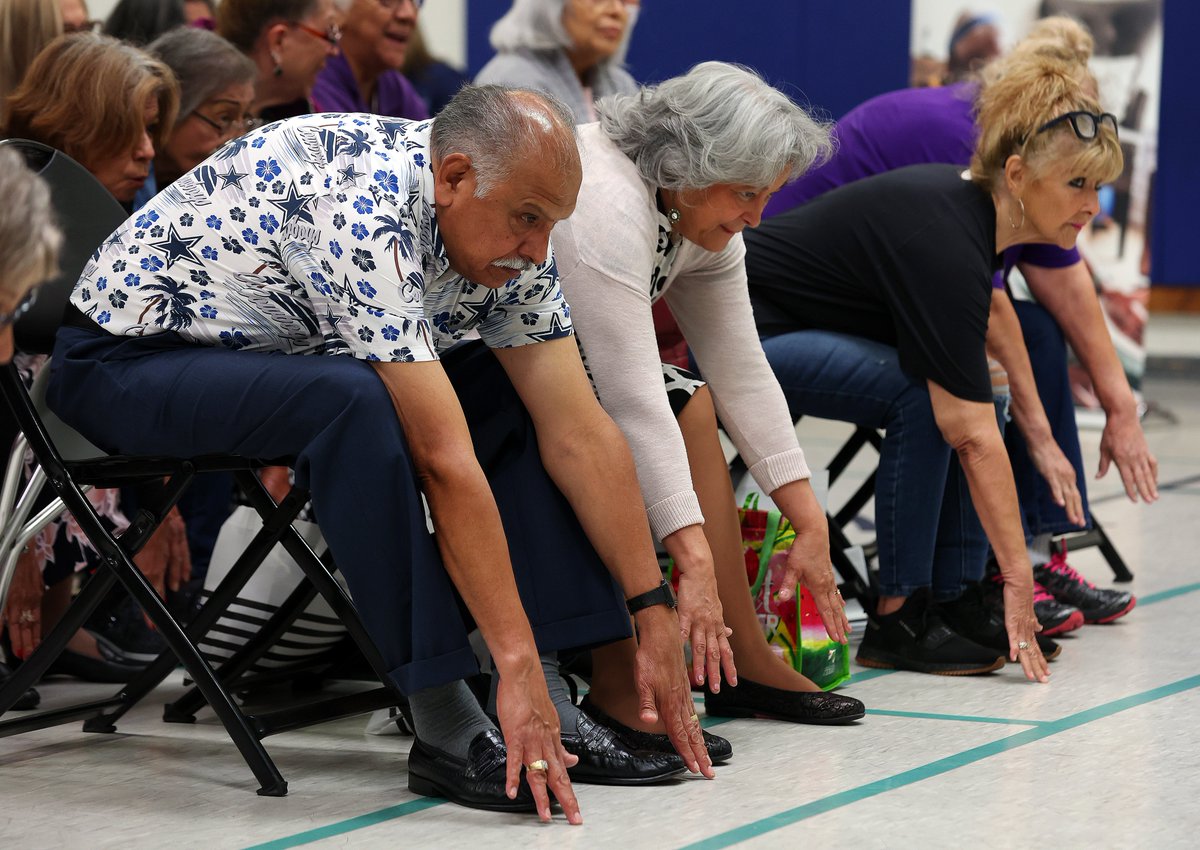
The biology of aging is increasingly recognized as an important factor in the development of many chronic diseases. Advances in geroscience and longevity research are creating new opportunities to address these underlying mechanisms and improve health across the lifespan.
Over the coming weeks, A4LI will be joining researchers, clinicians, biotech innovators, investors, and other leaders across the longevity ecosystem at two upcoming events focused on advancing the science of aging and translating discoveries into real-world impact.
As Thanksgiving approaches, we want to thank our Pack Members for their incredible participation and enthusiasm for the project. Your support makes all the difference!
🐾If you haven't signed up yet, join our Pack at https://t.co/B5ubBkFvkl and be part of something special!
🧬 New Open Access Research in GeroScience!
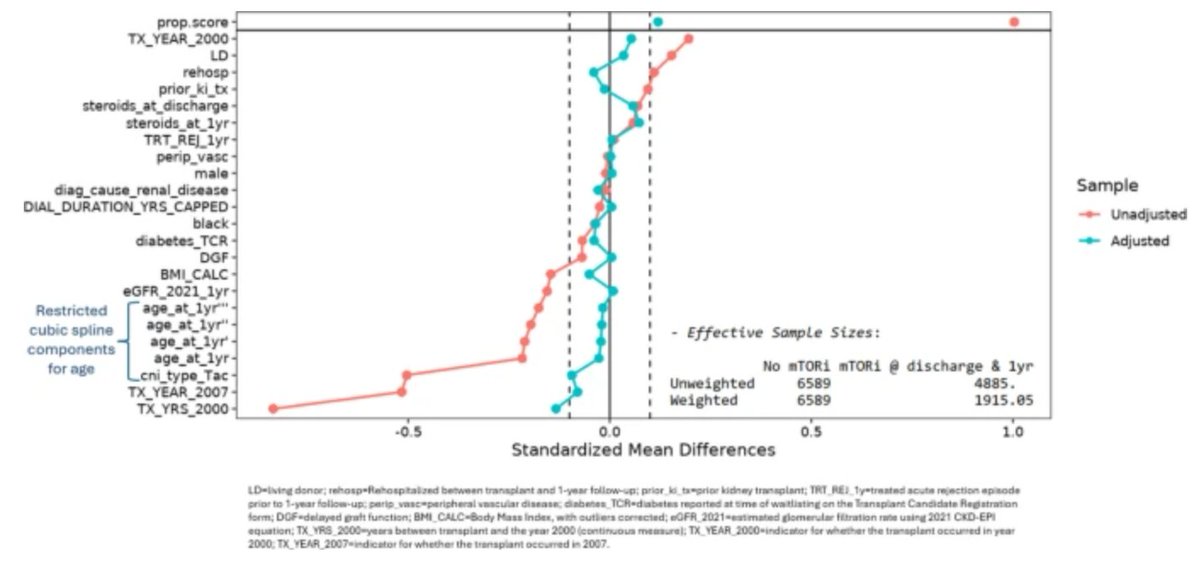
Does rapamycin extend human lifespan? Darren Stewart and William Fitzsimmons examined long-term survival in more than 11,000 kidney transplant recipients. After adjusting for patient differences, rapamycin use was not associated with a meaningful improvement in longevity.
These findings highlight the importance of evaluating the translation of promising preclinical longevity research into human populations.
🔓 Read the full article: https://t.co/9Ww7dgtlLh
#GeroScience #Rapamycin #Longevity #AgingResearch #mTOR #HealthyAging
Does eating less actually protect your genome?
A new study in Cell put it to the test. Mice fed 30% fewer calories accumulated fewer somatic mutations across several tissues, including substitutions and insertions/deletions.
The effect varied by tissue, with liver cells showing a bigger drop than kidney or brain. In liver and kidney, the biggest reductions showed up in the least active regions of the genome.
Why it matters: it ties diet and metabolism directly to genomic integrity, one of the core features of aging biology.
The caveats are real. This is a mouse study, and it doesn't show that caloric restriction prevents cancer or that people would see the same benefit.
📌 Grońska-Pęski M et al. | Cell | September 2026
📄 https://t.co/uPoOCzTFze
🔗 https://t.co/9pZHWZTsds
📖 https://t.co/DX8Ej7ng10
#Geroscience #CaloricRestriction #AgingResearch #SomaticMutation #Healthspan #GenomicStability
Are you following our new Perspectives of Ageing blog?
Our latest post by Dan Hayman from @sheffielduni Directing fundamental ageing research using public opinions
https://t.co/gn8uW5pFBI
🦴Osteogenesis imperfecta (OI) can cause bones to become so fragile that they may break before birth, but could the condition also affect a baby’s developing lungs? 🫁
NIH researchers are studying lung development before birth to understand why some babies with severe OI experience life-threatening breathing problems.
🔗 Watch: https://t.co/PxarKCP3s8.
The holiday season can increase stress for many of us. Here are nine self-care tips to support your mental well-being during the holidays! ✨
https://t.co/wUDxXpyMpO
Calling all community care hubs! You have until Dec. 10 at 11:59 p.m. ET to apply for our evidence-based falls prevention funding opportunity.
Learn more, apply, and share with eligible organizations! ⬇️
https://t.co/DtF8qNW8qC
🧬 New Open Access Research in GeroScience!
Hang Yu and colleagues investigate the link between resistant hypertension and accelerated vascular aging, highlighting the potential role of PTEN–AKT signaling and cellular senescence.
🔓 Read the full article: https://t.co/1udNbkgeYW
#GeroScience #VascularAging #ResistantHypertension #CellularSenescence #HealthyAging
Vascular aging may have a new lever worth watching: MTR4.
A new study in Aging Cell identifies MTR4, an RNA helicase, as a regulator of senescence in vascular endothelial cells, the cells lining our blood vessels.
The catch is that MTR4 declines with age, because senescence ramps up SYVN1, which degrades it.
What the researchers found:
🧬 Restoring MTR4 brought senescent endothelial cells back toward a youthful phenotype
🐭 In mice, endothelial Mtr4 knockdown drove vascular dysfunction and multi-organ aging, while endothelium-specific overexpression alleviated those phenotypes
🪱 In nematodes, mtr-4 overexpression extended lifespan
It's all preclinical, and targeting MTR4 safely in people is its own challenge.
Still, it points to a conserved mechanism worth following in vascular geroscience.
📌 Guo Z et al. | Aging Cell | October 2026
📄 Read free: https://t.co/esFDE9zyie
📖 https://t.co/DX8Ej7ng10
🔗 https://t.co/9pZHWZTsds
#Geroscience #AgingResearch #Senescence #VascularAging #Healthspan #AgingCell
🧬 New in #GeroScience | Open Access
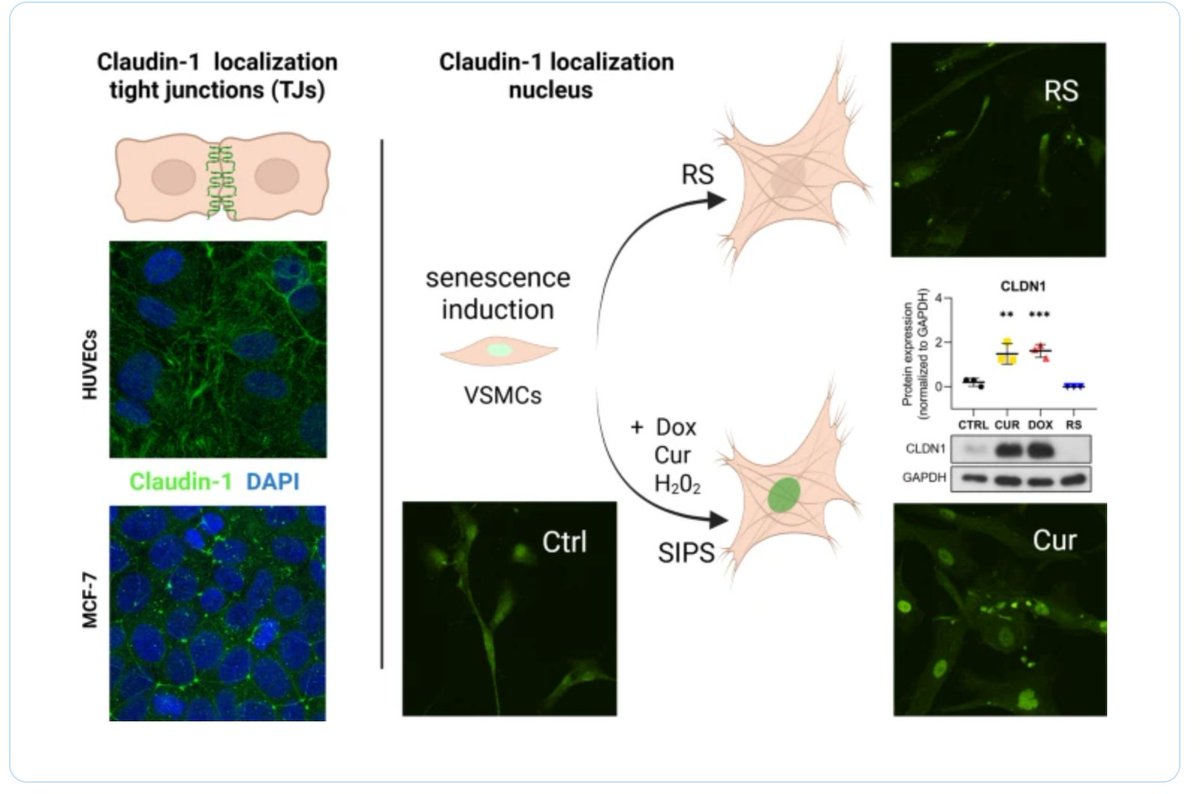
Could claudin-1 serve as a marker of stress-induced premature cellular senescence?
A new study by Agnieszka Gadecka et al. investigates claudin-1 as a potential marker of stress-induced premature senescence in vascular smooth muscle cells, offering insights into cellular aging and vascular dysfunction.
Read the open-access article: https://t.co/RuSFZabFZ3
#CellularSenescence #Claudin1 #VascularAging #SmoothMuscleCells #AgingResearch #Geroscience
A study of nearly 50,000 dogs found that 84% showed moderate to severe fear and anxiety. Dr. Bonnie Beaver, a professor at the VMBS, discusses what’s behind these fears, why addressing them early matters, and how owners can help.
Watch her video here: https://t.co/L9ty1brbry
Want to help dogs live longer, healthier lives? Join the Dog Aging Project Pack at https://t.co/B5ubBkG39T!
🐾Together, we can help dogs live longer, healthier lives.
This week on A4LI’s Scientist Spotlight, we speak with Joshua Berg, a Research Associate at @VincereBio.
In this episode, we explore preclinical models of aging and discuss Josh’s research background in metabolism and autophagy.
You can listen to the full episode here: https://t.co/UcLxQx7vqH
💪 New in #GeroScience | Open Access
Do GLP-1 and GIP receptor agonists directly affect skeletal muscle health?
A new study by Caitlin Ditchfield et al. investigates the effects of GLP-1 and GIP receptor agonism on primary human muscle cells. The findings indicate that these agents do not directly drive skeletal muscle atrophy or impair myogenesis in this experimental model.
Read the open-access article: https://t.co/7Aa12RZXjM
#GLP1 #GIP #SkeletalMuscle #MuscleHealth #Myogenesis #AgingResearch #Geroscience
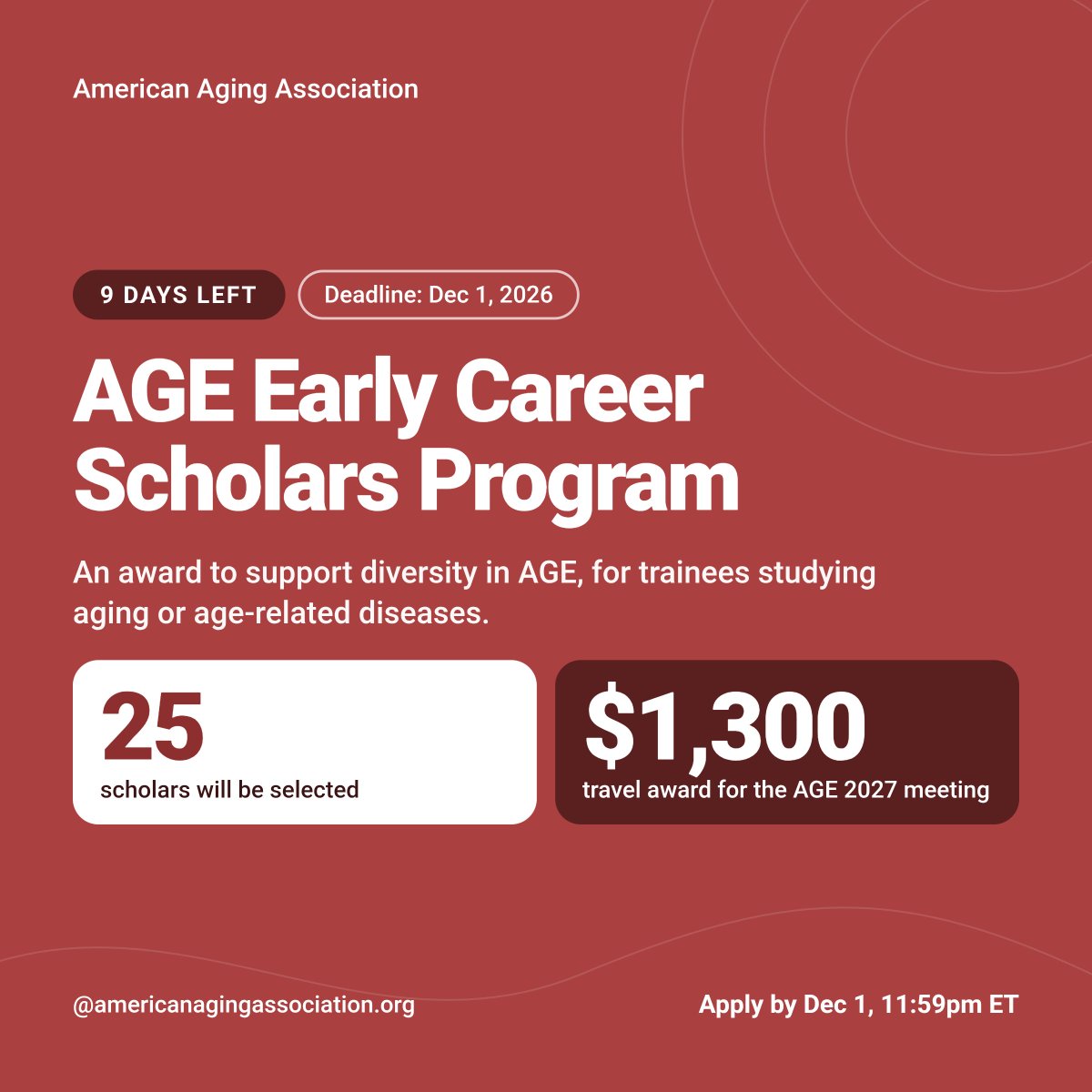
12 days left to apply to the AGE Early Career Scholars Program.
The next generation of geroscience should look like the communities it serves. This award from the American Aging Association supports diversity in AGE and in the broader geroscience research community.
What 25 selected scholars receive:
• A 2-year AGE membership
• A $1,300 travel award for the 2027 AGE annual meeting
• The opportunity to present your research at AGE 2027
• Ongoing mentorship from a senior AGE trainee chapter member
• Additional 1-year memberships and virtual 2027 meeting registrations will also be awarded
Who should apply:
• Undergraduates, postbaccs, graduate students and postdocs
• Trainees who identify as under-represented minorities in biomedical sciences, or who have faced significant barriers to scientific development or networking
• Anyone studying aging or age-related diseases. If you work on metabolic, neurodegenerative, cardiovascular or infectious disease, or cancer, that counts.
How to apply: submit one PDF with (1) a CV or biosketch, (2) a research abstract of up to 300 words that explains how your work relates to aging or geroscience (no results needed), and (3) a paragraph of up to 500 words on why you want to join AGE and how this award would benefit your career.
Deadline: December 1, 2026 at 11:59pm ET. Early career investigators outside these stages are not eligible, but are encouraged to apply for a travel award.
Know a trainee who should apply? Tag them or share this post, and apply here: https://t.co/yrBV62JyU1
AGE 2027 annual meeting: https://t.co/jmdBBkUVC3
#AGE2027 #Geroscience #AgingResearch #EarlyCareer #DiversityInSTEM
📅 Nov. 23 | 4:00 p.m. ET
Bring your questions and connect with NCOA staff to learn more about the funding opportunity and application process.
🔗 Register here: https://t.co/LzODDyKhqW
📅 Nov. 20 | 10:00 a.m. ET
Join the Wisconsin Institute for Healthy Aging to learn more about the Stepping On falls prevention program.
🔗 Register here: https://t.co/Omi03BCN8w
Do dogs need tick prevention in the winter months? ❄️
Dr. Kate Creevy joins Longevity for Dogs to explain the risks of Lyme disease and heartworm, how to recognize symptoms, and what dog owners can do to help prevent infection.
🎧 https://t.co/0nGQoMLvQR
Yesterday, NCOA's Board visited the Collier Senior Center & Baker Senior Center Naples and saw how #SeniorCenters support older adults every day & strengthen communities. Thank you for having us! 💙✨