Watch UCLA Assistant Prof. Alvine Kamaha as she dives into the mystery of dark matter, how physicists detect it, and how this force could revolutionize tech.
https://t.co/h70jnrVzFt
[Video description: Professor explains dark matter and how scientists know it exists.]
Perseverance in the Wild Martian West 🤠
Our Perseverance Mars rover snapped some photos beyond the western rim of Jezero Crater—the farthest west the rover has ever gone on the Red Planet. See what we found there: https://t.co/nIkwxstE26
A historic mission behind us, with more ahead.
🌕 Artemis II crew returns home
🔧 Artemis III preparations begin
✈️ X-59 ramps up flight testing
🛰️ Cygnus arrives at the ISS
🌌 SPHEREx maps interstellar ice
Here’s the latest in the @NASA Minute!
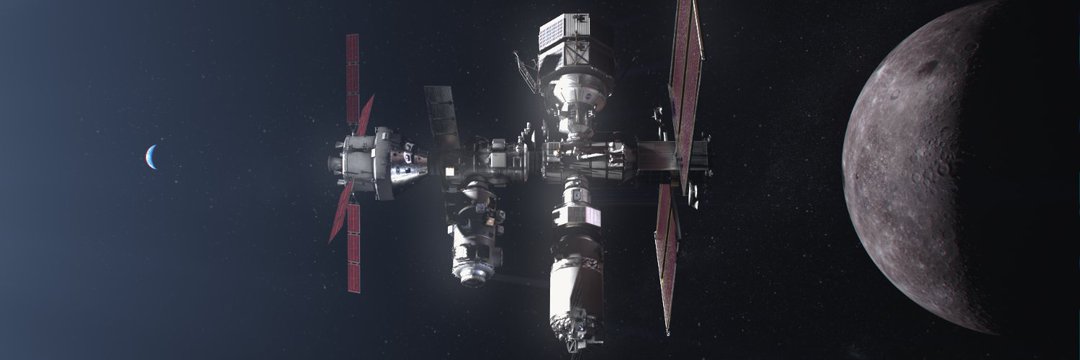
With Artemis II safely back on Earth, NASA has begun shipping the core stage for the Artemis III rocket to @NASAKennedy.
Artemis III will test rendezvous and docking capabilities needed to land Artemis IV astronauts on the Moon in 2028. https://t.co/RfhWoO907P
It’s done. They’re home. 🚀🌍
After 10 days around the Moon, Artemis II has safely returned to Earth.
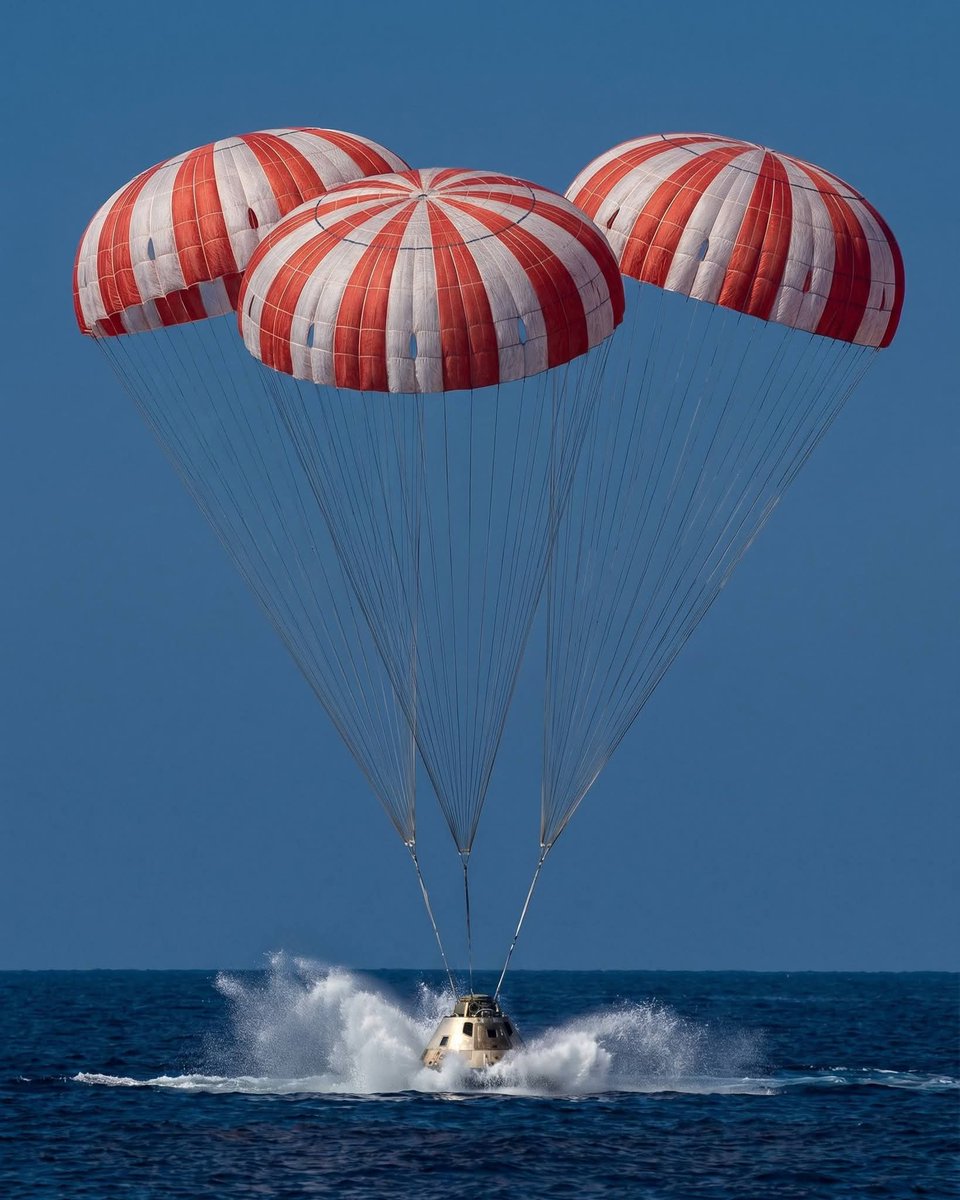
At 8:07 PM EDT, the Orion capsule splashed down in the Pacific Ocean — slowing from nearly 40,000 km/h using just parachutes and precision engineering.
This moment looks calm…
but minutes before, it was surrounded by fire during re-entry.
From deep space… back to Earth.
A new era of human exploration has officially begun.
Would you go to the Moon if given the chance? 👀👇
#ArtemisII #NASA #Space #Splashdown #MoonMission
Let's run that back. One more time... Or two?
Our crew is now safely back on Earth. Relive the historic mission, and keep an eye on our website as more images and videos keep rolling in. https://t.co/FoYXKVvve5
We can achieve great things when we work together.
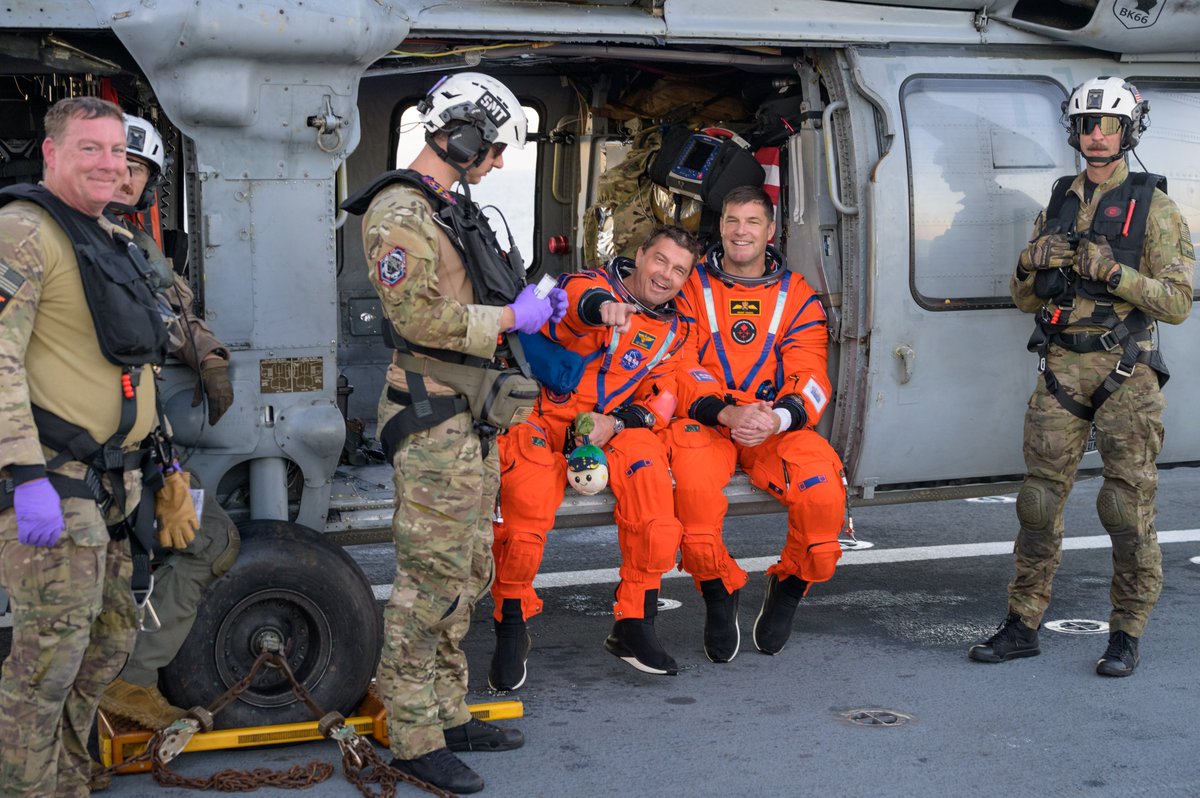
The Artemis II recovery team includes specialists from the U.S. military alongside engineers and technicians from NASA and Lockheed Martin.
@I_amDorcas The old Space Shuttle could land like an airplane, but it was far more complex and risky in many ways. Capsules are simpler and more robust, which is why NASA returned to that design for deep-space crew missions.
@I_amDorcas The reason is mostly safety, simplicity, and mass efficiency. For Moon missions like Artemis, #NASA uses the Orion capsule, which is built for high-speed re-entry and ocean splashdown, not runway landing.
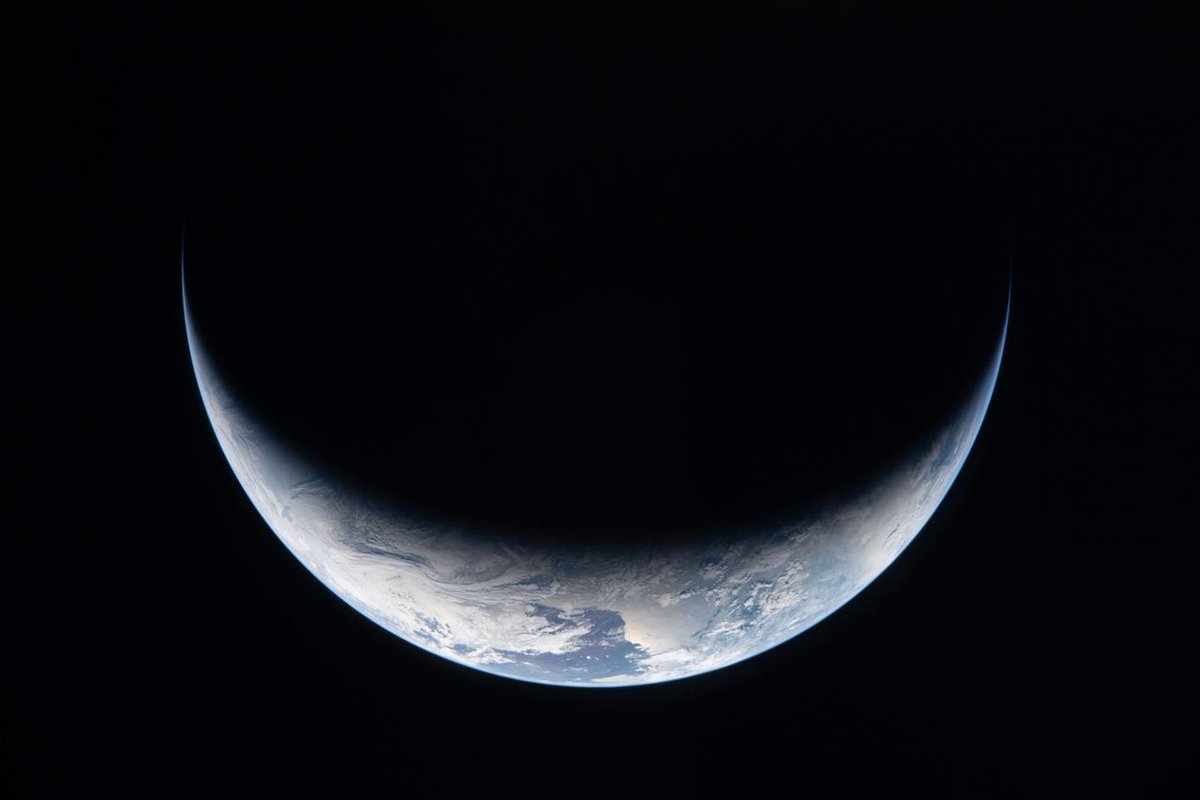
They're halfway home.
The Artemis II astronauts have hit the "halfway" mark between the Moon and the Earth. They will splash down in the Pacific Ocean around 8:07 pm ET on Friday, April 10 (0007 UTC on Saturday, April 11), off the coast of San Diego.