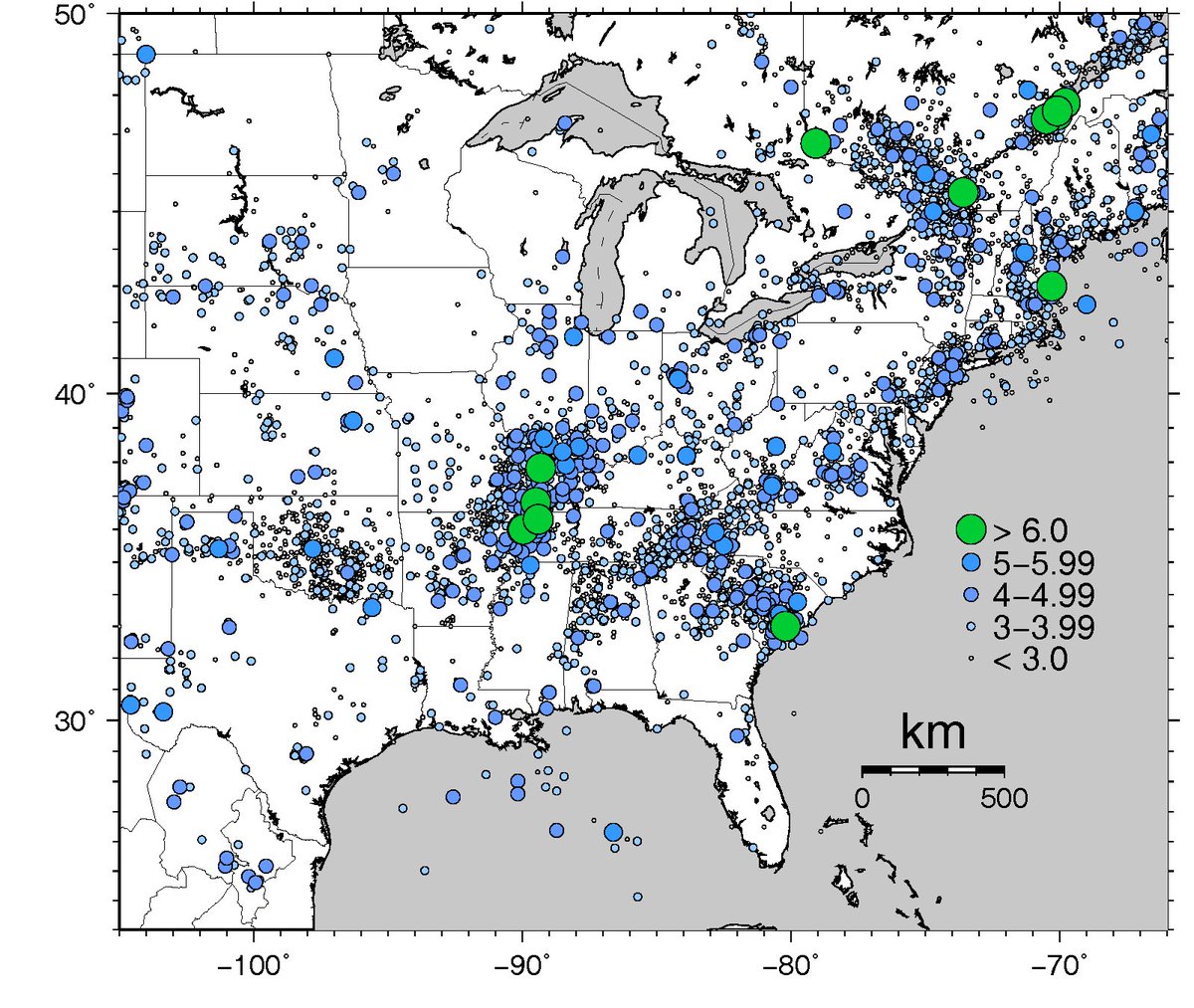
#EarthquakeReport for M 7.7 #Earthquake in #Burma
high intensity
sadly many casualties and fatalities
shallow slip
right-lateral strike-slip
Sagaing fault ~22 mm/yr slip rate
report forthcoming
background material in 2018 report:
https://t.co/mNs41cWKvy
https://t.co/QwlkbG1Sck
Mw 7.7 Mandalay Myanmar earthquake occurred today sourced at Sagaing. Earnest et. al., 2021 study indicated higher compressional environment towards the south, along the Sagaing Fault
#earthquake#Myanmarquake#Mandalay
https://t.co/7DzoT6ynWt
Amazing work. I did not know that some smartphones are equipped with dual-frequency GNSS to monitor the ionosphere. Mine (iPhone 15 Plus) is probably with single-frequency GNSS. Then, when will phase, rather than code, be available on a smartphone?
https://t.co/XOMIA7xtIy
A new #SRL editorial by @GFZ_Potsdam and @USC scientists argues that sea level rise driven by global warming will drive an increase in earthquakes in coastal regions, particularly where faults are already highly stressed.
https://t.co/1PQbBrCUJG
Stunned & saddened to hear that Paul Wessel passed away on March 26. Only 64. Such monumental contributions to science.
As a tribute to Paul, let’s see those GMT figs.
(Not my best but one I can put my hands on right this second)
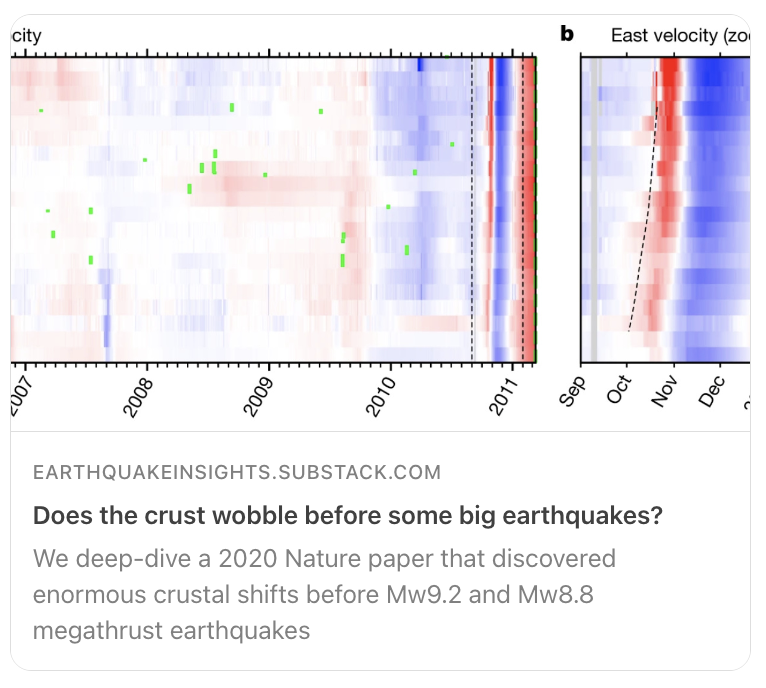
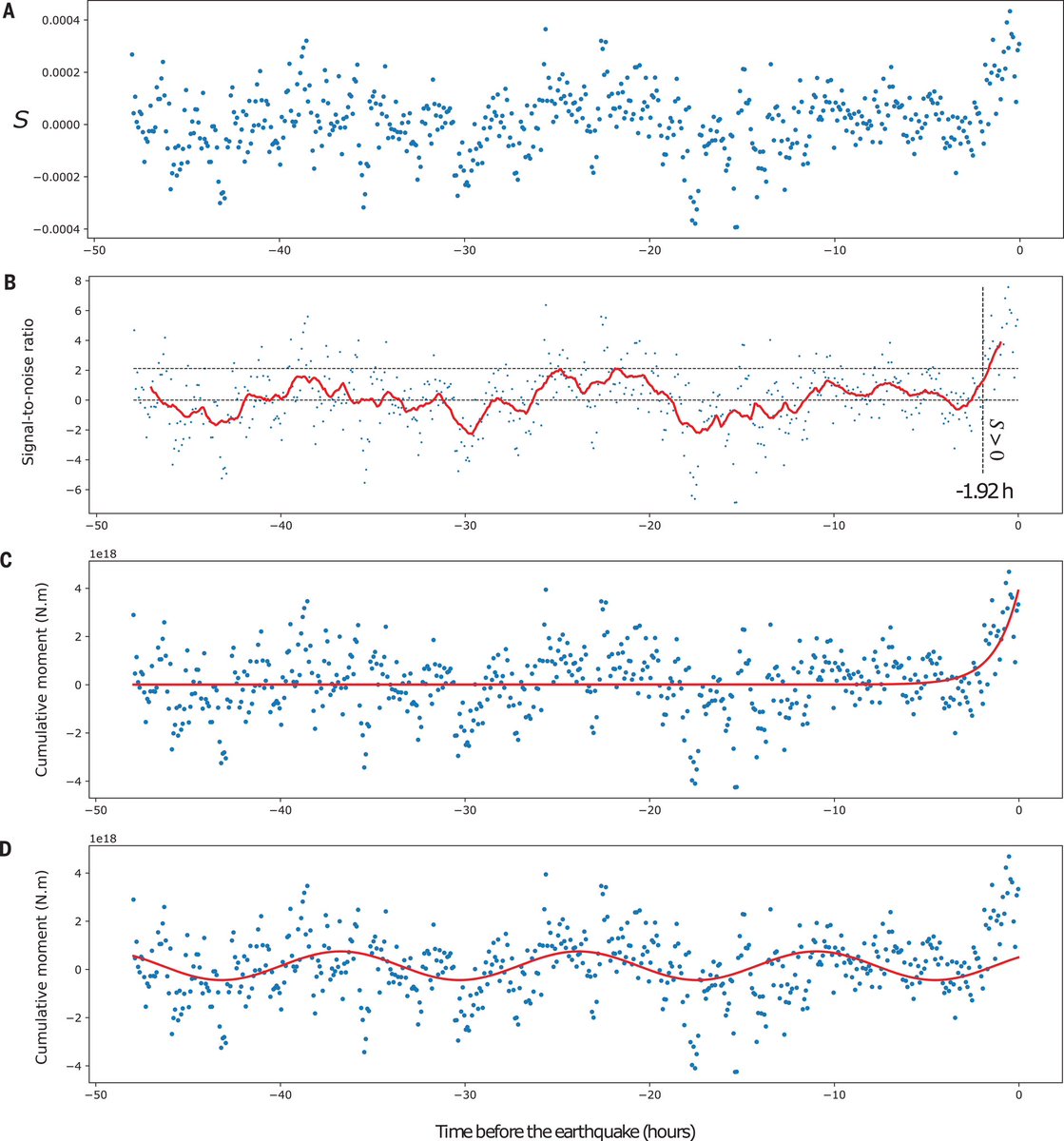
A 2020 paper published in Nature identified huge "wobbles" of the crust before two great subduction earthquakes.
Kyle Bradley & I revisit the paper; we find that the signal does not seem tectonic and is likely due to network-correlated noise in the GPS time series.
1/
The cluster of earthquakes located @NepalNsc comprises hundreds of aftershocks including 7 greater than magnitude 4 which triggered Nepal national seismic alert. The cluster is delineated here by the red dashed box.
This Scripps Oceanography seismologist uses supercomputing to break down the complexity of earthquakes. Meet Alice Gabriel (@InSeismoland) who works to understand how earthquakes start, how they move, and how they stop. Learn more about her research: https://t.co/nfCAyrW70n
Your academic CV is NOT linked to your ability to make big discoveries.
▫️
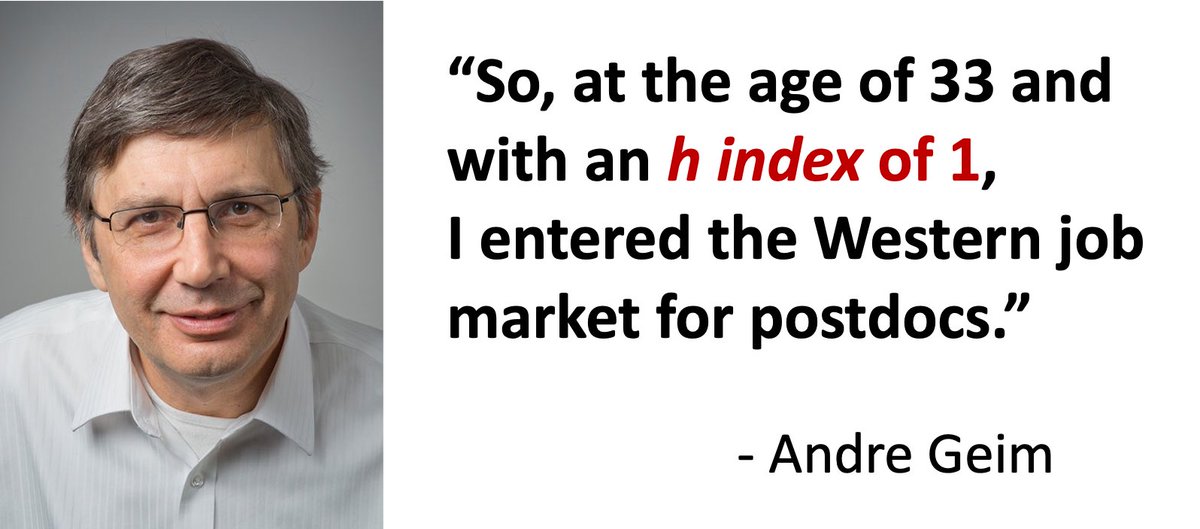
1. Andre Geim, a co-discoverer of graphene, wrote in his Nobel Lecture article:
- “So, at the age of 33 and with an h index of 1 (latest papers not yet published), I entered the Western job market for postdocs.”
2. Albert Einstein searched for a teaching position for two years. He had to accept a position at a Patent Office, where in a single year he wrote the four papers that completely revolutionized #science (the photoelectric effect, Brownian motion, special relativity, and E=mc2).
- Only few years later, he finally secured his first academic position as lecturer at the University of Bern.
▫️
Other examples include Peter Ratcliffe and Frances Arnold, who won Nobel Prizes for the discoveries they made as young PIs in newly established labs. And many others.
▫️
So, let us all keep in mind that:
1. Big discoveries are often unforeseen. They emerge from random and risky research (e.g. graphene was a tiny side project!). Make sure you have such projects in your lab.
2. Most truly impactful discoveries did not require high h-indices, excessive funding or a high-IF journal.
3. Rejection of your proposal does NOT mean it proposes bad science. Such rejections represent the opinion of one person who has a rather subjective idea of what ‘good science’ means.
4. For younger people, it’s easier to do risky research. Locking them to unnecessarily complex tenure requirements makes such discoveries unlikely.
▫️
A strong scientist is not defined by high “academic metrics”.
It is the ONE who proposes risky endeavors outside the conventional boundaries.
Who sees risk as an opportunity to make discoveries.
And who is constantly seeking out these risks in the lab.
#AcademicTwitter #AcademicChatter
Mangroves are natures own disaster manager. Just 20 seconds to understand how it protects us from Tsunami, Cyclones & storms. Today is #MangrovesDay.
Courtesy; Dutch research institute Deltares.
Interesting observation of potential slow slip precursors before larger earthquakes in new Science paper https://t.co/Z11FW5UWGa but Dr. Lucy Jones is making some excellent points in this article https://t.co/wI9KjGzXRK
The M7.2 earthquake late Saturday night occurred in the same region as several other earthquakes over magnitude 7 in the past few years. The once quiet "Shumagin Gap" isn't so quiet anymore! https://t.co/JLQv791xfC
Injections are interesting - this core has one filled with sand! A sand injection form when hardened sediments develop a crack and it fills in with sand. Over millions of years, these sediments became rock. #Exp395#IODP
#EOSsg launched its first #GNSS station to monitor land-height and sea-level changes in #Singapore.
It is located at Lazarus Island, and is part of a collaboration with Singapore Land Authority.
Read more details below.
https://t.co/lVX6c0ATQ2
@jxli42 and colleagues use telecom fiber optic cables to determine earthquake faulting orientation, an important parameter to understand earthquake-stress interactions @CaltechSeismo https://t.co/uCRfSyfe4Z