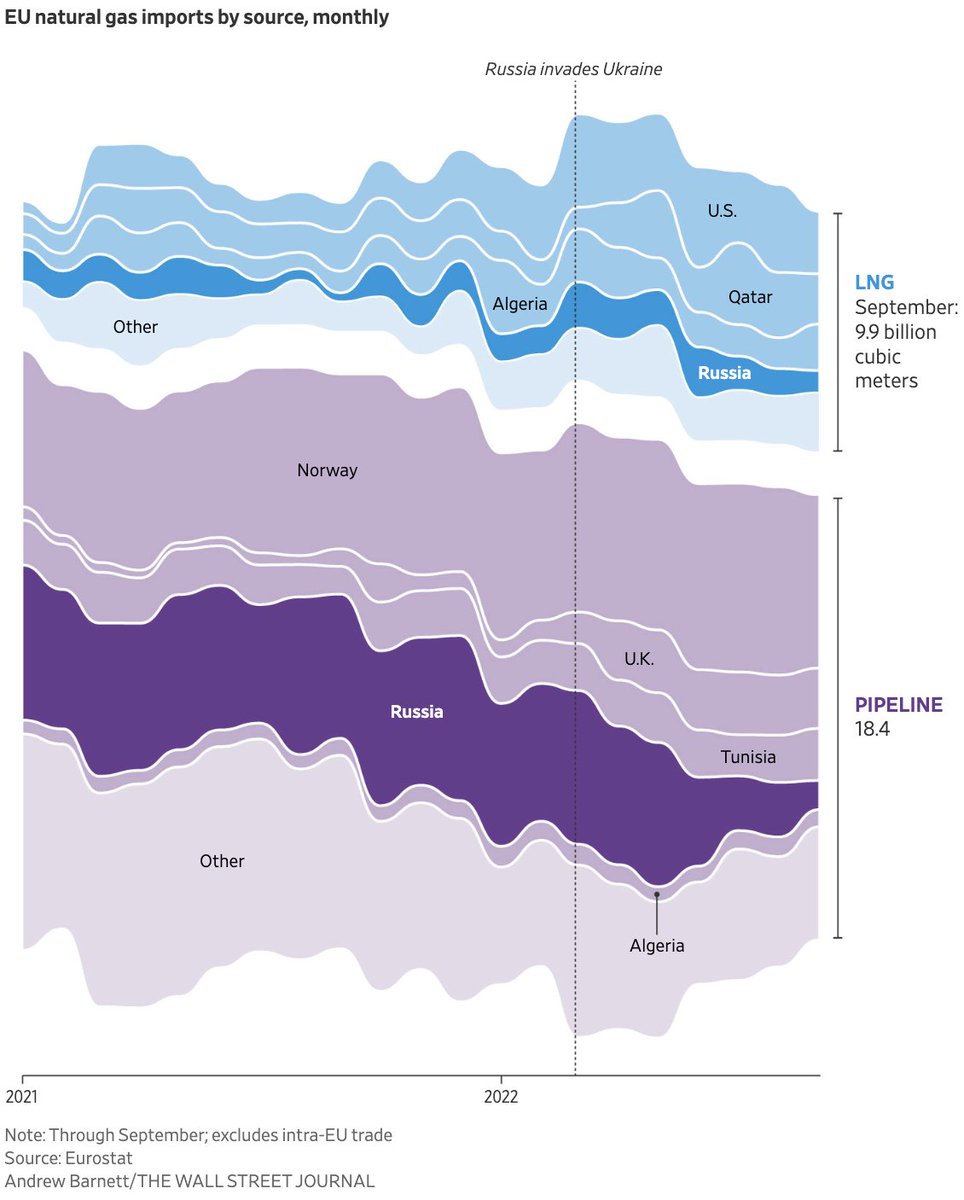
Where has Russia gained momentum on the battlefield? How could it struggle to sustain it? Here are five maps and charts to show what's happening. 🔗 https://t.co/u165EOBJc9
Today marks four weeks since our colleague and friend, Evan Gershkovich, was detained in Russia.
We continue to stand with Evan and his family in seeking his immediate release. #IStandWithEvan
https://t.co/77Hpb0aEgS
Arrested and held in Russia the past four days. The @WSJ condemns this act and denies in strongest terms any and all charges against him. He is an accredited journalist who was legally doing his job. Evan Gershkovich — Reporter at The Wall Street Journal #IStandwithEvan
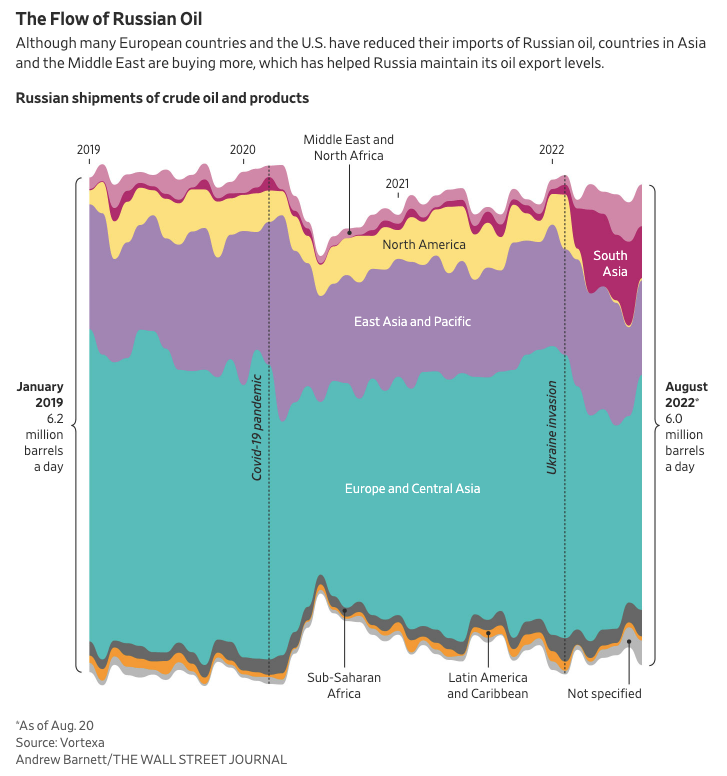
Western sanctions haven’t slowed the gusher of petrodollars to Moscow. Nice work by @andos234 showing Russian shipments of crude oil and products are at pre-invasion levels, with countries in Asia and the Middle East buying more as others buy less. https://t.co/VYSny29693
Consumer perception of economic conditions in December was almost even with the pandemic low levels https://t.co/yXCKX39z7W via @WSJ@DannyDougherty@andos234
One reason it's hard to forecast the monthly jobs number: the federal government is having a harder time collecting data. Another: volatile shifts in the labor market and consumer behavior. Latest w/ @JMitchellWSJ, @andos234, Peter Santilli https://t.co/V7m3KXHbD5
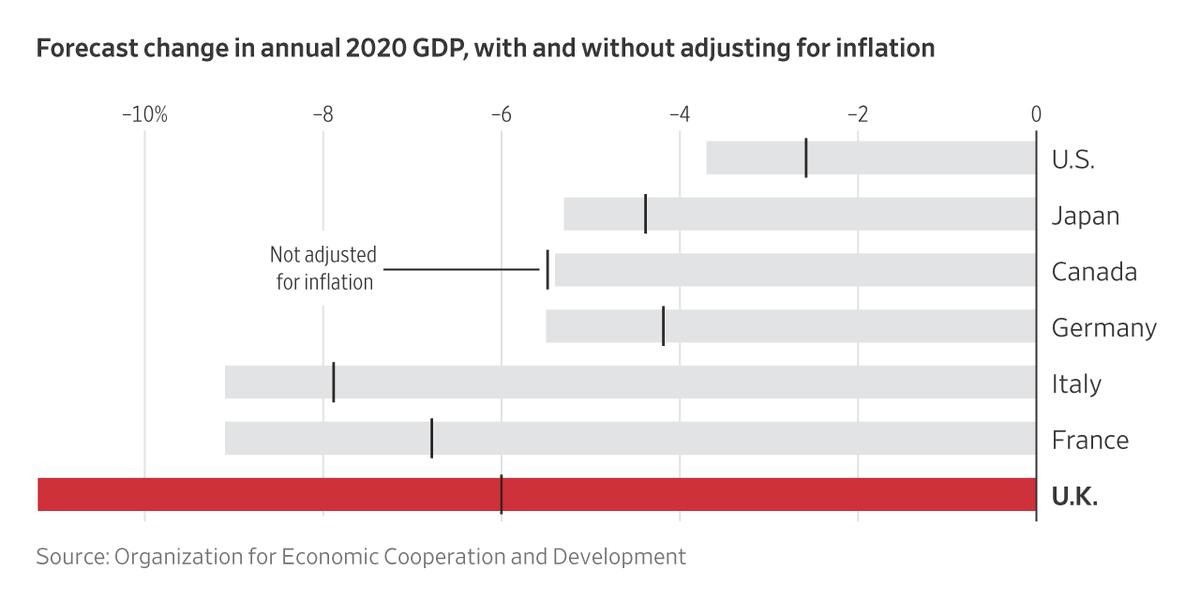
U.K. economic growth was weak going into the pandemic because of feeble business investment amid Brexit uncertainty. Once the coronavirus set in, the economy shrank by more than its peers. https://t.co/ULBfVa8Bih