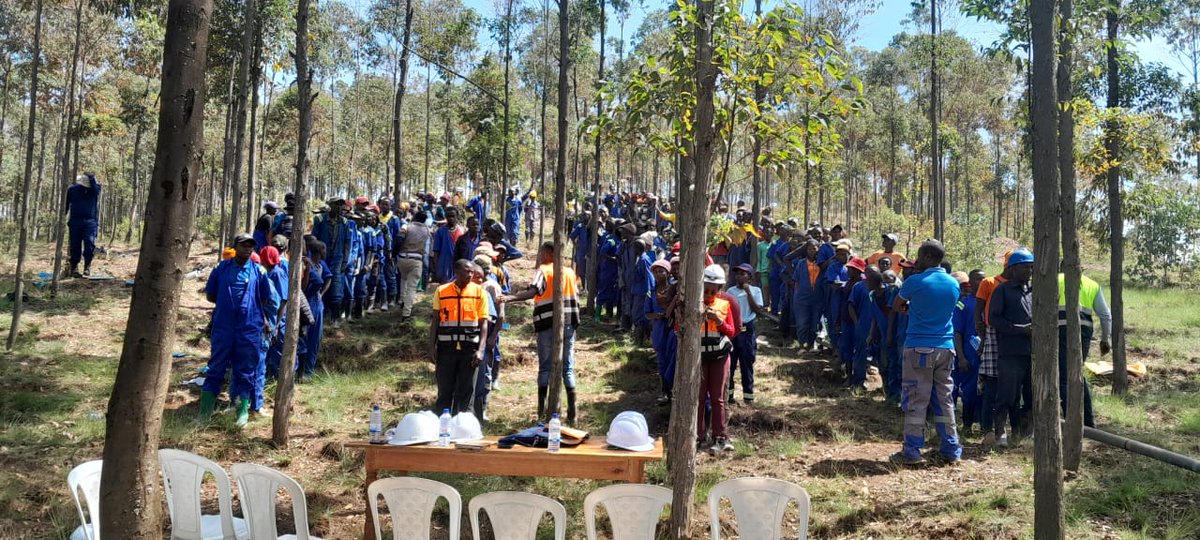
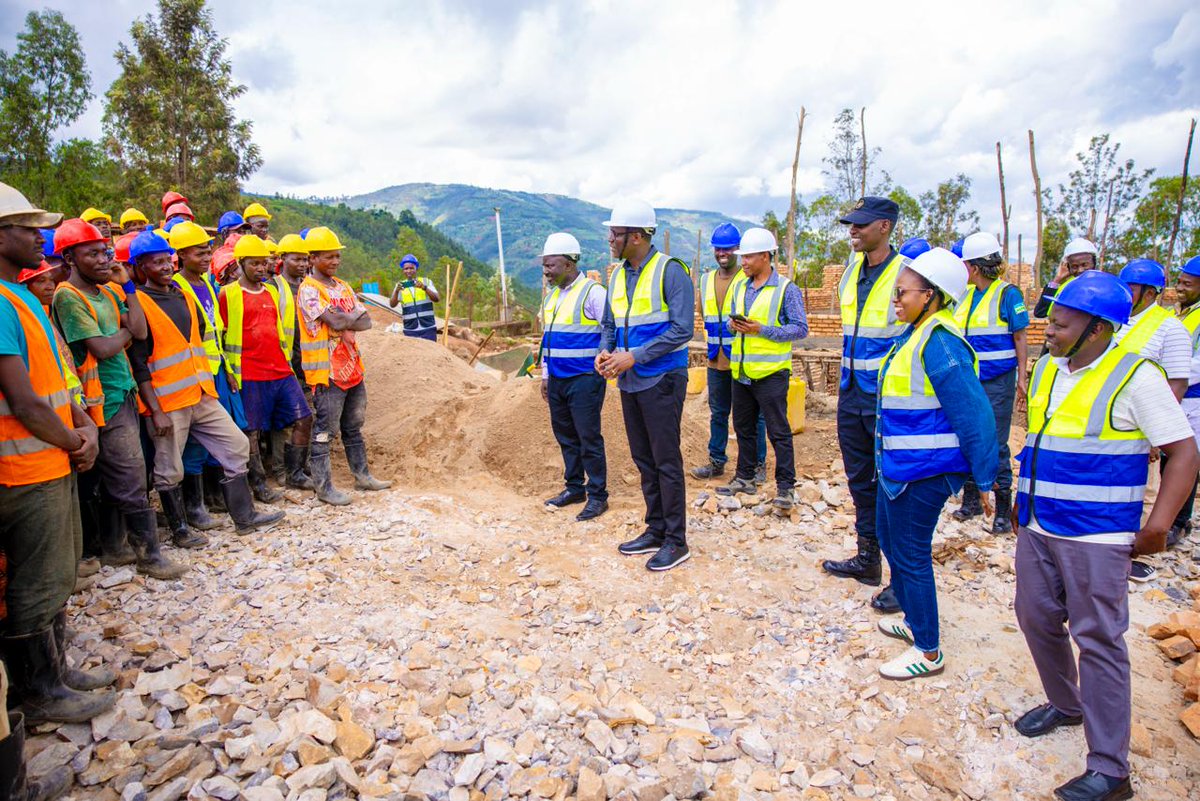
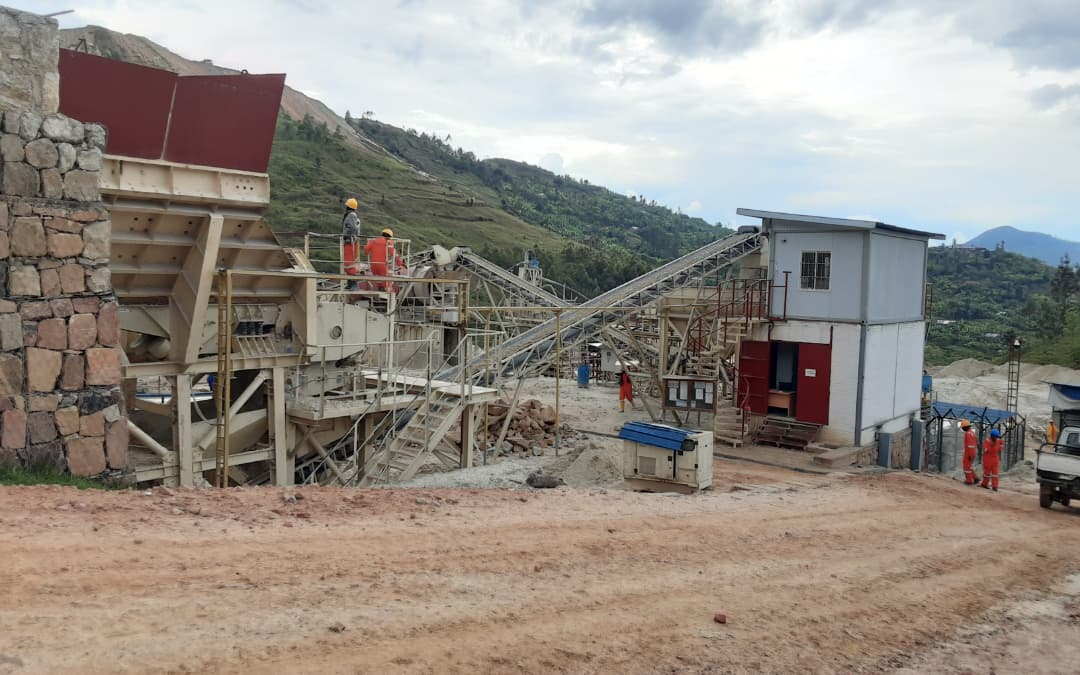
⛏️ “It is really fun to go in the mine and see mining crews doing their job and see what Rwanda was doing on the front, what Trinity Metals was doing.” — Frank Garcia.
Following his visit to Trinity Nyakabingo Mine on 21 March 2025, alongside Congressman Ronny Jackson, Frank Garcia, Assistant Secretary of State for African Affairs, shared his experience in an interview with @CSIS .
🎥Watch the full interview HERE: https://t.co/49UyCp6lTR
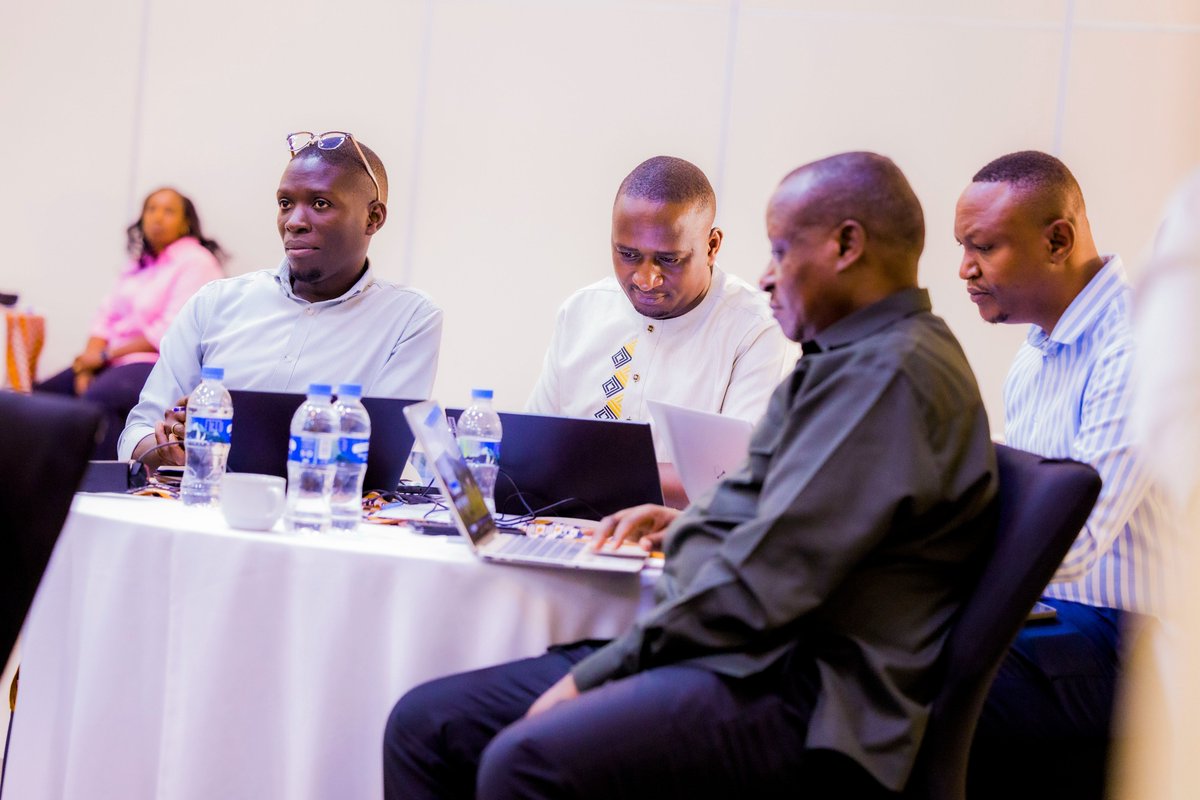
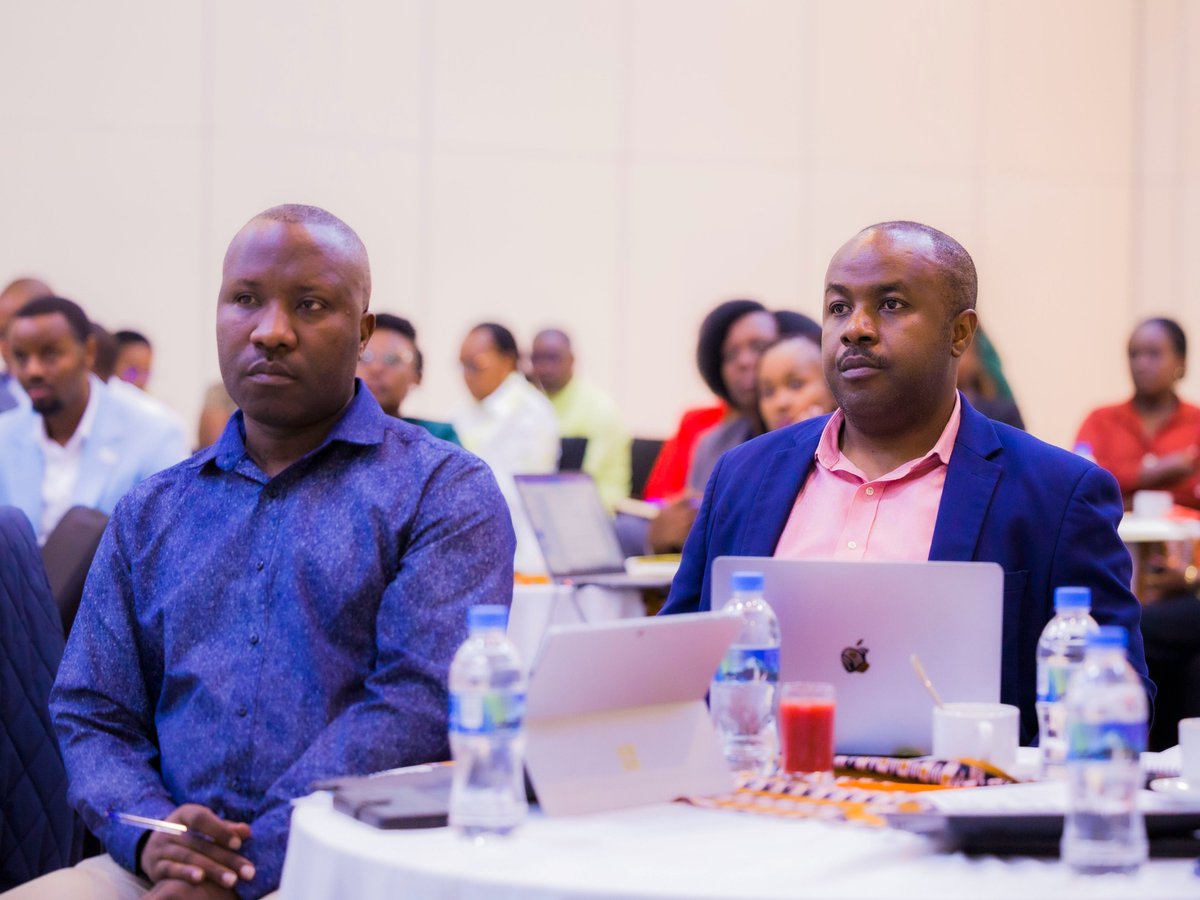
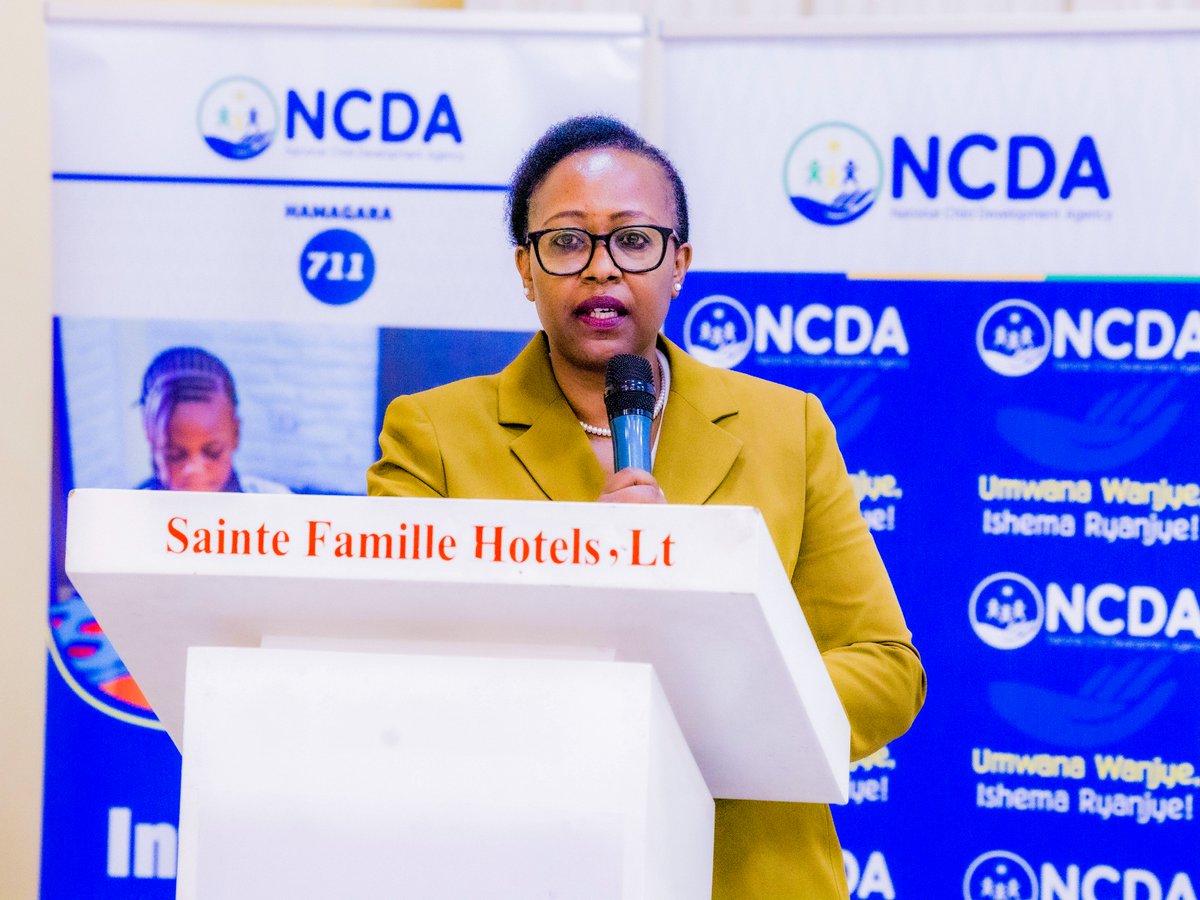
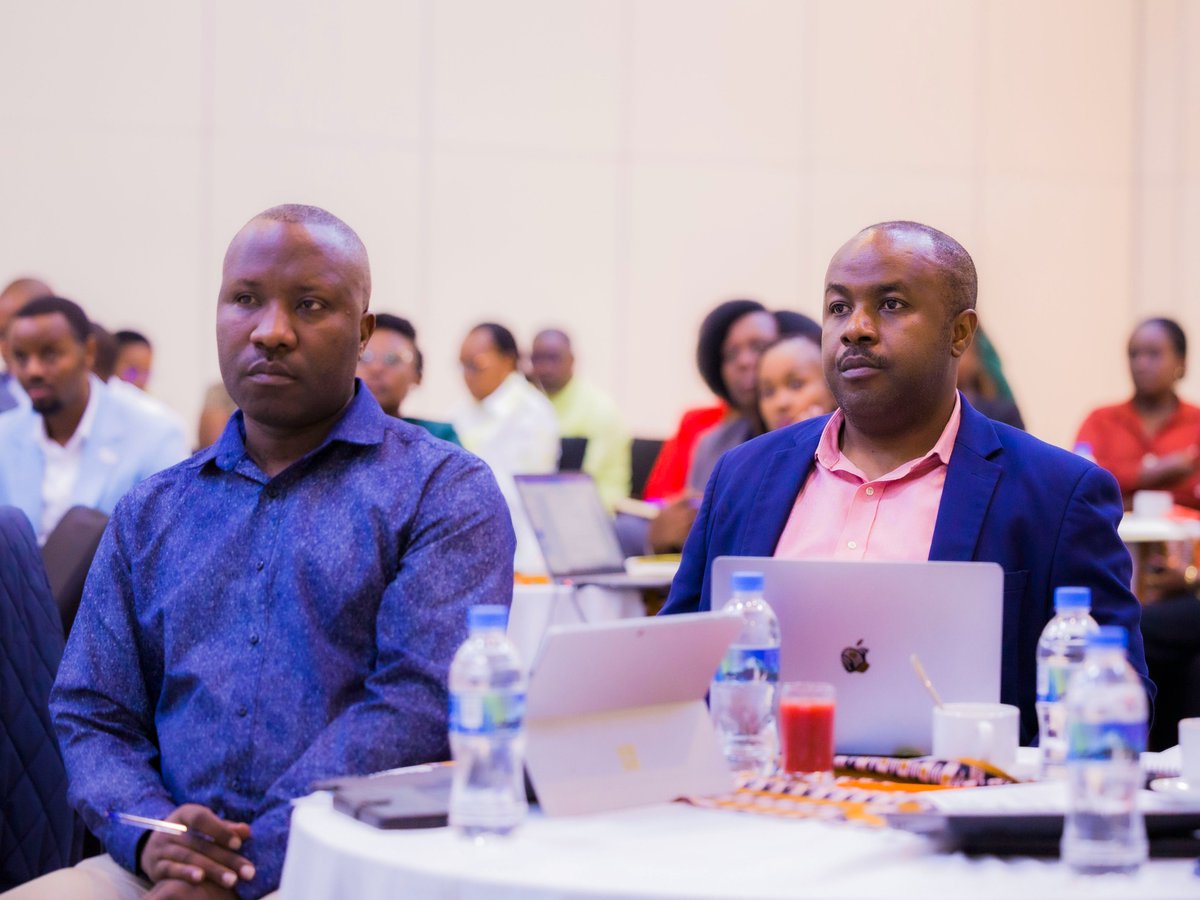
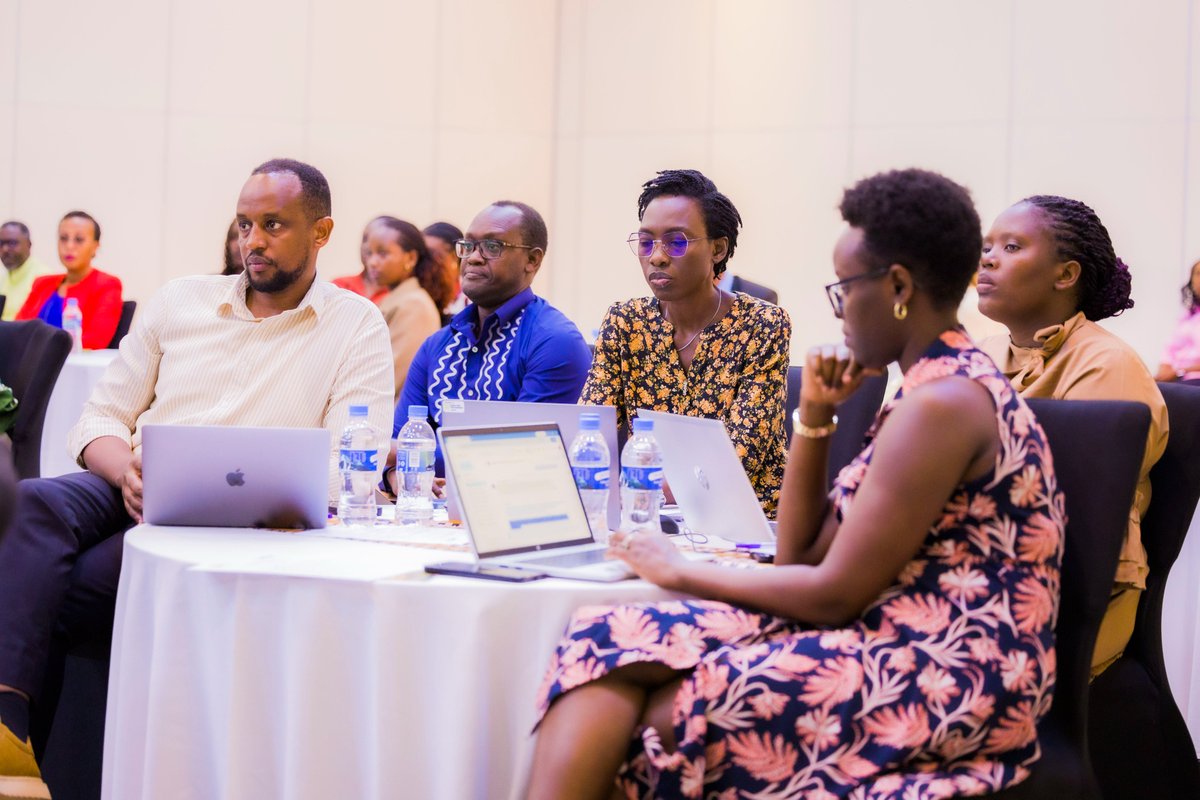
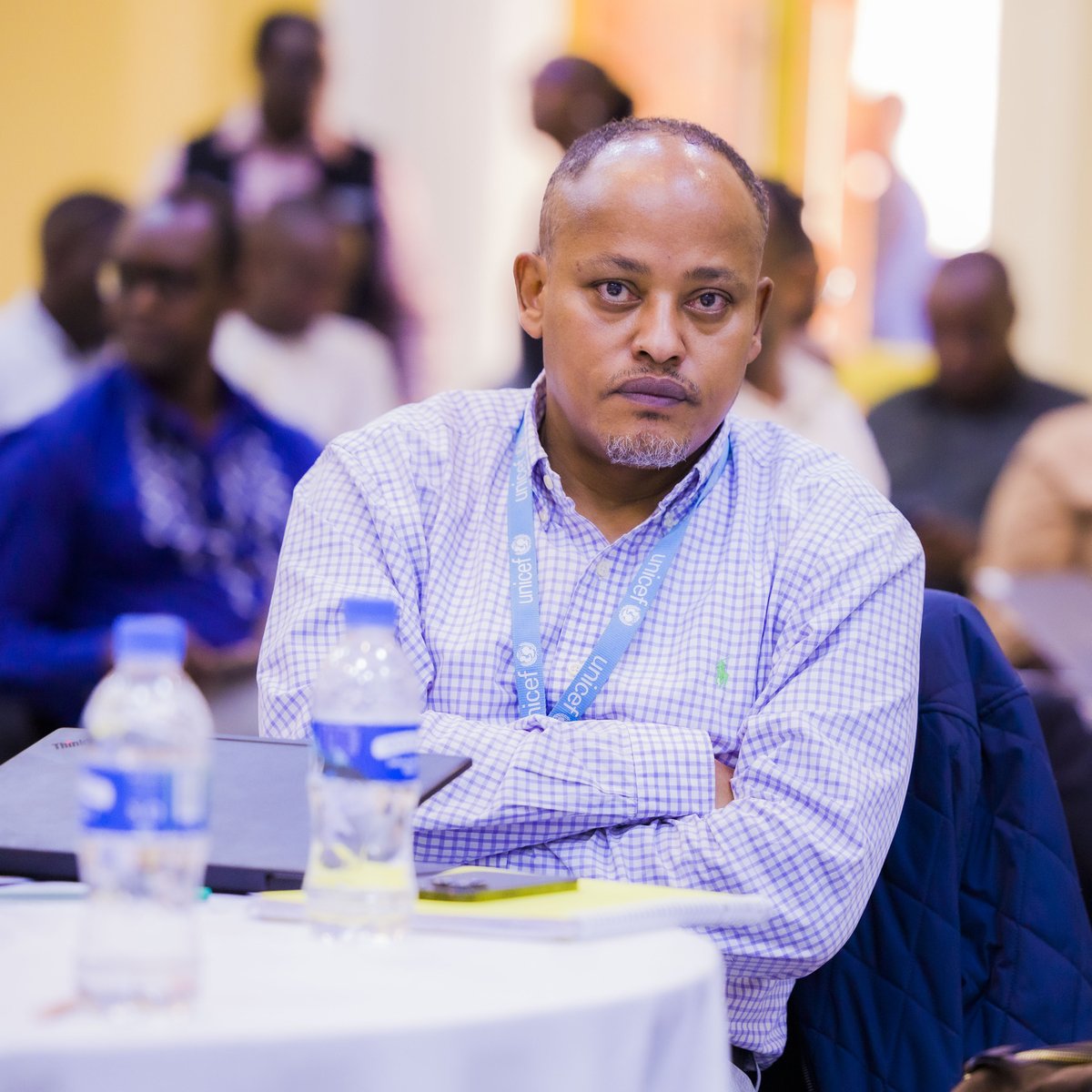
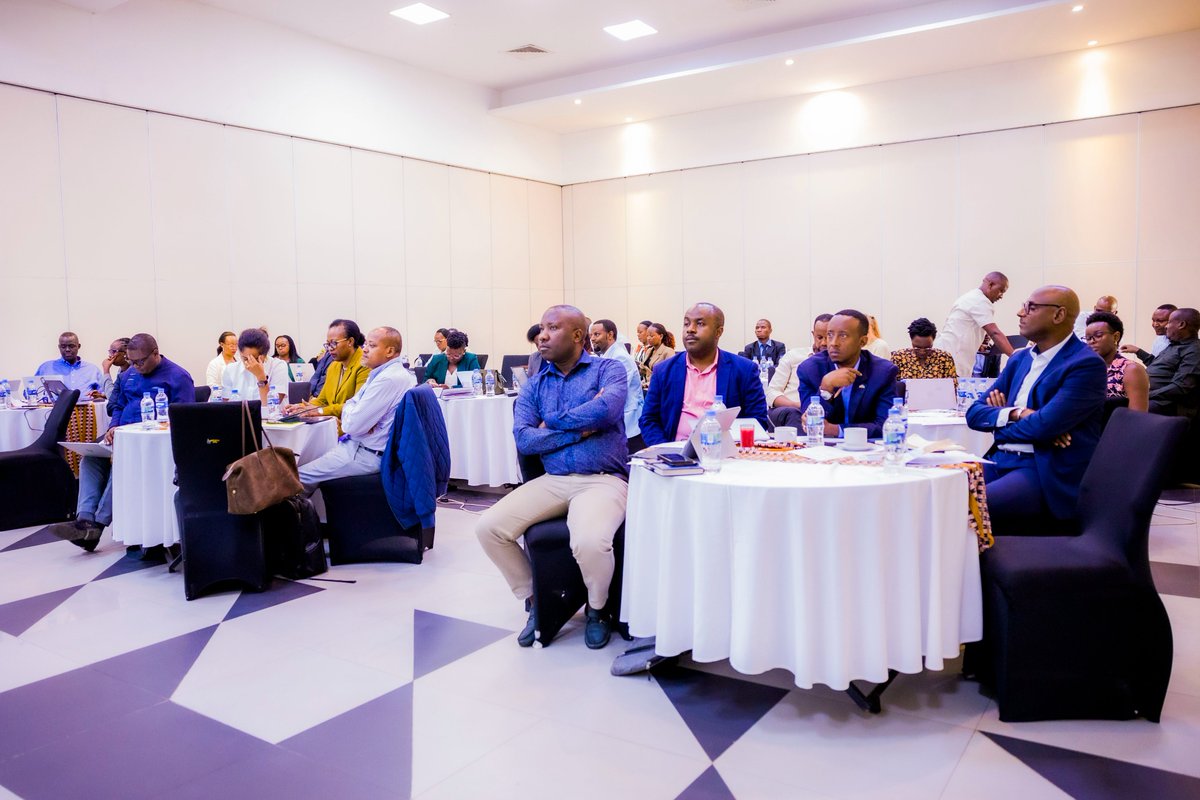
Speaking at the workshop opening, DG @iassumpta said the implementation of the updated Strategic Plan requires a collaborative approach that can be done through innovative financing and public-private partnerships.
Pierre Jentgen a écrit dans la Notice de la carte du Rwanda-Urundi (Bruxelles, Académie royale des Sciences coloniales, 1957-1958, 7 p.) que le tracé de la frontière du Rwanda-Urundi avec le Congo fut ébauché par la convention conclue en Allemagne le 8 novembre 1884, puis précisé par la convention de Bruxelles du 11 août 1910 ; à la même époque fut aussi fixée la frontière du Rwanda avec l’Ouganda (le Bufumbira). Les cartes furent modifiées et les frontières entre le Rwanda-Urundi et le Congo belge définitivement établies en présence des Allemands, des Belges et des Britanniques. Entre 1909 et 1911, après les travaux d’explorateurs pionniers — surtout Henry Morton Stanley (1875-1889), le docteur Oscar Baumann (1892) et le comte Gustav Adolf von Götzen (1894) — ainsi que ceux des commissions d’ingénieurs topographes germano-belges qui ont arpenté, mesuré et borné le terrain, le tracé de la frontière orientale entre le Rwanda-Urundi et le Congo fut fixé en 1910 à Bruxelles par les diplomates. Il suit les Virunga, le lac Kivu, la Rusizi, le lac Tanganyika et les hauts plateaux. La Belgique avait présenté aux Allemands de nombreuses possibilités de commerce et d’accès aux ressources du Congo pour obtenir la concession de territoires rwandais. L’acte de Berlin a créé un cadre juridique de l’État du Congo, mais non les contours précis de l’Est du Congo (Masisi, Bunyabungo, île Idjwi, hauts plateaux, île Bwari, etc.) ; leur rattachement formel au Congo relève des accords bilatéraux germano-belges de 1910. Quant au Gisaka, intégré complètement au royaume du Rwanda en 1854 après plusieurs guerres, il fut cédé aux Britanniques par l’accord secret d’Orts-Milner en 1919, après la Première Guerre mondiale, avec une grande partie de l’ancien Gisaka et le Buganza. Les Britanniques exigeaient cette bande pour le projet de chemin de fer Le Caire-Le Cap, qui ne verra pas le jour. Ce découpage provoqua de fortes résistances locales, notamment du mwami Yuhi V Musinga et de missionnaires, surtout Mgr Joseph Hirth et le Père Joseph Barthélemy. La rétrocession de la bande du Rwanda à la Belgique intervint au milieu des années 1920. Le Bugufi du Burundi lui restera, jusqu’aujourd’hui, dans le territoire britannique. Voilà comment nos frontières ont été secouées par les humeurs de nos chers Occidentaux. C’est là l’œuvre civilisatrice qu’ils ont apportée à cette région des Grands Lacs, où l’appartenance des gens à la nationalité est parfois niée. Photos de Léopold II
NCDA and partners are validating the 'NCDA Strategic Plan 2026–2030', and the 'Revised National Early Childhood Development (ECD) Policy 2026'.
The two documents will guide efforts to shape a future where every child in Rwanda is protected, nurtured, and empowered to thrive.
𝐑𝐰𝐚𝐧𝐝𝐚, 𝐔𝐒 𝐟𝐢𝐫𝐦 𝐩𝐚𝐫𝐭𝐧𝐞𝐫 𝐨𝐧 𝐭𝐮𝐧𝐠𝐬𝐭𝐞𝐧 𝐩𝐫𝐨𝐜𝐞𝐬𝐬𝐢𝐧𝐠, 𝐜𝐨𝐥𝐥𝐞𝐜𝐭𝐢𝐨𝐧
• Rwanda and US-based Almonty Industries have formed a strategic partnership to advance tungsten collection, processing and exploration in the country.
• Rwanda will hold a 25% stake in Almonty Rwanda, while Almonty will own 75%, with Rwanda contributing the Shyorongi tungsten exploration concession and a mineral processing licence.
• The joint venture will initially collect and export ore, pre-concentrate and panning tailings from existing mining licence holders before a collection and processing plant is built in Rwanda.
• The partnership is expected to introduce mobile processing, new exploration, international environmental and social standards, and training programmes for Rwandan workers.
• Rwanda is the only African country among the world’s 10 largest tungsten producers, with tungsten used in defence and advanced technology industries.
https://t.co/XowqiTYKWx
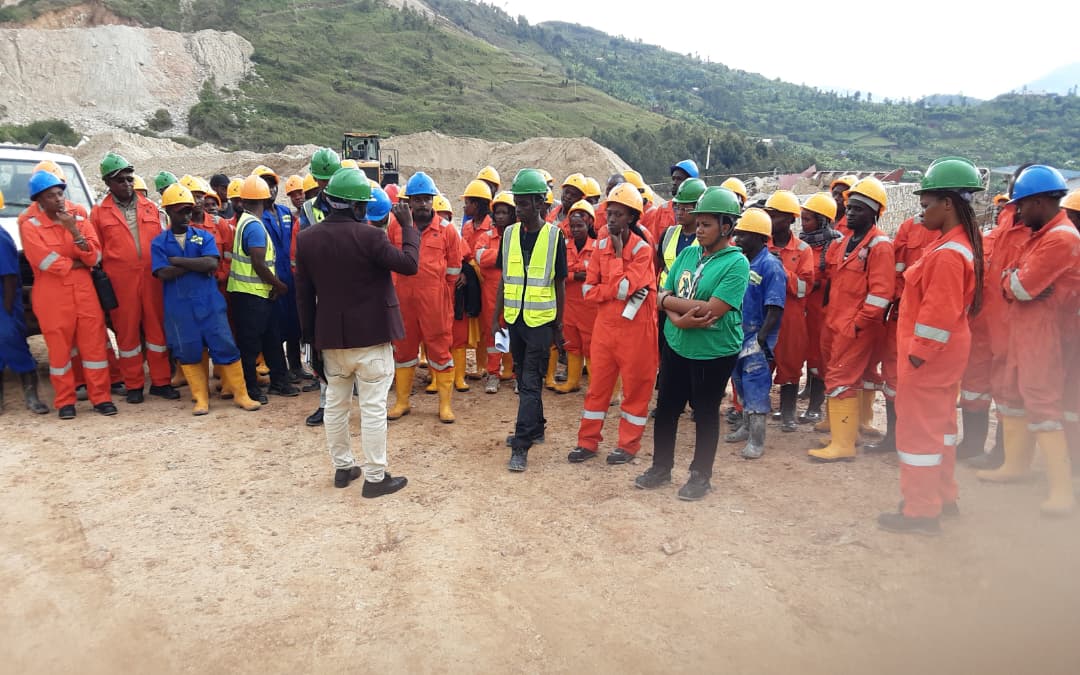
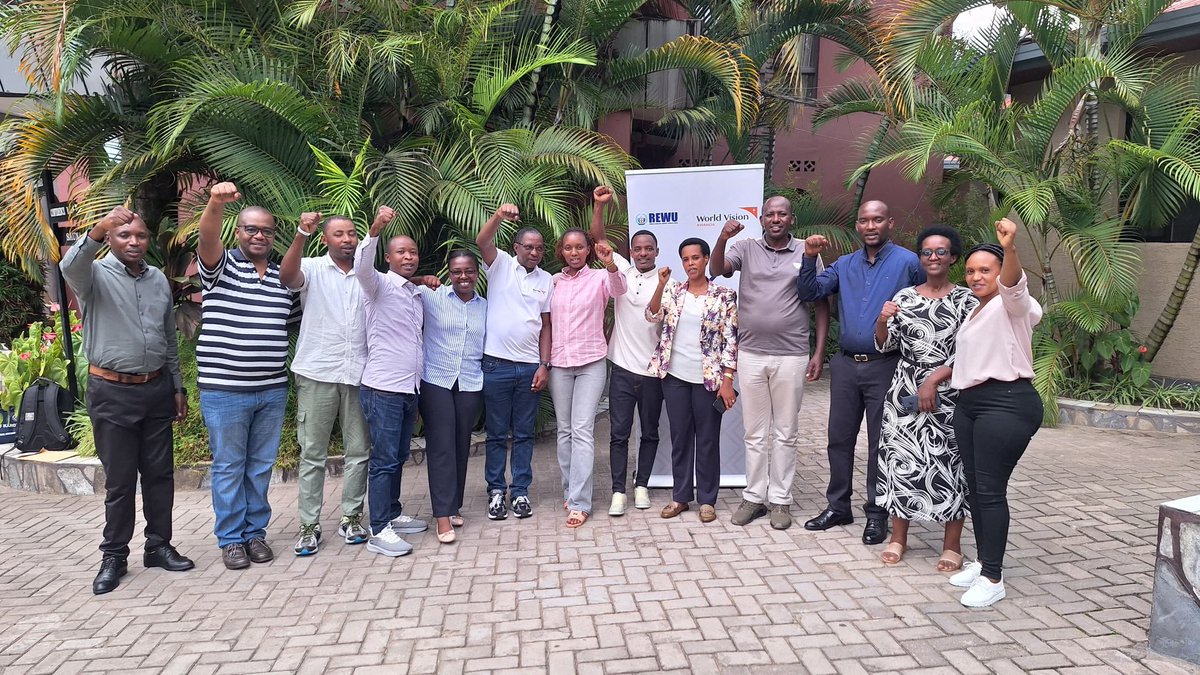
On Friday, January 23, 2026, leadership from @RewuRwanda held a strategic meeting with employees of IMC, a mining company operating in the @Muhangadis. Click to find more details: https://t.co/sQSxOWAS8D @RwandaMinesB@RwandaLabour@RwandaSouth
REWU, in partnership with @WVRwanda, conducted a Capacity Development & Capacity Building session on Child and Adult Safeguarding Behavior Protocols.
The session strengthened staff knowledge, skills, and accountability to promote safe, ethical, & rights-based working environments
*Mining Leaders Unite! ⛏️ REWU Trade Union wraps up a strategic retreat at Kivu Park Hotel in Rubavu, focusing on a decade of progress, strengthening unity, and charting a course for responsible, sustainable mining in Rwanda.* Read more here: https://t.co/C9el8LnvJY
Workers’ voices matter. 🤝 REWU visited POWER M in @NgororeroDistr & the results were strong:
✅ Workers committed to join the union
✅ New committee elected
✅ Demand for training, RPL certificates & fair benefits
✅ Employer requested follow-up for night shift workers
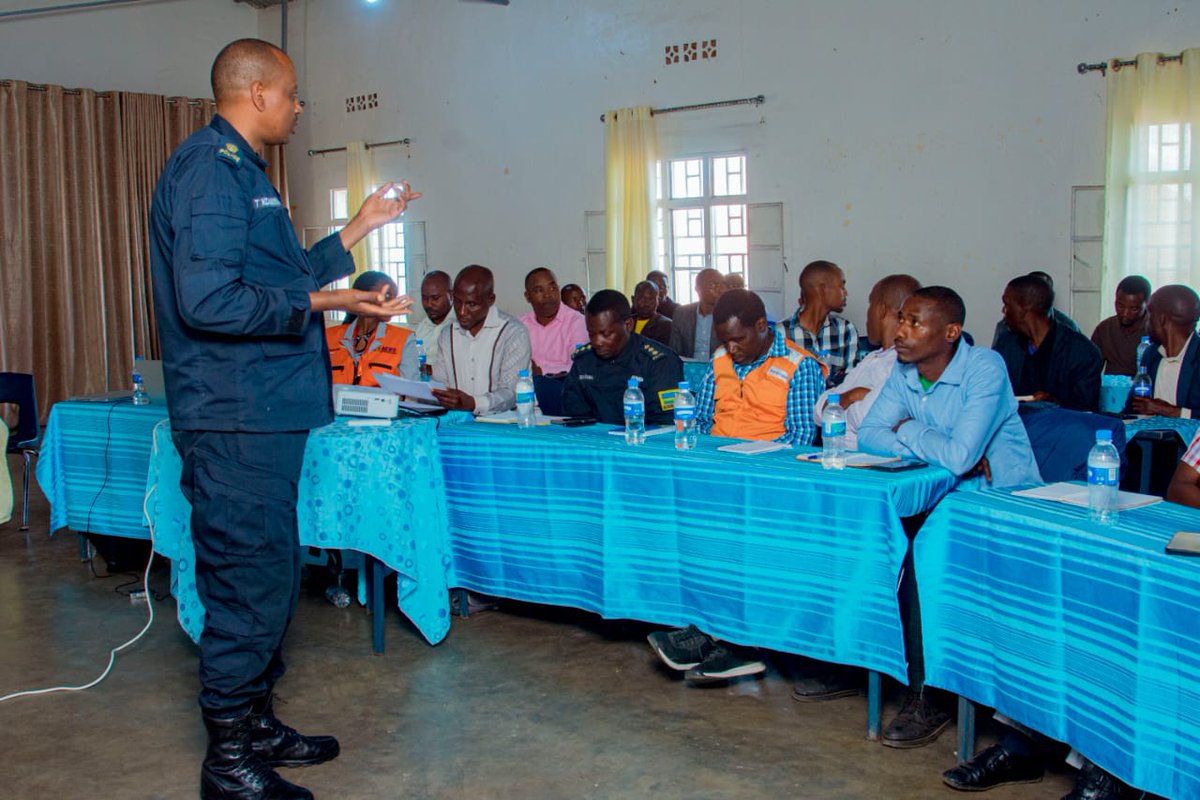
@RutsiroDistrict /Tunga Cluster held a reflection meeting on child protection and violence prevention. Leaders, @RewuRwanda@WVRwanda & partners called for stronger parenting, better reporting systems, ending child labor, and collective action to protect every child’s future.
Last Week’s Highlights
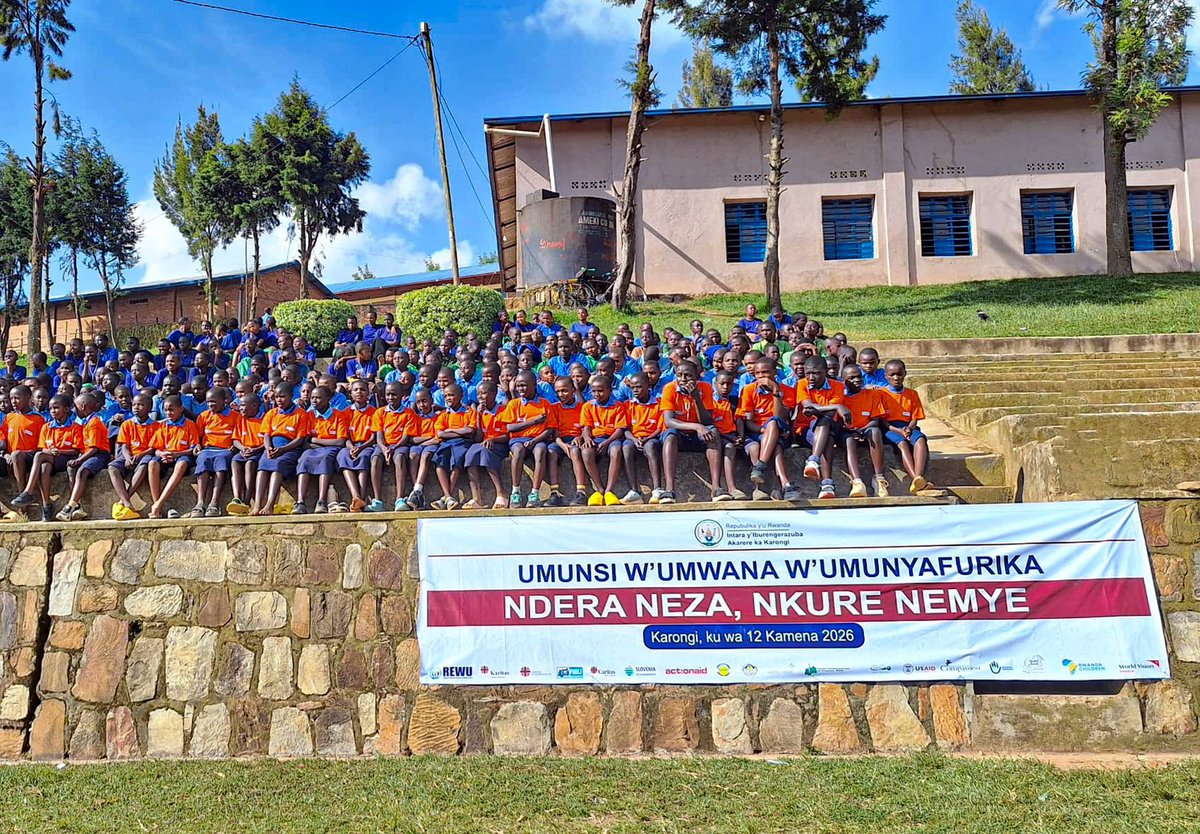
In collaboration with @WVRwanda , REWU took part in the celebration of the Day of the African Child with communities in @KarongiDistr, Rugabano Sector under the theme “Ndera neza Nkure Nemye.” Also participated in @RusiziDistrict Open Day.
#DAC2026
2/3 In @NgororeroDistr, development partners gathered to present their programs and services. The event concluded with recognition awards, where both REWU and World Vision were commended and recognized for their contribution to the district's development.
#THREAD
1/3 Last week, REWU, in partnership with @WVRwanda, participated in Open Day events in both Ngororero and Rusizi districts, showcasing community interventions, engaging stakeholders, and strengthening collaboration for sustainable local development.
in his remarks, REWU Secretary General @AndreMutsi60116 reminded workers that the bicycles are a result of REWU’s promise to advocate for their welfare, encouraging beneficiaries to use and maintain them responsibly as a tool for improving their livelihoods and productivity.
Adeodatus Sichoke, the Executive Secretary of @musha_sector, commended the initiative, noting that the bicycles will have benefits beyond the workplace. He highlighted that the bicycles will also support family activities such as farming, transporting produce among others.