having been raised by crusty linux laptops, i just can't use this OS in good conscious. I feel like a spineless class traitor every time i connect to a monitor or a bluetooth device on the first try
As @EuroSys_conf wraps up, we deeply thank the 64 volunteers that served in the AE committee.
Three were amazing and won the Distinguished Artifact Evaluator Award:
Andrés Sanchez (@andsanmar), Moritz Lumme (@m00wl), Konstantinos Papaioannou (@kon_papaioannou)
Congratulations 🥳
You found a classic stack-based buffer overflow, but you can't exploit it due to stack cookies. Fear not, we have the solution for you, in the post-Spectre era much more is possible: https://t.co/7QLxd9uQ0l
Hey, gadget search using symbolic analysis of binaries is effective as shown by Atri Bhattacharyya from @HexHiveEPFL (@EPFL_en) in #RAID20.
Check their SpecROP paper to learn about Speculative Exploitation of ROP Chains https://t.co/6Vf0nQVlzO
The preview video for our paper "Spectector: Principled detection of speculative information flows" is finally out https://t.co/jzGcIYu3tq
Talk on May 18 9:30AM PDT at @IEEESSP#SP20 😁
Joint work with @socialboris, @notjfmc, @andsanmar, and Jan Reineke
🎥@MarcoGuarnier1 talks about #SPECTECTOR, an automated technique for determining whether programs are vulnerable to a specific class of micro-arquitectural attacks called speculative execution attacks. https://t.co/RMVrwgJgWh
👥 @socialboris, @notjfmc, @andsanmar, Jan Reineke
Hoy #DíaInternacionalDeLaMujer reivindicamos el decisivo papel de muchas mujeres en el ámbito de la informática y cuyo reconocimiento llegó tarde o nunca. Aquí nuestro pequeño granito de arena. Gracias a las alumnas y profesoras de @informaticaupm . #8M#DíaDeLaMujer#8Marzo
@cgvwzq I consider Microsoft Academic (https://t.co/UKd02FLW3Y) as a very good source (and includes graphs!), e.g. in journals section you can select the topics and see the trends across the time.
We use automata learning techniques and program synthesis to automatically infer cache replacement policies from real hardware.
CacheQuery: Learning Replacement Policies from Hardware Caches https://t.co/WCxUneMecV
@pganty@MarcoGuarnier1 @socialboris
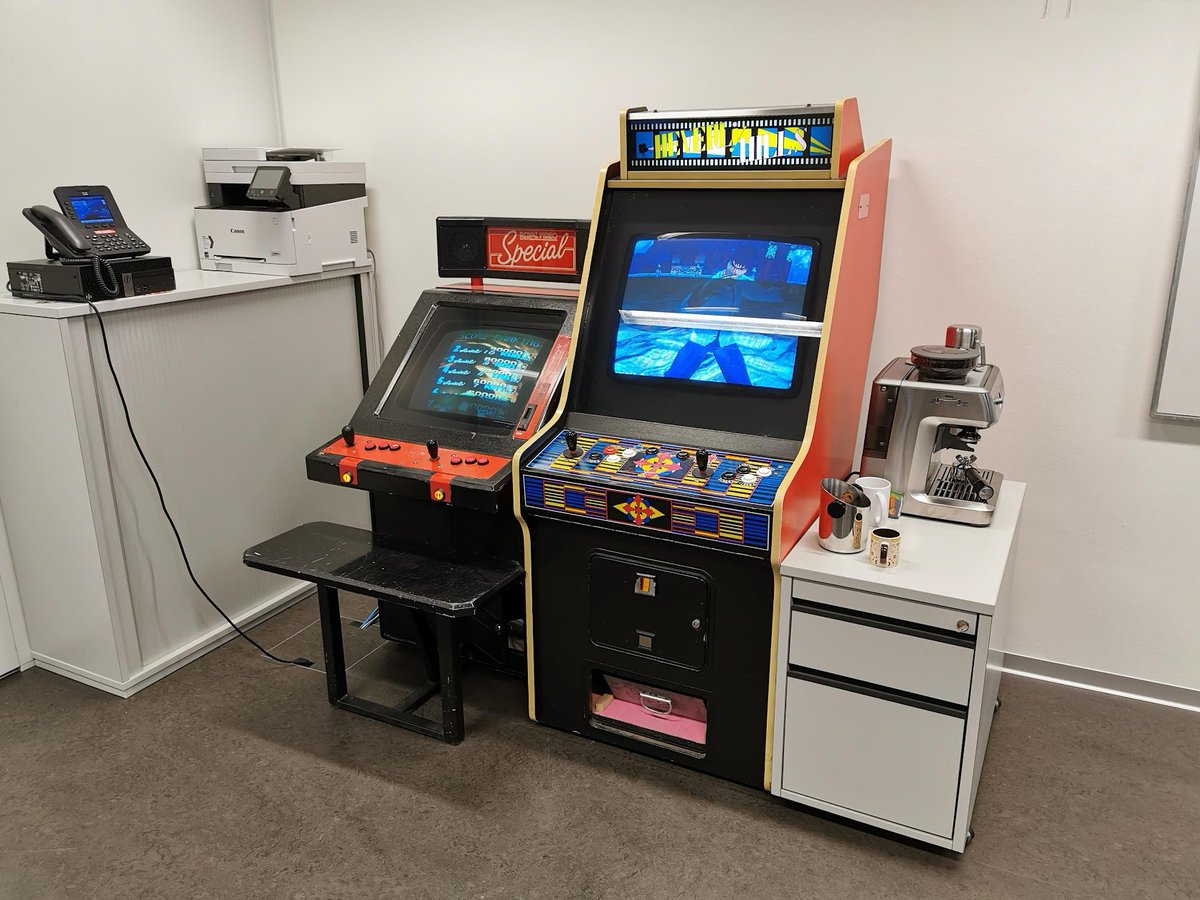
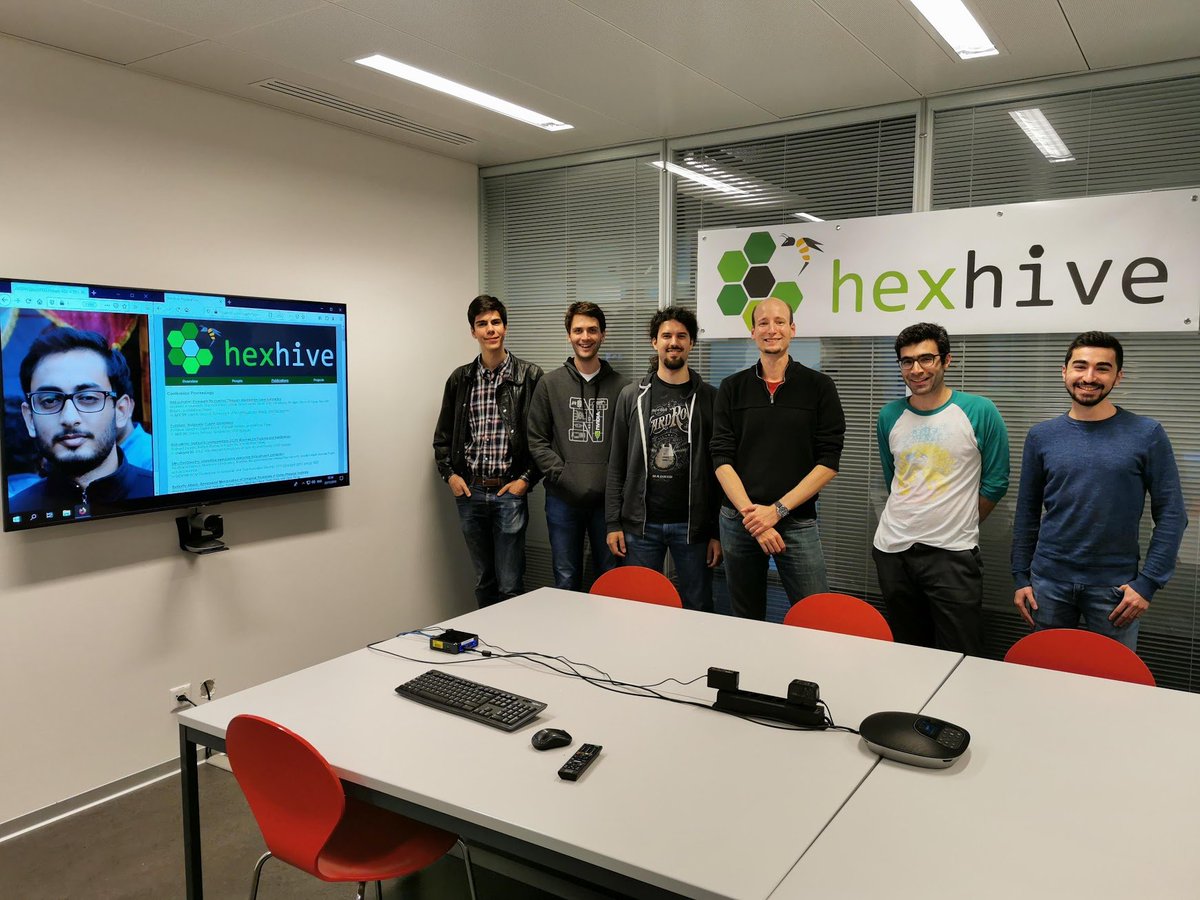
Interested in working on fun systems security research problems? The #HexHive@ICepfl@EPFL_en is hiring! We do software security (sanitization, automated testing, mitigations) and hardware security (side channels, GPU, firmware). There's great (free) espresso and retro games!
@ASPLOSConf@PoAnTsai I've worked in this project during my summer internship at the @MIT_CSAIL, knowing awesome people. I would want to thank everyone who has made possible to me to receive a grant from which this work results, specially people at @IMDEA_Software and @La_UPM
Glad to announce that our paper "The Security Pitfalls of Memory Hierarchy Compression: New Side Channels and Attacks on Compressed Caches" has been accepted at @ASPLOSConf 2020. Joint work with Daniel Sánchez, @PoAnTsai and Christopher Fletcher
@ASPLOSConf@PoAnTsai Existing software may be vulnerable to these side channel attacks with patterns commonly considered as secure, such as dropping all references to a memory location without overwriting its contents althought it won't be referenced again
@cowcreekgeek@Albertylaw@drynnk @WolfinSilver1 @intel You're appealing to specific techniques that humans have developed. These "greener" machines you talk about are the result of research and innovation. Humans will be able to create machines with extreme sophisticated behavior, and the characteristic is attributed to the machine.
@TheHylian12 @Albertylaw@drynnk @WolfinSilver1 @intel Well, we're no so far at all from doing a machine able to feel or give them related characteristics. I don't think it's going to be useful at all to give that abilities to a machine, because from a human perspective is no more than an academic exercise. Not the same as creativity