Reproductive history matters for cardiovascular risk.
A study of 1,500+ women found pregnancy complications, menopause, and other reproductive factors were associated with early heart attack risk, reinforcing the need for sex-specific risk assessment.
https://t.co/DhfODO38aw
@alaide_chief@MyUniSR@mmamas1973 Deeply grateful for your guidance and support, for everything you’ve taught me and for the example you’ve set throughout this journey 🫀
Preferred treatment of asymptomatic severe aortic stenosis is unclear. Guidelines recommend watchful waiting until symptoms occur, but a recent trial showed reduced mortality with early surgery. Research findings from the RECOVERY trial are summarized in a new Quick Take video. https://t.co/kBD5myJ6X9
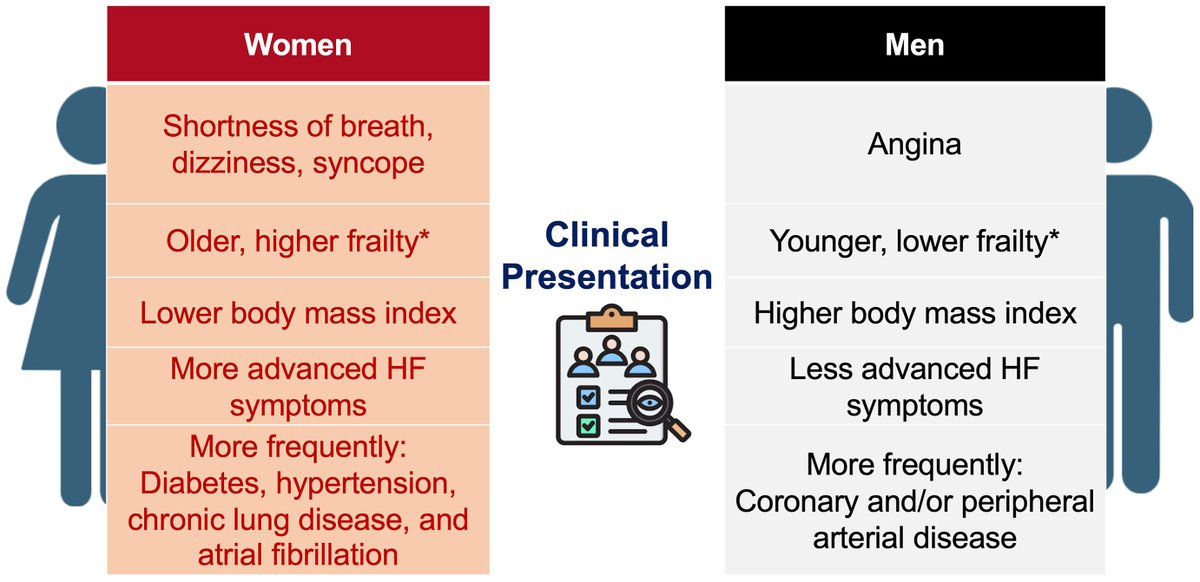
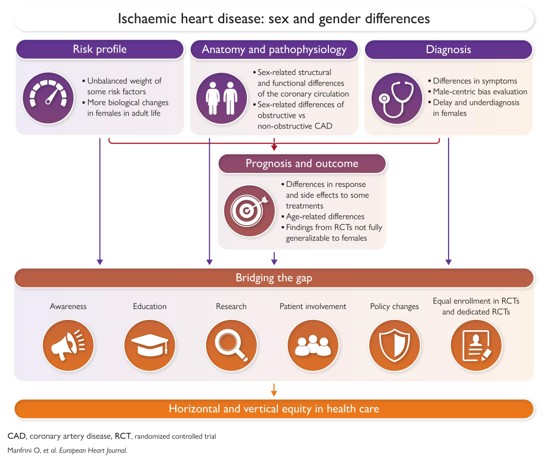
Women’s heart health remains at risk as gaps in sex-specific research, male-focused diagnostics, and low trial enrollment contribute to underdiagnosis and undertreatment.
Sex-specific studies are vital to advance care and equity in cardiology.
Read more: https://t.co/JiD7eXyoH8
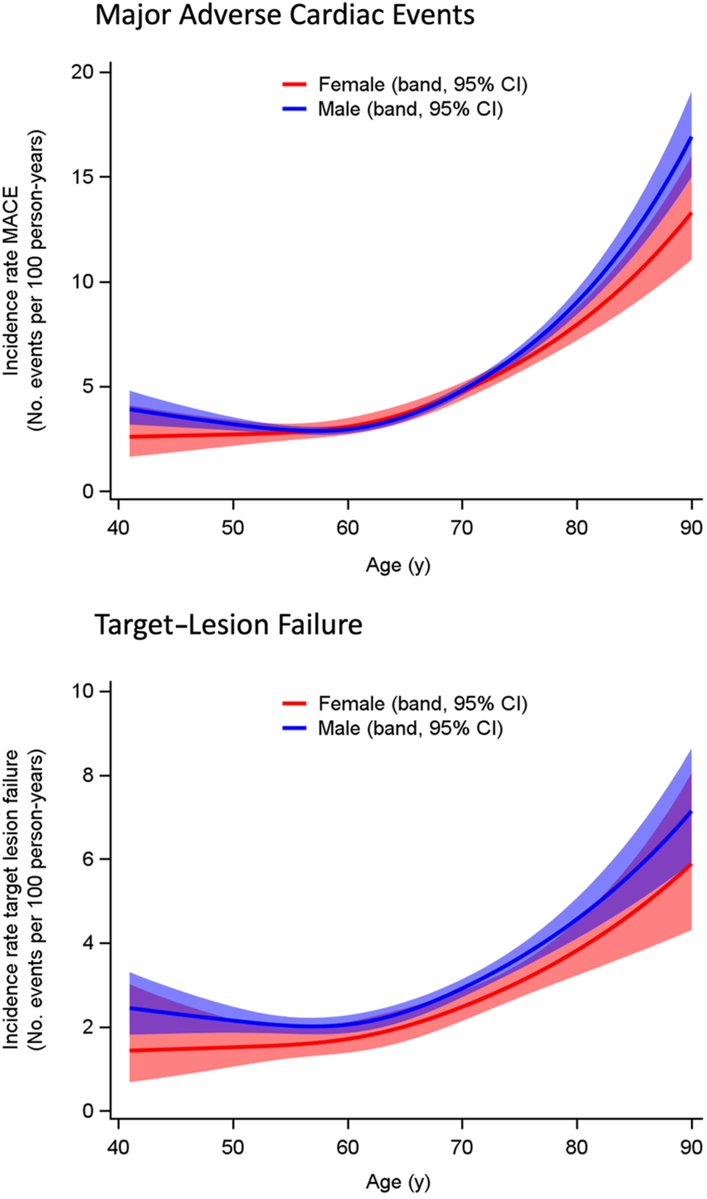
🚨 Analysis of 12,000+ PCI patients challenges long-held assumptions. Younger women (40–61) had better long-term outcomes than men, including lower mortality and fewer major cardiac events.
Yet women remain underrepresented in trials and practice.
https://t.co/fPSZqw9Ndo
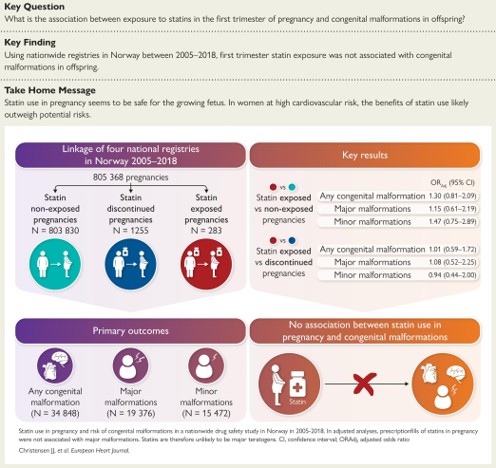
Data from 800,000+ pregnancies suggests 1st-trimester statin exposure was not linked to higher risk of congenital or cardiac malformations.
Evidence like this strengthens the case for more nuanced, individualized care for women with CV risk in pregnancy.
https://t.co/sKT1dB3lK3
Yesterday, on International Women’s Day, we honoured the strength and voices of women everywhere. Today, we’re sharing a new patient guide based on the ESC Guidelines for the management of cardiovascular disease and pregnancy – created to support women living with CVD and their families with clear information.
Its goal is simple: to help you feel informed, supported and confident when making decisions with your healthcare team https://t.co/p4foPsUH8T
#ESCGuidelines #health #InternationalWomensDay
Explore the new Women’s Cardiovascular Health Focus Issue, featuring sex-specific and gender-related insights into cardiovascular health and a strong focus on women’s experiences and outcomes. https://t.co/2sGadO4q9L
#JACC#ACCWIC
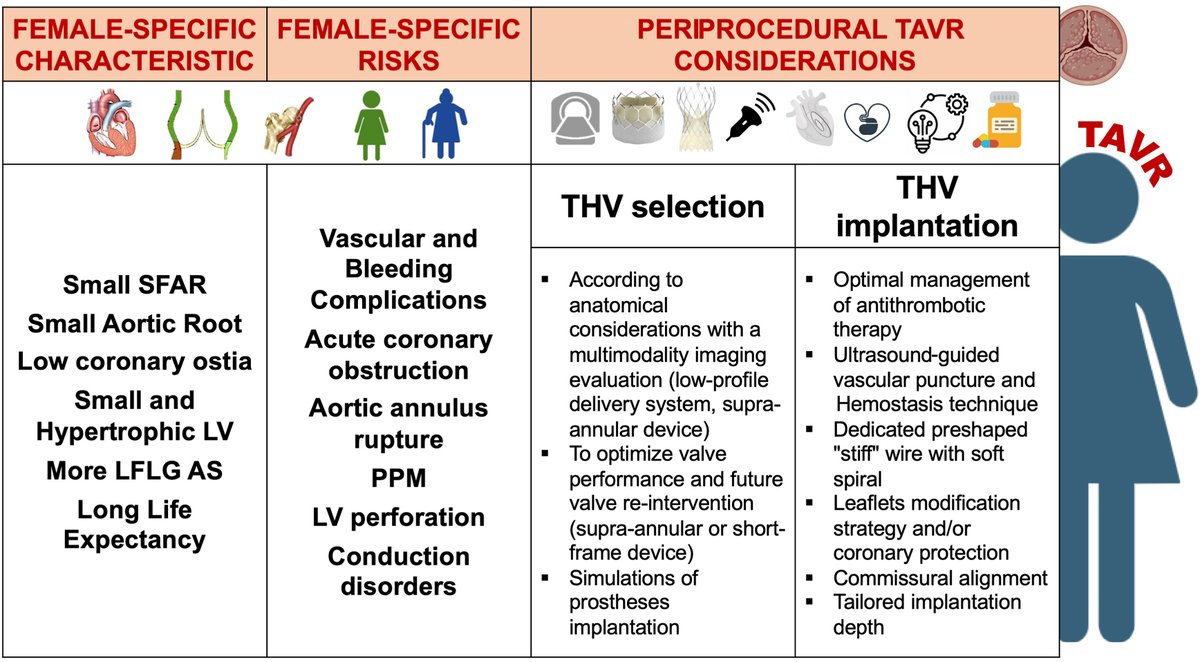
Sex-specific differences in aortic stenosis matter. Women more often present with preserved EF & concentric remodeling, while men show more calcific disease, shaping progression & TAVR outcomes.
Inclusive trials & tailored care are essential.
Read more: https://t.co/l7zuZJWryw
🔴 #EAPCI26#EHJVSHD Simultaneous Publication 🔴
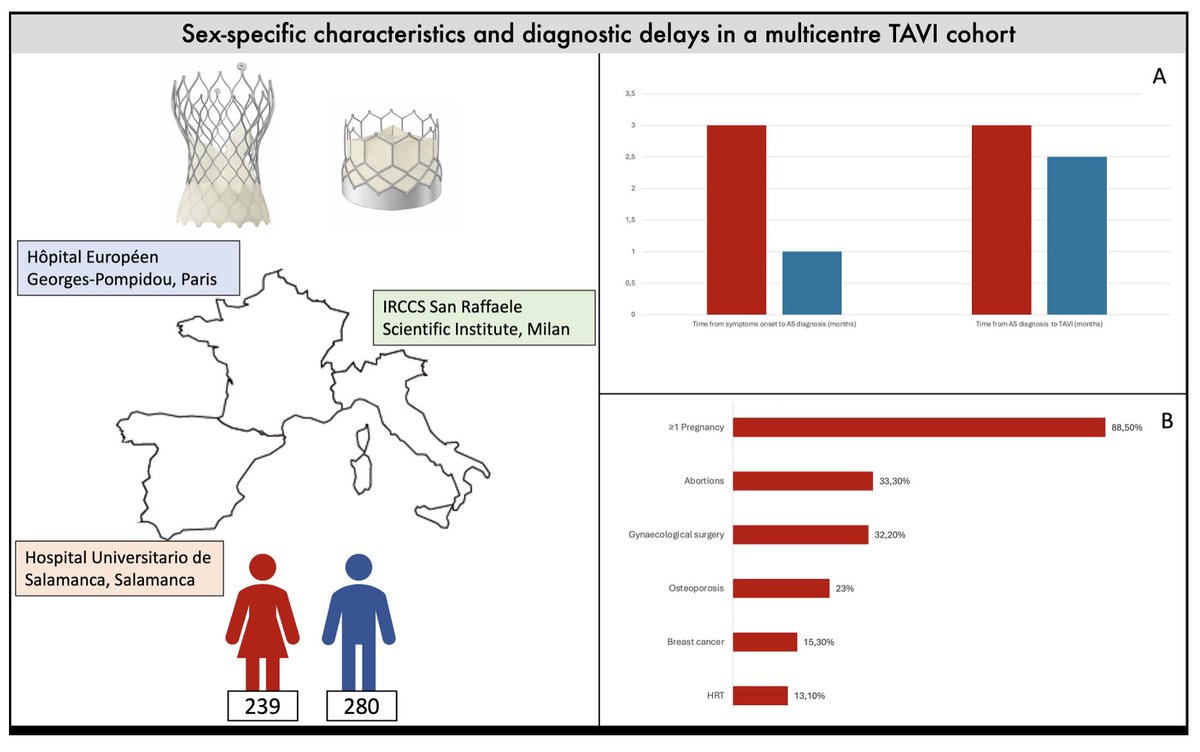
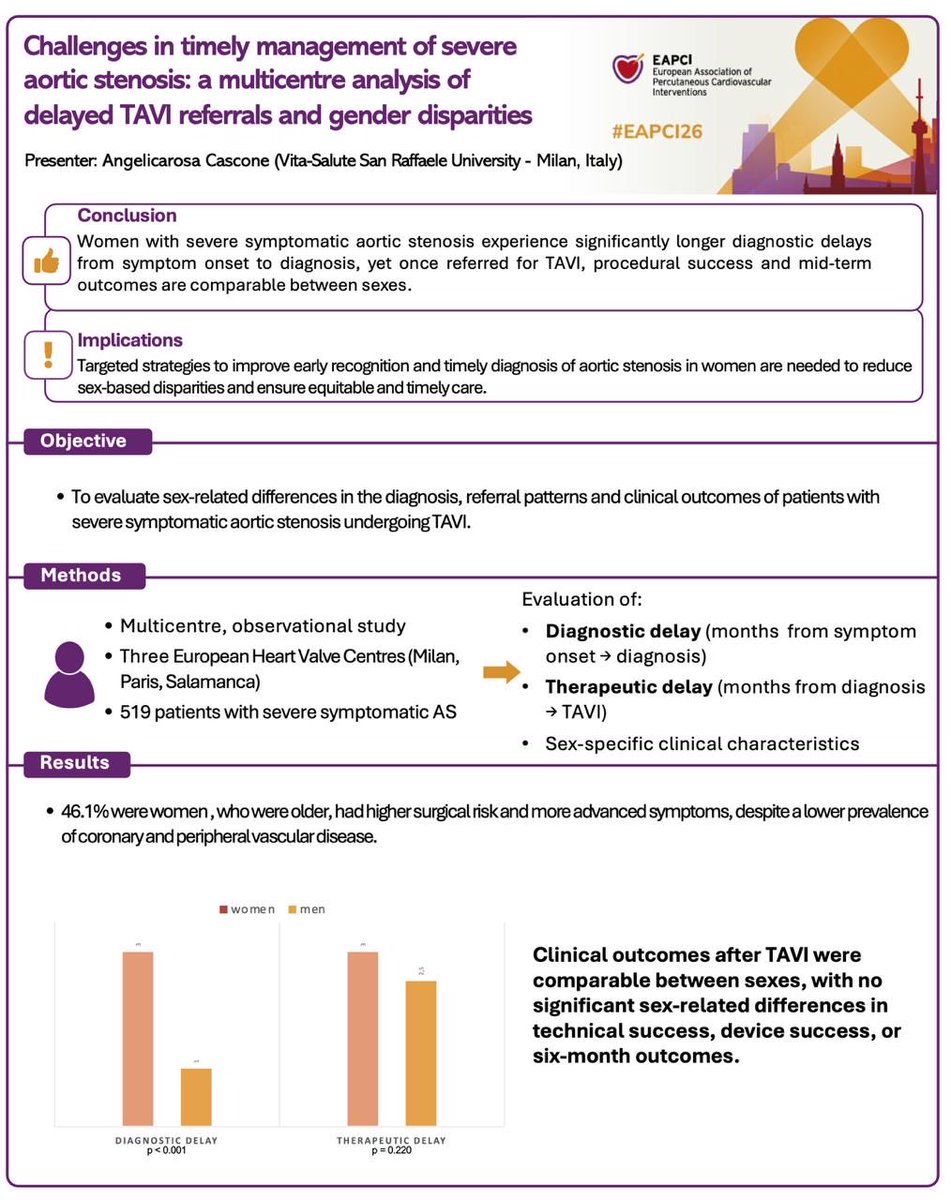
🫀 Multicentre analysis of TAVI referrals: women with severe AS experienced longer diagnostic delays, yet post-TAVI outcomes were comparable between sexes
https://t.co/xk8ha9uzqA
@EAPCIPresident@ESC_Journals@escardio
Challenges in timely management of severe aortic stenosis: A multicentre analysis of delayed TAVI referrals and gender disparities, simultaneously published at #EAPCI26 👉 https://t.co/13MxBTCGOF
#EHJVSHD@EHJVSHDEiC
🌸Simultaneous publication in the European Heart Journal Valvular and Structural Heart Disease at #EAPCI26 Summit
“Challenges in timely management of severe aortic stenosis: a multicentre analysis of delayed TAVI referrals and gender disparities” by Dr Angelicarosa Cascone et al. ✨
Targeted strategies to improve early recognition and timely diagnosis of aortic stenosis in women are needed to reduce sex-based disparities and ensure equitable and timely care.
⬇️ Visual summary below
#EAPCI26 #EAPCIfamily #EHJVSHD
@escardio@EHJVSHDEiC
🔬 Why Perfect Visualization of Calcified Coronary Arteries Requires the Highest Spatial, Temporal and Contrast Resolution: The Case for Ultra-High-Resolution with Dual Source Photon Counting CT
Seeing is everything in coronary imaging.
Yet when it comes to stents and heavily calcified plaques, even the best conventional CT systems hit their physical limits — blooming, partial volume effects, and metal artifacts blur what truly matters.
That’s where Ultra-High-Resolution Dual Source Photon Counting CT (PCCT) changes the game.
🧠 Why it matters:
Conventional CT often overestimates stenosis in calcified vessels and hides in-stent lumen due to blooming and noise.
This leads to diagnostic uncertainty, unnecessary invasive testing, and poor evaluation of stent patency or neo-atherosclerosis.
�� What PCCT adds:
Ultra-high spatial resolution (0.1 mm voxels) sharply delineates stent struts, plaque borders, and residual lumen.
True spectral resolution minimizes blooming and metal artifacts, enhancing visualization even in highly calcified segments.
Improved contrast-to-noise enables clear lumen assessment at lower doses.
Quantitative, energy-resolved data provide material differentiation between calcium, metal, and contrast — something previously unthinkable in CT.
In short, accurate visualization of stents and calcified plaques demands Photon Counting CT — not just for sharper images, but for better diagnostic confidence and patient management.
The era of artifact-free coronary imaging has begun — and it’s photon-counting powered. ⚡❤️
#PCCT #CardiacImaging #CoronaryCT #StentImaging #CalciumScore #PhotonCountingCT #PrecisionImaging #CardiovascularImaging #RadiologyInnovation #yesCCT
A shift from ticagrelor to prasugrel occurred in Denmark following the findings of the ISAR-REACT 5 trial and the updated ESC guideline recommendation favoring prasugrel. In 2019, more than 99% of patients received ticagrelor; by 2022, 89% received prasugrel.
This study is truly exceptional in its scope: among 10,984 patients with myocardial infarction undergoing PCI, prasugrel was associated with lower rates of MACE and recurrent myocardial infarction after statistical adjustment, with similar bleeding rates compared with ticagrelor. These results were replicated in a propensity score–matched cohort, in patients aged ≥75 years, and in those with non-STEMI.
Considering the TUXEDO-2 data presented at #AHA25 and soon to be published, and with the inevitable meta-analysis that will strengthen the case for prasugrel, this nationwide study adds further evidence that the two "more potent P2Y12 inhibitors" are, after all, not as equivalent as often assumed.
https://t.co/FgTWmXl4zD
#JACCCardioOnc review provides an in-depth analysis of the evidence linking clonal hematopoiesis with solid organ malignancies and explores its role as a shared risk factor for the development of both #CVD and cancer. https://t.co/eG3ziPQqX3 #CardioOnc