IVF clinics love to advertise impressive “success rates” — but patients rarely see the full picture.
I’ve been analyzing international IVF registries for 15 years. When you look at all ages and all cycles in large national datasets (SART in the US, HFEA in the UK), per‑transfer live birth rates sit in roughly the 20–30% range, not the 50–60% “success” figures you hear in marketing.
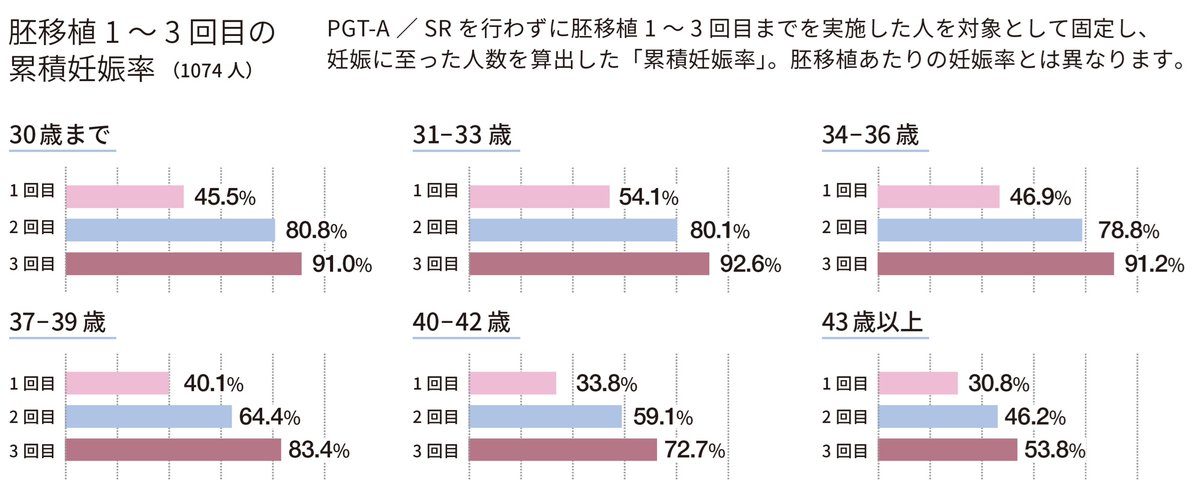
Recently, reporting has shifted toward “live birth per retrieval” or multi‑cycle cumulative rates. That bundles several transfers from a single stimulation into one headline number, which makes success look higher than what a woman actually faces for each individual transfer she pays for.
Ethically, the number that matters most for consent is: “What is my chance of a live baby for each cycle or transfer I undergo and fund?” Not an optimistic cumulative figure after several attempts.
One retrieval can generate multiple frozen transfers, each with its own financial, physical and emotional cost. Many women struggle to tolerate more than one or two full cycles, even though the statistics clinics quote often assume several.
The UK’s HFEA, operating as a statutory regulator, publishes audited national rates that are less entwined with clinic marketing, which is why I view those figures as more transparent than many individual US clinic claims.
When you hear “IVF has a 60% success rate,” it is almost always based on cherry‑picked scenarios: favorable age groups, donor eggs, or cumulative outcomes over multiple cycles—not a single, real‑world cycle for the average patient.
On top of this, safety is under‑emphasized. ART pregnancies are linked to higher risks of maternal complications (like hypertensive disorders and other morbidity) and adverse perinatal outcomes in major reviews and rarely make it to “informed consent” and professional guidance: rarely, if ever, appearing in glossy clinic messaging.
Patients deserve transparent, registry‑level numbers on both efficacy and risk before they commit their bodies, their embryos, their emotions, and their savings to IVF.