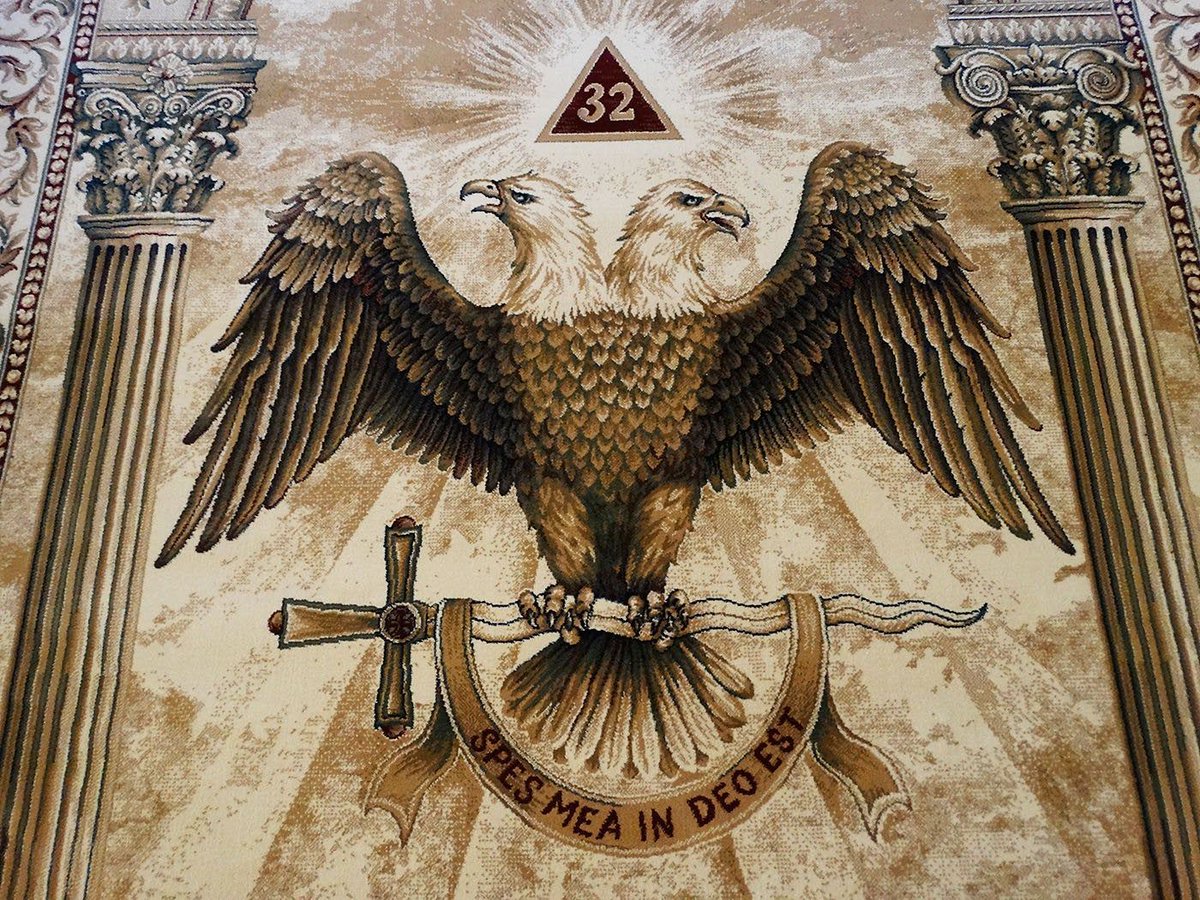
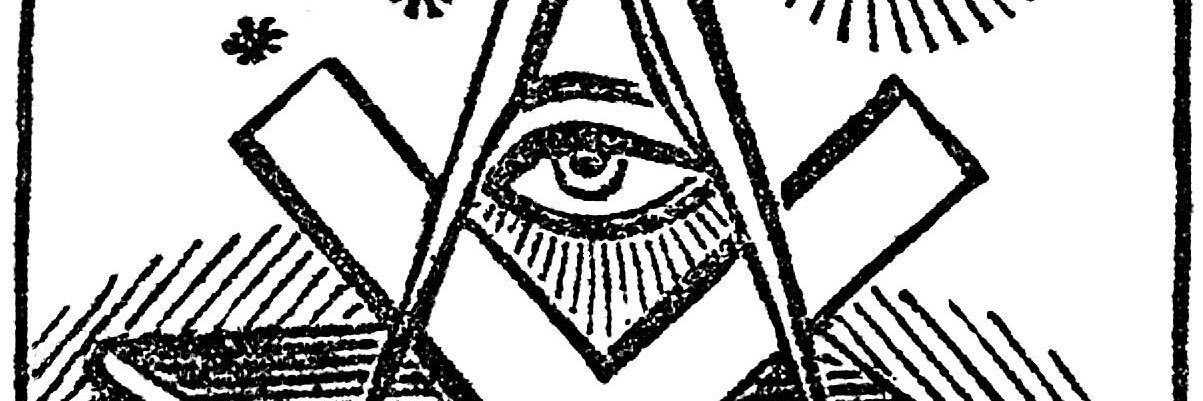
Lámina iconográfica reinterpretada desde un grabado histórico, donde arquitectura, percepción y sistema del conocimiento se articulan en una composición editorial de precisión.
https://t.co/5Si5lHrPy9
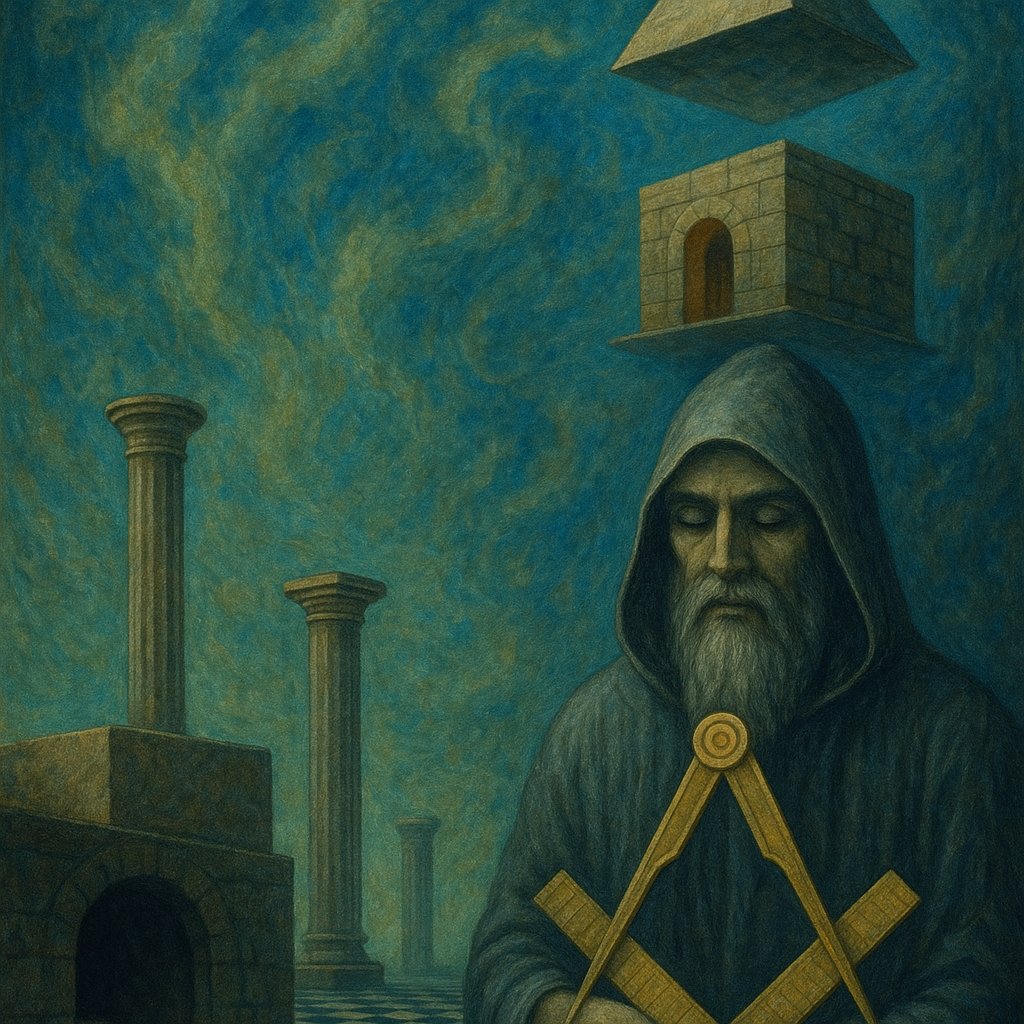
Construir no es amontonar piedras.
Es alinear el alma sobre la Escuadra, levantar la vida sobre el Nivel, y fijar la mirada en el Compás del G.A.D.U.
El A.E. pule, el C. del O. mide, el M.M. inspira.
Así se edifica el Templo interior, que ningún tiempo puede derrumbar
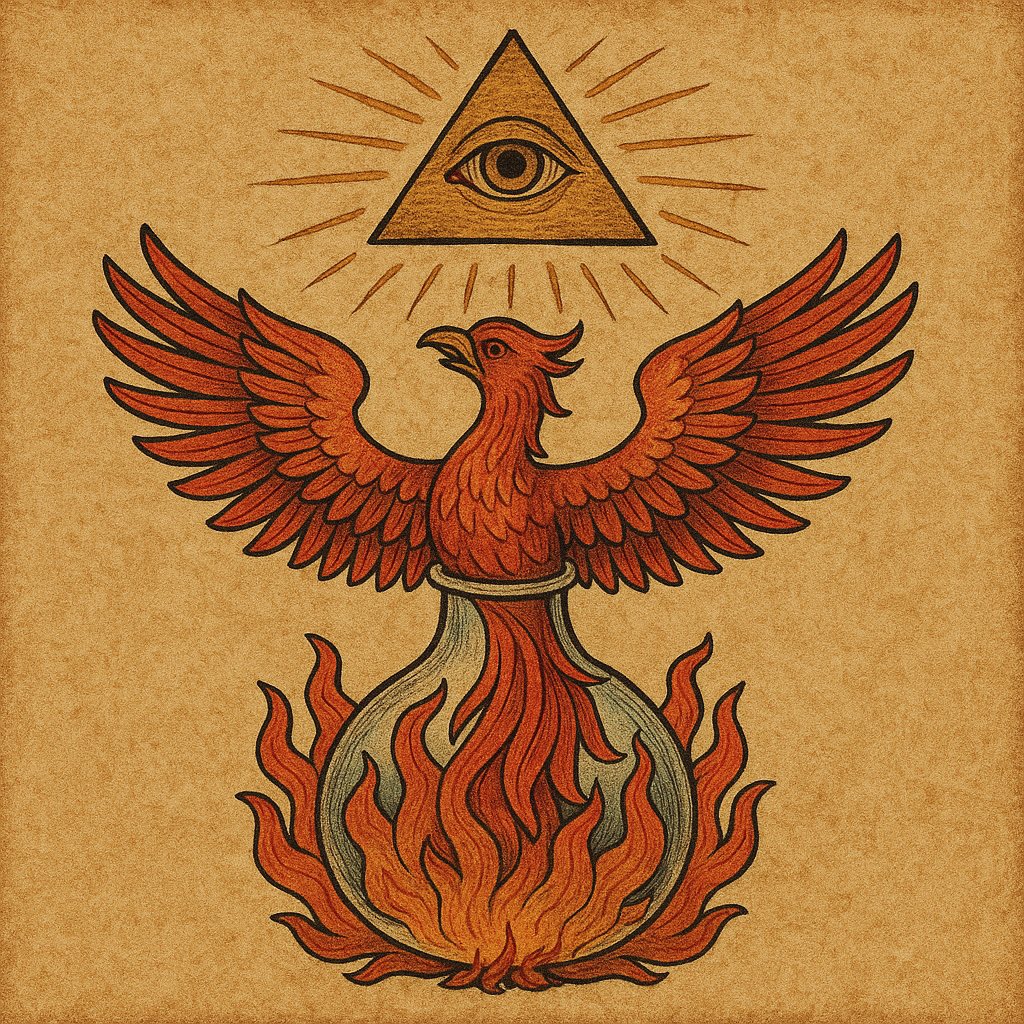
📖 Renacer de tus cenizas y trascender tu Ser 🔥
Esta es la verdadera Alquimia.
No se trata de volverte alguien nuevo, sino de quemar todo lo falso para revelar lo que siempre estuvo.
🧵 Aquí, 5 principios alquímicos de tu renacimiento interior. 👇
El templo no se levanta con piedra profana. Cada pensamiento puro es un bloque, cada acto justo, una columna. El Maestro no se muestra con palabras, sino en el silencio. Solo quien ha descendido al sótano de su ser puede asentar la Piedra Angular en el sanctum interior
Averroes, The Cordovan Light
In the luminous city of Córdoba, then the intellectual beacon of Al-Andalus, was born in the year 1126 A.D. one of the greatest minds of the medieval world: Abu’l-Walid Muhammad ibn Ahmad ibn Rushd, known to Christendom as Averroes. Physician, jurist, and philosopher, his was a spirit forged in the crucible of Aristotelian reason and Islamic metaphysics. In him, the torch of Hellenic thought found a steadfast bearer amidst the shadows of an age often dimmed by dogma.
Averroes’ early instruction was under the tutelage of the jurist al-Hafid, and his later immersion into the sciences and commentaries of Aristotle was facilitated by the Caliph Abu Yaqub Yusuf, who recognized in him not merely an able physician, but a mind capable of reconciling revelation and reason. His commentaries on Aristotle—extensive, rigorous, and enduring—breathed life into the Philosopher’s works at a time when they languished in neglect, both in Latin Europe and the Arabic East. Indeed, to the scholars of the Scholastic age, Averroes was The Commentator, as Aristotle himself was The Philosopher.
Central to his philosophy was the belief that reason is not the enemy of faith, but its rightful companion. He contended that sacred texts possess layers of meaning: literal, allegorical, and philosophical. The masses may abide by the exoteric, but the wise are called to seek the esoteric—ta’wil—through disciplined reflection. This very stratification of truth resonates profoundly with the degrees and gradations of Masonic initiation, wherein the initiate ascends by steps, from the literal to the symbolic, and from the symbolic to the contemplative.
Averroes’ notion of the Active Intellect, a shared reservoir of rational insight accessible to all minds properly trained, bears a striking resemblance to the Masonic conception of the Universal Mind or the Grand Architect—an order transcendent yet immanent, which imparts light to those who seek it. The Freemason, like Averroes’ philosopher, does not abandon the world, but labours within it—seeking to harmonize matter and spirit, law and wisdom.
Moreover, Averroes upheld the dignity of man’s rational faculty as the noblest aspect of his being—a cornerstone also of Masonic anthropology. Where some theologians curtailed inquiry, he demanded its liberation. Where others enforced blind assent, he extolled the freedom to think. In this, he stands in concord with that ancient Masonic charge: to be ever in pursuit of Truth, and to hold Reason as one’s guiding light amidst the obscurity of the profane world.
Though condemned in his final years by the very Caliphate he once served, and though his books were cast into the flames by narrow minds, the light of Averroes was not extinguished. It passed—veiled, but enduring—into the halls of European learning, where it illumined the minds of Aquinas, Maimonides, and countless others. And in a subtler way, it found refuge in the silent chambers of the speculative Lodge, where wisdom, strength, and beauty are united under the sign of fraternity.
In Averroes we behold not only a philosopher of Islam, but a precursor of that Enlightenment spirit so cherished by Freemasonry: rational yet reverent, grounded yet soaring, ever obedient to the geometry of truth. His life is a testament that Light—though opposed—does not perish, but seeks new vessels in which to burn.
There’s a small book on my desk that stays open more than it stays shut.
The Masonic Way: 15 Philosophies Every Man Should Live By.
Not a burst of inspiration, but fifteen quiet reminders: