Bayes’ theorem is probably the single most important thing any rational person can learn.
So many of our debates and disagreements that we shout about are because we don’t understand Bayes’ theorem or how human rationality often works.
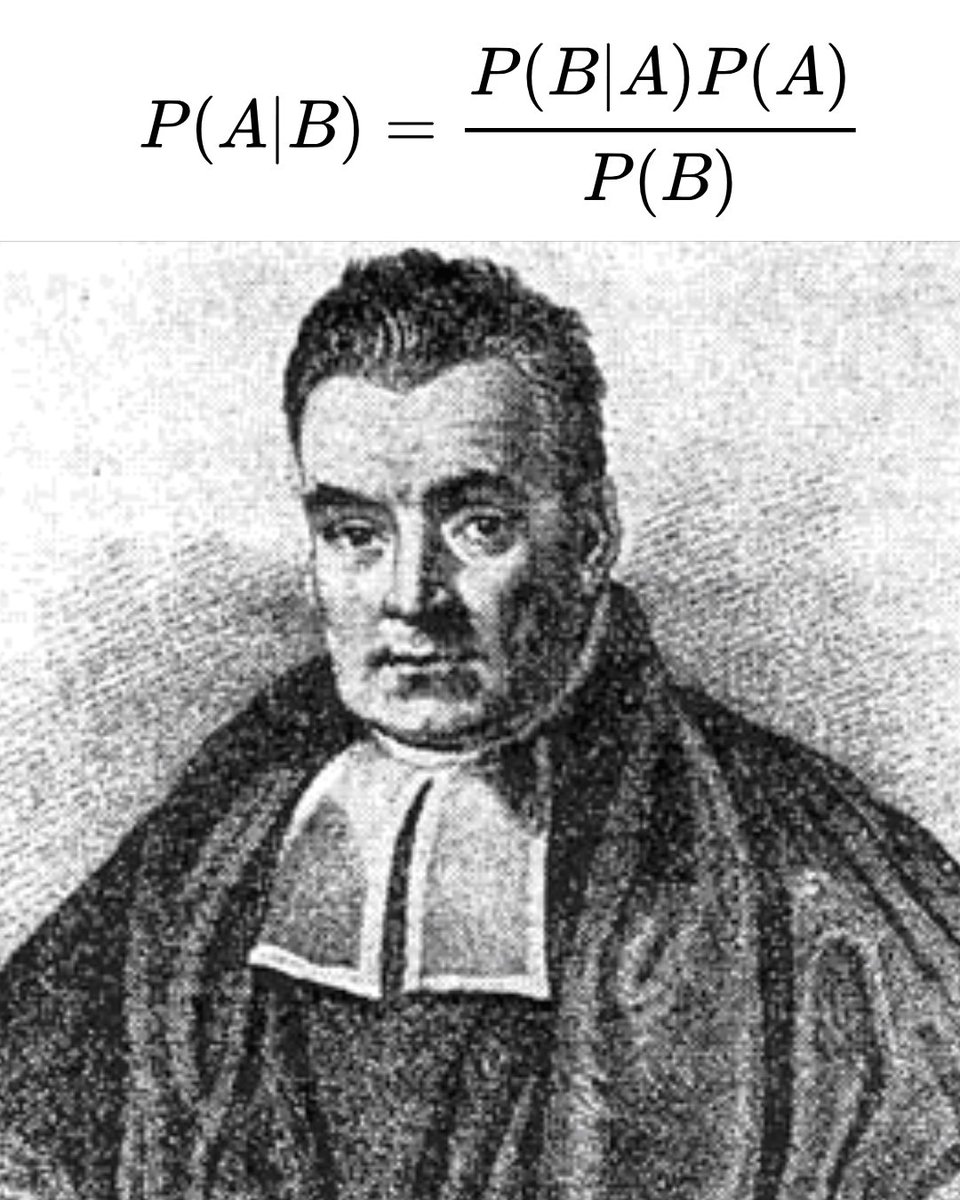
Bayes’ theorem is named after the 18th-century Thomas Bayes, and essentially it’s a formula that asks: when you are presented with all of the evidence for something, how much should you believe it?
Bayes’ theorem teaches us that our beliefs are not fixed; they are probabilities. Our beliefs change as we weigh new evidence against our assumptions, or our priors. In other words, we all carry certain ideas about how the world works, and new evidence can challenge them.
For example, somebody might believe that smoking is safe, that stress causes mouth ulcers, or that human activity is unrelated to climate change. These are their priors, their starting points. They can be formed by our culture, our biases, or even incomplete information.
Now imagine a new study comes along that challenges one of your priors. A single study might not carry enough weight to overturn your existing beliefs. But as studies accumulate, eventually the scales may tip. At some point, your prior will become less and less plausible.
Bayes’ theorem argues that being rational is not about black and white. It’s not even about true or false. It’s about what is most reasonable based on the best available evidence. But for this to work, we need to be presented with as much high-quality data as possible. Without evidence—without belief-forming data—we are left only with our priors and biases. And those aren’t all that rational.
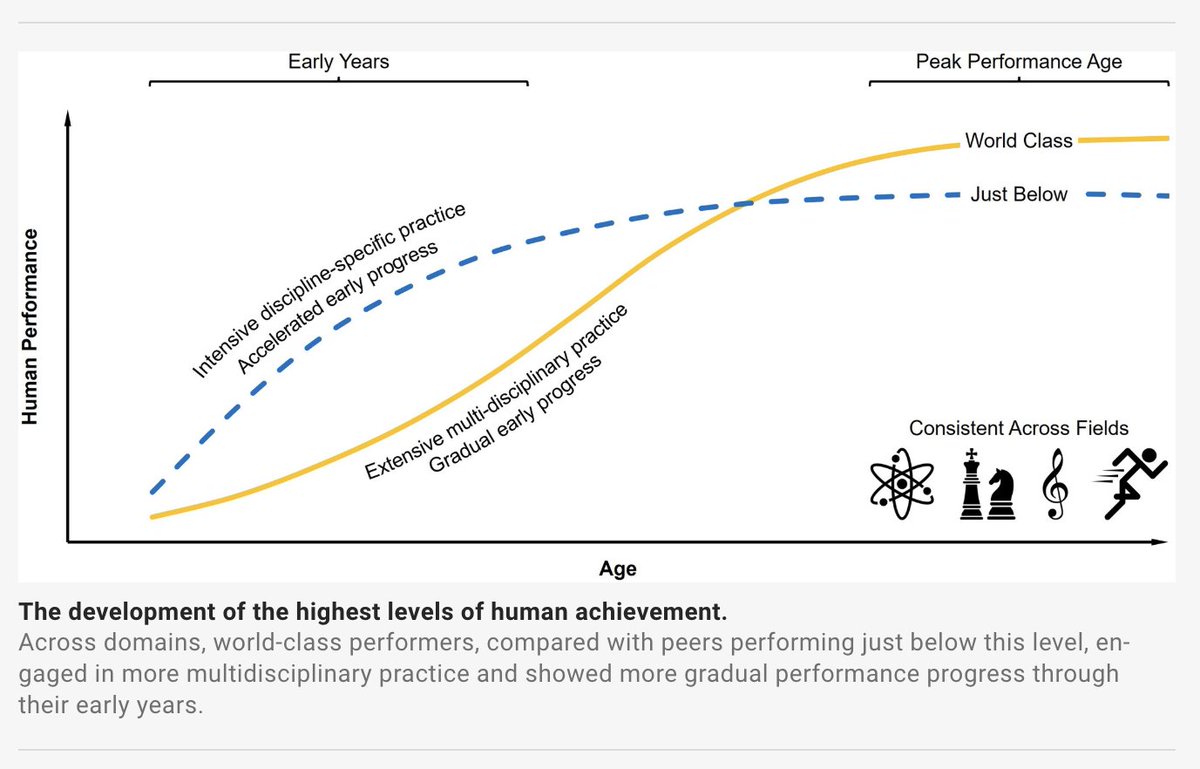
A massive new study on peak performance included 34,000 international top performers: Nobel laureates, renowned classical music composers, Olympic champs, and the world’s best chess players. It shows early specialization is a trap, and the road to greatness is long and varied.
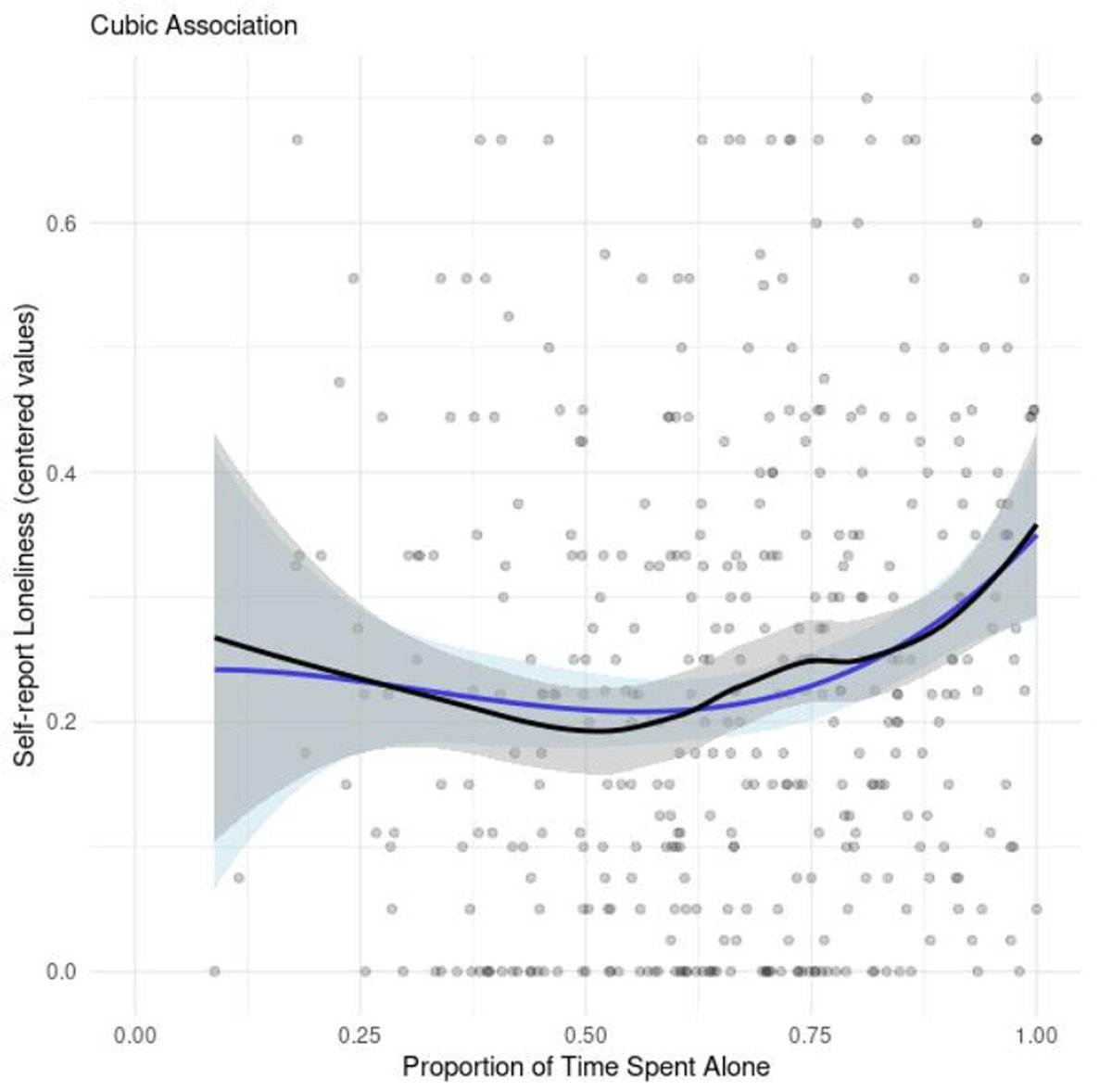
The best cure for loneliness is not more frequent interaction. It's more meaningful interaction.
Many people enjoy solitude. They can spend up to ~75% of their time alone without feeling isolated.
What matters most for well-being is the quality of connections, not the quantity.
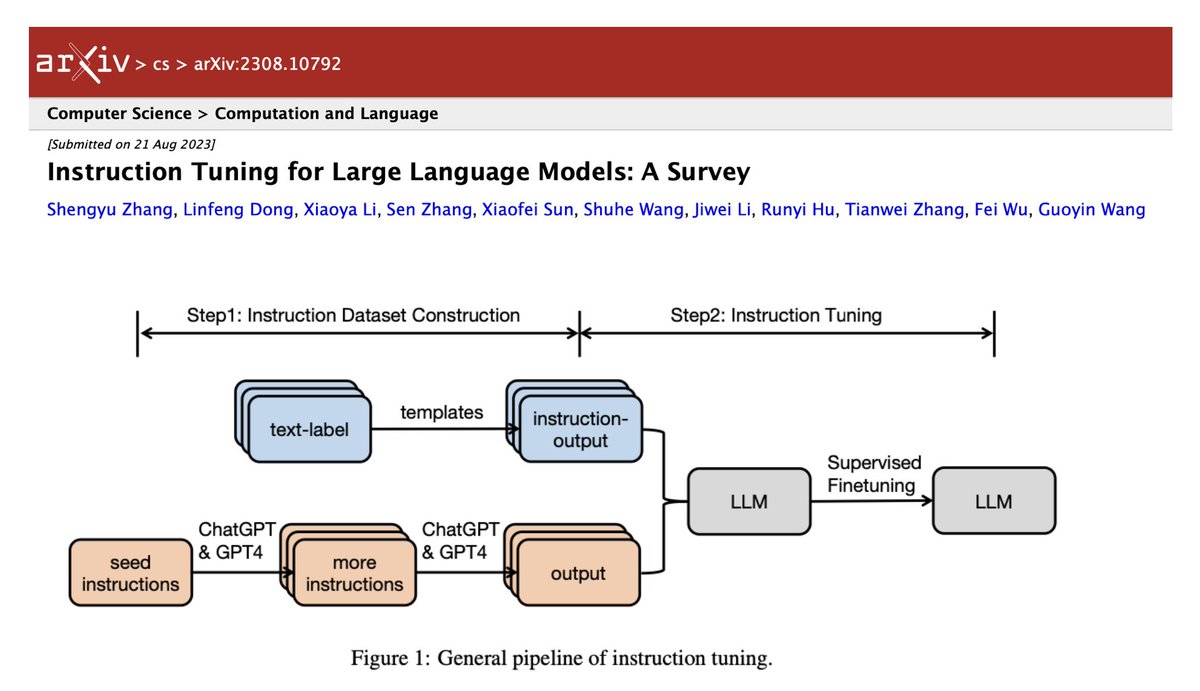
If you're looking for an nice read over the long weekend, I highly recommend the recently uploaded survey "Instruction Tuning for Large Language Models" by Zhang et al.: https://t.co/QqZkNikWN1
Covers both the creation and usage of instruction-datasets for LLM finetuning.
If you’re a non-technical startup founder or product manager, you’ll want to check this out!
We released a database of common tech terms like API or data warehouse, explained quickly and simply.
If you think people have scar tissue, you should see organizations. Each time there's a disaster, they create a process to prevent future disasters of that type. Eventually they accrete a thick layer of these processes that prevents them from moving. Then they die.
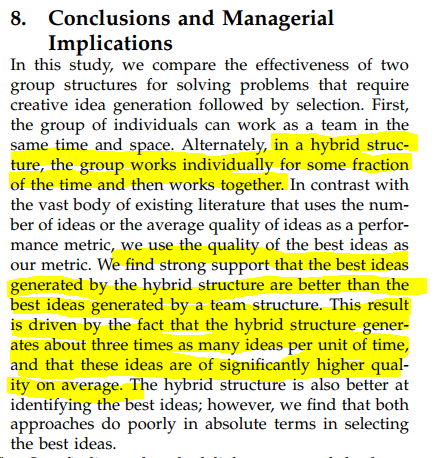
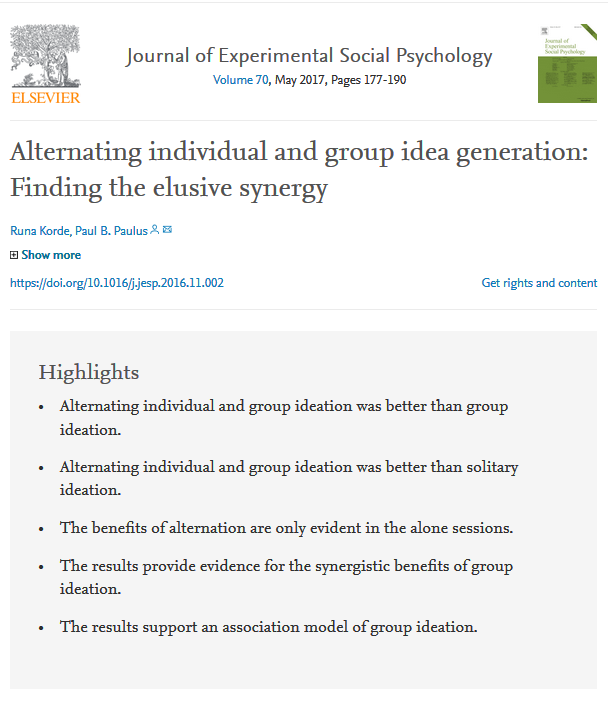
With few exceptions, you should NEVER start generating new ideas in a group - always start with people writing ideas alone and only then move to a group setting. (We've known starting with groups is worse for 50 years, but people still keep doing it since it feels more creative)
Someone asked me how the startup world views founders who fail. It depends how. If you (a) make something good and (b) understand why you failed, you'll generally be admired. Whereas if you make something lame and blame others for its failure, you won't be.
El cambio más positivo que hice en mis 20s fue dejar de escuchar al miedo cuando tomaba decisiones.
Es una decisión consciente y activa todos los días.
A lot of VC money + focus on valuations spoils the overall product management mindset. PMs end up getting rewarded for releasing more features / bets without ruthelssly prioritising and seeing its impact on bottom line.
In hard times now, good product practices should come back.
Growth tips/tricks are like "Get rich fast" schemes- they promise instant results, but they don't work
The real answer is painstaking iteration to get p/m fit, nailing a single growth channel, layering on over time, hiring teams and building repeatable systems
Get rich slow