Thrilled to be at the #TropMed24, an incredible forum for exchanging the latest advances in tropical medicine, hygiene, and global health.
Huge thanks to the organizers @ASTMH for bringing the community together!
It’s been a true pleasure hosting Prof. John Adams from @USFHealth, a leading figure in malaria research, at @Stockholm_Uni. He shared insights into his lab’s work, from host-parasite interactions to metabolic processes driving parasite survival. Very inspiring!!
We were pleased to host Prof. @nil_moretti from @unifesp 🇧🇷and @UMontreal 🇨🇦at @Stockholm_Uni last week, where he shared his exciting research on Leishmania and protein acetylation 🥼🔬
A great week with a great collaborator 🤝
Obrigado pela visita, Nilmar!
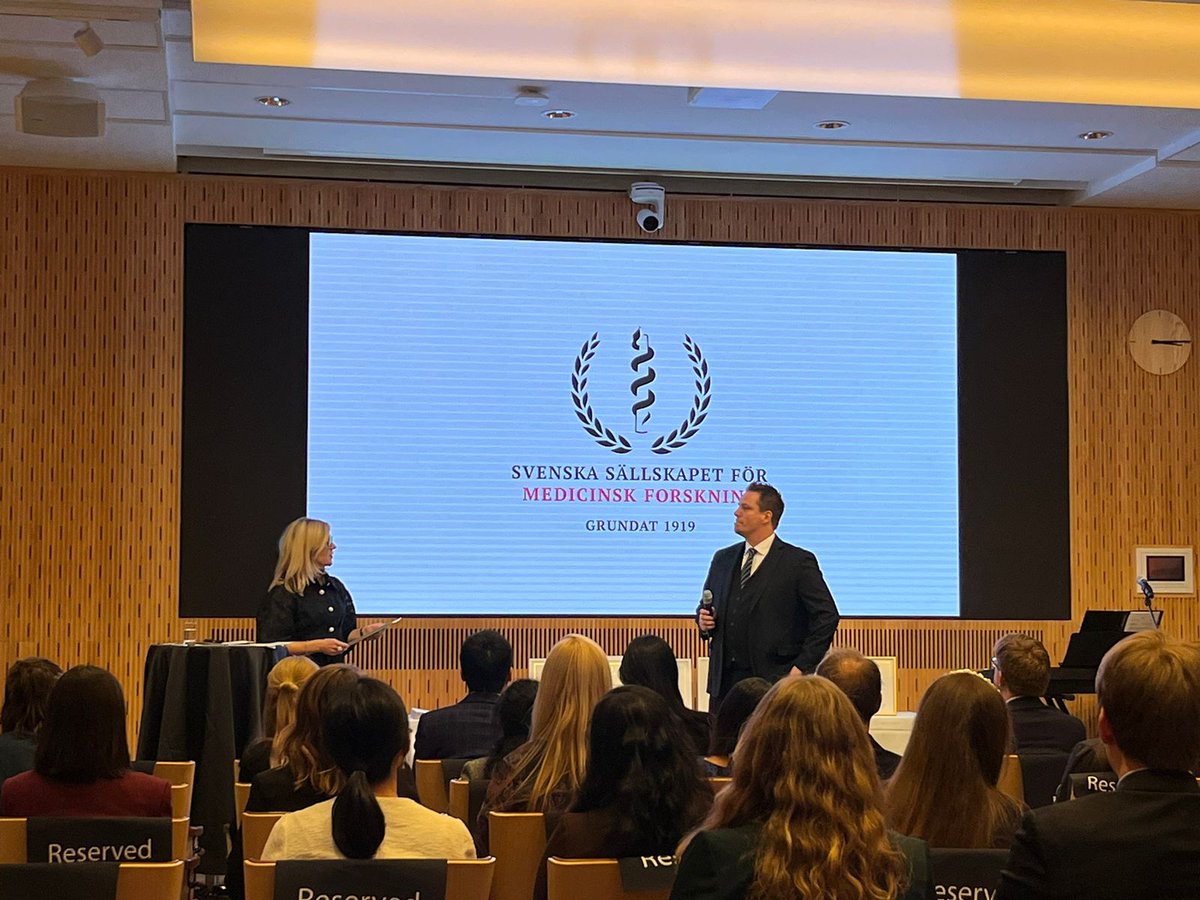
Last week, @JoAnkar23 paid tribute to @ssmfgrants for their funding of our exciting research program. It was a pleasure to share our recent successes!
Congrats to all new SSMF grant awardees! 🥂
Happy to see this exciting study in press, big congrats to Qian Li and Sherwin Chan @karolinskainst . Thanks for an exciting collaboration, more to come!
https://t.co/SCeXgbBoTS
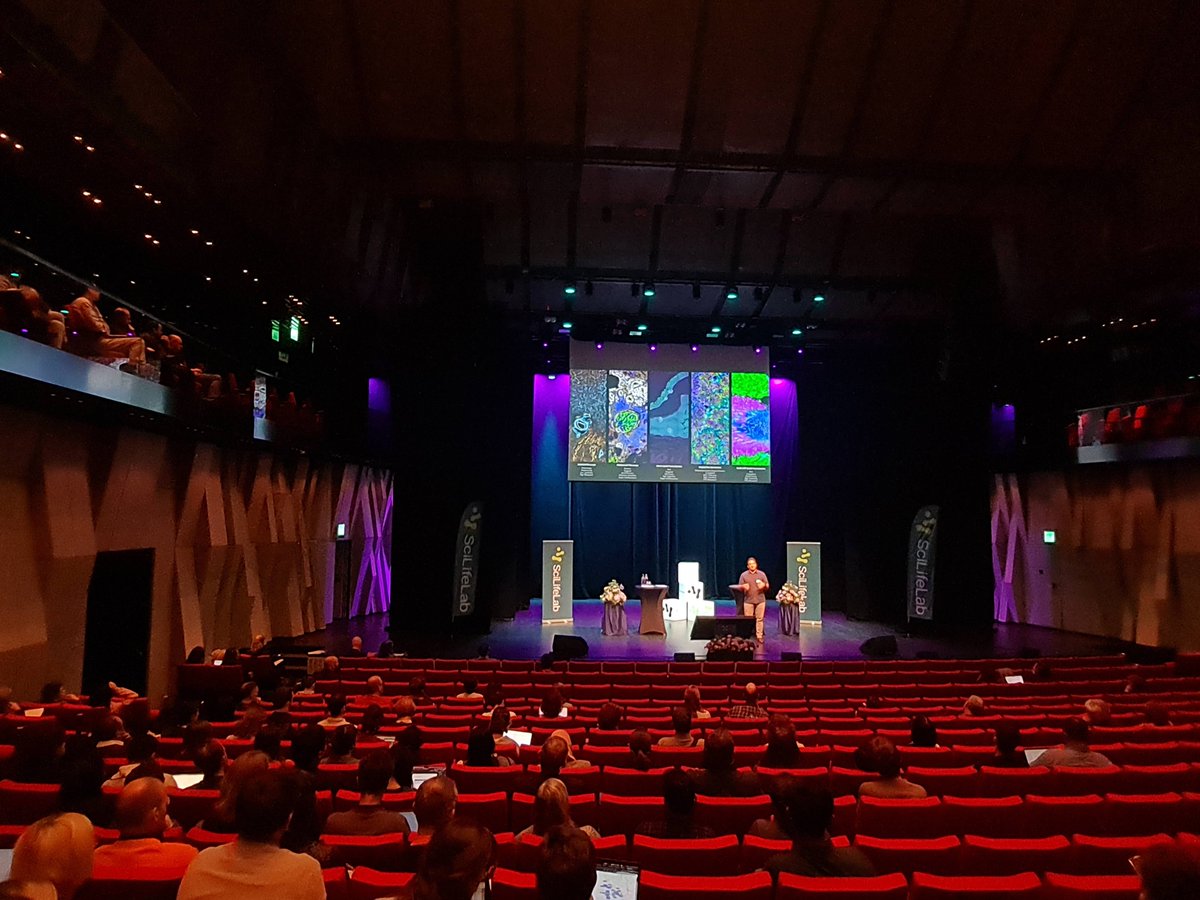
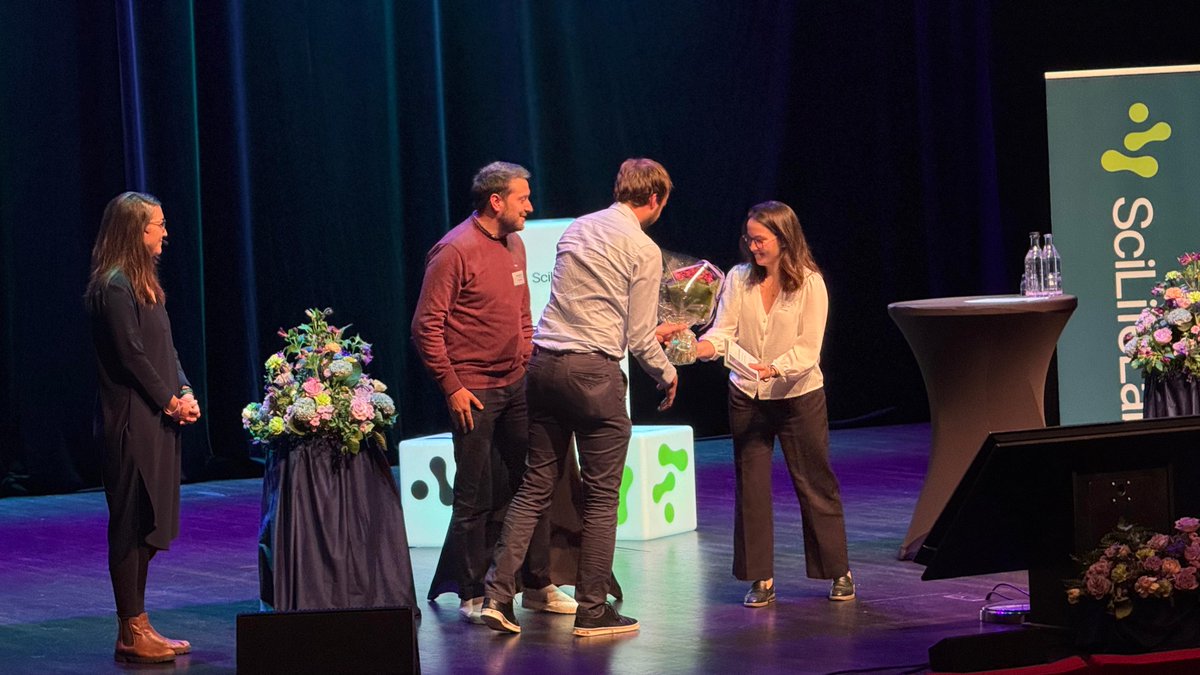
Exciting day at the SciLifeLab Spatial Summit and great to meet so many talented researchers in spatial biology!
Best Poster Award went to our PhD student, Miren Urrutia 🥳
Thanks @SciLifeLab for hosting such a great event
#SpatialBiology#SciLifeLab
Excited to see our malaria research featured on TV4 Nyheterna!🎥
Catch the interview to learn about our latest work on malaria infection in the liver and gametocyte biology.
#Malaria#SpatialTranscriptomics
https://t.co/GdqeTE4FSp
Big thanks to Dr. Richard Green from @UW and @NateraGenetics for visiting us and sharing his insights on personalized medicine. We’re excited to follow his work and keep the conversation going!
Interesting new study from @SwissTPH by Prof. Till S. Voss and colleagues uncovers distinct roles of PfARK1-3 kinases in Plasmodium falciparum mitosis, with PfARK1/2 showing male-specific expression in late-stage gametocytes. Great read!
👉 https://t.co/LQ7iQMhHBT
@LlinasLab @billker_lab @amtalman @veupathdb Note: MD/FD abbreviations appear only in figures for simplicity; we consistently describe them as “putative male/female driver genes” in the text. MM1, MM2, FM1, FM2 (Male/Female Marker genes) were used as controls in sc-rt-qPCR analyses. No changes to previous gene names!
@LlinasLab @billker_lab @amtalman @veupathdb Thanks for raising this, @LlinasLab ! 🙌 Our MD/FD genes are indeed “putative driver genes”, hence the naming difference. We fully agree on the need for unified nomenclature! The loss of @veupathdb is a huge one for parasitology—it’s been an invaluable resource for all of us! 😔
Exciting new research from @SerreLab at @UMmedschool ! 🦟 Single-cell RNA-seq uncovers how polyclonal Plasmodium vivax infections impact parasite development and transmission. Must-read for #Malaria researchers! #Pvivax
https://t.co/vqXF2xREtr
Thrilled to share our latest research in @NatureComms.
We performed single-cell analysis to computationally define new “driver genes” and study gene regulatory networks involved in male and female cell fate in Plasmodium falciparum gametocytes.
https://t.co/Yacf91mMyp
My early Christmas present: happy to share our preprint of my PhD work in the @AnkarklevLab. We decipher host-pathogen interactions in #Plasmodium infected #liver in the true tissue context and with single cell resolution. https://t.co/5zGgmChTEZ