Delighted to announce a new chapter in my research journey—transitioning from seafloor mapping to exploring the complexities of permafrost thaw in my PhD studies. This interdisciplinary shift reflects a growing commitment to understanding Arctic climate dynamics.
Glaciers store and supply freshwater for billions, but climate change is causing them to disappear fast.
We need urgent #ClimateAction to protect these giants of ice and all other freshwater ecosystems: https://t.co/kcrUWjFc6D
The CCGS Jean Goodwill is back from its Arctic mission! ❄️
After more than two months providing icebreaking operations in the North and supporting the MV Thamesborg that recently ran aground in the Franklin Strait, Nunavut, the crew has returned home safe and sound.
💥NEW in NATURE GEOSCIENCE💥
Soil carbon sequestration by long-term #nitrogen & #phosphorus fertilization
https://t.co/nmtBgP6GFC
https://t.co/6wEiDHc3rU
Increase of C #sequestration by N and P #fertilization
in the world-longest 180-year fertilization experiment in Rothamsted
📢
Master’s students:
The Research Portal is now accepting applications for the Canada Graduate Research Scholarship - Master’s (CGRS M) program:
▶️ https://t.co/4QDM0yxWn3
Application deadline: December 1, 2025, before 8 pm (ET).
#NSERCSupport#NSERC_CGRSM
Breakout out those CVs and personal statements - it's time for the next job cycle!! We're pleased to announce that the 2025-2026 EES Jobs List is LIVE!
Access the list here: https://t.co/yI0B6TtNcx
Make this the year you get that position! 😊
Delighted to announce a new chapter in my research journey—transitioning from seafloor mapping to exploring the complexities of permafrost thaw in my PhD studies. This interdisciplinary shift reflects a growing commitment to understanding Arctic climate dynamics.
Delighted to announce a new chapter in my research journey—transitioning from seafloor mapping to exploring the complexities of permafrost thaw in my PhD studies. This interdisciplinary shift reflects a growing commitment to understanding Arctic climate dynamics.
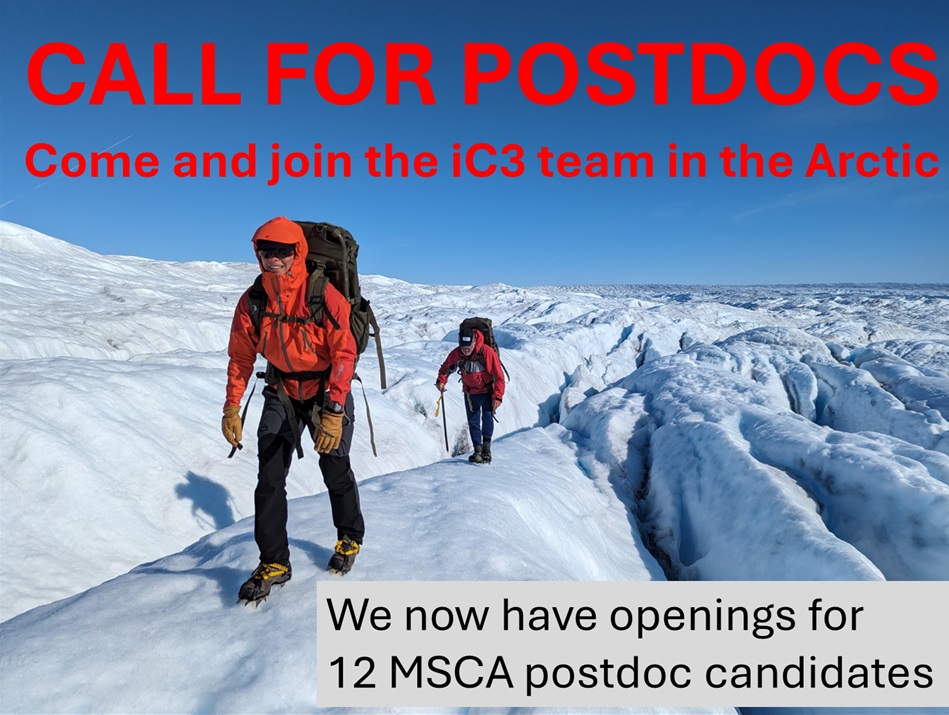
WANTED: #POSTDOC RESEARCHERS
Investigate how the links between ice sheets, carbon cycles and ocean ecosystems are impacting life on earth.
Multiple #MSCA opportunities available with the friendly iC3 team. Open to all nationalities.
https://t.co/ESIUMIIVZW #NOAA@NOAA
🌍 Interested in advancing environmental sustainability and inclusive conservation?
World Wildlife Fund (WWF) is hiring a Program Officer focusing on biodiversity, gender inclusion, and indigenous rights.
Apply now: https://t.co/AZpv1xexxg
#Vacancy#WaterJobs
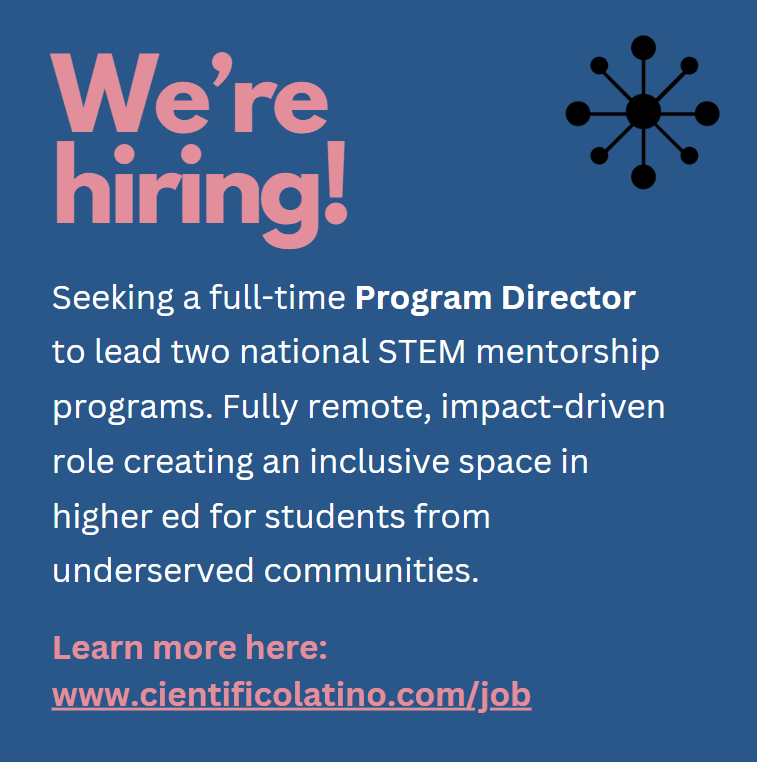
🚨 We’re hiring! Científico Latino, Inc. is looking for a Program Director to lead two national STEM mentorship programs. Fully remote, impact-driven role in higher ed 🎓👩🔬
📌 Apply: https://t.co/JtrLL4W9KY
💼 Know someone? Send it their way!
📢 Attention health researchers!
Applications are now open for the Institute/Initiative Community Support Grants #FundingOpportunity that will help fund planning and dissemination activities on a wide range of research topics.
Deadline: June 19, 2025
https://t.co/jHphanA4xO
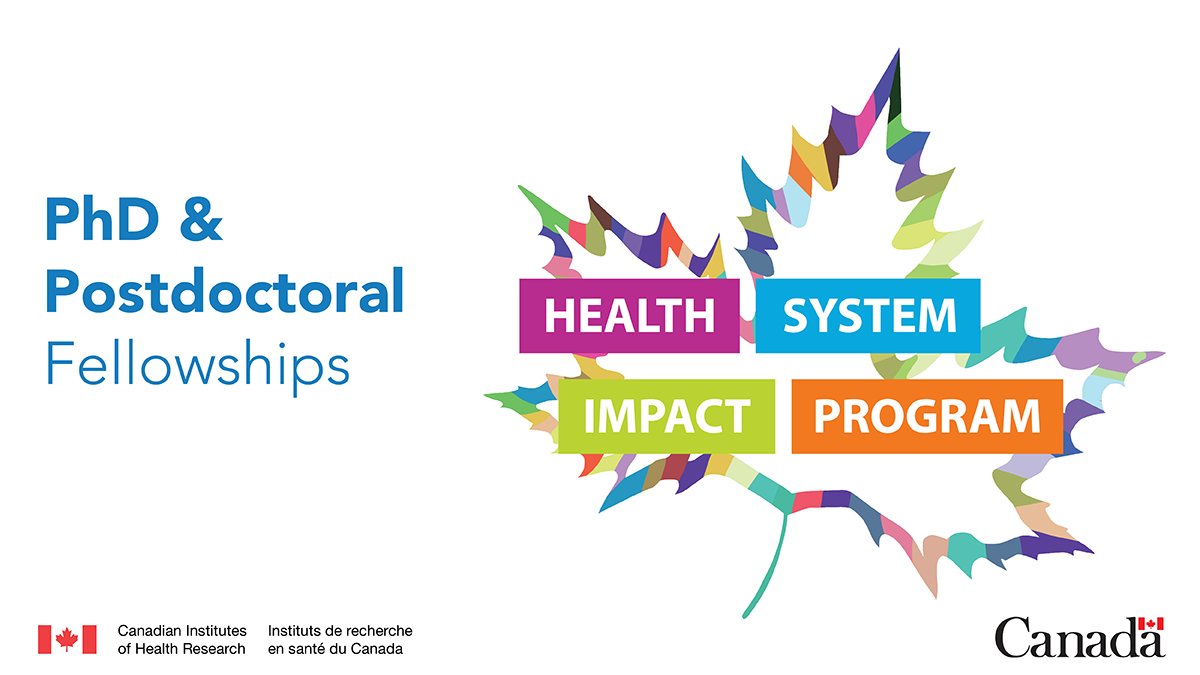
Applications now open for the 2025 Health System Impact Fellowship
The fellowship offers PhD trainees & post-doctoral researchers an embedded research opportunity to develop leadership skills & learning health systems knowledge & make an impact.
Read More: https://t.co/VqqNmcc64X
A study @ElsevierConnect provides the first ever mathematical closed-form solution to the random packing problem in 2D for unequally-sized spheres/disks: https://t.co/tD9yyQeeHa
the analytical solution agrees with the most recent swap-Monte Carlo simulations of Berthier et al.
📢 Last call! Only one week left to submit your notice of intent to apply for the #NFRF 2026 Transformation competition! Learn more:
https://t.co/klq8hrxEO7
#CRCC
📢 Calling all young changemakers!
Join the @UNECOSOC Youth Forum 2025! Make your voice heard on global priorities, from climate action to inclusive development.
Be part of the dialogue for the #GlobalGoals!
🗓️ Date: April 8-10, 2025 🗺️@UN
🌐https://t.co/s8emGHblqV
#ECOSOCYouth
Ice-sheet mass loss is one of the clearest manifestations of climate change, with Antarctica discharging mass into the ocean via melting or through calving. The latter produces icebergs that can modify ocean water properties, often at great distances from source. This affects upper-ocean physics and primary productivity, with implications for atmospheric carbon drawdown.
A detailed understanding of iceberg modification of ocean waters has been hindered by a lack of proximal measurements; however, unique measurements of a giant iceberg from an underwater glider recently enabled a team of researchers to quantify meltwater effects on the physical and biological processes in the upper layers of the Southern Ocean, a region disproportionately important for global heat and carbon sequestration. Learn more here: https://t.co/CSg49iB8hZ
#Antarctica #Iceberg #Geoscience #EarthScience